Guayakí: The Sustainable Yerba Mate Company and Its Regenerative Business Model
Guayakí is a pioneer in the functional beverage market, renowned for popularizing bottled yerba mate while operating on a regenerative business model designed to restore Atlantic Rainforest ecosystems, support indigenous and local harv...
Guayakí is a pioneer in the functional beverage market, renowned for popularizing bottled yerba mate while operating on a regenerative business model designed to restore Atlantic Rainforest ecosystems, support indigenous and local harvesting communities, and promote long-term ecological balance.
Contents
Understanding Guayakí and the Yerba Mate Tradition
Guayakí is a beverage company centered on yerba mate (Ilex paraguariensis), a caffeinated, nutrient-rich herbal infusion native to South America. Traditional yerba mate consumption is deeply rooted in the cultural history of the Indigenous Guaraní and Tupi people, who have brewed and shared the leaves for centuries. Founded in 1996 by Alex Pryor and David Karr, Guayakí was established with a mission that transcended typical commercial enterprise. The founders sought to demonstrate that a business could actively regenerate social and environmental conditions rather than merely minimizing harm.
The company's operational philosophy centers on the concept of "Market Driven Regeneration." This model asserts that by creating a sustained commercial demand for shade-grown, organic yerba mate, consumers can directly finance the restoration of deforested landscapes and provide fair-wage employment to growers in South America. Over the decades, Guayakí has expanded from loose-leaf tea sales into a dominant presence in the ready-to-drink (RTD) refrigerated beverage aisle across North America, all while maintaining its core commitment to socio-ecological stewardship.
The Regenerative Business Model and Shade-Grown Sourcing
At the heart of Guayakí’s operational framework is its dedication to shade-grown agroforestry. Unlike conventional industrial monoculture farming—which frequently requires clearing native forests, disrupting local biodiversity, and depleting soil nutrients—Guayakí sources its yerba mate from farms where the trees grow under the canopy of the native South American Atlantic Rainforest (Mata Atlântica).
Biodiversity and Agroforestry Principles
Shade-grown yerba mate cultivation relies on complex polyculture systems. By planting yerba mate alongside native tree species, the agricultural model mimics the natural forest structure. This approach yields several critical environmental advantages:
- Habitat Preservation: The multi-tiered canopy provides continuous habitats and migration corridors for endangered wildlife, including jaguars, tapirs, and numerous endemic bird species.
- Soil Health and Carbon Sequestration: Deep-rooted native trees prevent soil erosion, retain moisture, and sequester significant amounts of carbon dioxide compared to cleared agricultural land.
- Pest Resistance: Biodiverse ecosystems naturally regulate pest populations, eliminating the need for synthetic chemical pesticides and herbicides.
Fair Labor and Social Equity
Environmental sustainability cannot exist in isolation from social justice. Guayakí structures its supply chains to ensure that indigenous and smallholder farmers receive equitable compensation. Through partnerships with cooperatives in Argentina, Brazil, and Paraguay, the company pays a premium above market rates for organic, shade-grown leaves. Furthermore, Guayakí invests in local infrastructure, education, and healthcare initiatives within the harvesting communities, fostering economic self-reliance and preserving ancestral land-use traditions.
Product Portfolio and Market Offerings
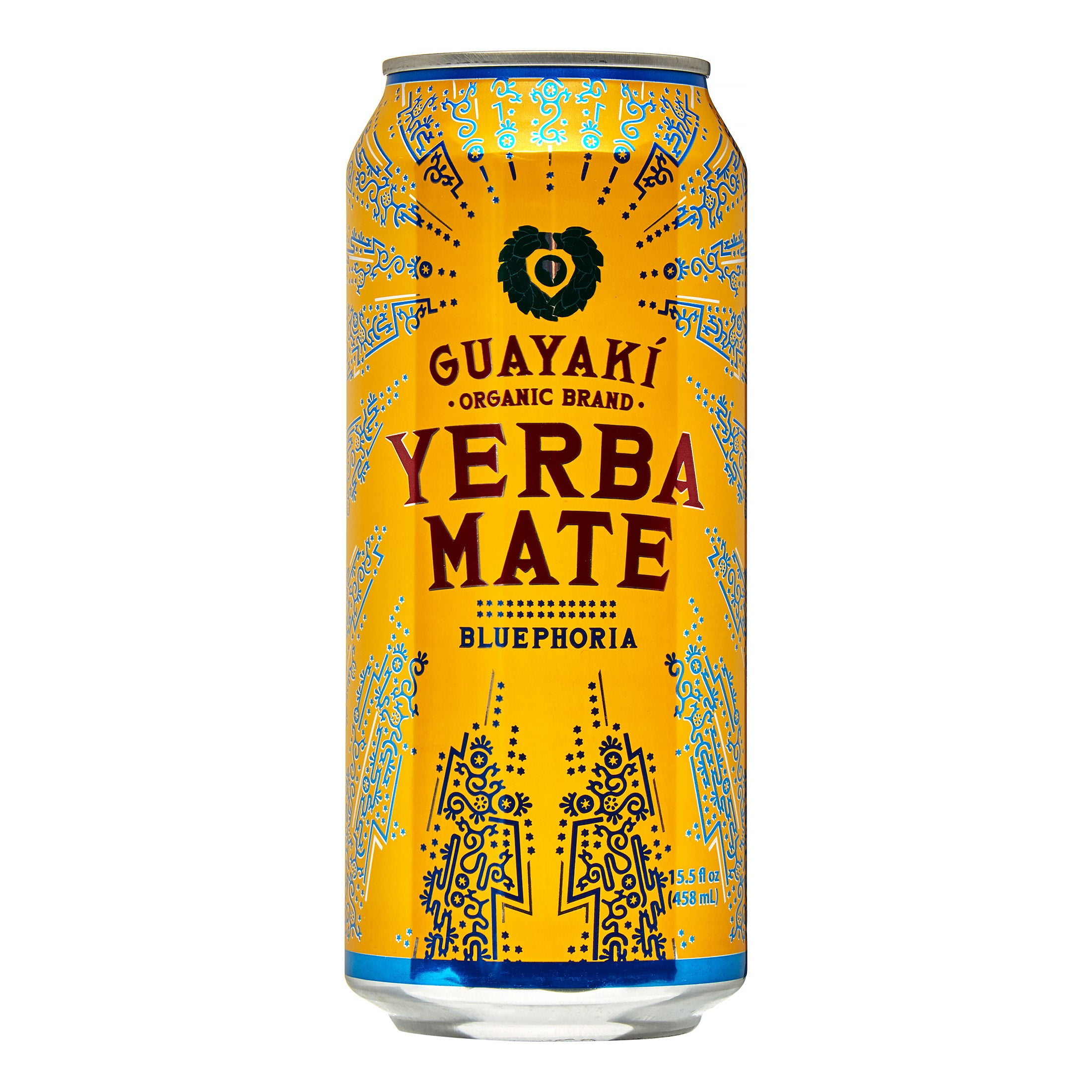
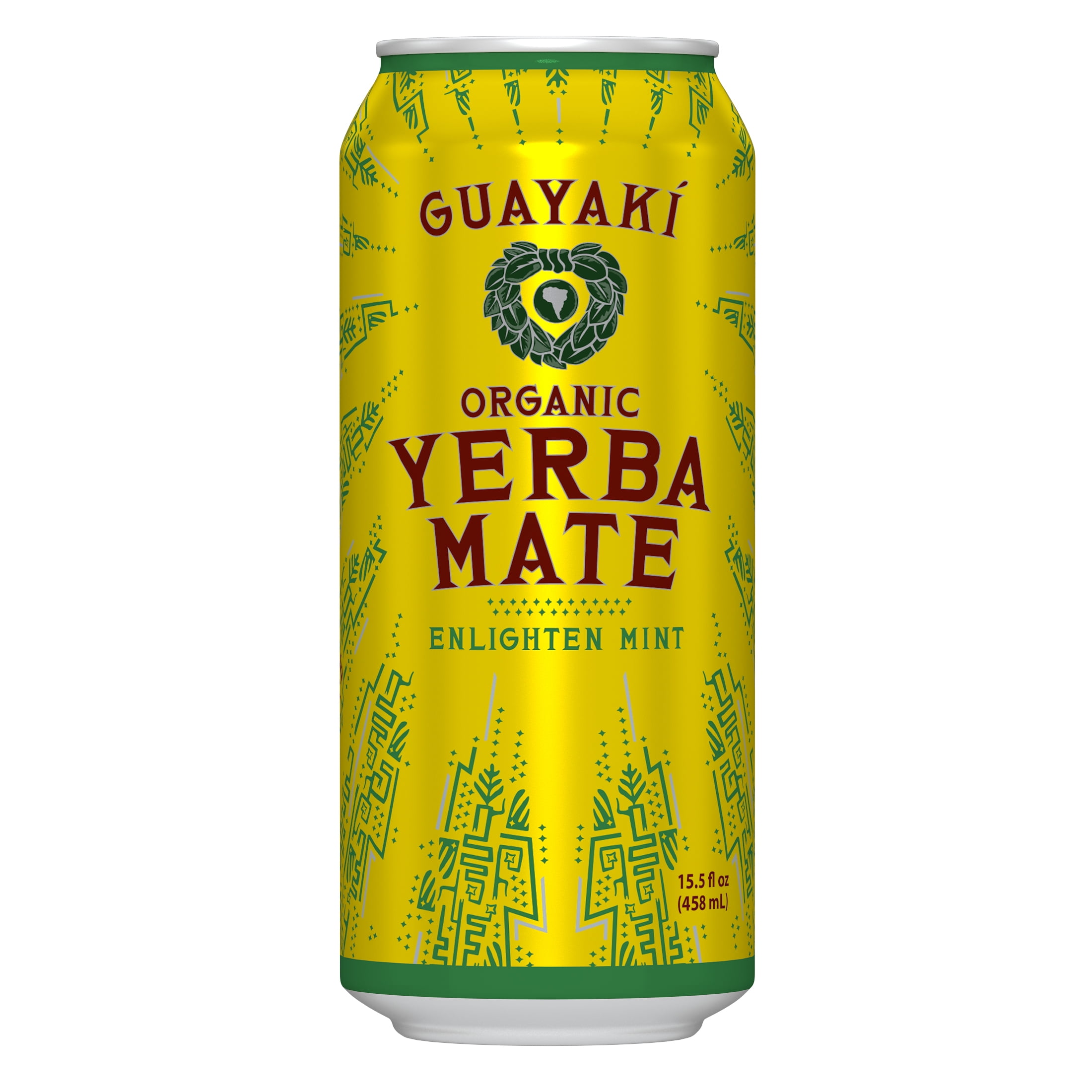
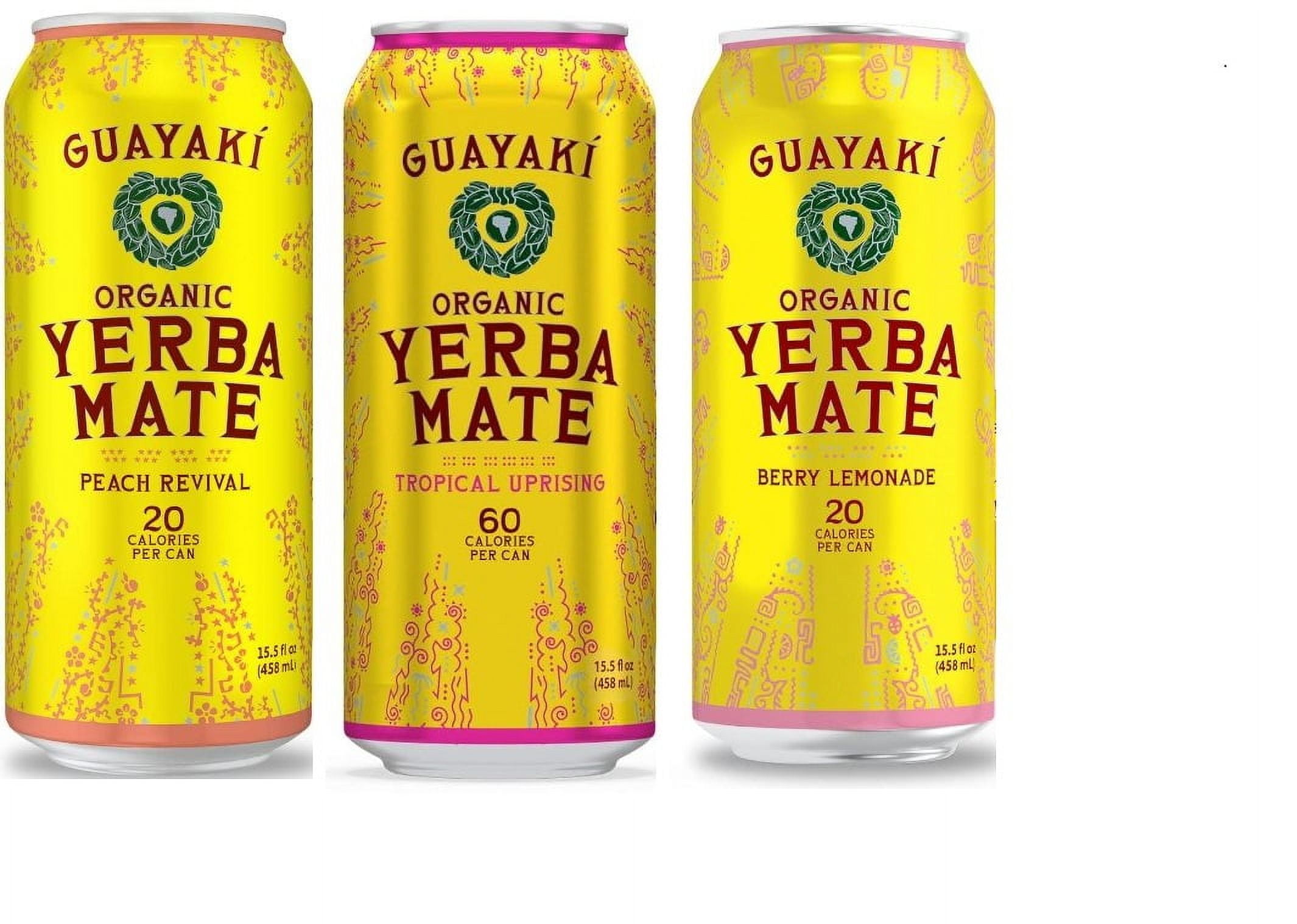
Guayakí offers a diverse array of yerba mate products designed to accommodate various consumer preferences, ranging from traditional loose-leaf infusions to convenient, ready-to-drink options. Each product variant maintains organic certification and Fair Trade validation where applicable.
| Product Category | Description | Primary Characteristics |
|---|---|---|
| Ready-to-Drink (RTD) | Cans and bottles of brewed yerba mate combined with juices, herbs, and sweeteners. | Refrigerated, carbonated or non-carbonated, moderate caffeine content (approx. 80–150 mg per serving). |
| Traditional Loose Leaf | Dried and aged chopped mate leaves and stems intended for brewing in a gourd (guampa) with a metal straw (bombilla). | Unsweetened, ritualistic preparation, high concentration of antioxidants and natural compounds. |
| Mate Bags | Convenient tea bags containing crushed yerba mate for standard hot or iced brewing. | Quick preparation, versatile flavor profiles, accessible entry point for new consumers. |
| Energy Shots | Concentrated liquid extracts formulated for rapid consumption and heightened alertness. | High-potency caffeine, portable format, minimal ingredients. |
Nutritional Profile and Functional Benefits
Yerba mate is frequently celebrated for offering what many consumers describe as a balanced source of energy. Biochemically, an infusion of yerba mate contains a unique combination of xanthines—including caffeine, theobromine (found also in chocolate), and theophylline. This trifecta provides a sustained, alert stimulant effect without the sharp spikes and subsequent crashes commonly associated with synthetic energy drinks or heavy coffee consumption. Additionally, yerba mate is rich in polyphenols, amino acids, vitamins (such as vitamins A, C, E, B1, B2, niacin, and B5), and essential minerals like calcium, iron, and magnesium.
Corporate Governance and Certifications
To maintain accountability, Guayakí operates under rigorous third-party certifications and legal corporate structures. These frameworks ensure that environmental and social claims are verified by independent regulatory bodies rather than relying solely on corporate marketing.
Certified B Corporation Status
Guayakí is a Certified B Corporation, a designation administered by the non-profit network B Lab. To achieve and maintain B Corp status, companies must meet high standards of verified social and environmental performance, public transparency, and legal accountability. The assessment evaluates a company’s impact on its workers, customers, community, and environment. Guayakí routinely undergoes re-evaluation to ensure continuous improvement and adherence to these rigorous performance thresholds.
Fair Trade and Organic Standards
The company's agricultural supply chain complies with internationally recognized organic standards, prohibiting the use of genetically modified organisms (GMOs) and synthetic agrochemicals. Additionally, Fair Trade USA certification verifies that farmers and workers operate in safe conditions, earn fair wages, and benefit from community development funds generated by product sales.
Criticisms, Operational Challenges, and Industry Context
While Guayakí has achieved notable commercial success and industry-leading environmental credentials, operating a regenerative supply chain presents ongoing operational challenges. Understanding these complexities provides a balanced perspective on the company's market position.
Supply Chain Scaling and Price Points
Scaling a shade-grown, organic agroforestry model is inherently more expensive and logistically complex than sourcing from industrial monoculture plantations. Consequently, Guayakí products often carry a higher retail price point than conventional energy drinks or mass-market teas. This price differential can limit accessibility for budget-conscious consumers. Additionally, maintaining consistency in flavor profile and leaf quality across harvests influenced by changing weather patterns and ecological preservation mandates requires sophisticated supply chain management.
Environmental Footprint of Packaging
Like all beverage companies distributing bottled and canned goods, Guayakí faces the challenge of minimizing the environmental impact of its packaging. While the company utilizes aluminum cans and glass bottles—materials with high recycling rates—the extraction, manufacturing, and transport of these containers still generate a carbon footprint. The company continues to explore lightweight packaging options and regional distribution networks to mitigate freight-related emissions.
Frequently Asked Questions
What makes Guayakí different from other energy drink companies?
Unlike conventional energy brands that rely on synthetic caffeine, artificial sweeteners, and industrial supply chains, Guayakí uses organic, shade-grown yerba mate. Its business model actively funds Atlantic Rainforest restoration and ensures fair wages for indigenous harvesting communities through a certified regenerative framework.
How much caffeine is in a can of Guayakí yerba mate?
Most ready-to-drink Guayakí cans contain between 80 and 150 milligrams of caffeine per serving, depending on the specific product line and size. This is roughly comparable to a cup of coffee or a strong cup of tea, though many consumers report a smoother energetic experience due to the presence of theobromine.
Is Guayakí yerba mate organic and Fair Trade?
Yes. Guayakí products hold organic certifications from recognized authorities, ensuring no synthetic pesticides or fertilizers are used. Many product lines are also Fair Trade certified, guaranteeing that workers and farmers receive equitable compensation and safe working conditions.
Can drinking yerba mate support weight management or focus?
Yerba mate contains caffeine and polyphenols that may support metabolic function and sustained mental alertness. However, like any dietary beverage, its effects depend on individual physiology, overall diet, and lifestyle factors.
Where does Guayakí source its yerba mate?
Guayakí sources its yerba mate primarily from smallholder farmers and indigenous communities living in the Atlantic Rainforest regions of Argentina, Paraguay, and southern Brazil, where the plants thrive under natural forest canopies.
Conclusion and Next Actions
Guayakí demonstrates that commercial enterprises can successfully integrate ecological restoration and social equity into their core business models. For consumers seeking an alternative to synthetic energy drinks, exploring Guayakí's certified organic, shade-grown product line offers a tangible way to support rainforest regeneration. When purchasing, look for certified B Corp and Fair Trade labels to ensure product authenticity, and consider starting with traditional loose-leaf brewing or ready-to-drink options based on personal lifestyle preferences.
Image Gallery