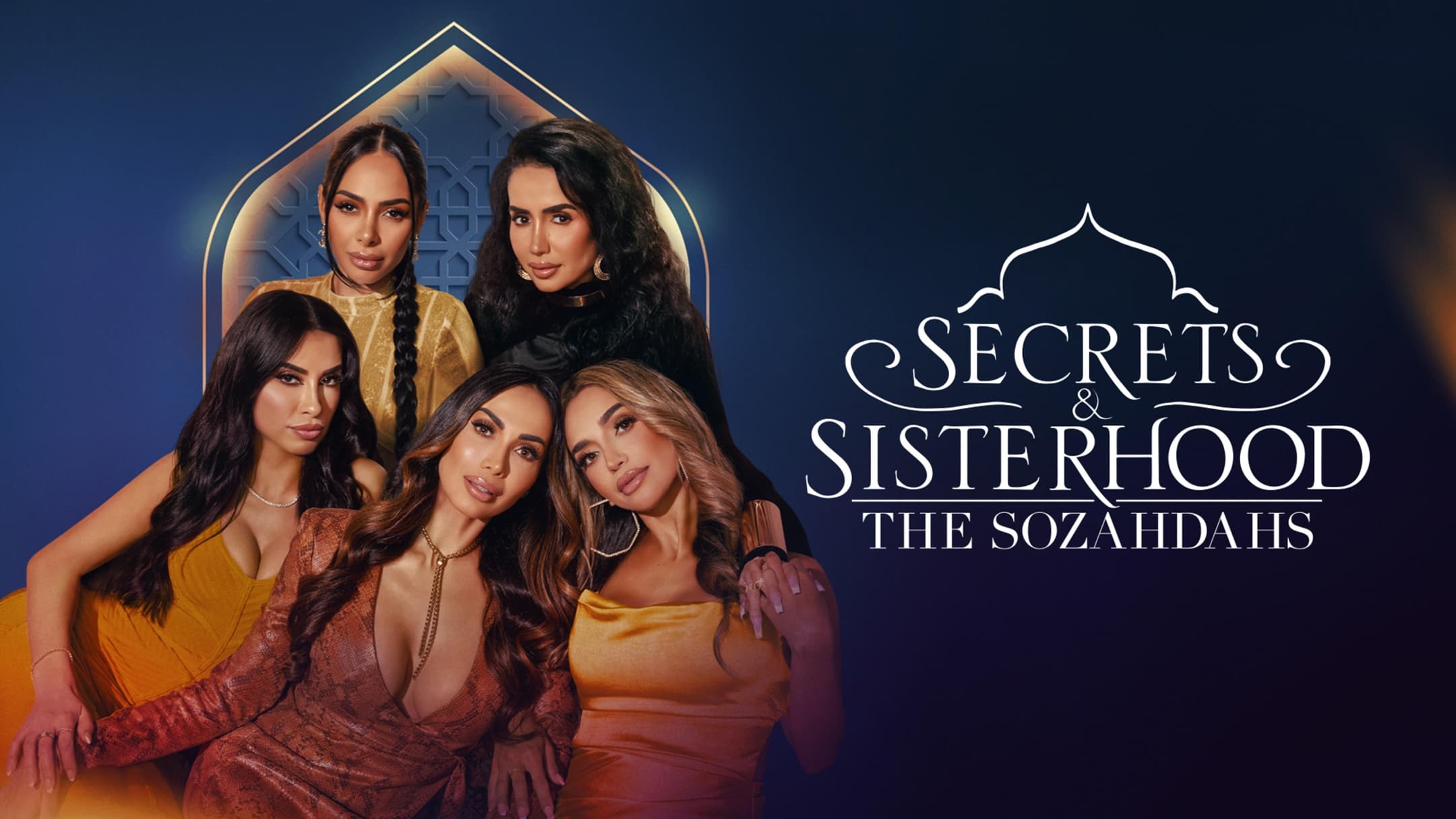
Why the Sozahdahs Dominate Hulu’s Secrets and Sisterhood
The Sozahdah sisters dominate Hulu’s Secrets & Sisterhood by leveraging a rare combination of high-volume ensemble dynamics, deep cultural friction, and the "Kardashian-style" reality architecture. With ten distinct personalities, they...
The Sozahdah sisters dominate Hulu’s Secrets & Sisterhood by leveraging a rare combination of high-volume ensemble dynamics, deep cultural friction, and the "Kardashian-style" reality architecture. With ten distinct personalities, they provide a multi-layered narrative that balances traditional Afghan-American values against modern Los Angeles lifestyles, ensuring constant narrative momentum and high viewer engagement.
Contents
The Power of Ten: An Unprecedented Ensemble Dynamic
One of the primary reasons the Sozahdahs dominate the screen is the sheer scale of their family. In the world of reality television, the "ensemble cast" is a proven winner, but rarely does a show center on ten biological sisters. From a production standpoint, having ten protagonists ensures that there is never a "dry" episode. If one sister is experiencing a lull in her personal life, there are nine others with active conflicts, professional ventures, or romantic developments to fill the void.
This "Power of Ten" creates a self-sustaining ecosystem of drama. Unlike shows that rely on a group of loosely connected friends who must be manufactured into social situations, the Sozahdahs are bound by blood. Their interactions are organic, and their history goes back decades. This allows the show to bypass the "getting to know you" phase typical of first seasons and dive straight into deep-seated rivalries and alliances.
The Hierarchy of the Sisters
The dominance is also structured through a clear hierarchy. The older sisters often take on matriarchal roles, attempting to enforce traditional values, while the younger sisters push for independence. This vertical tension between generations—within the same sibling group—provides a relatable yet heightened experience for the audience. By 2026, this dynamic has been cited by media analysts as the blueprint for "dynastic reality programming," where the family unit acts as both the cast and the primary source of conflict.
Navigating Cultural Duality: The "Halal vs. Haram" Tension
A significant factor in why the Sozahdahs dominate the cultural conversation is their unique positioning as Afghan-American Muslim women living in Los Angeles. The show, Secrets & Sisterhood, explores the "double life" that many first- and second-generation immigrants navigate. This duality is the engine that drives the show’s most compelling storylines.
Traditional Roots vs. Modern Reality
The sisters represent a broad spectrum of religious and cultural observance. Some sisters lean into their Muslim faith and traditional Afghan heritage, while others embrace the "socialite" lifestyle of Hollywood. This creates an internal friction that is both "brave" and "controversial" within their community.
- The Protectors: Older sisters who feel the weight of the family's reputation (their "izzat").
- The Rebels: Younger sisters who challenge the status quo regarding dating, career choices, and social habits.
This tension isn't just for show; it reflects a genuine struggle for identity. By showcasing these internal battles, the Sozahdahs dominate the narrative by being more than just "famous for being famous." They represent a demographic that has historically been underrepresented or misrepresented in American media, making their presence on a platform like Hulu culturally significant.
The "Secrets" Mechanism as a Narrative Driver
The title Secrets & Sisterhood is not accidental. The show’s structure is built around the revelation of hidden truths that threaten the family's carefully curated image. The Sozahdahs dominate because they are willing to weaponize—or at least expose—these secrets for the sake of the story.
In many reality shows, secrets are external (a cheating scandal or a financial crisis). In the Sozahdah universe, secrets are often internal cultural transgressions. A sister may be hiding a relationship, a career change, or a lifestyle choice that contradicts the family’s public-facing values. Because the stakes involve potential estrangement or community backlash, these "secrets" carry more weight than typical reality TV tropes.
Strategic Transparency
The sisters’ willingness to be vulnerable on camera is a strategic move that establishes a deep bond with the audience. In a media landscape where viewers crave authenticity (or a convincing facsimile of it), the Sozahdahs’ willingness to argue about deep-seated trauma and cultural expectations makes them dominant figures in the genre. They don't just exist on screen; they challenge the audience's perceptions of what a "traditional" family looks like in the 21st century.
Comparative Analysis: The Sozahdahs vs. Other Reality Dynasties
To understand their dominance, it is helpful to compare the Sozahdahs to other successful reality TV families. This comparison highlights their unique selling points and why they have maintained longevity into 2026.
| Feature | The Sozahdahs (Hulu) | The Kardashians (Hulu/E!) | The Braxtons (WE tv) |
|---|---|---|---|
| Cast Size | 10 Sisters | 5 Sisters + Matriarch | 5 Sisters + Matriarch |
| Primary Conflict | Cultural Duality / Tradition | Fame / Business / Romance | Music Career / Sibling Rivalry |
| Unique Angle | Muslim-American Representation | Lifestyle Aspiration | R&B Industry Dynamics |
| Narrative Focus | The "Secret" reveals | Brand building | Family legacy |
| Audience Reach | Global / Multi-cultural | Global / Mass Market | Domestic / Urban |
As shown in the table, the Sozahdahs offer a larger cast and a more specific cultural hook than their predecessors. While the Kardashians focus on the accumulation of wealth and influence, the Sozahdahs focus on the retention of family bonds despite radical differences in lifestyle.
Production Value and the "Hulu Effect"
The dominance of the Sozahdahs is also a result of Hulu’s high-end production standards. The show is shot with a cinematic aesthetic that mirrors the glossy, high-fashion world of Los Angeles. This "packaging" elevates the family from a group of siblings to a premium entertainment brand.
Visual Storytelling and Branding
Every sister has a distinct "brand" or archetype that is reinforced through editing and social media integration.
- The Professional: Sisters focused on their medical or business careers.
- The Influencer: Sisters who leverage their looks and social presence.
- The Matriarch: The sister who attempts to keep the peace.
Hulu’s marketing machine has leaned heavily into these archetypes, making the Sozahdahs unavoidable for anyone within the reality TV algorithm. By 2026, the sisters have successfully parlayed their show dominance into individual ventures, including beauty lines, fashion collaborations, and philanthropic foundations, much like the path carved by earlier reality stars but with a distinct emphasis on their heritage.
Why the "Sisterhood" Component Matters
The "Sisterhood" half of the title is the emotional anchor of the show. While the "Secrets" provide the drama, the "Sisterhood" provides the resolution. The Sozahdahs dominate because, despite the screaming matches and the cultural clashes, they always return to the core value of family.
In an increasingly polarized world, the image of ten women supporting each other—even when they fundamentally disagree—is a powerful message. This "unconditional bond" is what keeps viewers coming back. The audience isn't just watching for the tea; they are watching to see if the family can survive the "secrets" they reveal. This emotional stakes-testing is a hallmark of the most successful reality franchises in history.
Common Questions Regarding the Sozahdah Sisters
Who are the ten Sozahdah sisters? The sisters include Shakur, Halimah, Khadija, Rabya, Muzhal, Jamila, Siddiqa, Nooreya, Hamida, and Shaheen. Each brings a different perspective to the show, ranging from conservative and traditional to modern and secular, which fuels the central conflict of the series.
Is Secrets & Sisterhood scripted or real? Like most reality television, the show is "produced," meaning the sisters are placed in specific situations to encourage interaction. However, the emotional reactions and the long-standing family history are genuine. The "secrets" explored on the show are based on the real-life experiences and cultural struggles of the sisters.
Where can I watch the Sozahdahs in 2026? The series remains a staple of the Hulu original library. Depending on your region, it may also be available via Disney+ or localized streaming partners that carry Hulu content. The sisters have also expanded their presence to various social media platforms where they provide behind-the-scenes updates.
What is the "Big Secret" mentioned in the show? The "Big Secret" often refers to a specific revelation involving one of the sisters that could potentially bring shame to the family name or disrupt the sibling hierarchy. Because the show revolves around the tension between public image and private reality, these secrets are revealed strategically throughout the seasons to maintain narrative tension.
Summary of the Sozahdah Influence
The Sozahdahs dominate Secrets & Sisterhood because they represent the intersection of three powerful media forces: a massive, built-in ensemble cast, a timely and significant cultural narrative, and a high-stakes "secrets" format. They have successfully filled a niche in the market for diverse, high-drama family content that feels both aspirational and grounded in real-world cultural struggles.
For viewers looking to understand the modern reality TV landscape, the Sozahdahs are the definitive example of how a family can turn personal vulnerability and cultural friction into a global media brand. Their dominance is not just a result of their numbers, but their willingness to confront the most difficult aspects of their lives in front of a global audience.
Practical Action: To fully appreciate the narrative arc of the Sozahdah sisters, new viewers should begin with Season 1, Episode 1. This provides the necessary context for the "traditional vs. modern" split that defines every subsequent conflict. Pay close attention to the age order of the sisters, as much of the dominance and power dynamics are rooted in their birth order and their respective roles within the family hierarchy.
Image Gallery