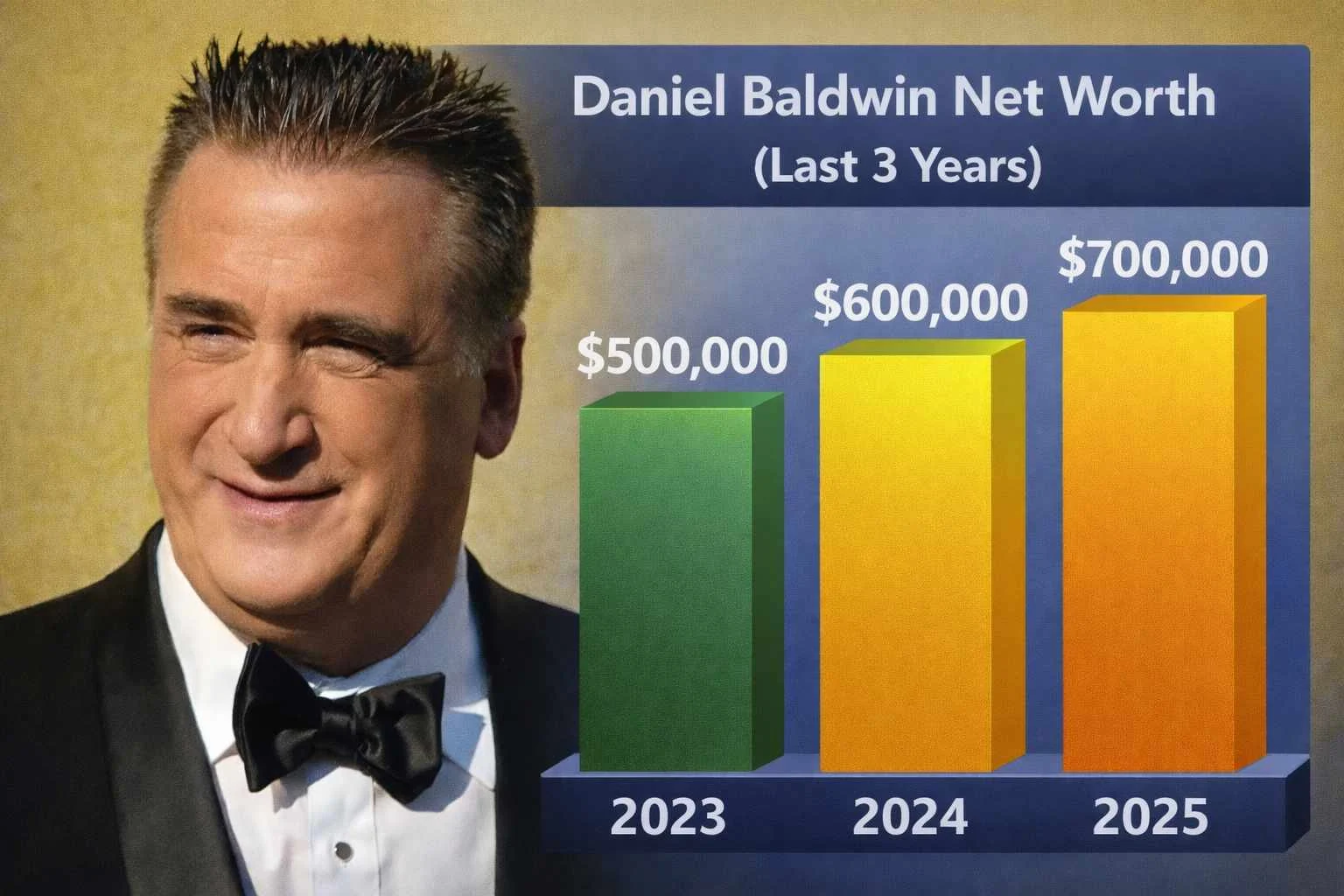
Dan Pastrana Net Worth Explained for Investors: A Reality Check
Dan Pastrana’s financial standing is frequently the subject of speculation within retail investment circles, yet his verified net worth remains private, as he does not hold a position in a publicly traded entity requiring SEC disclosur...
Dan Pastrana’s financial standing is frequently the subject of speculation within retail investment circles, yet his verified net worth remains private, as he does not hold a position in a publicly traded entity requiring SEC disclosures. Investors looking to evaluate his influence must distinguish between his documented professional activities and the speculative data often found on non-verified social media platforms.
Contents
Distinguishing Public Records from Market Speculation
For professional investors and market analysts, the term "net worth" often serves as a proxy for the level of risk, experience, and capital allocation capacity an individual brings to a specific sector. In the case of Dan Pastrana, the lack of public filings means that there is no regulatory paper trail to verify his total assets or liabilities.
When conducting due diligence on figures who lack institutional transparency, investors should avoid relying on "net worth" websites. These aggregators typically use proprietary, non-validated algorithms to estimate wealth based on web traffic, digital influence, and generic industry averages. These numbers are rarely, if ever, audited by financial institutions. If you are assessing Pastrana as a partner, stakeholder, or influencer in a specific venture, you should focus on verifiable metrics: his directorships, involvement in registered business entities, and his documented track record in specific industries.
The Investor’s Framework for Due Diligence
When a public figure’s financial status is obscured, investors often pivot to a "functional valuation" approach. This involves evaluating the entity’s operational output rather than personal wealth. To perform this effectively, consider the following checklist when investigating private individuals:
- Business Registry Verification: Search state and federal corporate databases (such as the Secretary of State’s business search or the SEC’s EDGAR database) to identify registered companies where the subject serves as an officer or significant shareholder.
- Entity-Level Audits: If the entity is a private limited company (LLC) or a corporation, look for public press releases regarding funding rounds, asset acquisitions, or operational scale.
- Third-Party Professional References: In high-stakes investment, institutional reputation is often the primary metric of value. Determine if the individual has established partnerships with regulated financial entities, law firms, or venture capital groups.
- Public Speaking and Intellectual Property: Evaluate the content of their professional contributions. High-level investors often communicate through white papers, regulatory testimony, or verified speaking engagements, which provide a better indicator of their specific industry expertise than estimated dollar amounts.
The Perils of Algorithmic Wealth Estimation
The practice of assigning a net worth to a private citizen based on digital footprint is increasingly unreliable in the modern economy. These estimates often fall into a trap known as "the influencer bias," where an individual's digital presence (social media following, podcast appearances, or online courses) is mistakenly equated with high net worth.
For an investor, this can lead to a fundamental misreading of risk. A person with high digital influence may have limited liquidity, high leverage, or minimal equity in the projects they promote. Conversely, individuals with significant tangible assets—such as real estate holdings, private equity stakes, or agricultural land—often maintain a low digital profile. By relying on unverifiable online estimates, you risk conflating marketing reach with capital power.
Comparative Analysis: Institutional vs. Individual Wealth
To provide context on how individuals manage and display wealth, the following table compares different asset structures commonly found among high-net-worth individuals and how they relate to investor transparency.
| Asset Type | Transparency Level | Verification Source |
|---|---|---|
| Publicly Traded Equity | High | SEC Form 4 Filings |
| Commercial Real Estate | Moderate | County Property Records |
| Private Equity Stakes | Low | Legal Disclosures / Prospectus |
| Digital/Brand Influence | Very Low | Unverified Aggregator Sites |
| Liquid Assets (Cash) | None | Non-public (Private Audits Only) |
Analyzing Professional Impact Beyond Net Worth
Instead of focusing on a specific dollar amount, professional investors should evaluate the strategic value of an individual's network and operational history. If Dan Pastrana’s work involves guiding investors, the pertinent questions change from "What is his net worth?" to "What is his verifiable history of capital management?"
Focus on these areas to determine professional alignment:
- Operational History: Has the individual successfully navigated market downturns?
- Regulatory Standing: Are there any public records of sanctions, legal disputes, or regulatory warnings associated with their business ventures?
- Asset Allocation Philosophy: Does their publicly stated philosophy align with your risk tolerance and long-term financial objectives?
Addressing Common Questions
Does Dan Pastrana have a disclosed net worth in regulatory filings? No. Dan Pastrana does not serve as an executive or director of a publicly traded company that would require him to disclose personal wealth or compensation packages via the SEC or similar international regulatory bodies.
Why do some websites claim he has a specific net worth? Most websites that provide specific net worth figures for private individuals rely on automated data scraping and estimations that lack empirical verification. These figures should be treated as speculative guesses rather than audited financial facts.
What is the best way to verify someone’s business capacity? Verify their business capacity through official government business registries, LinkedIn endorsements from verified industry professionals, and reviews of their previous contributions to industry literature or public projects.
Should net worth be a primary factor in choosing an investment guide? No. A person's personal wealth does not necessarily correlate with their ability to provide accurate or profitable financial advice. Expert knowledge, legal compliance, and a verifiable track record of success are more reliable indicators of professional competence.
What are the risks of following "wealth-based" advice? The primary risk is the "survivorship bias" or "celebrity halo effect." Assuming someone is an expert because they are reported to have wealth can blind an investor to the actual financial risks, regulatory compliance issues, or lack of institutional backing of the specific opportunity being promoted.
Final Recommendation for Investors
When encountering figures like Dan Pastrana in the investment landscape, shift your focus from estimations of personal wealth to the verifiability of their business operations. Access, requirements, and historical performance are the only metrics that provide actionable intelligence for your portfolio.
Before committing capital or following professional guidance, conduct a formal background check using public business registries and verify any claims of corporate leadership through official SEC or local commercial filings. If an entity or individual refuses to provide transparent, documentable evidence of their operational history, treat the opportunity with extreme caution. Professional due diligence is not about checking a person's bank balance; it is about verifying their ability to deliver on the commitments they have made to the market.
Image Gallery