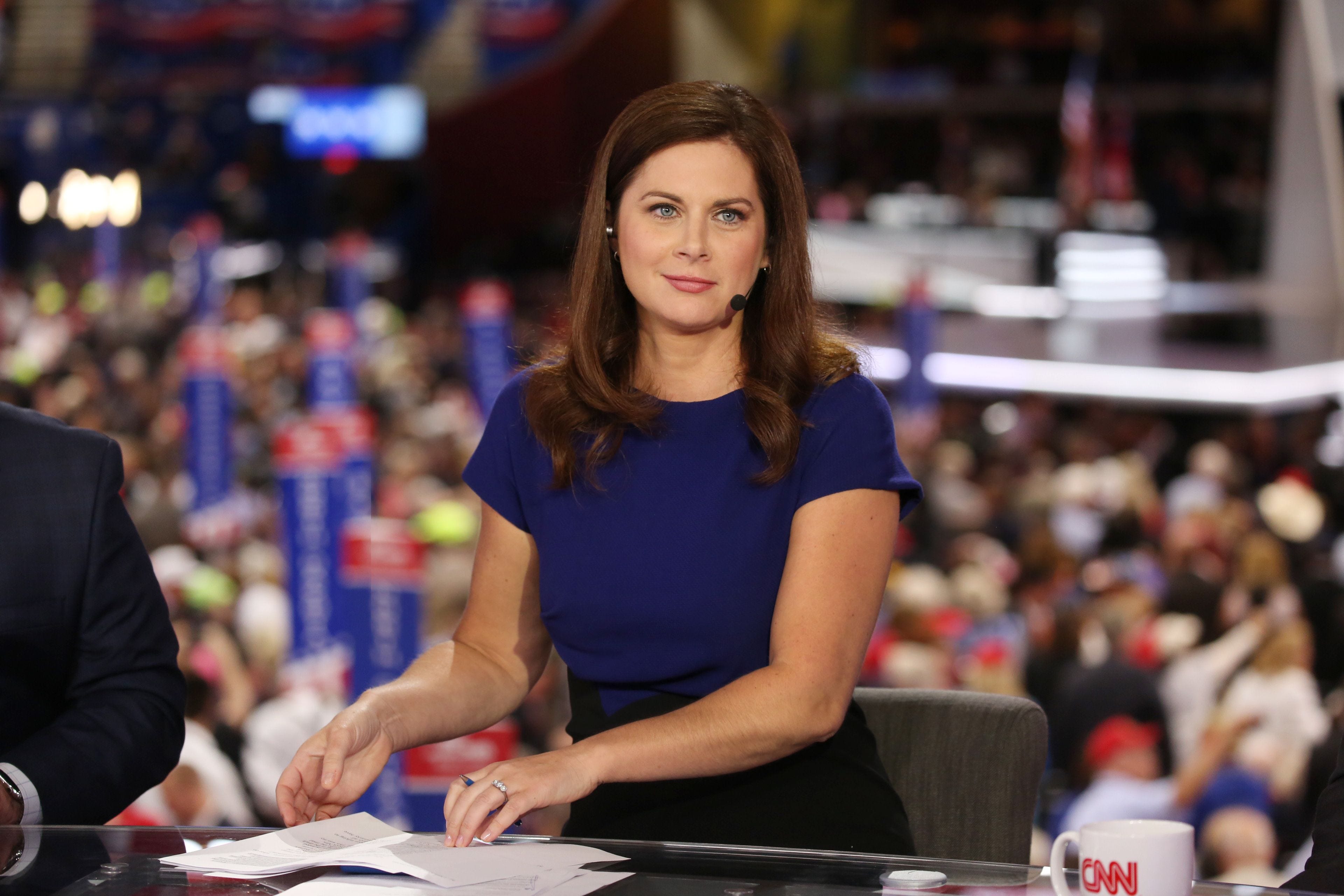
CNN Announcers and Anchors Guide: 2026 Roster, Roles, and Broadcast Standards
The landscape of cable news broadcasting has shifted dramatically, making the roster of CNN announcers, anchors, and correspondents a focal point for viewers seeking real-time global journalism in 2026. Understanding who delivers the n...
The landscape of cable news broadcasting has shifted dramatically, making the roster of CNN announcers, anchors, and correspondents a focal point for viewers seeking real-time global journalism in 2026. Understanding who delivers the news, how anchor desks are structured, and what separates a network correspondent from a specialized commentator helps media consumers navigate modern television news. This comprehensive guide breaks down the current lineup, broadcast mechanics, industry standards, and the operational reality behind the screen at Cable News Network.
Contents
The Evolution of the CNN Anchor Desk in 2026
Modern cable news requires a distinct set of skills compared to legacy broadcasting eras. Today's CNN announcers must process breaking international stories, manage split-screen debates, and cross-reference digital verification metrics in real time. The 2026 programming schedule features a refined blend of seasoned veterans and specialized beat reporters who transition seamlessly from morning editions to late-night analysis.
Broadcast schedules are anchored by structural shifts designed to capture both domestic policy updates and international developments. The primary goal of any lead anchor is maintaining editorial neutrality while driving high-stakes interviews.
- Morning Programming: Focused on breaking overnight developments, financial market openings, and early political talking points.
- Daytime Coverage: Driven by hard news, live court proceedings, congressional hearings, and international dispatches from global bureaus.
- Prime-Time Analysis: Characterized by deep-dive investigative reporting, panel discussions, and expert commentary on policy implications.
Key Personalities and Beat Specializations
CNN maintains a vast network of talent categorized by their specific areas of expertise. Knowing who covers what helps viewers identify the analytical depth of a given broadcast segment. The network relies on both studio-bound anchors and field-based correspondents who deploy to global hotspots.
Political Correspondents and Capitol Hill Anchors
Political reporting remains the backbone of 24-hour news networks. Anchors assigned to this beat maintain continuous contact with legislative aides, executive branch officials, and campaign strategists. Their primary responsibility is translating complex legislative texts and administrative policy changes into digestible segments for the viewing public.
International Bureau Chiefs and Foreign Correspondents
Global news delivery requires anchors and announcers with deep regional knowledge and language proficiencies. CNN's international correspondents operate out of major hubs including London, Hong Kong, Jerusalem, and Tokyo, providing firsthand accounts of geopolitical conflicts, economic shifts, and humanitarian crises.
Specialized Beat Reporters
Beyond politics and war zones, dedicated announcers cover specialized verticals that impact daily life:
- Legal Affairs: Translating Supreme Court rulings, federal indictments, and high-profile criminal trials.
- Economic and Financial Markets: Tracking Federal Reserve policy, inflation data, and Wall Street volatility.
- National Security and Defense: Reporting on intelligence community updates, cyber warfare, and military operations.
Comparative Overview of Broadcast Roles
To understand how news reaches the screen, it is essential to differentiate between the various titles used within the broadcast industry. Each role carries specific duties, technical requirements, and editorial responsibilities.
| Broadcast Role | Primary Responsibility | Operational Environment | Key Technical Skills Required |
|---|---|---|---|
| Lead News Anchor | Directs show flow, conducts high-level interviews, delivers top-of-hour headlines. | Main Studio (Atlanta, Washington D.C., New York) | Teleprompter proficiency, live ad-libbing, earpiece cue management. |
| Field Correspondent | Reports live from news sites, disaster zones, or political events. | On-location / Mobile Uplink Units | Crisis management, concise summarization under pressure. |
| Beat Analyst | Provides deep context and technical interpretation of niche topics. | Studio or Remote Satellite Link | Subject matter expertise, data visualization comprehension. |
| Voiceover Announcer | Records station IDs, segment transitions, and promotional tags. | Audio Booth / Isolated Studio | Vocal modulation, timing precision, script cold-reading. |
Behind the Scenes: The Technical Workflow of a Live Broadcast
The seamless delivery executed by CNN announcers is the result of a highly synchronized technical operation. Viewers see a polished face on screen, but the production ecosystem involves dozens of moving parts operating under strict millisecond timelines.
- Editorial Planning Meetings: Senior producers and anchors review wire services, social media verification feeds, and developing global events to build the day's rundowns.
- Scripting and Teleprompter Loading: Writers draft copy reflecting the latest verified facts, which is then formatted into prompter software controlled manually by a studio technician.
- Control Room Coordination: The Director calls camera angles, switches live video feeds, and cues graphic overlays while the Executive Producer monitors editorial accuracy.
- Talent Execution: The anchor reads the prompter while listening to the control room director via an IFB (Interruptible Foldback) earpiece, ready to pivot instantly when breaking news forces a change in script.
Industry Standards and Journalistic Ethics
Working as a lead announcer or correspondent for a global news network demands strict adherence to professional ethics. In an era marked by rapid information flow and digital misinformation, the credibility of a legacy network rests on verifiable reporting protocols.
Core Journalistic Mandates:
Verification Standards: Every breaking news claim must be corroborated by at least two independent primary sources before an anchor can state it as confirmed fact on air.
Correction Protocols: If inaccurate information is broadcast during a live segment, anchors are trained to issue a transparent, real-time correction as soon as verified data becomes available.
Conflict of Interest Disclosures: On-air commentators and financial analysts must disclose any professional or personal ties to corporations, political entities, or institutions discussed during segments.
Frequently Asked Questions About CNN Announcers
Who are the primary anchors for CNN's prime-time lineup?
CNN's prime-time lineup features prominent journalists and analysts who host flagship discussion and news programs. These anchors change periodically based on network programming updates and major event coverage.
How do CNN anchors prepare for breaking news events?
Anchors rely on continuous feeds from wire services, direct communication with field producers, and real-time updates from the network's assignment desks. They receive vetted talking points and background briefs in their earpieces and studio monitors while live on air.
What is the difference between an anchor and a correspondent?
An anchor primarily hosts shows from a studio desk, managing the broadcast flow and interviewing guests. A correspondent typically reports from the field, traveling to physical locations where news events are unfolding.
Do CNN announcers write their own scripts?
While show segments are heavily supported by teams of segment producers and staff writers, lead anchors actively edit, rewrite, and customize copy to match their individual broadcast voice and ensure personal editorial accuracy.
How can viewers contact CNN regarding on-air reporting or broadcast errors?
Viewers can submit feedback, corrections, or inquiries through the official CNN audience relations portal on their website, which routes messages directly to the network's standards and practices department.
Securing Accurate Media Insights
Navigating the 24-hour news cycle requires media literacy and an understanding of how broadcast professionals curate information. By recognizing the specific roles of anchors, correspondents, and technical production teams, viewers can better evaluate the depth and context of the news stories that shape our global reality. Stay informed by cross-referencing live broadcast reporting with primary source documents and verified institutional updates.
Image Gallery