Why the 2024 Toyota Sienna Price Matters for Families
The 2024 Toyota Sienna price matters for families because it represents the baseline for high-efficiency, long-term value in the minivan segment. As a hybrid-only vehicle, its initial cost is offset by significant fuel savings, industr...
The 2024 Toyota Sienna price matters for families because it represents the baseline for high-efficiency, long-term value in the minivan segment. As a hybrid-only vehicle, its initial cost is offset by significant fuel savings, industry-leading resale value, and a comprehensive suite of standard safety features that minimize long-term ownership expenses.
Contents
For families navigating the automotive market in 2026, the 2024 Toyota Sienna remains a pivotal touchstone. When it was released, the 2024 model solidified Toyota’s commitment to an all-hybrid minivan lineup, a move that fundamentally shifted how households calculate the "true cost" of a vehicle. Understanding the pricing structure of this specific model year is essential for families deciding between a late-model used vehicle and a brand-new 2026 alternative.
The Financial Landscape of the 2024 Toyota Sienna
When the 2024 Sienna debuted, its MSRP started at approximately $37,685 for the base LE trim and climbed above $53,000 for the top-tier Platinum edition. In 2026, these figures serve as more than just historical data; they dictate the current valuation of the vehicle on the pre-owned market. Unlike many competitors that see sharp depreciation in the first 24 months, the Sienna has historically maintained a higher percentage of its original value.
The price matters because the Sienna is rarely just a "purchase"—it is an asset. For a family, the upfront cost includes the "Toyota tax," a premium paid for the brand’s reputation for reliability. However, this premium often translates into lower insurance premiums compared to less safe or less reliable counterparts and a much higher trade-in value when the family eventually outgrows the van.
Breakdown of 2024 Trim Levels and Value Propositions
To understand why the price varied so significantly, one must look at what each trim level offered to the modern family. Toyota structured the 2024 lineup to scale from "functional utility" to "near-luxury transport."
- LE Trim: The entry point. It focused on the essentials, offering the hybrid powertrain and Toyota Safety Sense 2.0 as standard. For budget-conscious families, this was the "sweet spot" for ROI.
- XLE Trim: Often considered the most balanced option, adding SofTex-trimmed seats and four-zone climate control. The price jump here was justified by increased interior durability, which is vital for families with young children.
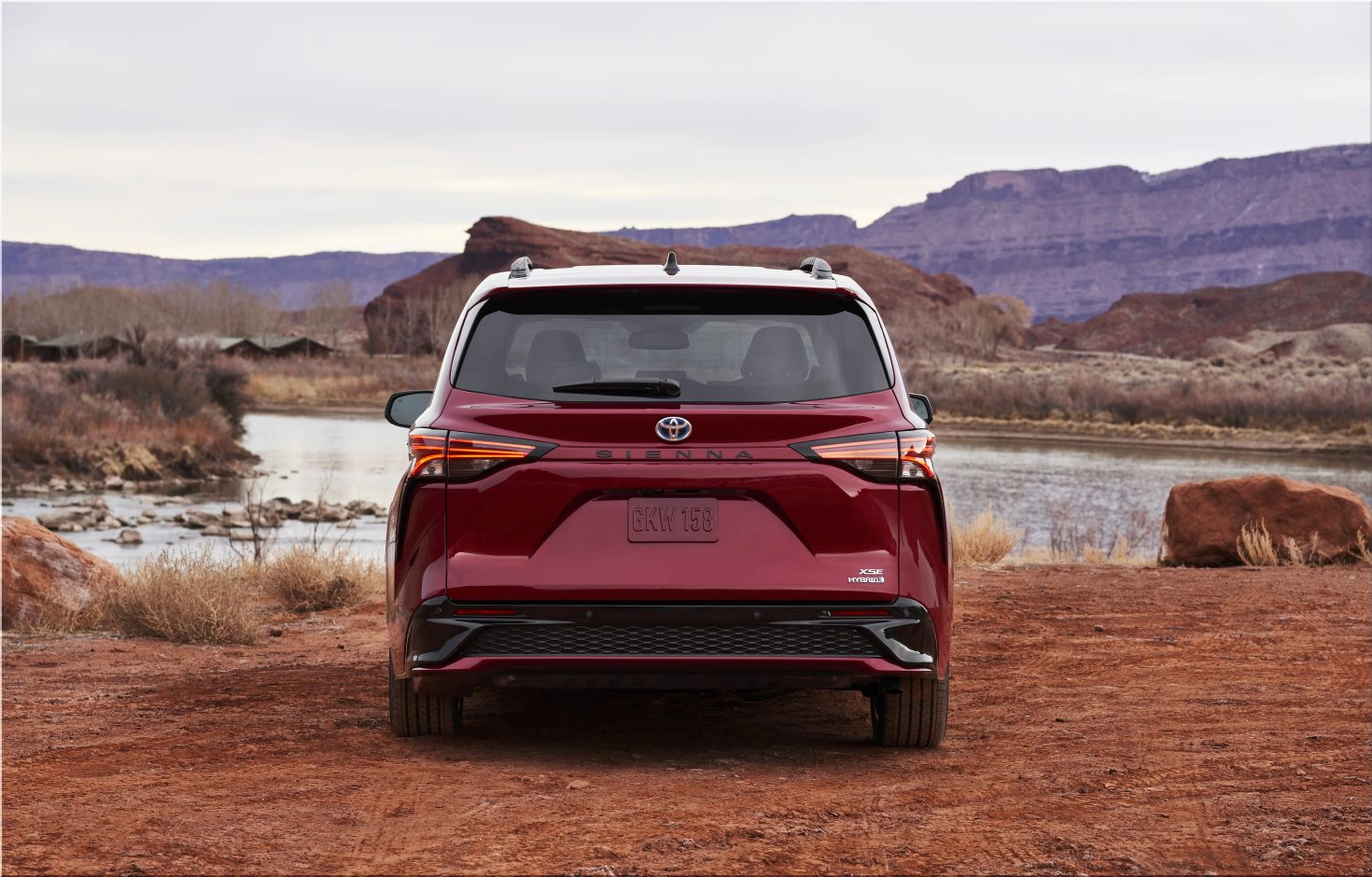
- XSE Trim: Aimed at parents who wanted to avoid the "boring minivan" stigma, featuring sportier styling and 20-inch wheels.
- Woodland Edition: Specifically priced for the outdoorsy family, it included increased ground clearance and standard Electronic On-Demand All-Wheel Drive (AWD).
- Limited and Platinum: These trims pushed the Sienna into the luxury bracket, offering leather-trimmed heated and ventilated seats, a 10-inch color Head-Up Display, and a Bird’s Eye View Camera.
Hybrid Efficiency: Offsetting the Upfront Cost
The most compelling reason the 2024 Sienna price matters is the standard 2.5-liter hybrid powertrain across all trims. In an era of fluctuating fuel prices, the Sienna’s EPA-estimated 36 MPG combined (for Front-Wheel Drive models) provides a predictable and manageable monthly operating cost.
Consider a family that drives 15,000 miles per year. Compared to a traditional V6-powered minivan averaging 22 MPG, a 2024 Sienna owner saves roughly 200 gallons of fuel annually. At an average price of $3.50 per gallon, that is a $700 annual "dividend" returned to the family budget. Over a five-year ownership period, the Sienna effectively "pays back" $3,500 of its initial purchase price through fuel savings alone.
Furthermore, the hybrid system reduces wear on certain components. The regenerative braking system, for instance, takes much of the load off the traditional brake pads and rotors, leading to longer intervals between brake jobs—another hidden saving that makes the initial price tag more palatable.
Standard Safety: The Hidden Discount
For families, the price of a vehicle is inextricably linked to the safety it provides. Toyota included its Safety Sense 2.0 suite as standard equipment on the 2024 Sienna, regardless of the trim price. From a financial perspective, this matters because families do not have to "pay up" for essential life-saving technology.
The suite includes:
- Pre-Collision System with Pedestrian Detection: Helps avoid or mitigate impacts.
- Lane Departure Alert with Steering Assist: Crucial for long family road trips where fatigue can set in.
- Full-Speed Range Dynamic Radar Cruise Control: Reduces the stress of stop-and-go traffic.
- Lane Tracing Assist and Road Sign Assist: Enhances situational awareness.
By making these features standard, the 2024 Sienna price effectively includes several thousand dollars worth of technology that was often relegated to expensive "option packages" by other manufacturers at the time. This standardisation also contributes to lower actuarial risk, which insurance companies often reward with lower monthly premiums for families.
The All-Wheel Drive (AWD) Factor
The 2024 Sienna was one of the few minivans in its class to offer AWD across every single trim level. The price of adding AWD was typically around $2,000 (depending on the trim), which is a significant consideration for families living in the "Snow Belt" or mountainous regions.
The 2024 model utilized an Electronic On-Demand AWD system. Unlike traditional mechanical AWD systems that use heavy driveshafts, Toyota used a separate electric motor to power the rear wheels when extra traction was needed. This design choice meant that choosing AWD only resulted in a negligible drop in fuel efficiency (35 MPG combined vs. 36 MPG). For families, the price of AWD wasn't just the upfront cost; it was the peace of mind knowing the vehicle could handle adverse weather without a massive penalty at the pump.
Comparative Value: Sienna vs. Rivals in 2024
To appreciate the Sienna’s pricing, it must be viewed alongside its primary competitors: the Honda Odyssey, the Chrysler Pacifica, and the Kia Carnival.
| Feature | 2024 Toyota Sienna | 2024 Honda Odyssey | 2024 Chrysler Pacifica (Gas) | 2024 Kia Carnival |
|---|---|---|---|---|
| Powertrain | 2.5L Hybrid (Standard) | 3.5L V6 | 3.6L V6 | 3.5L V6 |
| Combined MPG | 36 MPG | 22 MPG | 22 MPG | 22 MPG |
| AWD Availability | Available on all trims | Not Available | Available (Higher trims) | Not Available |
| Standard Safety | TSS 2.0 (Standard) | Honda Sensing (Standard) | Safety Sphere (Standard) | Kia Drive Wise (Standard) |
| Starting MSRP | ~$37,685 | ~$38,240 | ~$39,600 | ~$33,600 |
The table illustrates that while the Kia Carnival offered a lower entry price, the Sienna provided a hybrid powertrain as standard, whereas the Pacifica required a significant price jump to reach its Plug-in Hybrid (PHEV) variant. The Honda Odyssey, while legendary for its handling, could not compete with the Sienna’s fuel economy, making the Sienna's price more attractive for high-mileage families.
Resale Value and the 2026 Market
As we sit in 2026, the 2024 Sienna's original price has set the floor for its current used value. Toyota vehicles, particularly hybrids, are notorious for "value retention." This is a critical factor for families because the "cost" of a car is not just what you pay for it, but the difference between the purchase price and the eventual sale price (depreciation).
A 2024 Sienna purchased for $45,000 might still be worth $32,000 in 2026, assuming average mileage and good condition. In contrast, a competitor with a lower initial price might have depreciated more significantly, resulting in a higher total cost of ownership. For families looking to trade in their 2024 model for a 2026 or 2027 version, the high resale value acts as a substantial down payment, easing the transition into a newer vehicle.
Common Considerations for Families Buying a 2024 Sienna
When evaluating the price, families often overlook the logistical advantages of the 2024 model's interior design. The "Super Long Slide" second-row seats, for instance, provide up to 25 inches of legroom. While this doesn't have a direct "line item" price, the utility it provides—allowing a parent to easily reach a child in a car seat or providing limo-like space for teenagers—adds to the subjective value of the vehicle.
However, there is one trade-off to consider: the second-row seats in the 2024 Sienna are not removable (due to the side-impact airbags housed within them). For families who frequently use their minivan as a cargo van to haul plywood or large furniture, this limitation might decrease the vehicle's value. In such cases, the price of a Honda Odyssey (with removable seats) or a Chrysler Pacifica (with Stow 'n Go) might be more justifiable despite the higher fuel costs.
Frequently Asked Questions
Is the 2024 Toyota Sienna worth the premium over a used 2022 model?
The 2024 model didn't see a major mechanical overhaul compared to the 2022 model, as both belong to the fourth generation. However, the 2024 price matters because it includes the latest firmware updates for the infotainment system and potentially more remaining time on the 10-year/150,000-mile hybrid battery warranty. For many families, the peace of mind of a newer battery and updated tech justifies the higher price of a 2024 unit.
How does the 2024 Sienna's maintenance cost compare to non-hybrid minivans?
While the upfront price is higher, maintenance is comparable. Hybrid systems require less frequent brake replacements due to regenerative braking. The 2024 Sienna also uses a planetary gear transmission (eCVT) which is generally more robust than the belt-and-pulley CVTs found in some other vehicles, potentially saving thousands in long-term transmission repairs.
Can the 2024 Toyota Sienna tow a family camper?
Yes, the 2024 Sienna is rated to tow up to 3,500 pounds across all trim levels. While this is standard for the minivan class, the hybrid powertrain provides excellent low-end torque for pulling a trailer from a stop. Families should factor in the cost of a factory-installed or aftermarket tow hitch when calculating the final price.
Does the 2024 Sienna require premium gasoline?
No. Despite being a sophisticated hybrid, the 2024 Sienna is designed to run on 87-octane regular unleaded gasoline. This is a significant factor for family budgeting, as it avoids the 20-30% surcharge associated with premium fuel required by some high-performance SUVs.
Is the AWD system in the 2024 Sienna good for off-roading?
The AWD system is designed for traction on slippery roads rather than rock crawling. The Woodland Edition offers a slight lift (0.6 inches), which helps with unpaved driveways or camping sites. Families looking for a true off-road vehicle may find the Sienna's price hard to justify compared to a dedicated 4WD SUV, but for 99% of family needs, the Sienna's AWD is more than sufficient.
Final Guidance for Families
The 2024 Toyota Sienna price is a reflection of its role as a "efficiency-first" family hauler. While the initial investment may be higher than some gas-only competitors, the combination of 36 MPG, standard safety tech, and legendary resale value makes it one of the most fiscally responsible choices for a growing household.
If you are looking at a 2024 Sienna in 2026, prioritize vehicles with a documented service history at a Toyota dealership to ensure the hybrid system has been properly maintained. The "matters" in the price isn't just about the number on the sticker—it's about the thousands of dollars you won't spend on gas and repairs over the next decade.
Image Gallery