How to Select the Grandkid Name Necklace That Fits Your Family
Selecting the ideal grandkid name necklace requires balancing aesthetic preference with the practical realities of a growing family. To find the right fit, evaluate the total number of names needed, the potential for future additions,...
Selecting the ideal grandkid name necklace requires balancing aesthetic preference with the practical realities of a growing family. To find the right fit, evaluate the total number of names needed, the potential for future additions, the durability of the metal for daily wear, and a style that complements the recipient’s existing jewelry collection.
Contents
Grandparent jewelry has evolved from simple lockets into a sophisticated category of personalized accessories. By 2026, the market has shifted toward high-quality, sustainable materials and modular designs that allow families to grow without requiring an entirely new purchase. Whether you are a grandmother choosing a piece for yourself or a family member selecting a gift, understanding the technical and stylistic nuances of custom jewelry ensures the piece remains a cherished heirloom for decades.
Assessing Your Family Dynamic and Future Growth
The most common mistake when selecting a name necklace is failing to account for the "dynamic" nature of a family. A necklace that looks perfect with two names may become cluttered or unbalanced when a third or fourth grandchild arrives.
The Scalability Factor
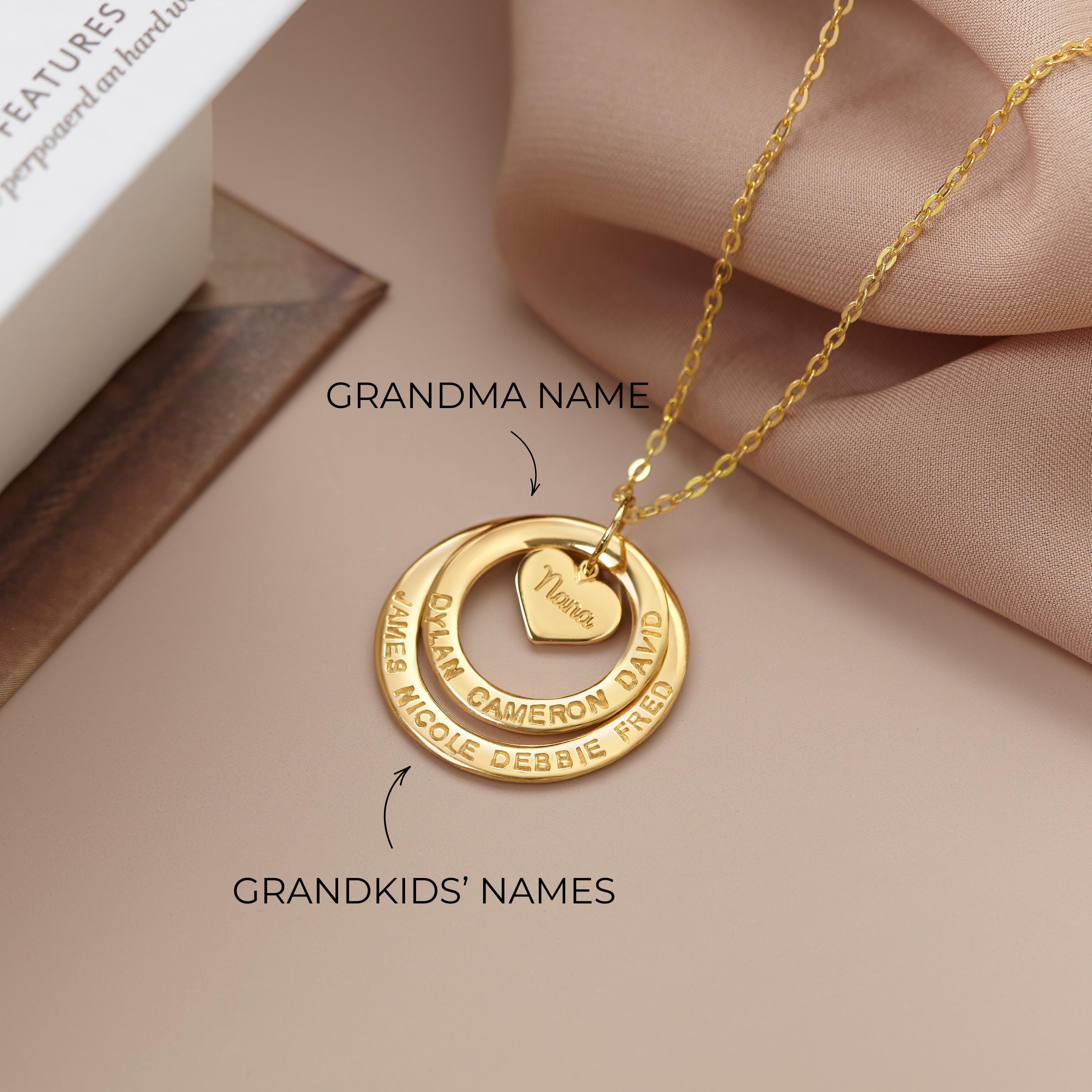
When choosing a design, consider whether your family is "complete" or still expanding. If more grandchildren are likely in the future, avoid fixed-bar necklaces or circular pendants where names are engraved in a continuous loop. These styles are difficult, if not impossible, to update. Instead, look for modular designs, such as:
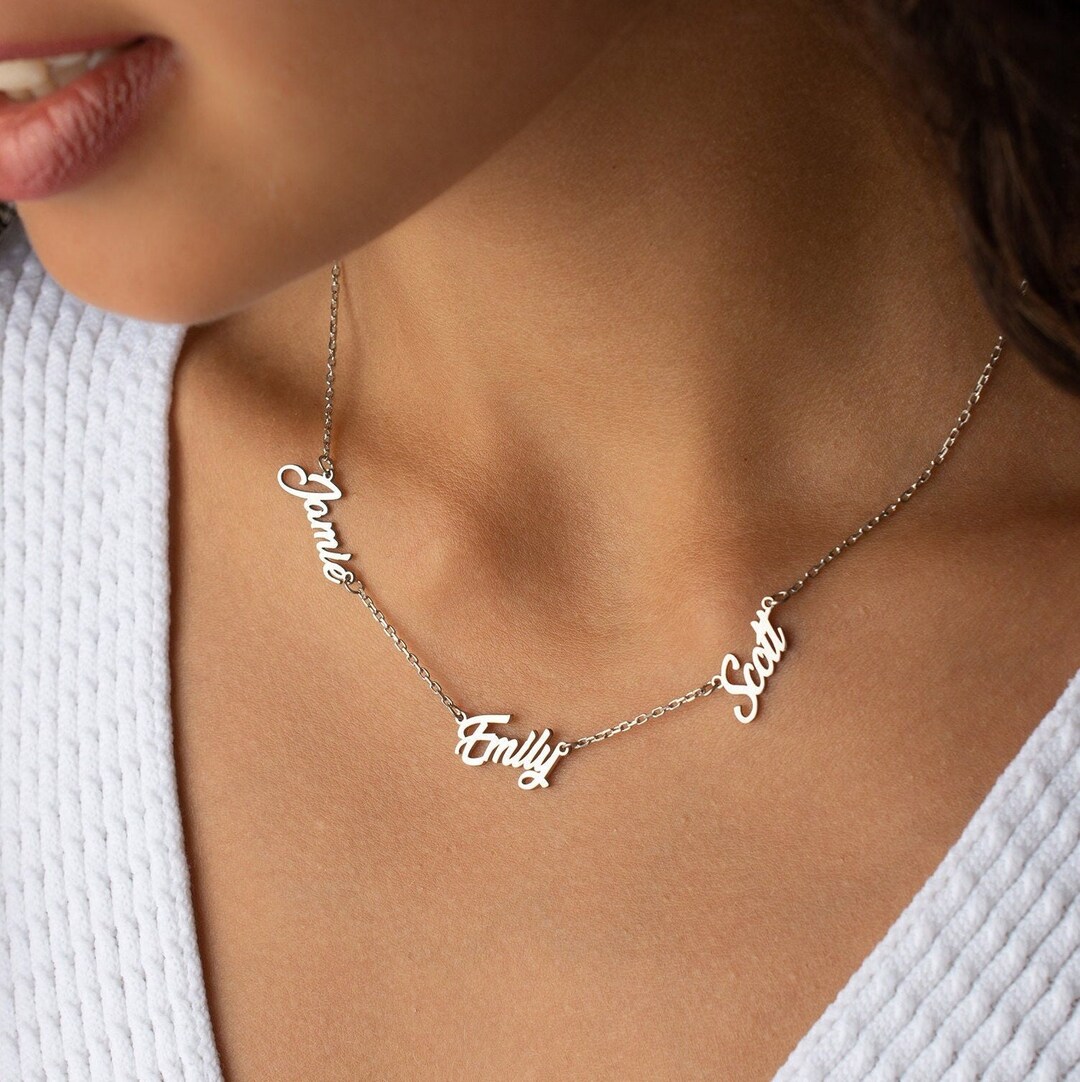
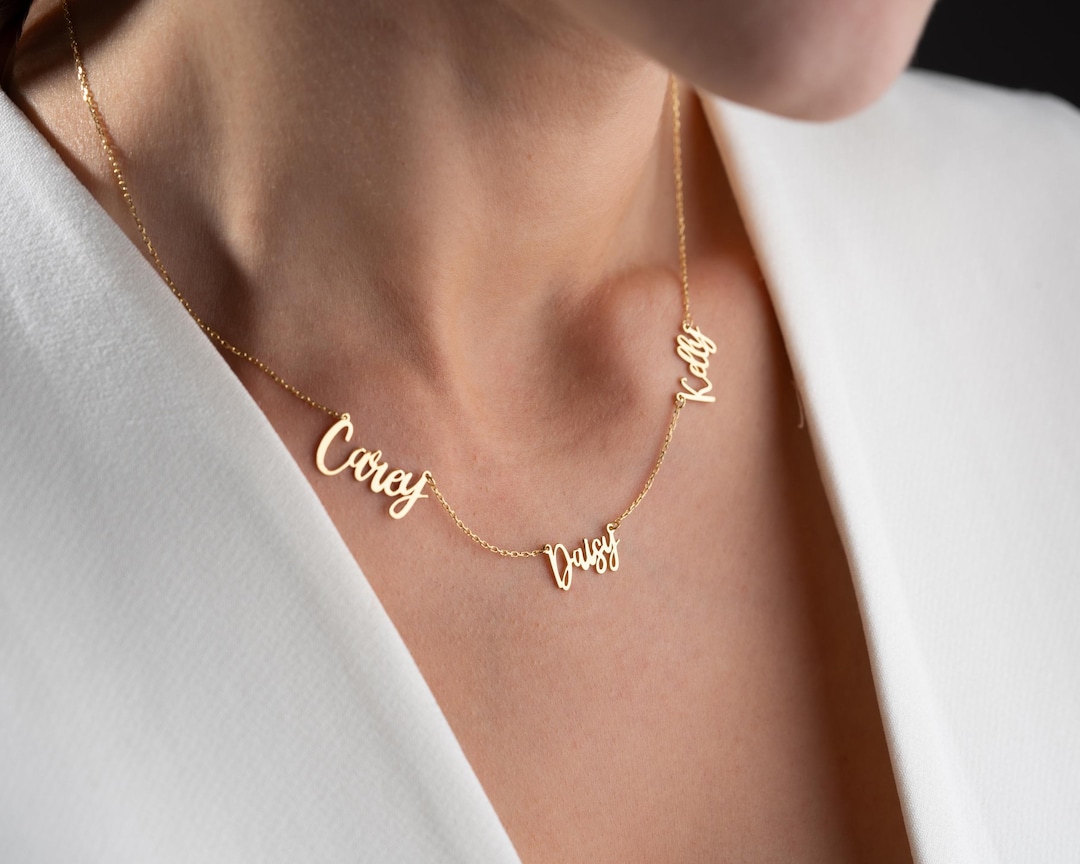
- Individual Charms: Small discs or tags that slide onto a chain. New charms can be added as the family grows.
- Linked Rings: Interlocking circles where each ring represents a child or family unit.
- Tree of Life Pendants: Designs that allow for names to be added to "leaves" or branches over time.
Legibility and Placement
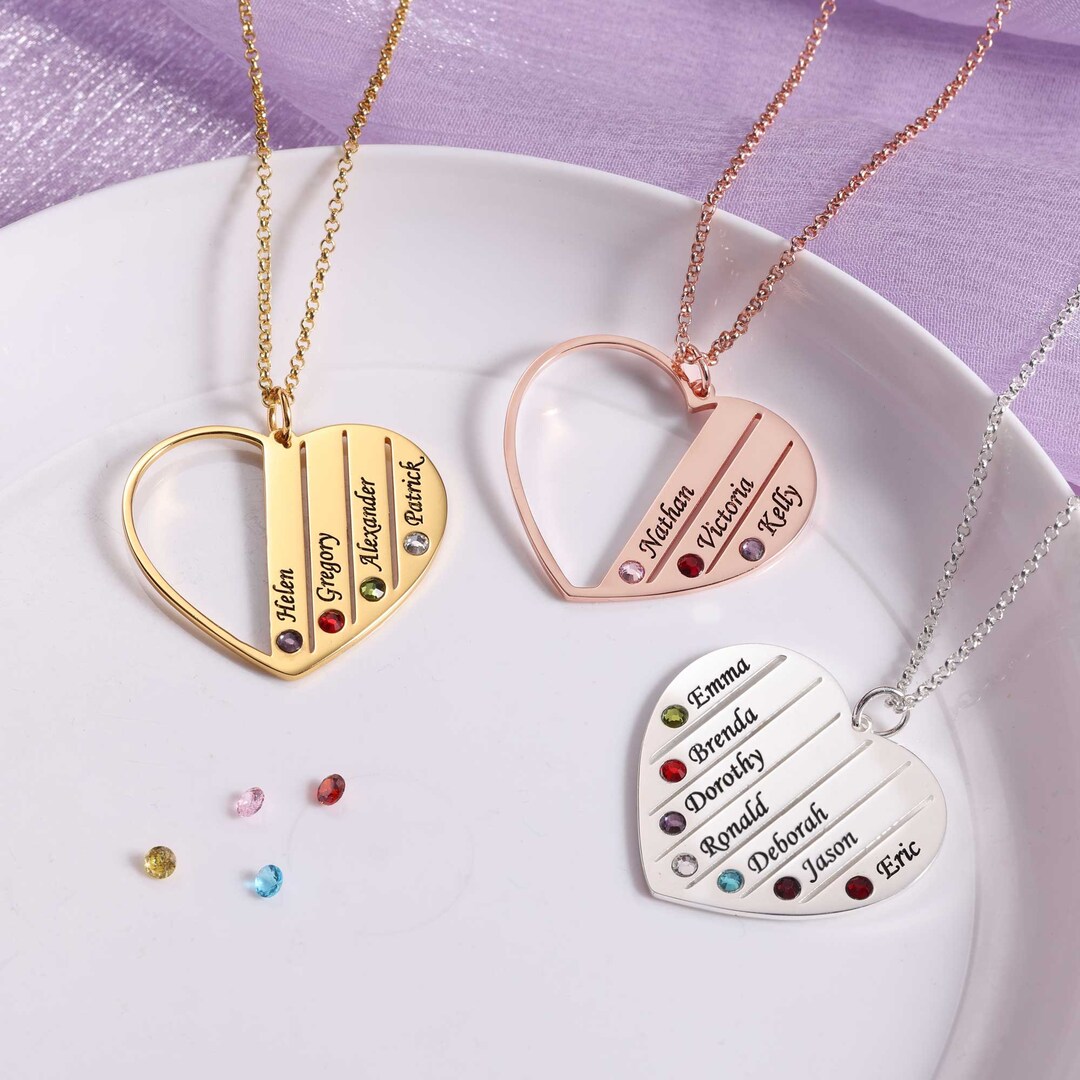
As the number of names increases, the font size must decrease to fit the available surface area. For families with more than five grandchildren, consider using initials or birthstones alongside names to maintain a clean aesthetic. Overcrowding a small pendant makes the text unreadable and detracts from the jewelry's elegance.
Choosing the Right Metal and Material
In 2026, longevity and skin sensitivity are top priorities for jewelry consumers. Since a grandkid necklace is often intended for daily wear, the material must withstand "the toddler test"—the inevitable pulling and tugging from young children.
14k Gold vs. 18k Gold
While 18k gold has a higher gold content and a richer color, it is also softer and more prone to scratching and bending. For a grandmother who is active and frequently interacts with grandchildren, 14k gold is the industry standard for durability. It contains 58.3% pure gold mixed with stronger alloys, making it resistant to the daily rigors of life.
Sterling Silver and Gold Vermeil
For those seeking a more accessible price point, 925 Sterling Silver is a classic choice. However, it requires frequent polishing to prevent tarnish. Gold Vermeil (a thick layer of gold over sterling silver) offers the look of solid gold at a fraction of the cost. To be classified as vermeil under FTC guidelines, the gold plating must be at least 2.5 microns thick. This is significantly more durable than standard "gold plated" jewelry, which may wear off within months.
Hypoallergenic Considerations
As we age, skin can become more sensitive to base metals like nickel. Ensure any necklace selected is labeled "nickel-free" to prevent contact dermatitis. High-quality 14k gold and sterling silver are generally safe, but always verify the alloy composition with the jeweler.
Popular Styles and Their Practical Implications
The style of the necklace should reflect the grandmother’s personal fashion sense—whether she prefers minimalist modernism or traditional sentimentality.
The Horizontal Bar Necklace
A sleek, modern option where names are engraved across a thin rectangular bar.
- Pros: Very trendy, sits flat against the skin, easy to layer with other necklaces.
- Cons: Limited space; usually only accommodates 1–3 names comfortably before the bar becomes excessively long.
The Multi-Disc Necklace
This style features multiple small circular pendants hanging from a single chain.
- Pros: Highly scalable. You can simply buy a new disc and slide it on. It allows for a "layered" look without multiple chains.
- Cons: The discs can overlap and "clink" together, which some wearers find noisy or distracting.
The Birthstone Integration
Adding birthstones provides a pop of color and an additional layer of personalization. Many families choose to have a small gemstone set next to each engraved name. In 2026, lab-grown gemstones have become the preferred choice for their ethical sourcing and superior clarity. According to the Gemological Institute of America (GIA), lab-grown stones are chemically and physically identical to mined stones but often come at a more sustainable price point.
Technical Specifications: Chains and Clasps
The "necklace" is only as good as the chain that holds it. For grandmothers, the chain’s strength and the clasp’s ease of use are critical technical details.
Chain Types and Durability
- Cable Chain: The most common and reliable. It consists of uniform round or oval links. If a link breaks, it is easily repaired.
- Box Chain: Highly durable and resistant to tangling. The square links provide a sturdy foundation for heavier pendants.
- Rope Chain: Beautiful but difficult to repair if a strand is pulled or snapped by a curious toddler.
Length and Ergonomics
Standard necklace lengths are 16, 18, and 20 inches. An 18-inch chain is the most versatile, sitting just below the collarbone. However, consider the recipient’s dexterity. If the grandmother has arthritis or difficulty with small movements, look for a large lobster claw clasp rather than a tiny spring ring. Some modern designs also utilize magnetic clasps with safety latches for ultimate ease of use.
Comparison of Common Grandkid Necklace Styles
| Style | Scalability | Durability | Best For | Max Recommended Names |
|---|---|---|---|---|
| Horizontal Bar | Low | High | Minimalists | 3 Names |
| Floating Discs | High | Medium | Growing Families | 8+ Names |
| Heart Locket | None | High | Traditionalists | 2 Photos/Names |
| Tree of Life | Medium | High | Symbolic Meaning | 5–6 Names |
| Vertical Tags | High | High | Modern/Edgy Look | 5 Names |
Maintenance and Long-Term Care
To ensure the necklace remains a family heirloom, proper maintenance is required. This is especially true for personalized pieces where dirt can accumulate in the grooves of the engravings.
- Cleaning: Use a soft-bristled toothbrush and a solution of warm water and mild dish soap to gently scrub the engraved areas. Avoid ultrasonic cleaners if the necklace contains soft gemstones like pearls or opals.
- Storage: Store the necklace in a fabric-lined box or a separate pouch to prevent the chain from tangling or scratching the pendant.
- Inspection: Every six months, check the "jump rings" (the small loops connecting the clasp and pendant) for signs of wear. A loose jump ring is the primary cause of lost jewelry.
Scalability and Future-Proofing Your Purchase
If you are purchasing a necklace in 2026 for a family that is likely to grow, the most strategic choice is a modular chain system. Many high-end jewelers now offer "add-a-charm" programs where the original purchase is recorded, and the family can order matching charms in the exact same font and metal grade years later. This ensures visual consistency across the piece.
Another option is the Vertical Name Tag style. These tags hang vertically from a central point. Adding a new tag does not change the balance of the necklace as much as adding a horizontal element would. It creates a "bouquet" effect that remains aesthetically pleasing regardless of how many tags are present.
Frequently Asked Questions
What is the best metal for a necklace I plan to wear every day?
14k solid gold is the best choice for daily wear. It does not tarnish, is hard enough to resist significant scratching, and maintains its value over time. While sterling silver is a beautiful alternative, it requires more maintenance to stay bright.
How do I choose the right font for engraving?
Prioritize readability over decorative flourishes. While "Script" or "Cursive" fonts look elegant, they can be difficult to read on small surfaces. "Block" or "Modern Sans-Serif" fonts ensure that the grandchildren's names are clearly visible from a distance.
What if my grandchildren have very long names?
If a name exceeds 8–9 characters, a standard small disc may not be sufficient. In these cases, consider using initials in a bold font or choosing a vertical bar necklace, which provides more vertical real estate for longer strings of text.
Is it better to include birthstones or just names?
This is a matter of personal taste. Birthstones add a vibrant, colorful element and can help distinguish between grandchildren with similar names. However, a "metal-only" design is often more versatile and easier to match with different outfits.
Can I add a name to a necklace I already bought?
It depends on the design. If the names are engraved on a single solid piece (like a bar), you usually cannot add a new name without replacing the entire pendant. If the necklace consists of individual charms, you can easily add a new one.
Final Recommendation
When selecting a grandkid name necklace, prioritize modularity and metal quality. A 14k gold necklace with individual sliding discs or vertical tags offers the best combination of durability, style, and the ability to grow alongside your family. Always verify the clasp type and chain strength to ensure the piece can withstand the active lifestyle of a doting grandparent. By choosing a timeless design and a high-quality metal, you create more than just an accessory; you create a wearable family history.
Image Gallery