How to Choose Auto Insurance in Gurnee, Illinois
Choosing auto insurance in Gurnee, Illinois requires evaluating state-mandated minimum liability limits (25/50/20) against local risk factors like I-94 commuter traffic and winter weather hazards. Drivers should assess personal assets,...
Choosing auto insurance in Gurnee, Illinois requires evaluating state-mandated minimum liability limits (25/50/20) against local risk factors like I-94 commuter traffic and winter weather hazards. Drivers should assess personal assets, select adequate liability thresholds (typically 100/300/100 or higher), add comprehensive and collision coverage, and compare quotes from captive agents, independent brokers, and direct carriers to secure optimal rates.
Contents
Understanding Illinois Auto Insurance Requirements
Before selecting a policy in Gurnee, drivers must understand the statutory baseline established by Illinois law. Under the Illinois Vehicle Code (625 ILCS 5/7-601), every vehicle operated or registered in the state must maintain minimum liability insurance coverage.
Mandatory Minimum Coverage Limits
Illinois requires a mandatory minimum split-limit policy of 25/50/20, which breaks down as follows:
- $25,000 for Bodily Injury per Person: The maximum amount your insurer will pay for injuries suffered by a single individual in an accident where you are at fault.
- $50,000 for Bodily Injury per Accident: The total maximum payout for bodily injuries across all victims in a single accident where you are at fault.
- $20,000 for Property Damage per Accident: The maximum coverage for damage caused to another person’s vehicle or property.
In addition to bodily injury and property damage liability, Illinois law mandates that every motor vehicle policy include Uninsured Motorist (UM) Coverage for bodily injury. This coverage must equal the statutory minimum limits of $25,000 per person and $50,000 per accident. If a driver purchases higher liability limits than the legal minimum, Illinois law automatically matches the UM coverage to those higher limits unless the policyholder specifically rejects the higher UM limits in writing.
Why State Minimums Are Insufficient in Gurnee
While carrying 25/50/20 coverage ensures legal compliance with the state, relying on minimum coverage leaves drivers exposed to catastrophic financial loss.
Modern vehicle repair costs, advanced safety technology recalibration, and rising medical expenses mean that even a moderate collision can rapidly surpass these limits. For example, if an fault accident on Grand Avenue involves a late-model luxury vehicle or multiple vehicles, damages can easily exceed $20,000. If you hold only the minimum property damage liability, you remain personally liable for any remaining balance.
Similarly, an emergency room visit, hospital stay, or physical therapy regimen following an injury crash can exceed $25,000 per person in hours. If medical bills exceed your policy limit, injured parties can pursue your personal assets, savings, or future earnings through civil litigation.
Local Risk Factors Impacting Gurnee Drivers
Insurance carriers set premiums based on risk evaluation algorithms specific to geographic areas (ZIP codes). Gurnee presents unique localized conditions that influence policy underwriting and loss risk.
High-Volume Commuter Corridors
Gurnee serves as a critical transportation hub within Lake County, bisected by Interstate 94 (the Tri-State Tollway), U.S. Route 41, Illinois Route 120 (Belvidere Road), and Illinois Route 132 (Grand Avenue). High traffic volumes during peak commuting hours increase accident frequency. Heavy congestion around major commercial destinations—such as Gurnee Mills mall and Six Flags Great America—adds thousands of visitor vehicles to local roads daily during peak tourist seasons, raising the statistical risk of side-impact, rear-end, and parking lot collisions.
- Regional Commuter Routes: I-94 / US-41 / IL-120 / IL-132
- Heavy Congestion & Visitor Traffic (Gurnee Mills / Six Flags)
- Elevated Local Risk Profile: Higher Base Rates for Physical Damage
Midwest Winter Weather Hazards
Lake County experiences severe Midwest winter weather, including heavy snowfall, freezing rain, and black ice. Operating a vehicle in sub-freezing temperatures increases severe winter driving hazards along un-plowed arterial streets and elevated highway ramps. Insurance claims for single-vehicle slide-offs, guardrail impacts, and chain-reaction collisions peak during the winter months.
Sub-zero temperatures also contribute to vehicle component failures, battery failures, and tire pressure drops, increasing the demand for roadside assistance coverage.
Wildlife Hazards in Lake County
Gurnee’s proximity to the Des Plaines River corridor and surrounding Lake County Forest Preserves creates seasonal hazards involving wildlife. Collisions involving white-tailed deer spike significantly during autumn mating season (October through December). Deer strikes result in substantial body and engine damage that falls under comprehensive coverage, rather than collision coverage.
Core Coverage Components to Consider
Selecting the right policy requires balancing legal requirements with optional protective endorsements. Understanding how each component works ensures you construct a policy tailored to your financial situation.
| FULL COVERAGE FRAMEWORK | ||
|---|---|---|
| Liability Coverage | Uninsured/Underinsured | Physical Damage |
| - Bodily Injury- Property Damage | - Bodily Injury (UM)- Property Damage (UMPD) | - Collision- Comprehensive |
| Optional Endorsements | |
|---|---|
| - Medical Payments (MedPay)- Roadside Assistance | - Gap Insurance- Rental Refund |
Bodily Injury & Property Damage Liability
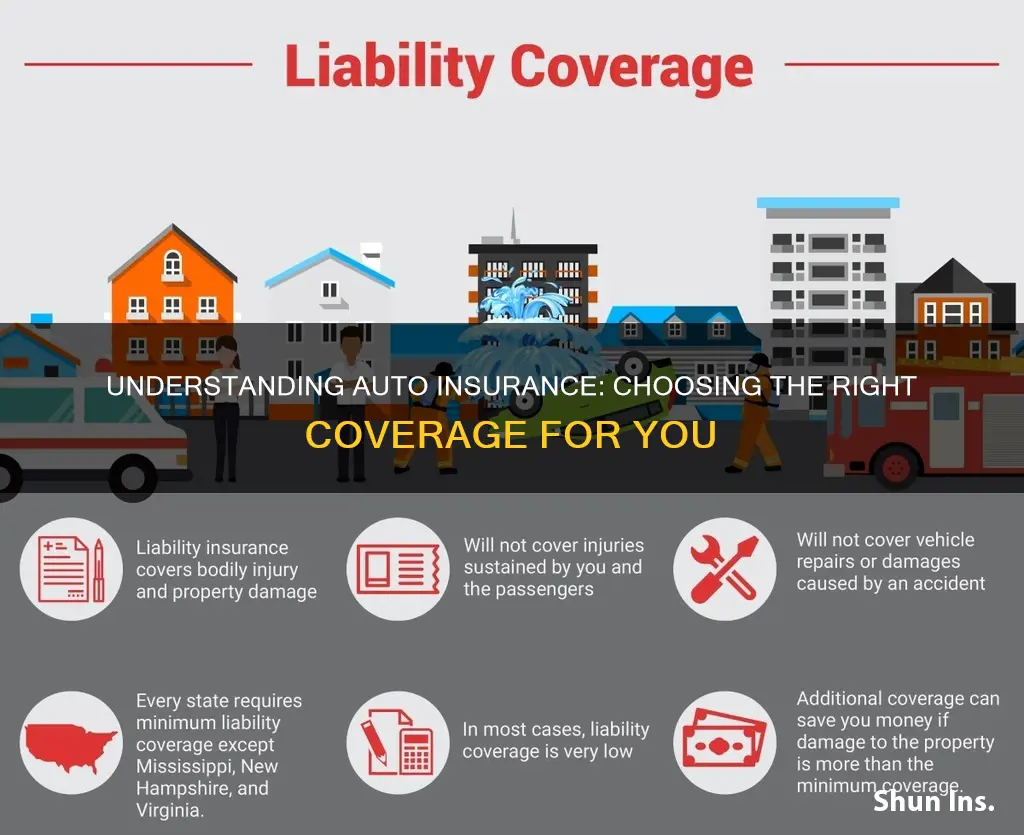
Liability coverage pays for damage and injuries you cause to others. Recommended protection standard for most home-owning drivers in Lake County is at least 100/300/100 ($100,000 bodily injury per person, $300,000 bodily injury per accident, and $100,000 property damage). High-net-worth individuals should consider limits of 250/500/100 combined with a commercial or personal umbrella policy.
Collision Coverage
Collision coverage reimburses repair costs for damage to your vehicle resulting from an impact with another automobile, object (such as a guardrail, light pole, or tree), or rollover event, regardless of fault. If your vehicle is financed or leased, your lender will mandate collision coverage until the loan is fully satisfied.
Comprehensive Coverage (Other-Than-Collision)
Comprehensive coverage protects your vehicle against non-collision physical damage. Essential protection includes:
- Vandalism and theft.
- Falling objects (tree branches during storms).
- Glass breakage (windshield cracks from highway debris).
- Animal strikes (specifically deer collisions).
- Weather events (hail, severe wind, flash floods, and winter ice accumulation).
Uninsured and Underinsured Motorist Coverage (UM/UIM)
Despite statutory mandates, a notable percentage of drivers in Illinois operate vehicles without adequate insurance.
- Uninsured Motorist (UM): Pays for your medical bills, lost wages, and pain and suffering if an uninsured driver strikes your vehicle or if you are the victim of a hit-and-run incident.
- Underinsured Motorist (UIM): Applies when an at-fault driver carries liability insurance, but their policy limits are insufficient to cover your total medical costs. UIM covers the financial shortfall up to your policy's UIM limits.
Medical Payments (MedPay)
Unlike states with no-fault Personal Injury Protection (PIP) mandates, Illinois is a fault-based tort state where Medical Payments coverage (MedPay) is optional. MedPay covers immediate medical and funeral expenses for you and your passengers following an accident, regardless of who caused the collision. It provides fast reimbursement without waiting for third-party liability determinations.
Gap Insurance
If you buy or lease a new vehicle, it depreciates rapidly the moment you drive off the dealer lot. If your car is declared a total loss following an accident, standard comprehensive and collision coverage pays only the vehicle's Actual Cash Value (ACV). Gap insurance bridges the financial delta between the ACV payout and the outstanding balance remaining on your auto loan or lease agreement.
Policy Comparison Matrix for Gurnee Drivers
The following matrix contrasts standard policy levels to help you evaluate liability risks and replacement coverage:
| Coverage Tier | Liability Limits (BI/PD) | Physical Damage Coverage | Ideal For | Risk Profile |
|---|---|---|---|---|
| State Minimum | 25/50/20 | None | Drivers of low-value vehicles with no personal assets to protect | High Financial Exposure: Potential personal liability for costs exceeding minimum limits. |
| Moderate Standard | 50/100/50 | Optional Collision/Comp ($1,000 Deductible) | Drivers with paid-off vehicles valued under $10,000 | Moderate Exposure: Covers basic injuries; vulnerable in multi-vehicle highway accidents. |
| Recommended Protection | 100/300/100 | Full Comprehensive & Collision ($500 Deductible) | Homeowners, commuters taking I-94/US-41, financed vehicles | Low Exposure: Standard coverage protecting typical household assets and savings. |
| High Asset Protection | 250/500/100 + Umbrella | Full Comprehensive & Collision ($250–$500 Deductible) | High-net-worth individuals, high-value vehicle owners | Minimal Exposure: Maximum liability protection paired with complete vehicle loss recovery. |
Step-by-Step Guide to Choosing an Insurance Policy in Gurnee
Finding an auto insurance policy requires systematic research. Follow this structured process to evaluate options and select a policy.
- Step 1: Audit Assets & Liabilities
- Step 2: Define Deductible & Coverage Limits
- Step 3: Solicit Quotes (Captive, Independent, Direct)
- Step 4: Verify Carrier Financial & Claims Ratings
- Step 5: Review Exclusions & Finalize Binding
Step 1: Audit Your Personal Financial Risk
Calculate your total net worth, including home equity, bank deposits, investments, and future income potential. Your total liability limits should at least match your asset base to shield you from asset seizure or wage garnishment in personal injury lawsuits.
Step 2: Establish Deductibles and Limits
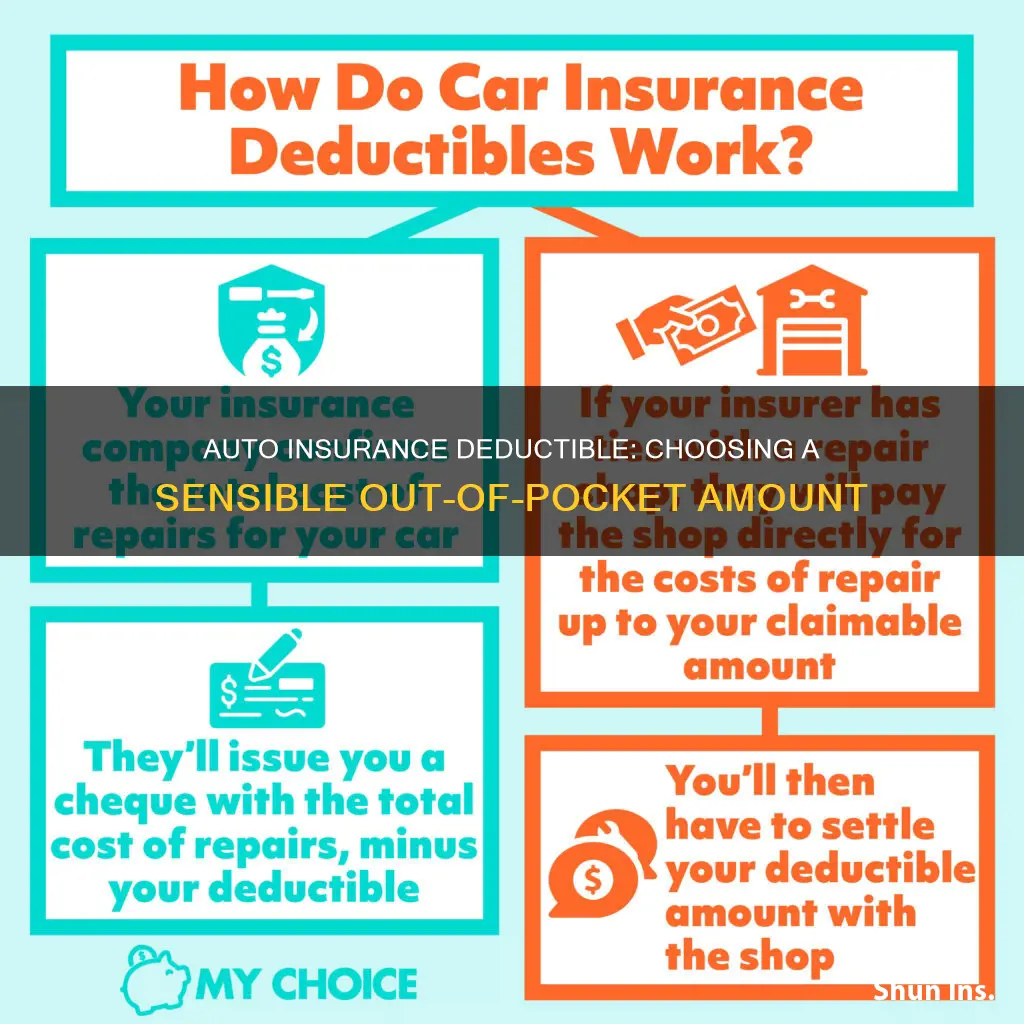
Select collision and comprehensive deductibles based on your accessible emergency reserves. Standard deductible options range from $250 to $1,000.
- Higher Deductible ($1,000): Reduces your recurring annual premium, but requires out-of-pocket payment during a claim.
- Lower Deductible ($250–$500): Raises recurring policy premiums, but minimizes out-of-pocket costs after an accident.
Step 3: Solicit Quotes Across Multiple Channels
To find competitive rates, gather quotes from all three primary insurance distribution models:
- Captive Agents: Represent a single insurance firm (e.g., State Farm, Allstate, Farmers). They offer localized service and in-depth product knowledge, but cannot offer products from rival carriers.
- Independent Insurance Brokers: Represent multiple insurance companies. They can shop your profile across several regional and national carriers to find competitive pricing.
- Direct-to-Consumer Insurers: Online-only or direct phone carriers (e.g., Progressive Direct, GEICO). They bypass physical local agencies, which can lower overhead costs, but put policy management responsibilities directly on you.
Step 4: Evaluate Carrier Financial Health and Claims Service
Low premiums mean little if an insurer delays or denies legitimate claims. Before binding coverage:
- Check financial strength ratings via credit rating agencies like A.M. Best (aim for ratings of A- or higher).
- Review customer satisfaction scores using resources like the Illinois Department of Insurance (IDOI) Complaint Index. The index measures consumer complaints filed against companies relative to their market share.
Step 5: Review Exclusions and Local Endorsements
Carefully review policy exclusions before signing. Ensure the policy does not exclude coverage for:
- Permissive users (friends or family driving your vehicle with permission).
- Customized equipment, aftermarket modifications, or non-factory wheels.
- Business use or ride-share operations (Uber, Lyft, DoorDash). If you perform gig work in Lake County, add a dedicated rideshare endorsement.
Strategies to Reduce Insurance Costs in Gurnee
Securing comprehensive coverage does not require overpaying. Drivers can leverage several localized pricing factors to keep rates affordable.
- COST REDUCTION STRATEGIES
- Multi-Policy: Bundling Auto + Home or Renters
- Telematics Program: Drive-tracking apps for safe driving
- Credit Management: Maintaining high credit scores lowers risk score
Bundle Auto with Homeowners or Renters Coverage
One of the largest discounts available is the multi-policy bundle. Combining your auto insurance with a homeowners policy for a residence in Gurnee—or a renters policy for an apartment—can produce discounts ranging from 10% to 25% across both policies.
Utilize Telematics and Usage-Based Programs
Most major insurance providers offer telematics programs via mobile applications or OBD-II plug-in hardware devices. These devices track driving habits, including hard braking, rapid acceleration, late-night driving, and total mileage. Safe commuters operating on local routes can earn discounts up to 30% off base premiums.
Manage Credit-Based Insurance Scores
Under Illinois law, insurers are permitted to use credit-based insurance scores to help determine premiums, subject to statutory guidelines under the Illinois Insurance Code (215 ILCS 157/). Maintain a strong credit rating by making timely bill payments and keeping credit utilization low. Higher credit scores correlate statistically with lower insurance loss risks, resulting in significantly lower rates.
Claim Local Discounts
Ask insurance representatives about discounts you may qualify for, including:
- Good Student Discounts: For high school or college students maintaining a B average (3.0 GPA) or higher.
- Defensive Driver Courses: For mature drivers completing approved accident-prevention training courses.
- Affiliation Discounts: For employees of major area institutions, military personnel, or alumni from state universities.
- Low Mileage Discounts: If you work remotely or use Metra commuter rail options to reach downtown Chicago rather than driving I-94 daily.
Frequently Asked Questions
What is the minimum auto insurance required by law in Gurnee, IL?
Illinois requires all drivers to hold at least 25/50/20 liability coverage: $25,000 bodily injury per person, $50,000 bodily injury per accident, and $20,000 property damage per accident. Policies must also include matching bodily injury Uninsured Motorist (UM) limits of $25,000/$50,000.
How much does auto insurance typically cost in Gurnee?
Rates vary based on age, driving record, vehicle model, credit score, and chosen coverage limits. While state minimum policies cost significantly less, full-coverage policies (100/300/100 with comprehensive and collision) reflect typical suburban Chicago market rates. Comparing quotes across multiple carriers is the best way to get exact pricing for your profile.
Does standard insurance cover damages caused by hitting a deer in Lake County?
Yes, but only if you carry comprehensive coverage. Deer collisions fall under comprehensive physical damage protection rather than collision coverage. If you swerve to avoid a deer and strike a tree or guardrail instead, the claim falls under collision coverage.
Are local captive agents better than online direct insurers?
Neither is universally better; they serve different needs. A local agent in Gurnee provides personalized advice, evaluates local risk factors, and assists directly during complex claims processes. Online direct insurers eliminate agent commissions, which may yield lower initial quotes for tech-savvy drivers who prefer self-managing policies online.
Does my personal auto insurance policy cover ride-share driving?
No. Standard personal auto insurance policies explicitly exclude coverage when a vehicle is being used for commercial purposes, including ride-sharing (Uber, Lyft) or food delivery (DoorDash, Uber Eats). To remain covered, you must purchase a dedicated ride-share endorsement or a commercial vehicle policy.
Summary & Next Steps
Choosing the right auto insurance policy in Gurnee requires finding the balance between legal compliance, risk protection, and cost control. Relying solely on Illinois state minimums (25/50/20) leaves your personal assets vulnerable in serious traffic accidents on heavily traveled corridors like I-94 or Route 41.
Recommended Action Plan:
- Calculate Asset Exposure: Set bodily injury and property damage limits high enough to cover your home equity and liquid savings (ideally 100/300/100 or higher).
- Add Physical Damage Coverage: Maintain collision and comprehensive protection with deductible levels matched to your liquid emergency savings.
- Gather Comparative Quotes: Request quotes from at least three carriers—including local independent brokers, captive agencies, and direct online insurers.
- Verify Carrier Ratings: Check A.M. Best financial ratings and IDOI complaint ratios before binding coverage.
- Review Annually: Re-evaluate your coverage terms annually to add new discounts, update your annual mileage, and ensure your policy meets changing life circumstances.
Disclaimer: Insurance rules, legal statutes, and rating methodologies change. This article offers general guidance; consult a licensed Illinois insurance producer or financial planner for advice tailored to your personal financial situation.
Image Gallery