Santana Moss in the NFL: Career Highlights, Statistics, and Legacy
Santana Moss enjoyed a remarkable 14-season career in the National Football League, establishing himself as one of the most explosive wide receivers and return specialists of his era. Drafted 16th overall in 2001 by the New York Jets,...
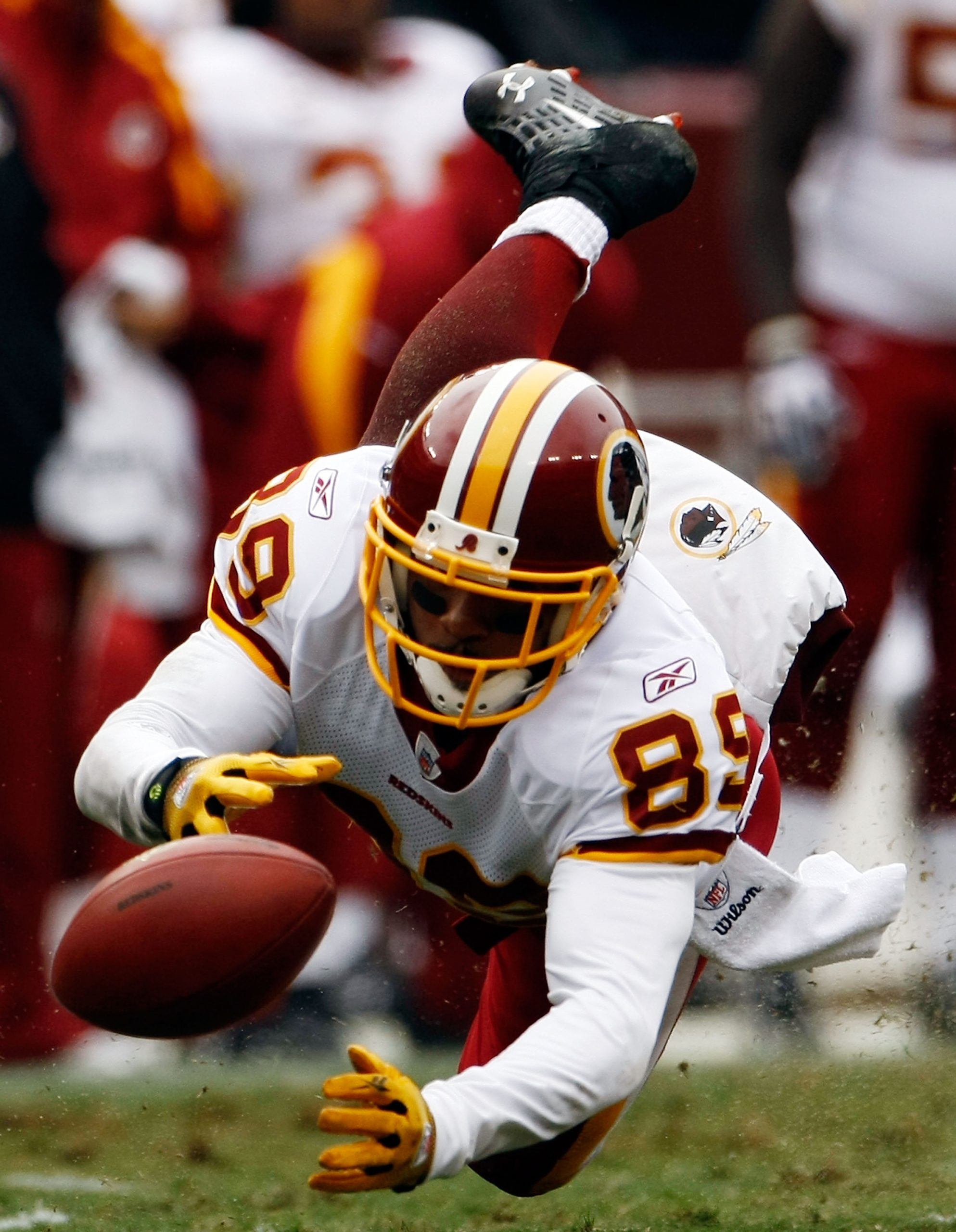
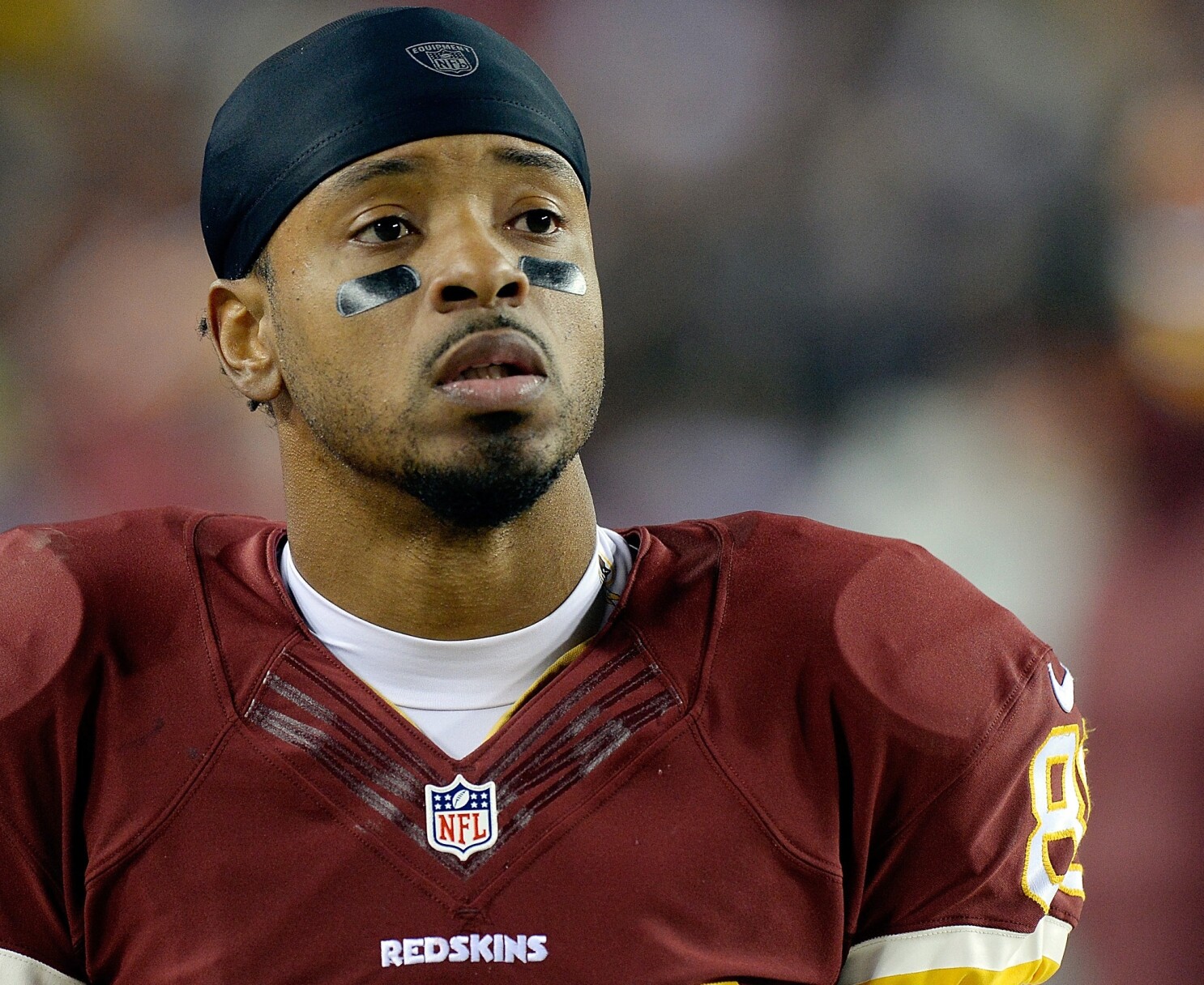
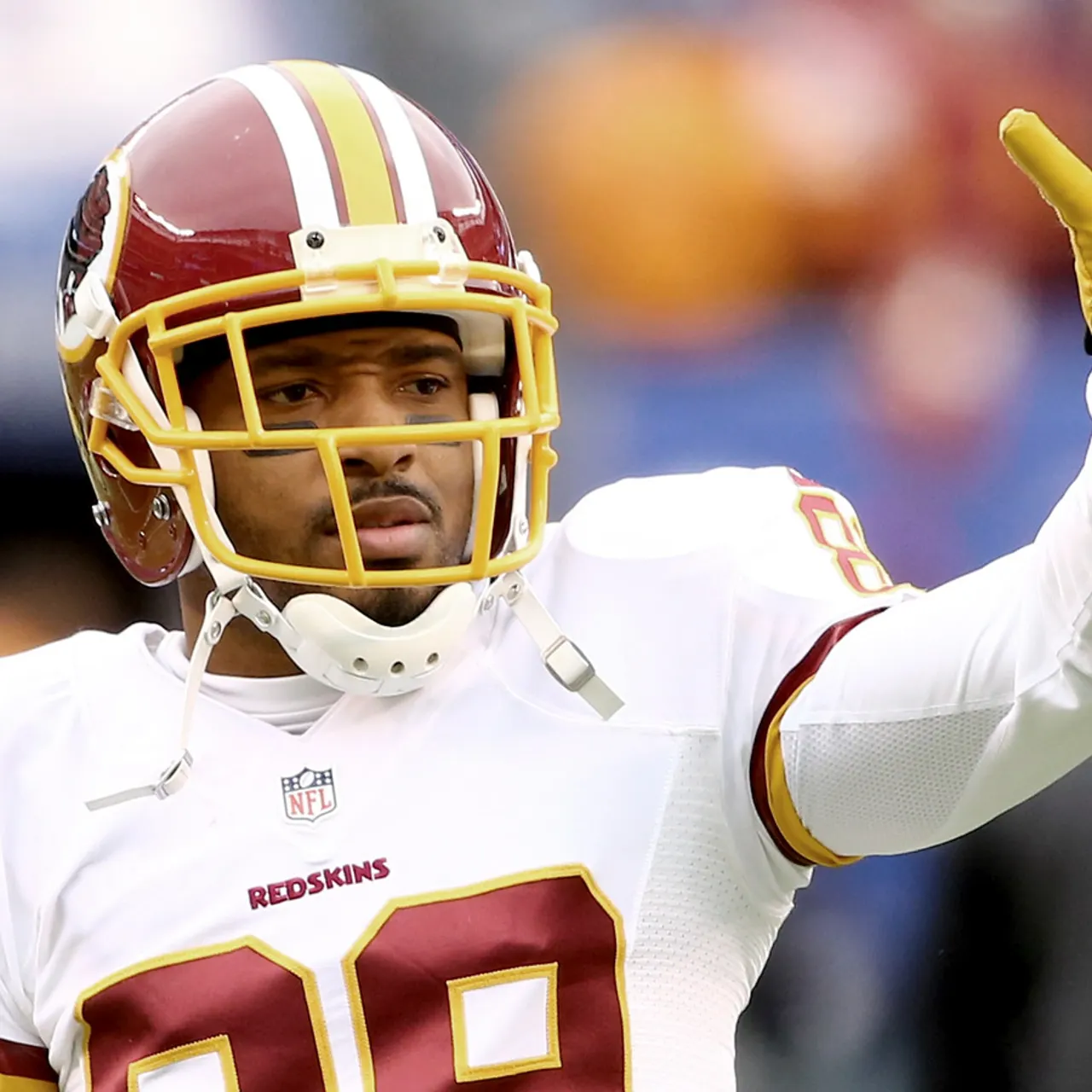
Santana Moss enjoyed a remarkable 14-season career in the National Football League, establishing himself as one of the most explosive wide receivers and return specialists of his era. Drafted 16th overall in 2001 by the New York Jets, Moss achieved his career peak with the Washington franchise, compiling over 10,000 career receiving yards, 66 receiving touchdowns, and earning Pro Bowl honors.
Contents
Early NFL Career with the New York Jets (2001–2004)
Santana Moss entered the NFL during the first round of the 2001 NFL Draft when the New York Jets selected him 16th overall out of the University of Miami. Arriving as an integral part of Miami's legendary track-and-field and national championship football environment, Moss possessed rare sub-4.4 speed and lateral agility. However, his professional journey began with adversity due to a lateral meniscus injury sustained during training camp, which required surgery and sidelined him for the first five games of his rookie season.
When Moss returned to action in 2001, his role was primarily limited to special teams and situational packages. He recorded just two receptions for 40 yards while learning the complexities of West Coast offensive systems under head coach Herman Edwards and offensive coordinator Paul Hackett. By his second season in 2002, Moss began demonstrating his game-breaking ability. He caught 30 passes for 433 yards and four touchdowns while serving as New York's primary punt returner, returning two punts for touchdowns, including a 63-yard touchdown against the San Diego Chargers.
- 2001 NFL Draft: Pick 16
- New York Jets (2001–2004)
- 2003 Breakout: 1,105 Yds / 10 TDs
- 3 Punt Return TDs
- Traded for Laveranues Coles
- Washington Redskins (2005–2014)
- 2005 Record Season: 1,483 Yds
- Joined 10,000-Yard Club
- 90 Greatest Washington List
The 2003 campaign represented Moss's true breakout in the NFL. Assuming a starting wide receiver role alongside veteran Curtis Martin in the backfield and quarterback Chad Pennington, Moss pulled in 74 receptions for 1,105 yards and 10 receiving touchdowns across 13 games. His average of 14.9 yards per reception underlined his capability to stretch opposing defensive coverages vertically. Despite lingering hamstring issues that sidelined him for three games, Moss established himself as one of the league's premiere deep threats.
In 2004, despite quarterback instability stemming from Pennington's rotator cuff injuries, Moss posted 45 receptions for 838 yards and five touchdowns, averaging an impressive 18.6 yards per catch. However, contract disputes and strategic differences regarding his long-term role led the Jets to explore trade options following the season, setting up one of the most famous player swaps of the decade.
The Washington Era: Peak Performance and Icon Status (2005–2014)
In March 2005, the New York Jets traded Santana Moss to Washington in exchange for wide receiver Laveranues Coles in a rare player-for-player blockbuster swap. The change of scenery ignited the most historic period of Moss's career. Reunited with Hall of Fame head coach Joe Gibbs and working alongside offensive coordinator Al Saunders, Moss immediately transformed Washington's passing attack.
The Historic 2005 Season
Moss's first year in Washington stands as one of the greatest individual receiving seasons in franchise history. Operating as the clear primary target for veteran quarterback Mark Brunell, Moss set a Washington single-season receiving franchise record with 1,483 receiving yards on 84 receptions, accompanied by nine touchdowns. This single-season yardage benchmark stood as the franchise standard for nearly two decades.
His spectacular 2005 campaign earned him a selection to the Pro Bowl and a Second-Team All-Pro selection by the Associated Press. Moss finished second in the NFL in receiving yards that season, trailing only Steve Smith Sr. of the Carolina Panthers.
The "Monday Night Miracle" in Dallas
The defining moment of Moss's career occurred on September 19, 2005, during a Week 2 Monday Night Football clash against the arch-rival Dallas Cowboys at Texas Stadium. Washington had been held scoreless for nearly 56 minutes and trailed 13-0 late in the fourth quarter.
With under four minutes remaining on a critical 4th-and-15 play, Brunell threw a deep 39-yard touchdown pass to Moss, who beat Cowboys cornerback Roy Williams in single coverage. Less than three minutes later, after Washington regained possession, Brunell connected with Moss again on a 70-yard fly route, leaving the Dallas secondary behind. Moss scored two touchdowns in a span of 2:35 to pull off a dramatic 14-13 victory. The iconic performance forever cemented Moss as a fan favorite and earned him the nickname "The Cowboy Killer."
"MONDAY NIGHT MIRACLE" TIMELINE (SEPT 19, 2005)
- [03:46 Left] 4th & 15: 39-Yard TD Catch from Brunell (13-7)
- [02:35 Later] 1st & 10: 70-Yard TD Catch from Brunell (14-13 Win)
Navigating Quarterback Transitions and Adaptability
Following his legendary 2005 effort, Moss faced an evolving roster and a series of quarterback changes in Washington. He adapted his playing style to match a wide range of passers, including Jason Campbell, Todd Collins, Donovan McNabb, Rex Grossman, Robert Griffin III, and Kirk Cousins.
- 2008 Season: Moss hauled in 79 passes for 1,044 yards and six touchdowns under head coach Jim Zorn, demonstrating his efficiency on short-to-intermediate horizontal routes.
- 2010 Season: Under head coach Mike Shanahan, Moss was moved heavily into the slot position, yielding 93 receptions for 1,115 yards and six touchdowns. His 93 catches represented a personal single-season career high.
- 2012 Season: As an experienced veteran, Moss transitioned into a specialized slot receiver and leader for rookie quarterback Robert Griffin III. Moss caught 41 passes for 573 yards and a team-high eight receiving touchdowns, helping Washington win the NFC East title.
Moss concluded his 10-year tenure in Washington after the 2014 season. Over his decade with the franchise, he accumulated 581 receptions, 8,021 receiving yards, and 47 receiving touchdowns, establishing himself as one of the most durable and prolific receivers in the team's long history.
Complete NFL Career Statistics Breakdown
Santana Moss compiled impressive figures over 197 career regular-season games. He surpassed the 10,000-yard receiving threshold, an achievement reached by fewer than 50 receivers in NFL history.
| Career Phase / Team | Games | Receptions | Rec Yards | Avg Per Rec | Rec TDs | Rush Yds | Punt Return TDs | Total TDs |
|---|---|---|---|---|---|---|---|---|
| New York Jets (2001–2004) | 53 | 151 | 2,379 | 15.8 | 19 | 115 | 3 | 22 |
| Washington (2005–2014) | 144 | 581 | 8,021 | 13.8 | 47 | 108 | 1 | 48 |
| Career Totals | 197 | 732 | 10,283 | 14.0 | 66 | 223 | 4 | 70 |
Source: Official NFL Historical Career Statistics & Pro-Football-Reference.
Key Career Milestones
- Total All-Purpose Yards: 11,853 yards (including receiving, rushing, punt, and kickoff returns).
- 100-Yard Receiving Games: 24 overall (18 with Washington, 6 with New York Jets).
- Punt Return Performance: 137 returns for 1,226 yards, averaging 8.9 yards per return with 4 touchdowns.
Play Style, Tactical Execution, and On-Field Impact
Santana Moss succeeded in the NFL through a blend of acceleration, open-field vision, and tactical versatility. Standing 5-foot-10 and weighing approximately 190 pounds, he lacked the physical frame of traditional boundary receivers like Terrell Owens or Randy Moss, but he compensated with exceptional traits:
- Sub-Second Acceleration: Moss had the rare ability to hit top speed within two strides. Defensive backs were frequently forced to play deep cushions, which opened up quick hitches, slant routes, and screen passes.
- Yards After Catch (YAC): Due to his background as a collegiate sprinter and punt returner, Moss excelled at tracking the ball in the air while maintaining speed, allowing him to cut across safety angles after making the catch.
- Versatility Between Boundary and Slot: Early in his career with the Jets and during his initial years in Washington, Moss played primarily on the outside, using double-moves (such as sluggo routes) to beat cornerbacks deep. Later in his career, under Shanahan, he shifted to the slot, leveraging his short-area agility against linebackers and nickel cornerbacks.
Santana Moss Skillset:
- Instant Burst
- Deep-threat speed
- Open-Field YAC
- Punt return skills
- Slot & Boundary
- Versatile alignment
Coaches frequently utilized Moss on jet sweeps and end-arounds to exploit over-pursuing defensive ends. His ability to double as a return threat forced opponents to punt away from him, consistently supplying his offenses with favorable field position.
Post-NFL Career, Honors, and Media
Following his retirement from active play after the 2014 NFL season, Moss remained closely involved with professional football and sports broadcasting.
Recognitions and Honors
- 90 Greatest Washington Players: Named to the franchise's official 90 Greatest list, celebrating the most influential players in Washington football history.
- Washington Ring of Fame: Inducted into the Washington Commanders Ring of Fame at Commander Field in recognition of his decade-long impact on the organization.
- University of Miami Sports Hall of Fame: Inducted in 2011 for his track and football accomplishments as a Hurricane.
Media and Community Role
In his post-playing career, Moss established himself as a prominent media personality in the Washington, D.C., metropolitan area. He works as a analyst and commentator on pre-game and post-game broadcasts, offers tactical insights on local sports radio networks, and co-hosts regional football podcasts. Additionally, Moss engages in philanthropic efforts focused on youth sports initiatives and community outreach in South Florida and the Mid-Atlantic region.
Frequently Asked Questions
What were Santana Moss's total career statistics in the NFL?
Over 14 NFL seasons (2001–2014), Santana Moss recorded 732 receptions for 10,283 receiving yards and 66 receiving touchdowns. He added 223 rushing yards and four punt return touchdowns, giving him 70 total touchdowns and 11,853 all-purpose yards across 197 career games.
What teams did Santana Moss play for during his career?
Santana Moss played for two NFL franchises: the New York Jets from 2001 to 2004 (4 seasons) and Washington (then known as the Washington Redskins) from 2005 to 2014 (10 seasons).
Did Santana Moss ever win a Super Bowl?
No, Santana Moss did not win a Super Bowl during his career. He appeared in five playoff games—two with the New York Jets (2002, 2004) and three with Washington (2005, 2007, 2012)—recording 18 total playoff receptions for 229 yards and one touchdown.
What was Santana Moss's best single season in the NFL?
Moss's best season came in 2005 with Washington. He caught 84 passes for a franchise-record 1,483 receiving yards and nine touchdowns, earning Pro Bowl honors and Second-Team All-Pro selection while leading Washington to an NFC Divisional Playoff berth.
How fast was Santana Moss's 40-yard dash time?
During the 2001 NFL Scouting Combine, Santana Moss ran an official 40-yard dash time of 4.31 seconds, making him one of the fastest draft prospects in his class.
Summary and Next Steps
Santana Moss stands out as one of the premier big-play receivers of the 2000s, leaving behind a 10,000-yard legacy built on speed, dynamic return capabilities, and big-game clutch performances. Fans and football analysts looking to further explore his career can:
- Review historical archives and official game film on NFL.com or Pro-Football-Reference.
- Follow his current game analysis and commentaries featured across regional Washington sports networks and sports broadcasts.
Image Gallery