What Human Food Can Turtles Eat: A Nutritional Guide for Responsible Keepers
Turtles are opportunistic omnivores, meaning they naturally consume a varied diet of vegetation, insects, and small aquatic life. While high-quality commercial pellets provide a balanced foundation, many common human foods serve as exc...
Turtles are opportunistic omnivores, meaning they naturally consume a varied diet of vegetation, insects, and small aquatic life. While high-quality commercial pellets provide a balanced foundation, many common human foods serve as excellent, healthy supplements. Owners should focus on leafy greens, certain vegetables, and occasional protein sources while strictly avoiding processed, sugary, or high-sodium human foods.
Contents
Understanding the Dietary Nature of Pet Turtles
To provide the correct nutrition, it is essential to first understand the specific species of turtle under your care. While the term "turtle" is often used broadly, the dietary requirements for a Box Turtle, which spends much of its time on land, differ significantly from those of an aquatic Red-Eared Slider.
Most pet turtles are omnivorous, requiring a balance of calcium, phosphorus, protein, and fiber. In the wild, they scavenge for whatever is available, including aquatic plants, fallen fruit, worms, crustaceans, and carrion. When keeping these animals in a 2026 domestic environment, replicating this diversity is the best way to prevent metabolic bone disease and obesity, two of the most common health complications seen in captive chelonians.
Safe Human Foods: Greens and Vegetables
Leafy greens should form the backbone of a turtle's supplemental fresh diet. These are generally low in calories and high in essential vitamins like A, C, and K.
- Collard Greens and Mustard Greens: These are top-tier choices because they have a favorable calcium-to-phosphorus ratio. Maintaining this ratio is critical; if a turtle consumes too much phosphorus relative to calcium, the body will leach calcium from its own bones to compensate.
- Dandelion Greens: Often found in many backyards, these are a favorite for most species. Ensure they are free of pesticides and fertilizers before offering them.
- Squash: Zucchini, butternut, and acorn squash are excellent additions. They provide variety and moisture, which is particularly beneficial for tortoises and land-based box turtles.
- Carrots: While safe, carrots should be treated as a treat rather than a staple due to their high sugar content. Grating them can make them easier for younger turtles to consume.
Fruits and Occasional Treats
While many turtles enjoy the sweetness of fruit, it should be limited to roughly 5% to 10% of their total diet. Because wild turtles rarely encounter high-sugar fruit in large quantities, their digestive tracts are not optimized for processing simple sugars in bulk. Excessive fruit intake can lead to diarrhea and, over time, changes in the gut flora that may cause long-term digestive distress.
Suitable fruits include berries (strawberries, blueberries, raspberries) and melon. Always remove the seeds and pits, as some fruit pits contain cyanogenic glycosides that can be toxic in large amounts.
Protein Sources from the Kitchen
While commercial pellets are designed to be protein-complete, you can supplement with human-grade protein occasionally.
- Cooked Poultry: Small, plain pieces of boiled chicken or turkey without skin, salt, or seasoning can be offered. Never feed seasoned meat, as additives like garlic and onion powder are toxic to many reptiles.
- Hard-Boiled Eggs: A source of high-quality protein. Use the yolk sparingly due to the fat content, but the egg white provides essential amino acids.
- Canned Fish: While raw fish is sometimes debated due to the risk of thiaminase (an enzyme that destroys vitamin B1), plain, unsalted canned tuna in water can be an emergency source of protein. However, this should not be a dietary staple.
Foods to Strictly Avoid
Not all human food is safe. Some common household items can cause immediate illness or long-term organ damage.
- Onions and Garlic: These contain compounds that can cause hemolytic anemia in many reptiles, leading to the destruction of red blood cells.
- Processed Meats: Hot dogs, deli meats, and sausages are packed with preservatives, nitrates, and excessive sodium. These are dangerous for a turtle’s kidneys.
- Dairy Products: Turtles are lactose intolerant. They lack the enzymes necessary to digest milk or cheese, which will reliably result in severe digestive upset.
- Avocado: While healthy for humans, certain parts of the avocado plant and fruit contain persin, which can be toxic to various animals, including reptiles.
- Bread and Grains: High-carbohydrate, processed foods provide "empty" calories and can lead to rapid weight gain and fatty liver disease.
Nutritional Comparison of Common Supplements
| Food Item | Primary Nutrient Benefit | Frequency of Feeding |
|---|---|---|
| Collard Greens | Calcium / Fiber | Daily (Staple) |
| Butternut Squash | Vitamin A / Fiber | 2-3 times per week |
| Blueberries | Antioxidants | Occasional (Treat) |
| Hard-Boiled Egg | Protein | Rare (Once every 2 weeks) |
| Carrots | Beta-carotene | Weekly |
Establishing a Feeding Routine
In 2026, the best practice for feeding remains consistency. Aquatic turtles should be fed in a separate container if possible. Feeding inside the main tank often leads to rapid fouling of the water, which necessitates more frequent, costly filter maintenance and creates an unhealthy living environment.
For land-based species, use a shallow, flat dish that prevents the ingestion of substrate. If a turtle accidentally consumes gravel or bark while eating, it can lead to dangerous intestinal impactions. Monitor your turtle's weight periodically; a healthy, active turtle should have a smooth shell and firm flesh around the limbs. If the shell shows signs of pyramiding (bumpy, raised scutes), it is often a sign of incorrect diet or insufficient UV-B lighting rather than simply "too much food."
Frequently Asked Questions
Can turtles eat bread? No, bread is not a natural part of a turtle’s diet. It is high in carbohydrates and lacking in the essential vitamins and minerals that turtles need to maintain a healthy shell and strong immune system.
Is it okay to feed my turtle meat every day? Generally, no. Most adult turtles require more plant-based matter than animal protein. Feeding high-protein, meat-based diets daily can cause rapid growth, which often results in shell deformities and liver strain.
How do I know if my turtle is getting enough calcium? Signs of calcium deficiency include a soft shell, lethargy, and poor appetite. You can supplement calcium by dusting their fresh food with a reptilian calcium powder, which is available at pet retailers as of 2026.
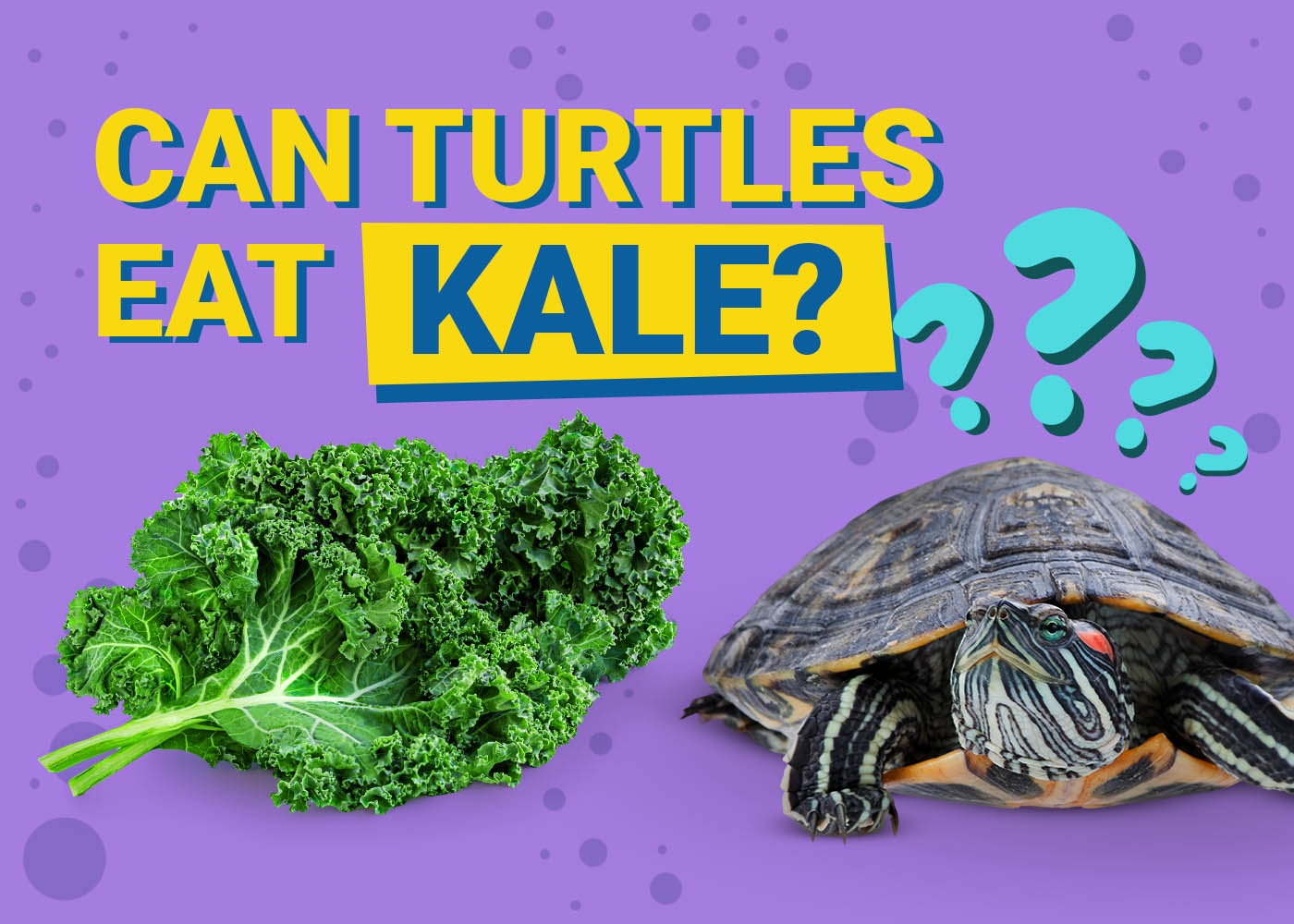
Can turtles eat iceberg lettuce? It is not recommended. Iceberg lettuce is composed mostly of water and provides very little nutritional value. It can fill the turtle’s stomach without offering the vitamins they need, effectively causing them to starve while feeling "full." Stick to darker, nutrient-dense greens like kale or mustard greens.
What should I do if my turtle eats something toxic? If you suspect your turtle has consumed a toxic food, contact an exotic animal veterinarian immediately. Do not wait for symptoms to appear, as internal damage from toxins can be irreversible once clinical signs manifest.
Next Steps for Owners
To ensure the best health for your turtle, start by auditing your current feeding list against the "Do Not Feed" list above. If you are currently feeding a diet consisting mostly of pellets, introduce one new fresh vegetable each week to monitor for acceptance. Always ensure your lighting setup—specifically the UV-B bulb—is replaced according to the manufacturer’s schedule, as diet alone cannot prevent metabolic bone disease without the necessary light to process calcium.
Image Gallery