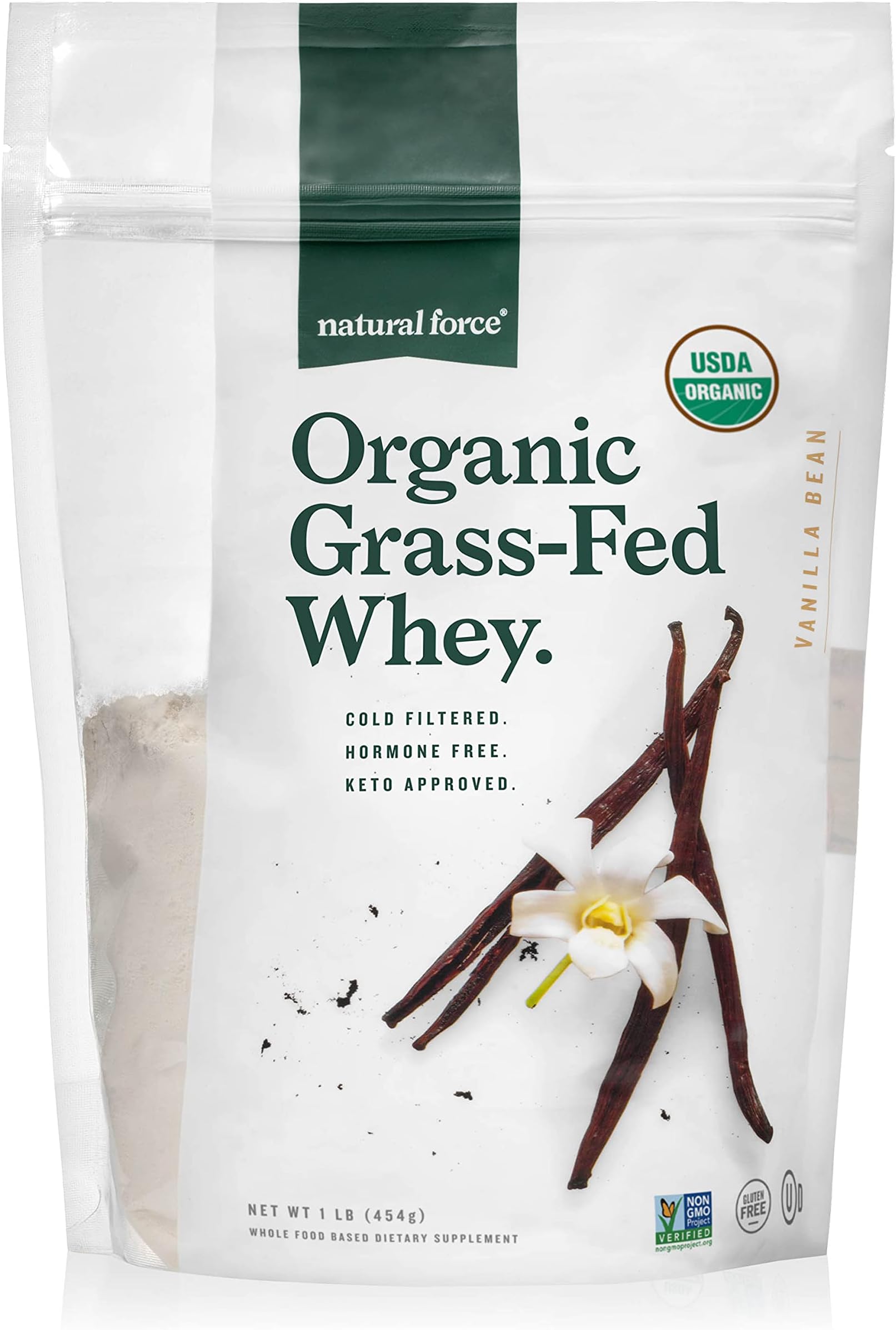
Understanding Organic Grass-Fed Whey Protein Isolate: Quality, Purity, and Nutritional Value
Organic grass-fed whey protein isolate is a highly refined dietary supplement derived from the milk of cows raised on certified organic, pasture-based diets. It undergoes extensive filtration to remove nearly all fats, lactose, and car...
Organic grass-fed whey protein isolate is a highly refined dietary supplement derived from the milk of cows raised on certified organic, pasture-based diets. It undergoes extensive filtration to remove nearly all fats, lactose, and carbohydrates, resulting in a pure protein powder designed to support muscle recovery, athletic performance, and daily nutritional needs with minimal additives.
Contents
Defining Organic Grass-Fed Whey Protein Isolate
When navigating the supplement aisle, consumers encounter a wide array of protein powders, making it essential to understand what sets organic grass-fed whey protein isolate apart. Whey protein is one of the two primary proteins found in milk, alongside casein. During the cheese-making process, the liquid whey is separated from the curds. This liquid whey then undergoes various filtration techniques to concentrate the protein.
The terms "organic" and "grass-fed" carry distinct regulatory and agricultural meanings that directly impact the final product. "Grass-fed" indicates that the dairy cows foraged on open pastures and consumed a diet primarily consisting of fresh grass, hay, or silage rather than being confined to a feedlot and fed grain-based rations like corn or soy. "Organic" certification, regulated by bodies such as the United States Department of Agriculture (USDA) or equivalent international authorities, mandates that these pastures and feed sources are free from synthetic fertilizers, pesticides, and genetically modified organisms (GMOs). Furthermore, organic standards strictly prohibit the routine use of antibiotics and synthetic growth hormones.
"Isolate" refers to the level of processing. While whey protein concentrate retains varying amounts of fats, carbohydrates, and milk sugars (lactose), whey protein isolate is subjected to additional cross-flow microfiltration or ion-exchange methods. This process strips away virtually all non-protein components, yielding a powder that is typically 90% or more pure protein by weight. Consequently, organic grass-fed whey protein isolate represents the intersection of strict agricultural ethics, environmental sustainability, and advanced nutritional engineering.
Nutritional Profile and Biological Value
The nutritional appeal of whey protein isolate lies in its exceptional amino acid profile and high biological value. Biological value is a measure of how efficiently the body can utilize the protein consumed. Whey protein boasts one of the highest biological values of any protein source, surpassing eggs, beef, and soy.
Specifically, whey is a complete protein, meaning it contains all nine essential amino acids that the human body cannot synthesize on its own. It is particularly rich in branched-chain amino acids (BCAAs)—leucine, isoleucine, and valine. Leucine plays a pivotal role in initiating muscle protein synthesis, the physiological process responsible for repairing and building muscle tissue after physical exertion.
Because organic grass-fed whey protein isolate undergoes intensive filtration, its macronutrient breakdown is exceptionally clean. A standard serving typically provides:
- Calories: Approximately 100 to 120 calories
- Protein: 20 to 25 grams
- Fat: Less than 1 gram
- Carbohydrates: Less than 1 gram (with negligible or zero lactose)
Comparatively, traditional grain-fed whey concentrates contain higher levels of lactose and fat, which can cause digestive distress for individuals with sensitivities. The absence of fats and carbohydrates in the isolate form makes it an ideal option for individuals monitoring their caloric intake, adhering to low-carb diets, or managing lactose intolerance. Additionally, research suggests that dairy from grass-fed cows may contain higher concentrations of beneficial fatty acids, such as conjugated linoleic acid (CLA), and antioxidants like vitamin E and beta-carotene, compared to grain-fed counterparts, though many of these fat-soluble nutrients are reduced during the heavy filtration required to produce an isolate.
| Feature | Organic Grass-Fed Whey Isolate | Standard Whey Concentrate | Plant-Based Protein Blends |
|---|---|---|---|
| Protein Content (%) | 90% or higher | 70% to 80% | Varies (typically 50% to 80%) |
| Lactose Level | Negligible / Trace | Moderate to High | Zero (Naturally Lactose-Free) |
| Fat & Carbohydrates | Minimal (<1g per serving) | Higher (3-5g per serving) | Varies by plant source |
| Amino Acid Profile | Complete (High Leucine) | Complete (High Leucine) | Often requires blending for completeness |
| Sourcing Standard | Pasture-raised, organic, non-GMO | Conventional feedlot dairy | Varies (soy, pea, hemp, rice) |
Manufacturing Processes: How Isolate is Made
The journey from pasture to powder involves sophisticated dairy processing techniques designed to preserve the integrity of the protein structures while eliminating unwanted components. Understanding this process helps explain why high-quality isolates command a higher market price.
The manufacturing workflow generally follows these sequential phases:
- Milk Collection and Separation: Organic milk is collected from certified dairy farms. The cream is separated from the skim milk, and the milk is pasteurized.
- Cheese Production: Beneficial enzymes and bacterial cultures are added to the milk, separating it into solid curds (used for cheese) and liquid whey.
- Initial Filtration (Ultrafiltration): The liquid whey is passed through porous membranes to remove water, minerals, and small amounts of lactose, creating a liquid whey concentrate.
- Advanced Filtration (Cross-Flow Microfiltration): To create an isolate, the concentrate undergoes further refinement. Cross-flow microfiltration (CFM) uses ceramic membranes and low temperatures to separate the protein from remaining fats and lactose without the use of harsh chemicals. This non-thermal method ensures that the delicate protein structures (such as immunoglobulins and lactoferrin) are not denatured or damaged.
- Drying and Packaging: The purified liquid protein is spray-dried into a fine powder, tested for heavy metals, microbial safety, and protein content, and then packaged in airtight, light-resistant containers.
Advantages and Health Benefits
Choosing organic grass-fed whey protein isolate offers several distinct advantages for athletes, fitness enthusiasts, and health-conscious consumers.
Enhanced Muscle Recovery and Growth
The rapid digestion and absorption rate of whey isolate ensures a swift influx of amino acids into the bloodstream. Consuming this protein post-workout spikes systemic amino acid levels, rapidly turning on muscle protein synthesis and blunting muscle protein breakdown. This accelerates recovery after strenuous resistance training or endurance exercise.
Digestive Tolerance and Purity
For individuals who experience bloating, gas, or cramping from standard whey concentrates due to lactose, the near-zero lactose content of whey isolate provides a comfortable alternative. Furthermore, choosing an organic product minimizes exposure to residual agricultural chemicals, synthetic hormones, and antibiotics that may be present in conventionally produced dairy.
Immune Support
Whey protein is not just a building block for muscle; it also contains bioactive compounds that support immune function. Components such as lactoferrin, immunoglobulins, and serum albumin exhibit antimicrobial and antioxidant properties. While intensive processing can diminish some of these fragile proteins, high-quality cold-filtered isolates retain a portion of these beneficial immunological fractions.
Potential Drawbacks and Considerations
Despite its impressive profile, organic grass-fed whey protein isolate may not be suitable for everyone, and buyers must weigh certain practical considerations.
Cost and Economic Factors
The rigorous standards required for organic certification, combined with the cost of sustainable pasture management and advanced cross-flow microfiltration, make organic grass-fed whey isolate one of the most expensive protein sources on the market. Consumers frequently pay a significant premium compared to conventional grain-fed concentrates.
Dietary Restrictions
Because whey is derived from milk, it is an animal-based product containing dairy proteins (whey and casein). Therefore, it is entirely unsuitable for individuals following a vegan diet, those with a diagnosed milk allergy (distinct from lactose intolerance), or those adhering to strict dairy-free regimens.
Processing and Additives
While the base protein powder may be organic and grass-fed, finished retail products often contain added flavoring agents, thickeners (such as xanthan gum or guar gum), and sweeteners (such as stevia, monk fruit, or cane sugar). Consumers aiming for absolute purity must carefully examine ingredient labels to ensure these additives align with their personal health preferences.
Evaluating Product Quality and Reading Labels
With numerous brands marketing their protein powders as "organic" or "grass-fed," consumer vigilance is required to separate genuine high-tier products from clever marketing terminology. True verification relies on looking beyond front-label buzzwords and examining official certifications.
- Third-Party Certifications: Look for recognized seals such as the USDA Organic stamp, Non-GMO Project Verified, and certifications from independent testing organizations like NSF International or Informed-Choice. These organizations test products for heavy metals, banned substances, and label accuracy.
- Ingredient Transparency: A superior product features a short, clean ingredient list. The primary ingredient should be organic whey protein isolate, followed perhaps by natural flavorings and organic sweeteners. Avoid products with long lists of artificial preservatives, synthetic dyes, or hidden fillers.
- Sourcing Claims: Reputable manufacturers are transparent about their geographic sourcing, often specifying whether the dairy originates from local, certified organic family farms in regions known for sustainable agriculture, such as New Zealand, Northern Europe, or select states in the U.S.
Frequently Asked Questions
Is organic grass-fed whey isolate completely lactose-free?
While the cross-flow microfiltration process removes the vast majority of lactose, trace amounts (typically less than 0.5 grams per serving) may remain. Most individuals with lactose intolerance tolerate whey isolate exceptionally well, but those with severe dairy allergies should avoid it entirely.
Does the grass-fed aspect change the protein content?
The grass-fed designation primarily influences the fatty acid profile and the absence of synthetic farm inputs rather than the total amount of protein. An isolate is defined by its filtration level (90%+ protein), whether the source cows grazed on grass or ate grain.
Why is organic grass-fed whey isolate more expensive than regular whey?
The higher price reflects the labor-intensive and costly standards of organic farming, pasture management, lower milk yields per cow compared to intensive feedlot operations, and the advanced, low-temperature filtration technology required to produce a pure isolate.
Can whey isolate help with weight loss?
Protein is the most satiating macronutrient, helping to regulate appetite hormones and reduce overall caloric intake. Because whey isolate provides pure protein with virtually zero fat and carbohydrates, it supports fat loss goals by helping preserve lean muscle mass during a caloric deficit.
How should organic grass-fed whey isolate be stored?
To maintain its shelf life and prevent clumping, the powder should be stored in a cool, dry place away from direct sunlight and moisture. Ensuring the container lid is tightly sealed after every use protects the delicate protein structure from humidity.
Next Actions for Consumers
When selecting an organic grass-fed whey protein isolate, begin by reviewing your personal dietary goals, budget, and digestive sensitivities. Examine ingredient lists and third-party testing verifications to ensure the product meets strict purity standards. For personalized nutritional advice, particularly if you manage specific health conditions or dietary restrictions, consult a registered dietitian or healthcare professional before introducing new supplements into your daily routine.
Image Gallery