Solar Power Installations: Global Trends and Unresolved Questions
Solar power installations have scaled dramatically worldwide, transforming modern energy grids through falling photovoltaic hardware costs and aggressive decarbonization policies. However, rapid deployment exposes systemic challenges r...
Solar power installations have scaled dramatically worldwide, transforming modern energy grids through falling photovoltaic hardware costs and aggressive decarbonization policies. However, rapid deployment exposes systemic challenges regarding grid stability, critical mineral supply chains, land-use conflicts, and end-of-life recycling. Understanding these competing dynamics requires examining both current market growth trajectories and the structural bottlenecks complicating long-term transition goals.
Contents
The Global Expansion of Photovoltaic Capacity
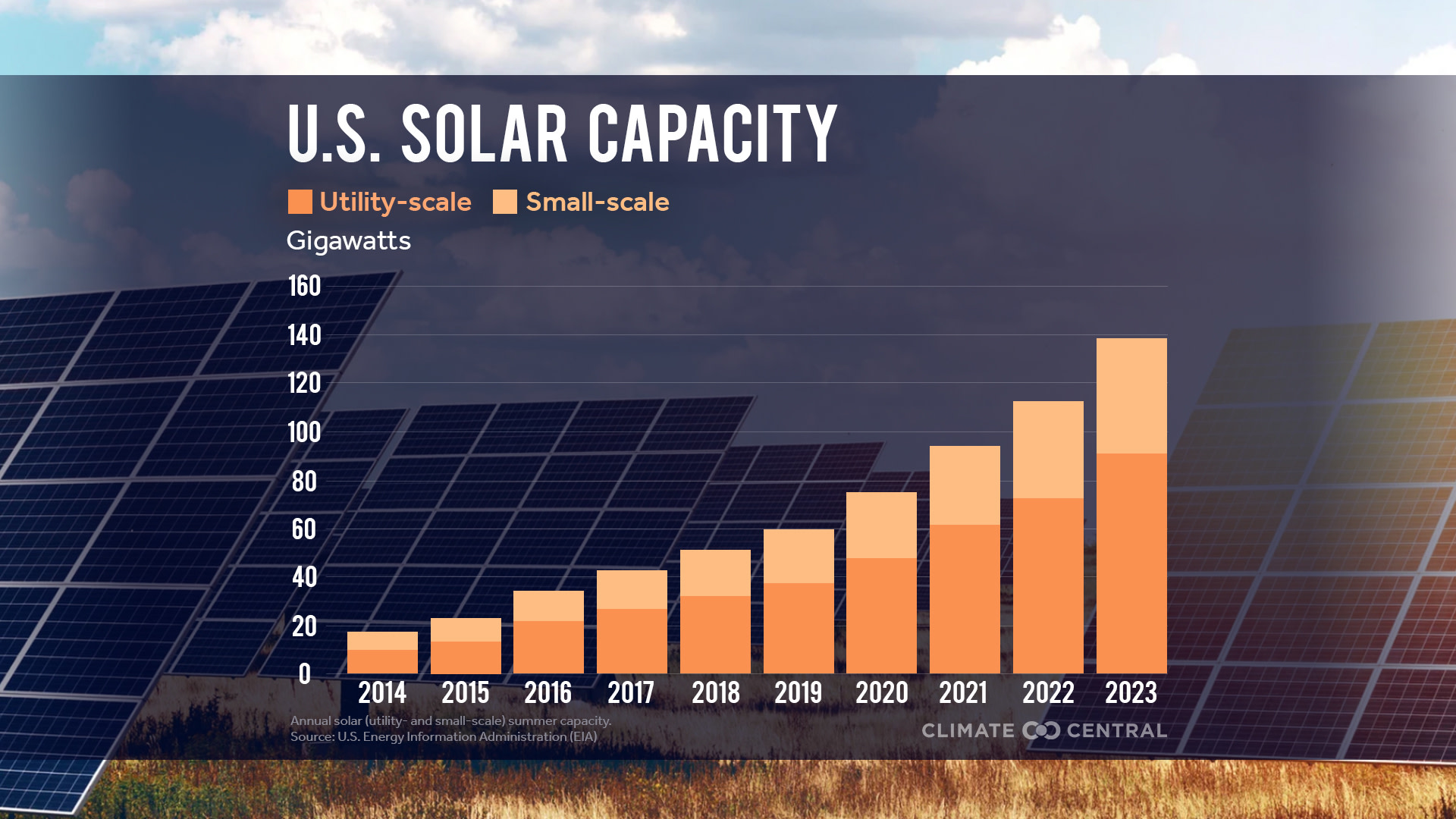
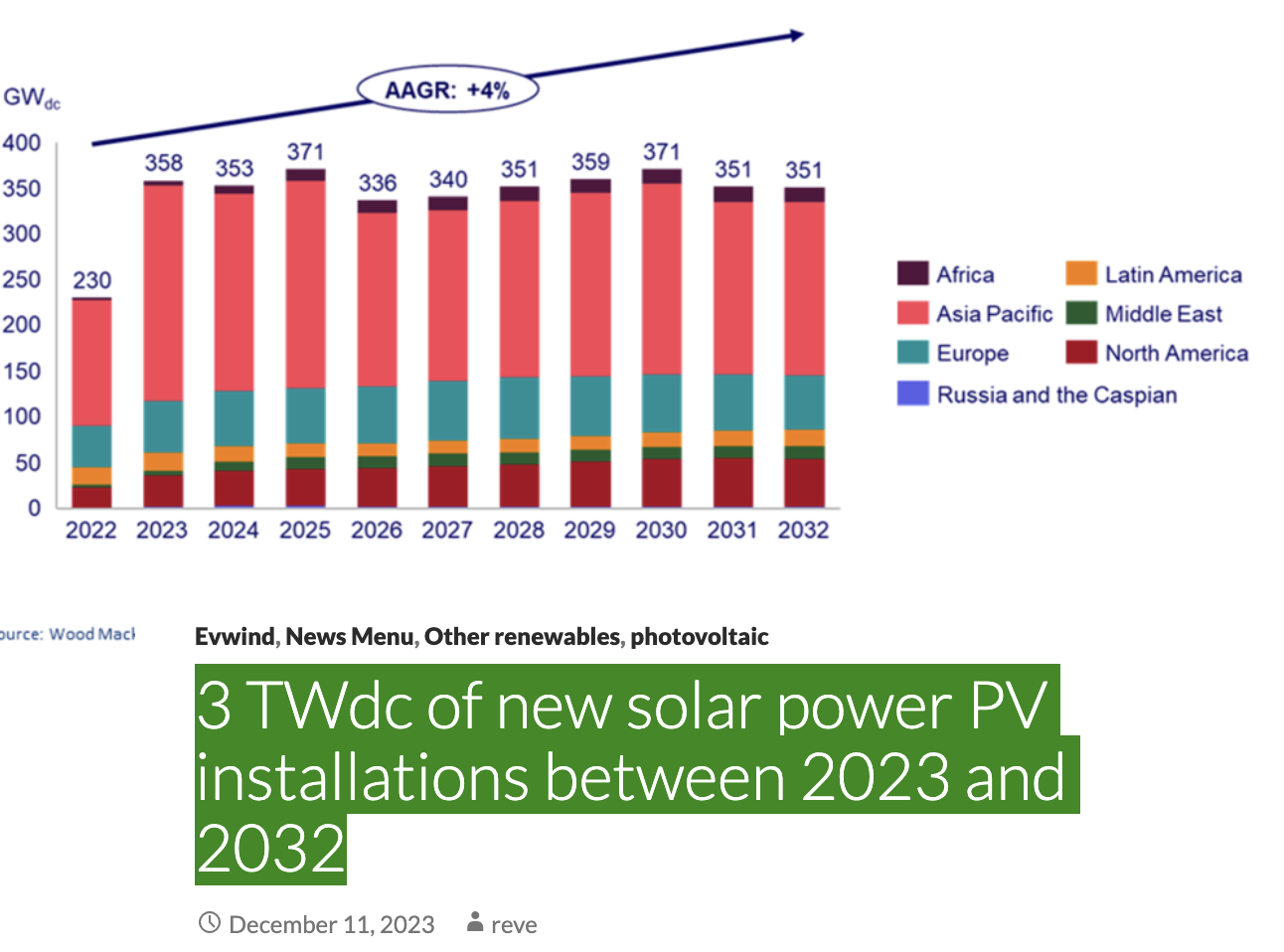
The landscape of renewable energy generation has shifted from niche pilot projects to the bedrock of modern grid infrastructure. Across utility-scale installations, commercial rooftops, and distributed residential systems, photovoltaic (PV) technology continues to set deployment records. This expansion is propelled by structural declines in hardware manufacturing costs, most notably polysilicon, wafers, and module assembly, alongside robust government tax incentives and renewable portfolio standards.
Geographically, deployment is highly concentrated, though emerging markets in Latin America, Southeast Asia, and the Middle East are accelerating their capacity additions. China remains the dominant manufacturing and deployment powerhouse, accounting for a substantial majority of global solar additions. Meanwhile, the United States and European Union balance rapid deployment with domestic industrial policy initiatives designed to reshore supply chains and reduce reliance on single-country manufacturing hubs.
Utility-Scale vs. Distributed Generation
The deployment of solar infrastructure generally bifurcates into two distinct operating models: utility-scale solar farms and distributed generation (DG). Each model serves a unique purpose within the broader energy ecosystem, carrying distinct financial, regulatory, and engineering characteristics.
- Utility-Scale Installations: These multi-megawatt or gigawatt-scale projects feed electricity directly into transmission networks. They benefit from significant economies of scale, lower per-watt installation costs, and centralized maintenance. However, they frequently require extensive high-voltage transmission line upgrades to move power from remote generation sites—often in arid or high-irradiance regions—to urban demand centers.
- Distributed Generation (DG): Encompassing residential rooftop arrays, commercial building systems, and community solar gardens, DG places generation assets at the point of consumption. This model minimizes transmission line losses and enhances localized grid resilience. Nevertheless, DG faces complex interconnection procedures, localized grid saturation, and varying net metering policies that dictate consumer compensation for exported power.
Comparative Overview of Solar Deployment Segments
| Segment | Typical Scale | Primary Advantage | Core Bottleneck |
|---|---|---|---|
| Utility-Scale | 10 MW to 1+ GW | Lowest levelized cost of electricity (LCOE) | Transmission queue delays, land acquisition |
| Commercial & Industrial (C&I) | 100 kW to 10 MW | High daytime load matching, offset peak tariffs | Roof structural integrity, complex lease agreements |
| Residential Rooftop | 3 kW to 20 kW | Energy independence, localized resilience | Interconnection bottlenecks, changing net billing rules |
Grid Integration and the Interconnection Bottleneck
As solar penetration increases, power grids face unprecedented operational pressures. Traditional electrical grids were designed around centralized, dispatchable fossil-fuel and nuclear generators that could ramp output up or down to match real-time demand. Solar power, by contrast, is variable and intermittent, dictated by diurnal cycles and atmospheric conditions.
This intermittency creates the classic "duck curve" phenomenon, characterized by steep net load ramps in the evening when solar generation drops off simultaneously as residential electricity demand peaks. Managing these ramps requires massive investments in flexible grid assets, fast-ramping peaker plants, demand-response programs, and grid-scale battery energy storage systems (BESS).
Compounding technical integration challenges is the administrative backlog in transmission interconnection queues. Independent system operators (ISOs) and regional transmission organizations (RTOs) face thousands of gigawatts of generation and storage projects waiting in line for grid impact studies. The sheer volume of applications, paired with outdated regional transmission planning frameworks, means that viable solar projects often face multi-year delays before receiving permission to connect to the grid.
Supply Chain Complexities and Critical Mineral Demands
The exponential scaling of solar installations relies on complex global supply chains for critical raw materials and refined components. While silicon is abundant, the production chain requires high-purity polysilicon, silver for photovoltaic metallization pastes, copper for wiring, and aluminum for mounting structures.
Furthermore, thin-film solar technologies and advanced bifacial modules incorporate specialty materials such as tellurium, indium, and gallium. The extraction, processing, and refining of these inputs are often geographically concentrated, exposing the solar industry to geopolitical friction, trade restrictions, and price volatility. Policymakers in major economies have responded by enacting legislation like the United States Inflation Reduction Act and the European Union’s Net Zero Industry Act, which use subsidies and domestic content requirements to stimulate local manufacturing ecosystems. However, building out upstream refining and manufacturing capacity requires significant capital expenditure and environmental permitting lead times, creating a temporary mismatch between green energy demand and supply chain maturity.
Land-Use Conflicts and Environmental Footprints
Utility-scale solar installations require vast surface areas to capture diffuse solar radiation. Consequently, the transition to clean energy frequently intersects with competing land uses, including agricultural production, forestry, and ecological conservation.
- Agrivoltaics: To mitigate land-use competition, researchers and developers are increasingly exploring agrivoltaics—the simultaneous use of land for both solar photovoltaic power generation and agriculture. By mounting panels higher off the ground and spacing rows appropriately, agricultural land can support shade-tolerant crops, livestock grazing, and pollinator habitats while generating electricity.
- Habitat Fragmentation: Large clearing operations for solar farms can disrupt local flora and fauna, displace sensitive wildlife species, and alter natural drainage patterns. Environmental impact assessments must carefully weigh these local ecological disruptions against the broader, long-term climate benefits of displaced carbon emissions.
The Unresolved Question of End-of-Life Recycling
A pressing structural challenge facing the global solar industry is waste management. Standard photovoltaic panels are designed for multi-decade lifespans, typically guaranteed for 25 to 30 years. Consequently, the massive wave of installations deployed during the solar boom of the 2010s will begin reaching retirement age en masse in the coming decades.
Recycling solar panels is technologically feasible but economically complex. PV modules are composed of laminated layers of glass, silicon, aluminum frames, copper wiring, and polymer encapsulants, bonded together to withstand harsh weather. Separating these materials safely without releasing toxic trace elements (such as lead or cadmium in specific thin-film variants) requires specialized mechanical and chemical processing facilities.
Currently, the global infrastructure for utility-scale PV recycling is underdeveloped. In many jurisdictions, solar panels are treated as general commercial or municipal waste, leading to premature disposal in landfills. Establishing a circular economy for solar hardware requires mandatory producer responsibility laws, standardized module designs that facilitate disassembly, and dedicated economic incentives to make recycling cost-competitive with raw material extraction.
Frequently Asked Questions
What are the primary drivers behind the continuous cost reduction of solar power?
The long-term decline in solar power costs is primarily driven by manufacturing economies of scale, technological advancements in silicon wafer manufacturing, and higher module efficiencies via passivated emitter and rear cell (PERC) and tunnel oxide passivated contact (TOPCon) architectures. Automated production lines and cumulative manufacturing experience have consistently lowered the per-watt capital expenditure required for hardware.
Why do solar projects face long delays in grid interconnection queues?
Grid interconnection queues are backlogged because the volume of proposed solar and storage projects far exceeds the current physical capacity of regional transmission networks. Transmission operators must perform rigorous engineering impact studies to ensure that adding new generation will not overload transformers, destabilize voltage levels, or threaten system reliability. Outdated planning frameworks and a lack of regional transmission lines exacerbate these bottlenecks.
How does agrivoltaics help resolve land-use conflicts?
Agrivoltaics integrates agricultural activities directly beneath and between solar panel arrays. This practice preserves arable land for farming or livestock grazing, reduces water evaporation rates in arid environments by providing partial shade to crops, and diversifies landowner revenue streams by combining agricultural yields with electricity generation.
What environmental challenges are associated with solar panel recycling?
Solar panels contain valuable materials like silicon, silver, and copper, alongside hazardous trace elements like lead. Traditional disposal methods send decommissioned panels to landfills, risking toxic leaching. Specialized recycling facilities can recover these materials, but the process is energy-intensive and often economically unviable without regulatory mandates or standardized module disassembly designs.
How do battery energy storage systems (BESS) address solar intermittency?
Battery energy storage systems store excess electricity generated during peak daylight hours when solar production exceeds grid demand. This stored energy is then discharged during evening ramp periods or cloudy intervals, stabilizing frequency fluctuations, smoothing out the duck curve, and ensuring a continuous, reliable power supply.
Next Actions for Industry Stakeholders
Navigating the next phase of global solar deployment requires coordinated action across the energy sector. Project developers must prioritize early engagement with grid operators to streamline interconnection studies and integrate advanced battery storage assets into facility designs. Policymakers need to establish clear, enforceable recycling mandates and extended producer responsibility frameworks to avert an incoming wave of electronic waste. Finally, continued investment in transmission infrastructure and agrivoltaic research will remain vital for balancing rapid generation growth with environmental stewardship and grid reliability.
Image Gallery