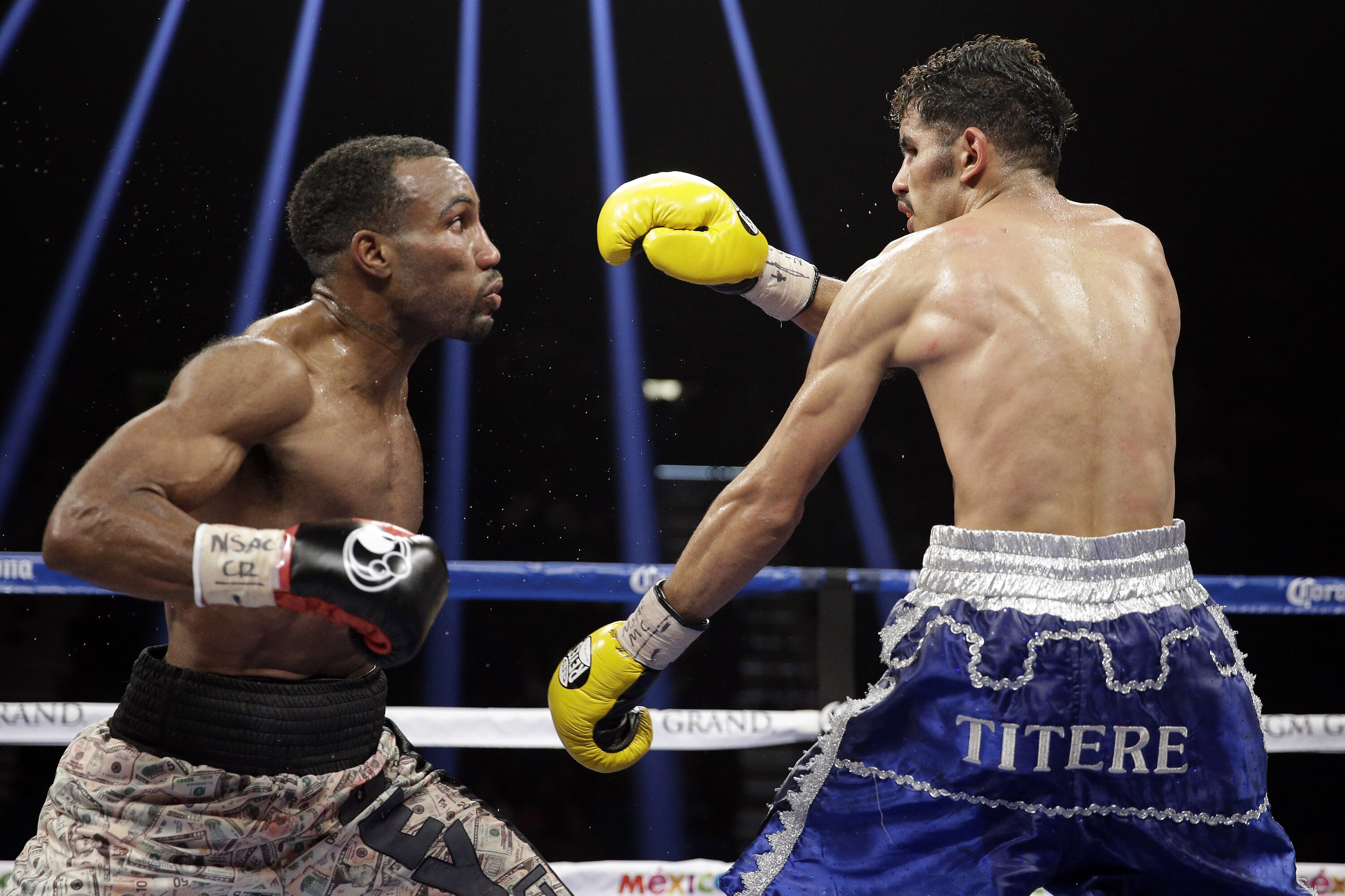
Mickey Bey Net Worth: Financial Analysis and Career Earnings
Mickey Bey holds an estimated net worth between $1 million and $3 million, accumulated primarily through his career as a professional boxer, championship bouts, coaching endeavors, and involvement in the combat sports industry. The fin...
Mickey Bey holds an estimated net worth between $1 million and $3 million, accumulated primarily through his career as a professional boxer, championship bouts, coaching endeavors, and involvement in the combat sports industry.
Contents
The financial standing of a professional athlete operating outside the mainstream heavyweight or pay-per-view megastars requires careful contextualization. While names like Floyd Mayweather or Canelo Alvarez dominate discussions of boxing fortunes, elite contenders, former world champions, and skilled technicians like Mickey Bey navigate a different financial ecosystem. Evaluating Mickey Bey net worth involves examining his career earnings from world title fights, purses sanctioned by major organizations, coaching roles within elite gyms, and the broader economics of professional boxing.
Early Life, Amateur Background, and Professional Transition
Mickey Bey Jr. was born on June 27, 1983, in Cleveland, Ohio. Before entering the lucrative world of professional prize fighting, Bey built a formidable amateur pedigree. Amateur boxing, while crucial for developing technical skills and securing a spot on national teams, offers virtually no direct financial compensation compared to the professional ranks. However, success at the amateur level lays the groundwork for promotional backing and initial signing bonuses.
As an amateur, Bey compiled an impressive record and earned recognition on the national stage, which attracted the attention of boxing managers and promoters. Transitioning to the professional ranks in 2005, Bey relocated to Las Vegas, Nevada—the epicenter of the professional boxing world. Training in Las Vegas allowed him to integrate into elite sparring circles, notably working closely with Floyd Mayweather Jr. and the Mayweather Promotions stable. This association elevated his profile within the industry, positioning him for better-paying preliminary and televised bouts on cards promoted by top-tier promotional entities.
Championship Bouts and Career Purse Earnings
The primary driver of any professional boxer's net worth is purse earnings from televised fights, pay-per-view undercard appearances, and championship matches. Bey's career reached its competitive peak in September 2014 when he faced Miguel Vázquez for the International Boxing Federation (IBF) lightweight title.
In a closely contested bout at the MGM Grand Garden Arena in Las Vegas, Bey secured a split decision victory to capture the IBF lightweight world championship. While championship titles bring prestige and elevate an athlete's earning potential, purses for secondary or non-megafight title bouts vary significantly. In the mid-2010s, a lightweight title holder fighting on cable networks like Showtime or HBO might have earned purses ranging from $50,000 to several hundred thousand dollars per defense, depending on the gate receipts, television licensing fees, and promotional contracts.
| Fight Opponent | Event / Title | Venue | Estimated Purse / Financial Significance |
|---|---|---|---|
| Miguel Vázquez | IBF Lightweight Title Bout (2014) | MGM Grand, Las Vegas | Career-high championship purse; established title-holder status. |
| Denis Shafikov | IBF Lightweight Title Defense (2015) | The Pearl, Las Vegas | Mandatory defense purse; subsequent vacation of the title. |
| Rances Barthelemy | IBF Lightweight Title Contender Bout | Hard Rock Hotel, Las Vegas | High-exposure televised bout with competitive purse. |
| George Kambosos Jr. | Lightweight Bout (2019) | MGM Grand, Las Vegas | Late-career high-profile undercard appearance. |
Following his title victory, Bey faced mandatory challengers, including a bout against Denis Shafikov in November 2015, where Bey won via technical knockout in the eighth round. Disputes regarding promotional obligations and sanctioning fees often impact the net take-home pay of fighters at this level. Managers, trainers, cutmen, and promotional cuts typically take between 20% to 40% of a fighter's gross purse, meaning gross earnings do not directly translate to personal net worth.
Post-Fighting Career: Coaching, Training, and Gym Economics
As active competitors transition away from frequent bouts, sustaining and growing personal net worth shifts toward alternative revenue streams within the sport. Mickey Bey transitioned into a prominent role as a trainer and coach within the Las Vegas boxing community.
Working out of renowned facilities such as the Mayweather Boxing Club, Bey leveraged his decades of ring experience to train upcoming professional prospects and established champions. The economics of boxing training involve weekly retainers, a percentage of fighters' purses (typically 10% for head trainers or assistant trainers), and private lesson fees. Elite trainers who work with world-class athletes can command substantial fees, providing a stable, recurring income stream that outlasts an athlete's active fighting years.
Additionally, Bey has occasionally participated in exhibition matches or consulting roles, further diversifying his income. Smart financial management, real estate investments in the greater Las Vegas area, and avoiding the severe financial pitfalls that frequently plague retired fighters have helped preserve his estimated $1 million to $3 million net worth.
Financial Management and Wealth Preservation in Boxing
Financial volatility is a well-documented challenge within professional combat sports. Unlike athletes in major league team sports with guaranteed contracts, professional boxers are independent contractors responsible for their own training camp expenses, medical insurance, sparring partner stipends, and travel costs.
- Gross Purse Earnings
- Management Commission (15-20%)
- Trainer & Cutman Fees (10-15%)
- Training Camp Overhead (Gym fees, sparring partners, nutrition)
- Promotional & Licensing Deductions
- Net Take-Home Income (Subject to federal and state taxes)
During active competition years, a significant percentage of a boxer's gross purse is immediately depleted before hitting their personal bank account. Furthermore, boxers face high physical risks that can lead to expensive medical bills, making post-career coaching and strategic asset allocation critical. Bey's longevity in the sport, both as a world champion and a respected cornerman, reflects a pragmatic approach to career management.
Frequently Asked Questions
What was Mickey Bey's biggest career payday?
Mickey Bey's highest-earning bouts occurred during his 2014 IBF lightweight championship victory against Miguel Vázquez and subsequent televised defenses. While exact figures remain private due to promoter confidentiality, championship bouts on major Las Vegas cards typically yielded six-figure purses.
Did Mickey Bey win a world championship?
Yes. Mickey Bey captured the International Boxing Federation (IBF) lightweight world title on September 13, 2014, by defeating Miguel Vázquez via a split decision at the MGM Grand Garden Arena in Las Vegas.
What is Mickey Bey doing now?
Mickey Bey remains active in the sport of boxing primarily as a trainer, coach, and mentor. He works with elite fighters in Las Vegas, utilizing his championship experience to guide the next generation of professional boxers.
How do professional boxers build sustainable net worth?
Boxers build long-term wealth by pairing purse earnings from title fights with disciplined financial management, real estate acquisitions, and post-retirement income sources such as elite coaching, gym ownership, and media commentary.
Why do estimates of athlete net worth vary?
Net worth figures published online are estimates derived from publicly available fight purses, reported promotional contracts, estimated training fees, and known real estate holdings. They do not account for private taxes, management fees, training expenses, or personal liabilities.
Next Actions and Conclusion
For analysts and fans tracking fighter economics, examining figures like Mickey Bey net worth requires looking beyond the glitz of pay-per-view spectacles down to the foundational economics of elite training camps, management splits, and post-fighting enterprise. Aspiring fighters and sports business analysts studying this career path should review standard promotional contracts, sanctioning body fee structures, and modern coaching revenue models to gain a complete picture of wealth generation in combat sports.
Image Gallery