Eddie Guerrero: Age, Wrestling Timeline, and Legacy in Professional Wrestling
Eddie Guerrero was 38 years old when he passed away on November 13, 2005. Born on October 9, 1967, his career spanned nearly two decades, during which he evolved from a high-flying technician in Mexico and Japan to a globally recognize...
Eddie Guerrero was 38 years old when he passed away on November 13, 2005. Born on October 9, 1967, his career spanned nearly two decades, during which he evolved from a high-flying technician in Mexico and Japan to a globally recognized main-event superstar and WWE Champion. His journey remains one of the most studied trajectories in professional wrestling history due to his profound technical skill, charisma, and narrative evolution.
Contents
The Chronology of Eddie Guerrero’s Wrestling Career
To understand Eddie Guerrero’s age in the context of wrestling history, it is necessary to examine the distinct phases of his professional life. Unlike many wrestlers who find success through physical stature alone, Guerrero’s rise was built on a foundation of generational expertise and an obsession with the nuances of ring psychology.
The Early Years: Mastering the Craft (1987–1994)
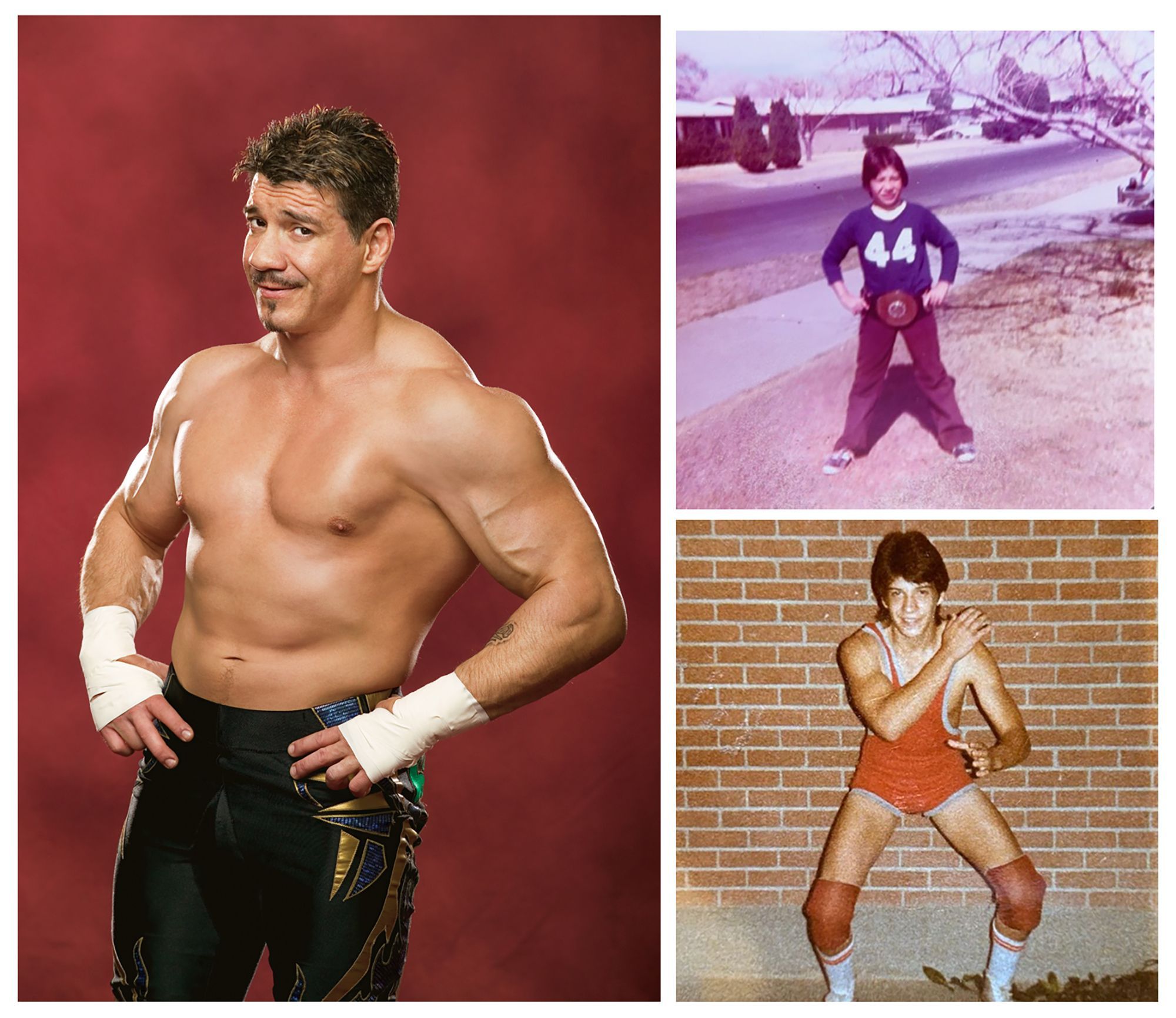
Eddie Guerrero entered the professional circuit in 1987 at the age of 20, debuting for the Mexican promotion CMLL (Consejo Mundial de Lucha Libre). During these formative years, he did not rely on his surname as a shortcut; instead, he spent years honing his technical proficiency in the lucha libre style. By the time he transitioned to New Japan Pro-Wrestling (NJPW) in the early 1990s, he had established himself as a world-class "worker."
His time in Japan, specifically as the masked persona Black Tiger, allowed him to refine his aerial maneuvers and strike sequences. This period was essential for his development, as it forced him to communicate with audiences who did not share his native language, relying instead on high-stakes, high-speed storytelling—a skill that would define his future appeal.
The Mid-Career Transition: ECW and WCW (1995–2001)
Guerrero entered the American mainstream in his late 20s. After brief stints, he joined Extreme Championship Wrestling (ECW) in 1995, where he became known for his classic matches against Dean Malenko. This cemented his reputation as one of the best in-ring performers of his generation.
At 28, he moved to World Championship Wrestling (WCW). This era of his career (1995–2001) was marked by immense professional frustration and personal volatility. Despite his clear talent, WCW’s creative direction often sidelined technical wrestlers in favor of massive stars. By his early 30s, Guerrero had become a victim of the "mid-card" glass ceiling, yet he still managed to lead the Latino World Order (LWO) storyline, showcasing his ability to elevate mediocre scripts into compelling television.
The Final Act: WWE Success and Redemption (2002–2005)
The most significant period of Guerrero’s career began when he signed with WWE in 2002. At age 34, he was no longer a prospect; he was a veteran with a lifetime of experience. His path in WWE is defined by his recovery from personal substance abuse issues, his firing in 2001, and his subsequent return in 2002, which fans and analysts view as a masterclass in professional rehabilitation.
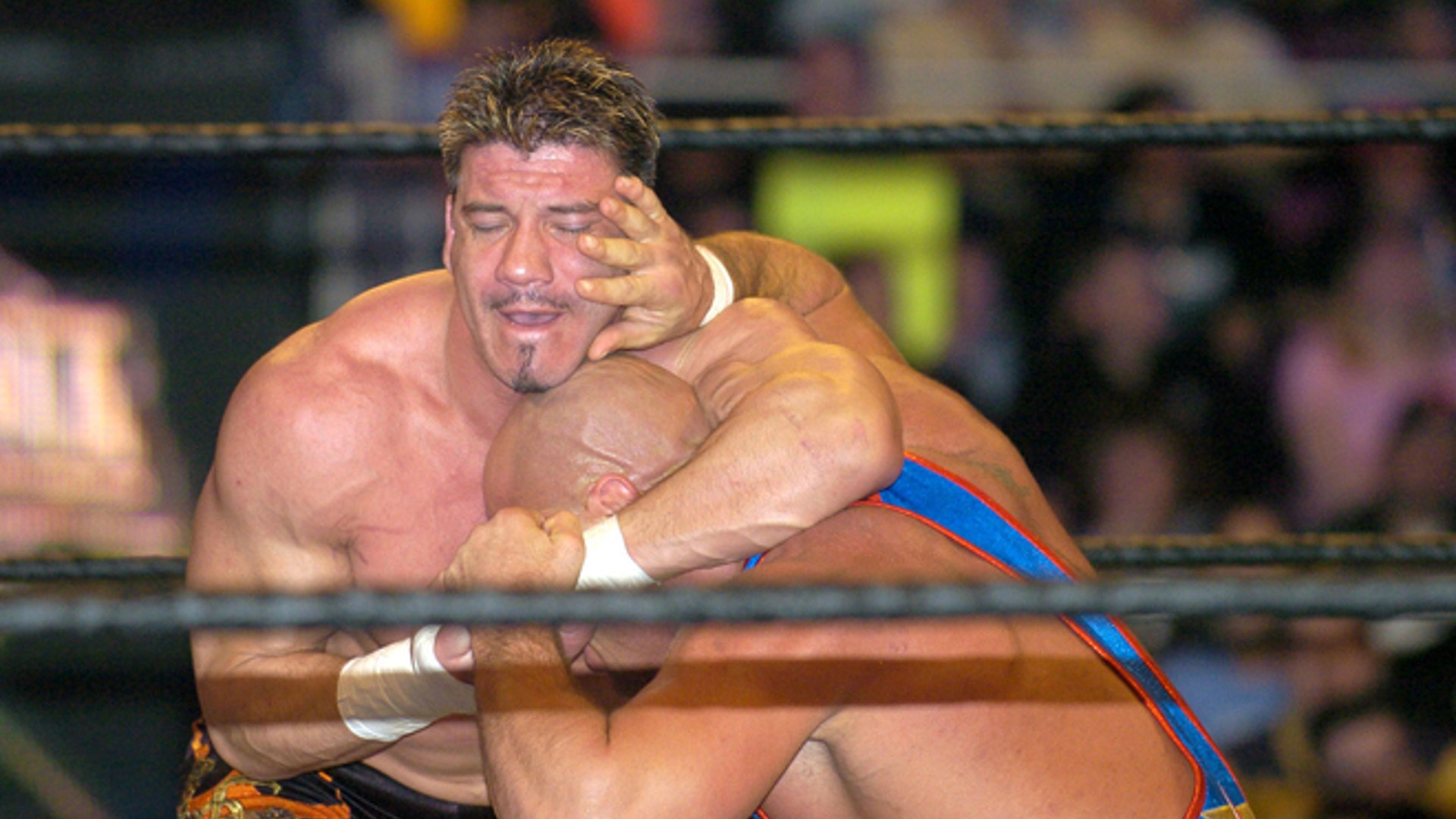
At 36, he captured the WWE Championship at No Way Out in 2004 by defeating Brock Lesnar. This victory was not merely a title change; it was the culmination of his life's work. Between the ages of 36 and 38, Guerrero sat at the absolute pinnacle of the industry, influencing a new generation of wrestlers with his "Lie, Cheat, and Steal" persona, which balanced villainous cunning with genuine, relatable vulnerability.
Key Milestones and Age Comparisons
The following table provides a breakdown of significant milestones in Eddie Guerrero’s career relative to his age.
| Milestone Year | Age | Professional Context |
|---|---|---|
| 1987 | 20 | Professional debut in Mexico (CMLL). |
| 1992 | 25 | Touring Japan as Black Tiger in NJPW. |
| 1995 | 28 | Signed with ECW; renowned for technical matches. |
| 1996 | 29 | Joined WCW; began the cruiserweight revolution. |
| 2002 | 35 | Returned to WWE; solidified main-event status. |
| 2004 | 36 | Won the WWE Championship at No Way Out. |
| 2005 | 38 | Final major appearances; death in Minneapolis. |
Technical Evolution and Influence
Guerrero’s influence on the wrestling industry stems from his transition from a pure "technical wrestler" to a "total package" entertainer. By his mid-30s, he had mastered the art of "heat management"—the ability to control the emotions of a live audience. Whether he was a beloved underdog or a duplicitous antagonist, he understood the precise moment to execute a maneuver to elicit the maximum crowd response.
His influence is evident today in the styles of countless wrestlers who blend high-flying athleticism with complex character work. He proved that a wrestler does not need to be a heavyweight powerhouse to hold the top title in a major organization, provided they possess the charisma and psychological depth to carry a segment.
Historical Context of His Passing
Eddie Guerrero died on November 13, 2005, in Minneapolis, Minnesota. The cause of death was acute heart failure, identified by the medical examiner as a result of atherosclerotic cardiovascular disease.
At the time, he was 38 years old. His death occurred at a time when he was arguably in the best creative position of his life, functioning as one of the primary focal points of the WWE brand. The tragedy served as a profound turning point for the professional wrestling industry, leading to significantly more rigorous wellness policies and medical testing for performers. In the years following 2005, organizations became increasingly focused on cardiovascular health, heart screenings, and the long-term impact of the industry's physical toll on its stars.
Frequently Asked Questions
How long was Eddie Guerrero a professional wrestler? Eddie Guerrero wrestled professionally for 18 years, starting his career in 1987 and continuing until his passing in 2005.
Was Eddie Guerrero considered an older wrestler when he won the WWE Championship? At 36, Guerrero was considered a seasoned veteran. In the context of 2004, this age was viewed as the "prime" of a technical wrestler's career, as he possessed both the physical ability and the narrative experience required to carry a major promotion.
How does his age at death compare to other wrestling legends? Guerrero passed away at 38, which is significantly younger than the average life expectancy. His death is often cited alongside other major industry losses of that era, highlighting the extreme physical stress wrestlers face during their careers.
What was his final championship reign? His final major accolade was the WWE Tag Team Championship, which he held with Rey Mysterio in 2005. He was 37 at the time of that victory.
Is there a specific wrestling style associated with his age? Guerrero’s style changed as he aged. In his 20s, he focused on high-speed lucha maneuvers. In his 30s, he pivoted toward a more grounded, psychology-heavy style that prioritized timing and crowd manipulation over pure athleticism.
Recommendations for Further Study
For those interested in the historical impact of Eddie Guerrero, examining the 2004 WWE No Way Out event is essential. It provides a clear snapshot of a performer at his absolute peak—physically, psychologically, and narratively. Furthermore, reviewing the industry-wide adjustments to medical testing protocols implemented by major promotions following 2005 offers insight into how his legacy fundamentally altered the safety requirements of modern professional wrestling.
Image Gallery