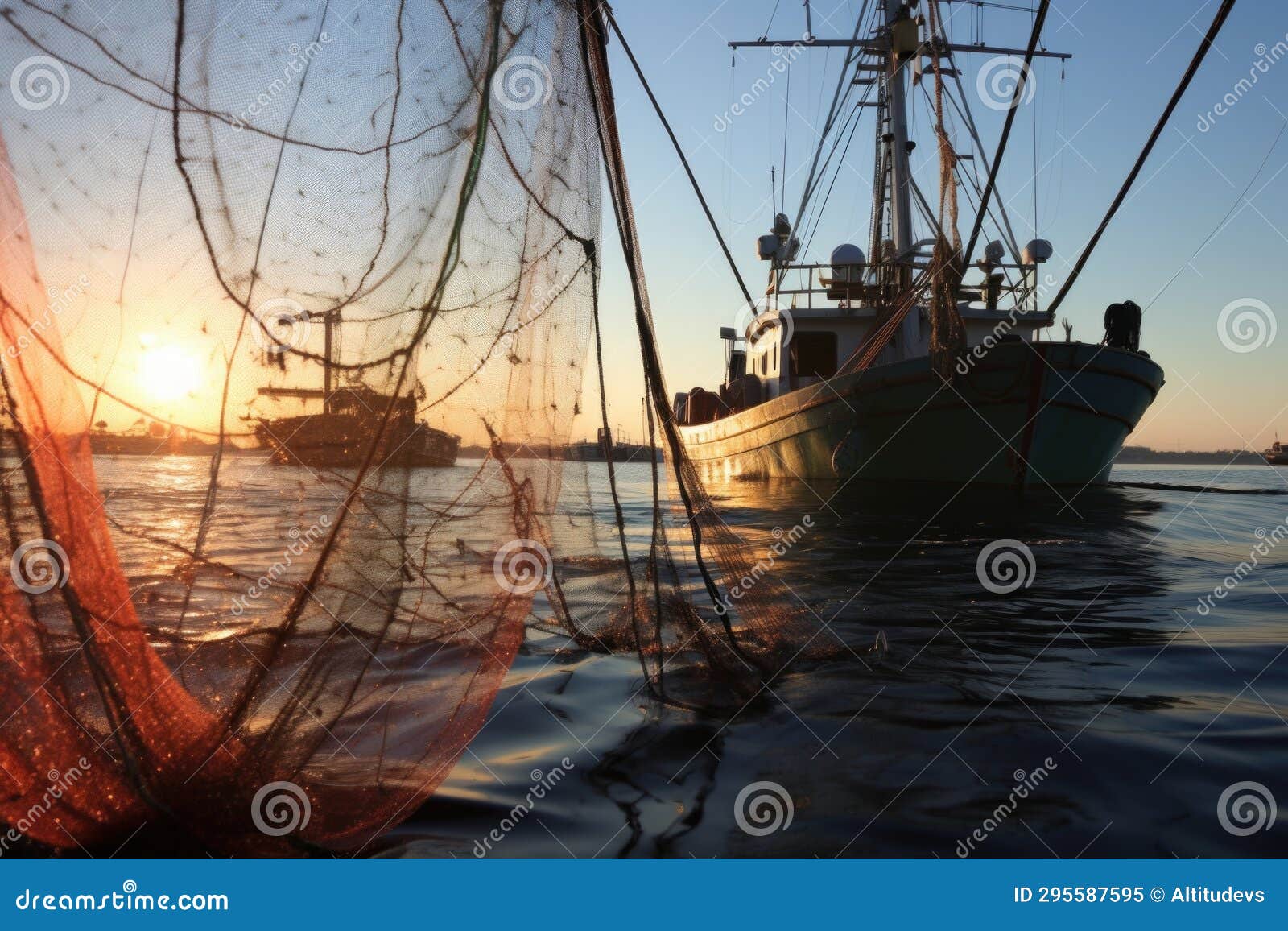
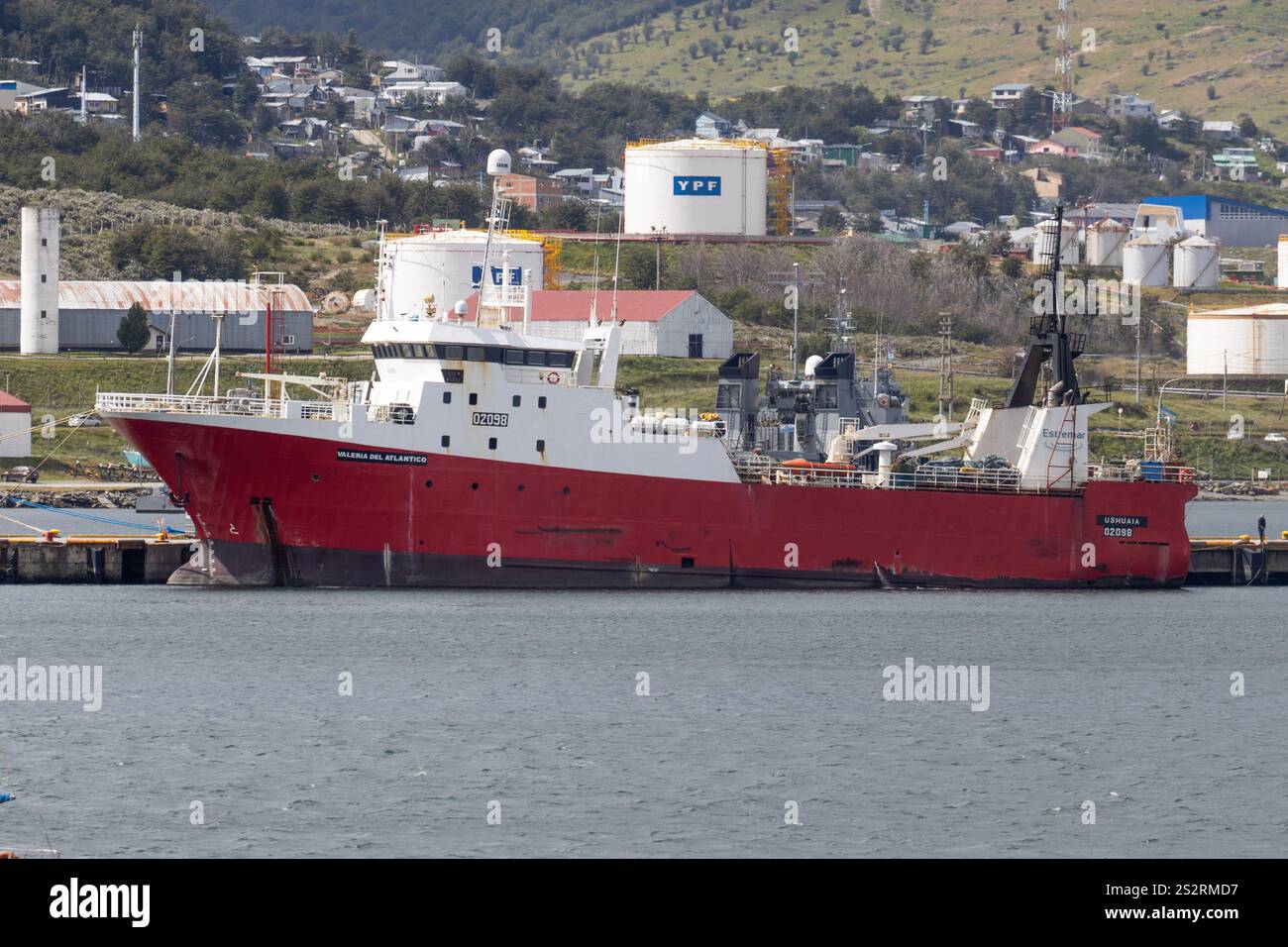
How a Fishing Factory Ship Changes Modern Catches
A fishing factory ship changes modern catches by integrating industrial-scale harvesting with on-board processing, freezing, and packaging capabilities, allowing vessels to remain at sea for months while converting raw marine life into...
A fishing factory ship changes modern catches by integrating industrial-scale harvesting with on-board processing, freezing, and packaging capabilities, allowing vessels to remain at sea for months while converting raw marine life into market-ready commodities directly over the fishing grounds.
Contents
The commercial seafood sector has undergone a profound structural shift over the past several decades. Traditional coastal fishing fleets, constrained by the limited hold capacity of smaller vessels and the rapid degradation of unchawed or simply iced fish, were forced to make frequent trips back to port. This operational bottleneck limited both the geographic range of operations and the overall volume of catch.
The advent and modernization of the modern fishing factory ship—often categorized as a factory trawler, factory freezer vessel, or processing vessel—fundamentally rewrote these limitations. By functioning as a mobile, self-sustaining maritime processing plant, these vessels alter how catches are harvested, preserved, evaluated, and distributed across global commodity markets. Understanding how these massive vessels operate requires looking at the technological integration, economic pressures, regulatory frameworks, and ecological impacts that define modern industrial fisheries.
Anatomy of an Industrial Fishing Factory Ship
Unlike conventional fishing boats that rely on external cold storage chains on land, a factory ship is engineered to execute the entire post-harvest supply chain on the open ocean. These vessels are marvels of marine engineering, typically measuring between 60 and over 120 meters in length, and equipped with powerful propulsion and stabilization systems designed to operate in severe weather environments like the North Pacific, the Bering Sea, and the Southern Ocean.
The core of a factory ship’s functionality lies in its internal layout, which mimics a land-based food processing plant. The lower decks house massive holds capable of storing thousands of metric tons of product at ultra-low temperatures, usually maintained between minus 25 and minus 30 degrees Celsius. Above these storage holds are the processing decks, where automation reigns supreme.
| Operational Stage | Technical Function & Equipment |
|---|---|
| 1. Harvesting | Midwater or bottom trawling pulling heavy nets. |
| 2. Bleeding/Washing | Automated conveyor systems and rapid chill tanks. |
| 3. Processing | Mechanical grading, filleting, and de-boning. |
| 4. Preservation | Plate freezers, blast freezers, or canning lines. |
| 5. Packaging | Vacuum sealing, boxing, and barcode labeling. |
| 6. Cold Storage | Sub-zero holds maintaining core product integrity. |
Transforming the Catch: From Sea to Shelf in Hours
The primary mechanism by which a factory ship changes modern catches is speed of preservation. In traditional fishing operations, fish caught via trawl, longline, or gillnet experience a degradation curve the moment they leave the water. Enzymatic breakdown, bacterial growth, and oxidation begin immediately, necessitating the use of ice or refrigerated seawater to buy time before reaching a land-based processing plant.
On a factory ship, this temporal window is compressed dramatically.
- Continuous Trawling and Hauling: Large midwater or bottom nets are hauled up via stern ramps directly into a sheltered processing hangar, protecting the catch from environmental exposure.
- Automated Sorting and Grading: The catch is dumped into large seawater bins, then sorted by species, size, and quality using optical scanners and mechanical graders.
- Precision Processing: Machines perform high-speed gutting, filleting, skinning, and washing with minimal human intervention. For species like Alaska pollock, Pacific cod, or surimi-grade fish, the flesh is separated and washed repeatedly to achieve specific textural and color standards.
- Instantaneous Freezing: The processed meat is loaded into vertical or horizontal plate freezers. These industrial units freeze blocks of fish solid within hours, locking in cellular moisture and preventing the formation of large ice crystals that damage cell walls.
This rapid turnaround means that a fillet frozen in the middle of the Bering Sea retains a biochemical freshness profile that rivals, and in some cases exceeds, fish transported fresh over long distances by land or air.
Economic Scale and Supply Chain Disruption
The deployment of factory ships has altered the economics of global seafood markets by decoupling harvest locations from consumer population centers. Historically, the availability of fresh seafood was strictly regional. Coastal populations enjoyed diverse supplies, while inland markets relied heavily on canned, salted, or frozen imports of variable quality.
Factory ships eliminate geographic friction. Operating under flag states or through international fishing agreements (such as those managed by Regional Fisheries Management Organizations or RFMOs), these vessels can harvest high-value species in remote international waters, process them into consumer-ready portions, and transship them directly to cargo freighters or transport them straight to major import hubs like Busan, Seattle, or Rotterdam.
This efficiency scales down unit costs while maximizing yield utilization. Byproducts that were once discarded overboard—such as frames, heads, and viscera—are frequently routed into on-board rendering plants to produce fish meal and fish oil, which are vital inputs for global aquaculture and agriculture feed industries. Consequently, almost nothing of the primary catch goes to waste, transforming what was once a high-loss, high-bycatch sector into a highly optimized, zero-part-wasted industrial output.
Operational Limitations and Regulatory Scrutiny
Despite their commercial efficiency, the concentration of massive harvesting power in single corporate-owned vessels introduces profound management challenges. The sheer scale of extraction means that any operational error, misreporting of catch volumes, or failure in gear selectivity can result in severe ecological consequences.
Modern fisheries management relies heavily on strict quotas, Total Allowable Catch (TAC) limits, and mandatory monitoring systems. To address the historical risks of overfishing and high-bycatch rates associated with large-scale trawlers, regulatory bodies mandate several oversight mechanisms:
- Electronic Monitoring and Observers: Many jurisdictions require independent, certified fisheries observers to live aboard factory ships for the duration of a trip, auditing catch composition, discards, and marine mammal interactions.
- Vessel Monitoring Systems (VMS): Satellite tracking beacons ensure that factory ships do not trespass into protected marine reserves, closed spawning grounds, or foreign Exclusive Economic Zones (EEZs).
- Gear Modifications: Regulations often require excluder devices within trawl nets, allowing non-target species such as sea turtles, marine mammals, or undersized juveniles to escape before reaching the vessel.
Comparative Overview: Traditional Vessels vs. Factory Ships
Evaluating the impact of factory ships requires a direct comparison with traditional, smaller-scale fishing operations across key operational metrics.
| Operational Metric | Traditional Coastal Vessel | Modern Factory Ship |
|---|---|---|
| Trip Duration | 1 to 5 days | 30 to 120+ days |
| Processing Capability | None (iced or refrigerated whole) | Full industrial processing and freezing |
| Geographic Range | Coastal and regional waters | Open ocean and remote high seas |
| Product Yield Utilization | Lower (high waste from un-gutted transport) | Near total (meat, roe, meal, and oil utilization) |
| Capital Investment | Low to moderate | Extremely high (tens of millions of dollars) |
| Supply Chain Impact | Regional distribution | Global, direct-to-market commodity supply |
Common Challenges and Technological Adaptations
Operating a self-contained floating factory presents unique engineering and logistical hurdles. Maintaining heavy industrial machinery in corrosive marine environments requires continuous, round-the-clock maintenance by specialized marine engineers. Furthermore, fuel consumption is substantial; maintaining dynamic positioning, propulsion, and heavy refrigeration compressors demands continuous, high-capacity power generation, making vessel profitability highly sensitive to global bunker fuel price volatility.
To mitigate these pressures, contemporary fleet operators invest heavily in advanced sensor technology and sonar systems. High-resolution hydroacoustic equipment allows skippers to target specific fish schools with pinpoint accuracy, reducing unproductive tow times and minimizing the unnecessary disruption of benthic habitats caused by dragging gear over the ocean floor.
Frequently Asked Questions
What is the primary difference between a catcher-processor and a traditional fishing boat?
A catcher-processor (factory ship) catches fish and fully processes, freezes, and packages them on board for months at a time. A traditional fishing boat catches fish, stores them on ice or in refrigerated seawater without significant processing, and must return to port frequently to unload the catch before spoilage occurs.
How do factory ships prevent overfishing if they can stay at sea for so long?
Factory ships operate under strict regulatory frameworks, including government-mandated catch quotas, onboard human observers, electronic monitoring systems, and satellite tracking (VMS). If a vessel or fleet reaches its allocated Total Allowable Catch limit before its trip concludes, it must legally cease fishing operations for that species.
What happens to the parts of the fish that are not eaten by humans?
On modern factory ships, fish waste—such as frames, heads, skins, and viscera—is typically routed to an on-board meal plant. There, it is cooked, pressed, and dried to produce high-protein fish meal and omega-3-rich fish oil used in global aquaculture and livestock feeds.
Do factory ships damage the ocean floor?
Some factory ships utilize bottom-trawling gear, which can physically impact benthic habitats and stir up sediment if dragged across sensitive sea floors. However, many modern vessels use pelagic (midwater) trawls that target fish swimming in the water column without contacting the ocean floor, while others are shifting toward longline or pot-fishing configurations to reduce habitat disturbance.
How does freezing fish on a factory ship affect its quality?
Freezing fish immediately after processing on a factory ship utilizes rapid-freezing plate technology that prevents the formation of large ice crystals. This preserves the cellular structure of the flesh, locking in moisture and nutritional integrity so that the product tastes exceptionally fresh when thawed by the end consumer.
Practical Recommendations for Industry Engagement
For stakeholders, seafood buyers, and analysts examining the impact of industrial fishing fleets, transparency and traceability are paramount. When sourcing seafood products harvested by large-scale factory operations, verify third-party certifications—such as those from the Marine Stewardship Council (MSC)—which independently audit fisheries for sustainable stock management, habitat protection, and effective governance. Reviewing public observer reports and compliance records published by fisheries management authorities provides verifiable insight into a vessel's operational integrity and adherence to international conservation standards.
Image Gallery