Why is Egypt Important? A Comprehensive Analysis of Its Global Impact
Egypt is a pivotal global actor because of its unique position as a transcontinental bridge and its legacy as a cradle of civilization. Its control over the Suez Canal makes it indispensable to international trade, while its diplomatic...
Egypt is a pivotal global actor because of its unique position as a transcontinental bridge and its legacy as a cradle of civilization. Its control over the Suez Canal makes it indispensable to international trade, while its diplomatic weight remains central to Middle Eastern and African stability.
Contents
From the dawn of recorded history to the modern geopolitical landscape of 2026, Egypt has maintained a level of influence that few nations can match. Its importance is not derived from a single factor but from a complex intersection of geography, history, culture, and economics. To understand why Egypt remains a focal point of international interest, one must examine its role as a maritime gatekeeper, a diplomatic mediator, and a cultural lighthouse for the Arab and African worlds.
The Geopolitical Significance of the Suez Canal
Perhaps the most tangible reason for Egypt’s global importance is the Suez Canal. This man-made waterway connects the Mediterranean Sea to the Red Sea, providing the shortest maritime route between Europe and the lands lying around the Indian and western Pacific oceans. In 2026, as global supply chains prioritize "just-in-time" delivery and carbon footprint reduction, the canal’s role is more critical than ever.
The canal accounts for approximately 12% of global trade and 30% of the world’s daily shipping container volume. When the canal is obstructed, as seen in historical maritime incidents, the cost to the global economy is measured in billions of dollars per day. For Egypt, the canal is not just a source of national pride but a vital economic artery, generating billions in annual revenue through transit fees.
Beyond mere transit, the Suez Canal Economic Zone (SCZONE) has transformed Egypt into a manufacturing and logistics hub. By offering incentives to international investors, Egypt has leveraged the canal's traffic to build industrial clusters that serve the European and African markets. This strategic development ensures that Egypt is not just a "pass-through" country but a vital link in the manufacturing value chain of the 21st century.
A Bridge Between Continents and Cultures
Egypt’s geography is its destiny. Situated at the northeast corner of Africa and connecting to Asia via the Sinai Peninsula, Egypt is the ultimate transcontinental state. This positioning allows it to project power and influence into both the Mediterranean basin and the Red Sea corridor.
In the context of 2026, this "bridge" status is increasingly relevant to regional security. Egypt acts as a stabilizing force between the volatile regions of the Levant, the Maghreb, and East Africa. Its borders with Gaza, Libya, and Sudan mean that Egypt is often the first responder to regional crises, whether through humanitarian aid or diplomatic mediation.
The Egyptian government has long utilized this geographic advantage to position itself as an indispensable partner for world powers like the United States, China, and the European Union. For the West, Egypt is a key security partner in counter-terrorism and migration management. For the East, Egypt is a vital node in the "Belt and Road Initiative," providing China with a gateway into African and European markets.
The Cradle of Civilization and Historical Legacy
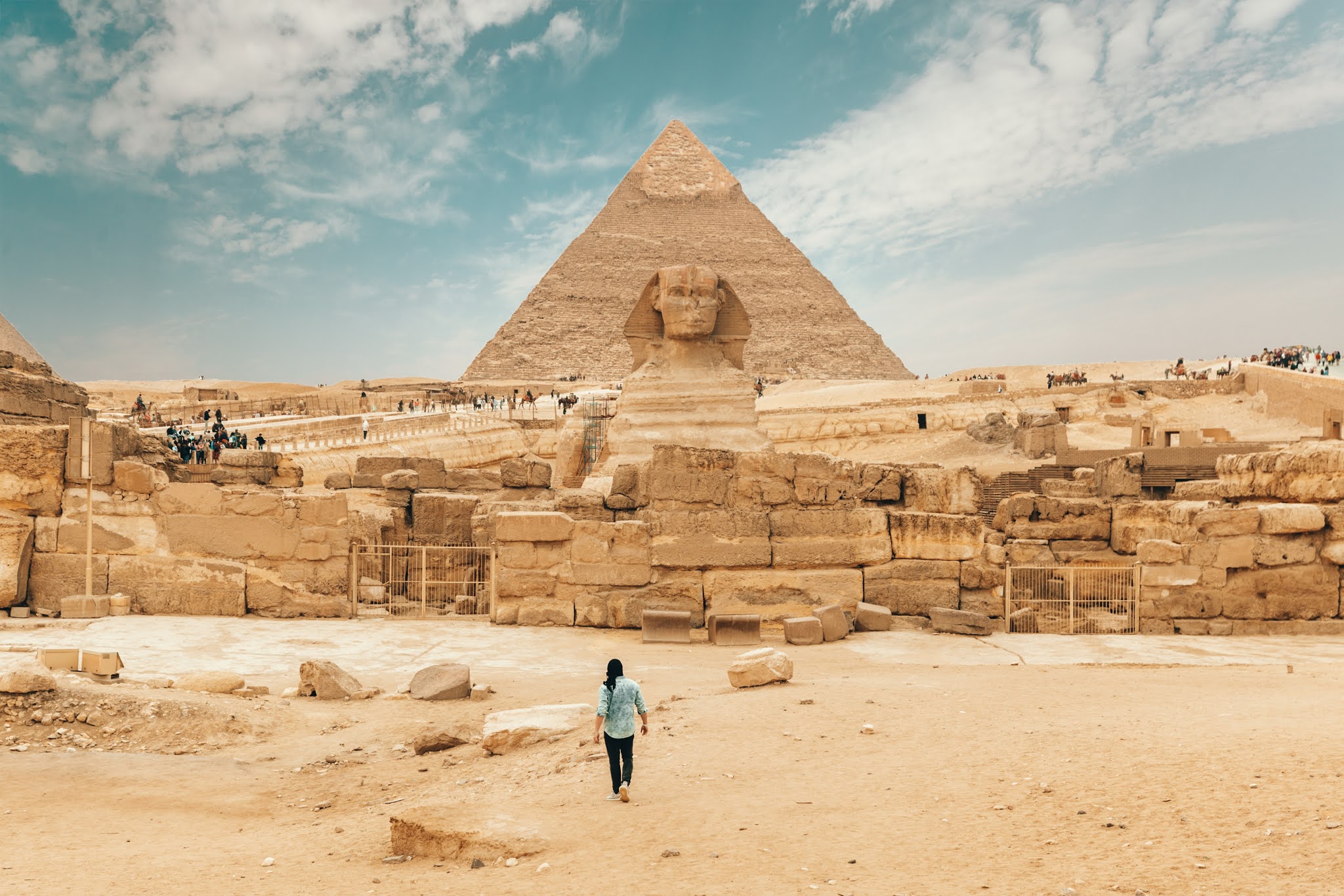
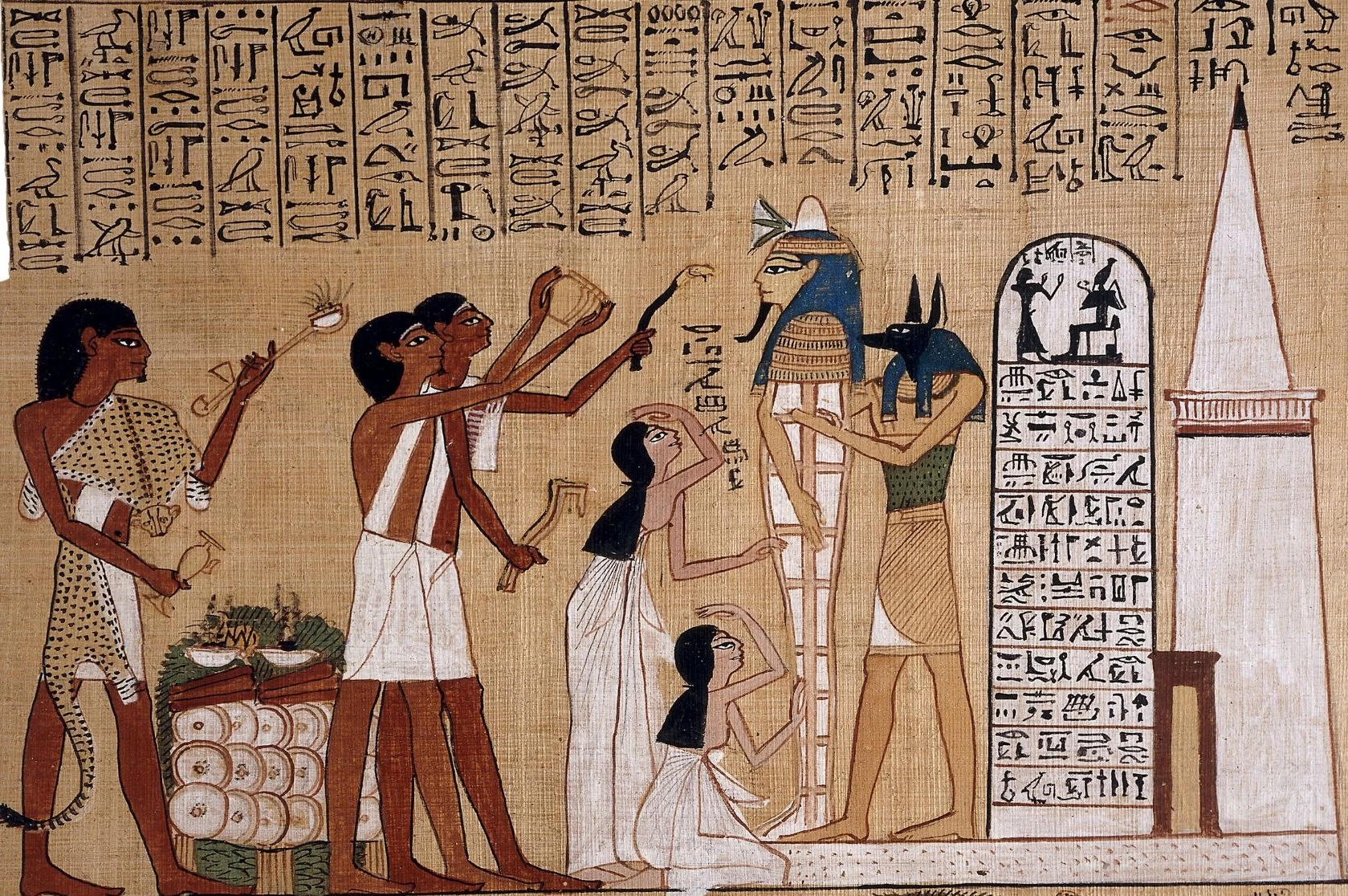
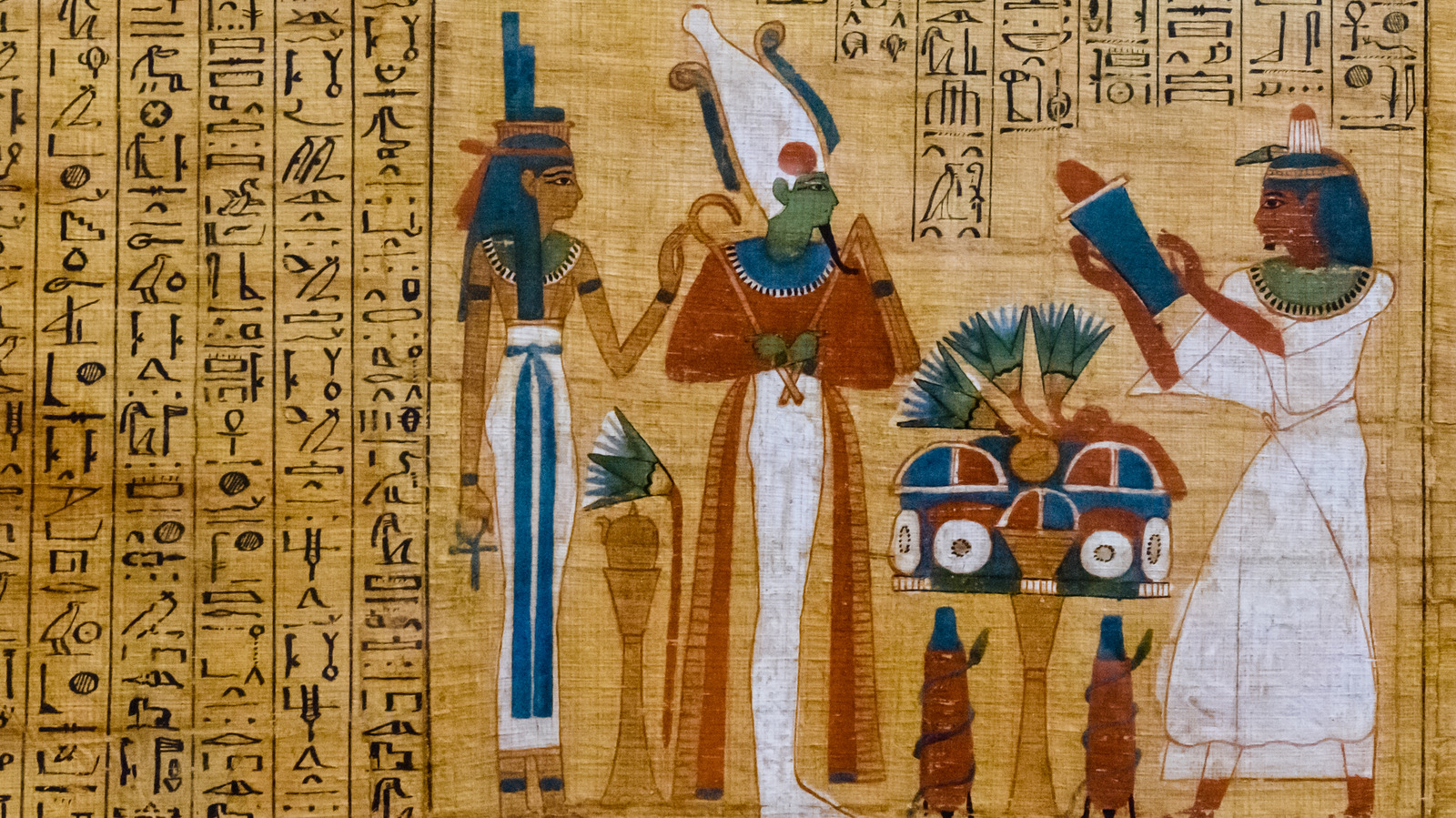
One cannot discuss the importance of Egypt without acknowledging its status as a foundational pillar of human history. The innovations of Ancient Egypt—in mathematics, architecture, medicine, and writing—laid the groundwork for Western and Middle Eastern civilizations.
The preservation of this heritage is a matter of global cultural security. Sites like the Giza Plateau, the Valley of the Kings, and the newly expanded Grand Egyptian Museum (GEM) are not just tourist attractions; they are repositories of the human story. The study of Egyptology continues to provide insights into how early societies managed resources, organized labor, and developed complex religious and legal systems.
In 2026, Egypt’s historical importance translates into significant "soft power." The fascination with Egyptian antiquity ensures a steady stream of international interest, academic collaboration, and cultural exchange. This legacy gives Egypt a unique "brand" that commands respect and attention on the world stage, facilitating its entry into international forums and diplomatic circles.
Diplomatic Leadership and Regional Stability
Egypt has historically been the "beating heart" of the Arab world. While the economic centers of gravity have shifted toward the Gulf states in recent decades, Cairo remains the intellectual and diplomatic center of the region. As a founding member of the Arab League, which is headquartered in Cairo, Egypt plays a lead role in shaping regional policy.
Egypt’s importance in the Israeli-Palestinian peace process cannot be overstated. Due to its historical relationship with both parties and its direct border with the Gaza Strip, Egypt is frequently the only actor capable of brokering long-term ceasefires and managing humanitarian corridors. Its intelligence services and diplomatic corps are veteran observers of regional dynamics, making Egypt a "necessary" partner for any administration in Washington or Brussels seeking to navigate Middle Eastern politics.
Furthermore, Egypt’s role in Africa is expanding. In 2026, Egypt has deepened its engagement with the African Union, focusing on infrastructure projects like the Cape-to-Cairo road and energy grids. By positioning itself as a leader in "South-South cooperation," Egypt ensures that its voice is heard in the rapidly growing economies of Sub-Saharan Africa.
Economic Transformation and Energy Hub Status
In recent years, Egypt has undergone a significant economic shift, moving toward becoming a regional energy hub. The discovery and development of the Zohr Gas Field in the Mediterranean have not only made Egypt self-sufficient in energy but have turned it into a net exporter of liquefied natural gas (LNG).
Egypt’s importance to Europe’s energy security has surged as the continent seeks to diversify its energy sources away from traditional suppliers. Through the East Mediterranean Gas Forum (EMGF), headquartered in Cairo, Egypt coordinates with neighboring countries to optimize gas production and export.
Additionally, as of 2026, Egypt has made massive strides in renewable energy. The Benban Solar Park and numerous wind farm projects in the Gulf of Suez highlight Egypt’s commitment to the green transition. The country is also positioning itself as a leader in Green Hydrogen production, utilizing its vast solar and wind resources to create a new export industry that caters to the decarbonizing global economy.
Comparison of Egypt’s Strategic Assets
| Asset Category | Key Entity/Location | Global Impact |
|---|---|---|
| Trade & Logistics | Suez Canal | Facilitates ~12% of global maritime trade; vital for EU-Asia supply chains. |
| Energy | Zohr Gas Field | Critical LNG provider for Europe; regional energy hub via EMGF. |
| Culture/History | Grand Egyptian Museum | Global center for archaeological research and heritage tourism. |
| Diplomacy | Arab League Headquarters | Central node for Arab world politics and regional conflict mediation. |
| Security | Sinai & Suez Corridor | Essential for counter-terrorism and maritime security in the Red Sea. |
Cultural and Religious Influence
Egypt’s importance is also deeply rooted in its religious and cultural institutions. Al-Azhar Al-Sharif, located in Cairo, is the world's most prestigious institution for Sunni Islamic learning. Its scholars and edicts (fatwas) carry weight across the Muslim world, often serving as a moderate counter-narrative to extremist ideologies.
Culturally, Egypt has long been the "Hollywood of the East." Its cinema, music, and literature (exemplified by Nobel laureate Naguib Mahfouz) have shaped the identity of the modern Middle East. Even in 2026, with the rise of digital streaming and diverse content creators, Egyptian dialects and cultural exports remain the most widely understood and influential across the Arabic-speaking population of over 400 million people.
Environmental and Water Security Issues
Finally, Egypt is a focal point for global discussions on water security and climate change. The Nile River is the lifeblood of the nation, providing 95% of its water needs. Egypt’s ongoing negotiations regarding the Grand Ethiopian Renaissance Dam (GERD) highlight the critical importance of transboundary water management.
The international community watches these developments closely because the stability of Egypt is tied directly to its water security. A crisis in Egypt’s water supply would have cascading effects on regional migration, food security, and political stability, making the management of the Nile a matter of international concern.
Frequently Asked Questions
Why is the Suez Canal so important to the world economy?
The Suez Canal is the fastest sea route between Asia and Europe. Without it, ships would have to navigate around the southern tip of Africa (the Cape of Good Hope), adding approximately 7 to 10 days to the journey and significantly increasing fuel costs and carbon emissions. It is a critical chokepoint for global oil, gas, and consumer goods.
What role does Egypt play in Middle Eastern peace?
Egypt is a primary mediator in regional conflicts, particularly between Israel and Palestinian factions. Its long-standing peace treaty with Israel and its shared border with Gaza make it a unique and necessary partner for regional security. Egypt often hosts peace talks and manages the delivery of humanitarian aid to conflict zones.
Is Egypt a major player in the global energy market?
Yes, especially in the natural gas sector. Egypt has the largest gas reserves in the Eastern Mediterranean and has developed extensive infrastructure to liquefy and export this gas. By 2026, it has also become a burgeoning hub for green hydrogen and renewable energy exports to Europe.
How does Ancient Egypt affect the country's importance today?
Ancient Egypt provides the country with immense "soft power." It is a global center for tourism and archaeology, which fuels the economy and fosters international diplomatic and academic ties. The universal appeal of Egyptian history ensures that Egypt remains a prominent figure in global cultural discourse.
What is the New Administrative Capital, and why does it matter?
The New Administrative Capital (NAC) is a massive urban project designed to relieve pressure on Cairo and modernize Egypt’s administrative functions. In 2026, it serves as the country’s new seat of power, housing government ministries, foreign embassies, and major business districts, signaling Egypt’s intent to become a modern, tech-driven regional leader.
Recommended Next Steps
For those looking to engage with Egypt’s strategic importance, several avenues are available. Investors should focus on the Suez Canal Economic Zone (SCZONE), which offers specific advantages for green energy and logistics companies. Scholars and history enthusiasts should monitor updates from the Ministry of Tourism and Antiquities for the latest archaeological findings and museum openings. Finally, for those interested in regional politics, following the reports from the State Information Service provides official perspectives on Egypt’s ongoing diplomatic missions and economic reforms.
Image Gallery