What is an MA in School Psychology? A Comprehensive Guide to the Degree and Career
A Master of Arts (MA) in School Psychology is a graduate-level degree that integrates psychology and education to support the academic, social, and emotional development of students. It prepares professionals to conduct psychological a...
A Master of Arts (MA) in School Psychology is a graduate-level degree that integrates psychology and education to support the academic, social, and emotional development of students. It prepares professionals to conduct psychological assessments, design behavioral interventions, and consult with educators and parents to improve student outcomes in K-12 environments.
Contents
Understanding the MA in School Psychology
The Master of Arts in School Psychology serves as a foundational step for individuals aiming to work within the educational system as mental health and behavioral experts. Unlike a general psychology degree, which may focus on clinical practice in private settings or theoretical research, a school psychology program is specifically tailored to the unique ecosystem of the school environment.
As of 2026, the role of a school psychologist has expanded significantly. While traditional duties such as administering IQ tests and determining eligibility for special education remain core functions, modern school psychologists are increasingly viewed as system-level change agents. They are leaders in implementing Multi-Tiered System of Supports (MTSS) and fostering trauma-informed environments. The MA degree provides the theoretical and practical framework necessary to navigate these complex responsibilities.
The Significance of the "Specialist" Level
It is important to clarify a common point of confusion regarding the MA designation. In the United States, the National Association of School Psychologists (NASP) generally considers the Specialist level (often an EdS, PsyS, or an MA plus a Certificate of Advanced Graduate Study) to be the entry-level requirement for national certification.
Many universities offer an "MA in School Psychology" as the first phase of a continuous 60-to-70-credit program. Students typically earn their MA after the first 30–36 credits but must complete the additional "Specialist" coursework and a 1,200-hour internship to qualify for state licensure and the Nationally Certified School Psychologist (NCSP) credential. Therefore, when researching what an MA in school psychology is, one must understand it is frequently part of a larger, integrated specialist-level path.
Core Curriculum and Skill Development
The curriculum of an MA in School Psychology is designed to bridge the gap between psychological theory and educational practice. These programs are rigorous, involving intensive laboratory work, field experiences, and research.
Psychological Foundations and Development
Students study child and adolescent development in depth, looking at how cognitive, social, and emotional milestones affect learning. Courses often include "Biological Bases of Behavior" and "Social-Emotional Development," ensuring that practitioners understand the physiological and environmental factors that influence a child’s ability to function in a classroom.
Educational Assessment and Psychometrics
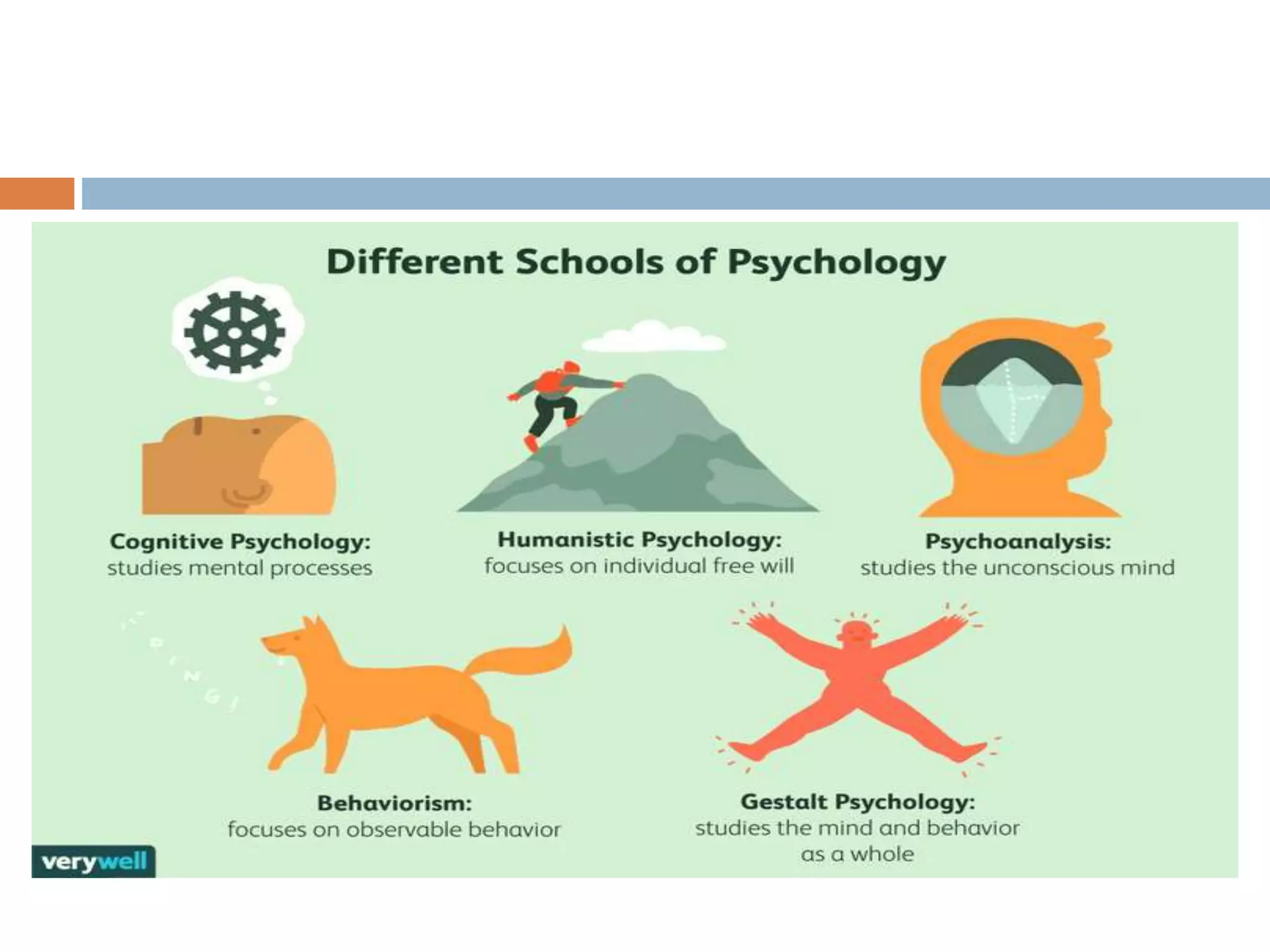
A significant portion of the MA program is dedicated to assessment. Students learn to administer, score, and interpret standardized tests of intelligence, academic achievement, and social-emotional functioning. This training is not merely about numbers; it is about "clinical synthesis"—the ability to take data from multiple sources and create a cohesive picture of a student’s strengths and needs.
Intervention and Counseling Techniques
School psychologists do more than identify problems; they solve them. MA programs teach evidence-based intervention strategies, including Cognitive Behavioral Therapy (CBT) adapted for schools, social skills training, and Applied Behavior Analysis (ABA). In 2026, there is a heightened focus on digital literacy and the impact of technology on student mental health, which is now integrated into standard intervention coursework.
Consultation and Systems Change
School psychologists rarely work in a vacuum. They must be skilled consultants who can speak the languages of both parents and teachers. Coursework in "Organizational Consultation" prepares degree candidates to lead meetings for Individualized Education Programs (IEPs) and Section 504 plans, ensuring that all stakeholders are aligned in supporting the student.
Admission Requirements and Prerequisites
Gaining entry into a reputable MA program in school psychology is competitive. Admissions committees look for candidates who demonstrate both academic rigor and a genuine commitment to child welfare.
- Academic Background: Most programs require a bachelor's degree in psychology, education, or a closely related field. A minimum GPA (often 3.0 or higher) is standard.
- Prerequisite Coursework: Prospective students usually need to have completed undergraduate courses in Introduction to Psychology, Child Development, Statistics, and Research Methods.
- Standardized Testing: While some institutions have moved away from the GRE, many high-tier programs still require it or look at it as a supplemental data point.
- Experience: Documented experience working with children or youth (e.g., teaching, coaching, volunteering in a clinical setting) is highly valued.
- Letters of Recommendation: Programs typically require three letters, preferably from academic mentors or professional supervisors who can attest to the candidate's maturity and analytical skills.
Comparing School Psychology Degree Levels
Choosing the right degree level is critical for long-term career satisfaction and salary potential. The following table compares the most common pathways:
| Feature | MA (Master of Arts) | EdS / Specialist Level | PhD / PsyD (Doctoral) |
|---|---|---|---|
| Typical Duration | 1.5 - 2 Years | 3 Years (incl. internship) | 5 - 7 Years |
| Total Credits | 30 - 45 Credits | 60 - 72 Credits | 90+ Credits |
| Licensure | Limited (Sub-specialist) | Full School Licensure | School & Private Practice |
| Primary Goal | Foundational Knowledge | Practitioner Readiness | Research / Clinical Leadership |
| Internship Req. | Minimal | 1,200 Hours | 1,500 - 2,000 Hours |
The Role and Responsibilities in 2026
By 2026, the daily life of a professional who has completed their MA and specialist training has become more dynamic. The shortage of mental health professionals in schools has placed the school psychologist at the center of school safety and wellness initiatives.
- Crisis Intervention: School psychologists are primary responders for student crises, ranging from grief and loss to threats of self-harm.
- Neurodiversity Advocacy: There is a strong shift toward supporting neurodivergent students (such as those with Autism or ADHD) through environmental modifications rather than strictly "remediation."
- Data-Driven Decision Making: Using advanced software, school psychologists analyze school-wide data to identify trends in attendance, behavior, and academic progress to catch struggling students early.
- Equity and Social Justice: Modern practitioners focus on reducing the disproportionate representation of minority students in special education and disciplinary actions.
Professional Licensure and Certification
Completing an MA is only part of the journey. To practice in a public school, one must obtain a license from the state's Department of Education.
Most states align their requirements with the National Association of School Psychologists (NASP) standards. This generally involves:
- Graduating from a NASP-approved program.
- Passing the Praxis Exam in School Psychology (test code 5403).
- Completing a supervised internship (typically 1,200 hours, with at least 600 hours in a school setting).
Once these are met, practitioners can apply for the Nationally Certified School Psychologist (NCSP) designation, which facilitates license portability if the professional moves to a different state.
Salary and Job Outlook
The demand for school psychologists remains exceptionally high in 2026. According to the Bureau of Labor Statistics and educational industry reports, the field is expected to grow faster than the average for all occupations. This growth is driven by an increased awareness of the link between mental health and academic achievement.
While salaries vary by geographic location and years of experience, a specialist-level practitioner starting their career can expect a salary ranging from $65,000 to $85,000. In high-cost areas or for those with doctoral degrees, salaries frequently exceed $110,000. Additionally, school psychologists often enjoy the same benefits as teachers, including robust pension plans and summer breaks.
Frequently Asked Questions
Can I practice as a therapist with an MA in School Psychology?
In most jurisdictions, an MA in School Psychology allows you to practice specifically within the K-12 school system. To open a private practice or work in a general clinical setting, you typically need a doctoral degree (PhD or PsyD) and a license from the state Board of Psychology, or a Master's in Counseling/Social Work with the appropriate clinical license.
What is the difference between a school counselor and a school psychologist?
School counselors generally work with the entire student population on academic planning and general social-emotional development. School psychologists focus more on students with more intensive needs, specifically those requiring psychological assessment for disabilities, behavioral disorders, and complex mental health challenges.
Is an online MA in School Psychology worth it?
Online programs can be excellent, provided they are NASP-approved or regionally accredited. The most critical component of any program—online or on-campus—is the quality of the local practicum and internship placements, as these provide the hands-on training necessary for the job.
How long does it take to finish the degree?
If the MA is part of a specialist-level program, expect to spend three years: two years of full-time coursework and one year of a full-time, usually paid, internship.
Is the GRE required for most programs in 2026?
The trend is moving toward a "test-optional" or "holistic review" model. However, many prestigious programs still use the GRE to differentiate candidates in highly competitive pools. It is vital to check the specific requirements of each university.
Next Steps for Prospective Students
If you are interested in pursuing an MA in School Psychology, your first action should be to review the NASP list of approved programs. Look for programs that offer a strong balance of assessment training and therapeutic intervention skills.
Reach out to current school psychologists in your local district to shadow them for a day. Understanding the "on-the-ground" reality of the school environment—balancing meetings, testing, and crisis response—will help you determine if this rewarding career aligns with your professional goals.
Image Gallery