What FEI Equine Means for Horse Health and Welfare
When a horse is designated as an FEI equine, it operates under the regulatory, veterinary, and governance framework of the Fédération Équestre Internationale (FEI), the international governing body for equestrian sports. For horse heal...
When a horse is designated as an FEI equine, it operates under the regulatory, veterinary, and governance framework of the Fédération Équestre Internationale (FEI), the international governing body for equestrian sports. For horse health, this status signifies adherence to strict global standards governing biosecurity, preventative medicine, anti-doping regulations, physical fitness checks, and humane treatment standards that prioritize equine welfare above all competitive and commercial interests.
Contents
Understanding the FEI Equine Framework and Welfare Mandate
The term "FEI equine" refers to any horse registered with the FEI to compete in recognized international disciplines, including dressage, show jumping, eventing, endurance, driving, reining, and para-equestrian sports. Registration binds the horse's owner, trainer, veterinarian, and rider to the strict operational and medical standards established in the FEI Veterinary Regulations and the FEI Code of Conduct for the Welfare of the Horse.
FEI Equine Health & Governance Architecture
- Preventative Biosecurity (Vaccinations, Temperature Logs, FEI Horse Health App)
- Anti-Doping & Medication (EADCM Regulations, Banned vs. Controlled)
- On-Site Veterinary Oversight (Physical Trot-Ups, Thermal Monitoring, Emergency Care)
- Equipment & Operational Safeguards (Noseband Tightness, Bit Rules, Transport Limits)
At its core, the FEI framework views the horse as an athletic partner rather than sport equipment. The FEI Code of Conduct explicitly states that the welfare of the horse must supreme over all competitive, commercial, financial, or personal interests. In practical health terms, this mandate affects every aspect of a horse’s daily care, from the medications it can consume to how it is transported, stabled, exercised, and evaluated for soundness.
Key Pillars of FEI Equine Health Management
FEI standards for horse health rely on four interconnected clinical and regulatory systems designed to protect performance horses from injury, disease, overexertion, and unfair exploitation.
1. Equine Anti-Doping and Controlled Medication Regulations (EADCMR)
The FEI Clean Sport initiative protects equine health through the Equine Anti-Doping and Controlled Medication Regulations. The system separates regulated substances into two distinct legal and veterinary categories:
- Banned Substances: Doping agents that have no legitimate place in equine medicine or pose severe safety risks (e.g., anabolic steroids, non-segmented sedatives, neurotoxins, or unapproved performance enhancers). The presence of a banned substance constitutes a severe anti-doping violation.
- Controlled Medications: Legitimate therapeutic treatments frequently prescribed by equine veterinarians (such as non-steroidal anti-inflammatory drugs [NSAIDs], local anesthetics, gastric ulcer treatments, or bronchodilators) that are prohibited during competition. This ensures horses do not compete while masked to pain or underlying pathology, which could lead to catastrophic musculoskeletal injury.
Equine practitioners treating FEI horses must observe established detection times and withdrawal periods before a horse enters competition. If a horse requires emergency therapeutic treatment shortly before an event, official authorization via an FEI Veterinary Form is mandatory, and the horse may be withdrawn if the treatment compromises its safety or alters natural athletic performance.
2. Preventative Health, Vaccinations, and Biosecurity
Biosecurity is a major pillar of international equine management. Because FEI horses travel across international borders and gather in high-density stabling environments, they present potential vectors for infectious disease outbreaks.
To mitigate biosecurity risks, the FEI mandates:
- Equine Influenza Vaccination: Horses must receive an initial primary course of two injections between 21 and 92 days apart, followed by a booster within 6 months and 21 days of competing. No vaccination may be given within 7 days of arrival at an FEI event venue.
- Thermal Monitoring & Health Self-Certification: Through the mandatory FEI Horse Health App, grooms or owners must record the horse's body temperature twice daily for at least three consecutive days leading up to an event, as well as throughout the competition period.
- Equine Herpesvirus (EHV) Safeguards: Following major European EHV-1 outbreaks, the FEI instituted mandatory venue biosecurity protocols, including dedicated isolation stables, restricted stable area access, mandatory temperature screening at event check-ins, and strict disinfection routines.
3. Veterinary Inspections and Soundness Assessments
Every horse competing in an FEI event must undergo rigorous physical assessments conducted by an FEI Official Veterinarian and the Ground Jury. The primary mechanism is the Horse Inspection (commonly called the "trot-up").
Standard FEI Horse Inspection Protocol
- Clinical Examination
- Microchip Verification
- In-Hand Walk
- In-Hand Trot
- Jury Decision (Passed / Re-inspection / Unfit)
During the inspection:
- Clinical Examination: The veterinarian checks the horse's identity via microchip scanner, confirms its passport, and evaluates basic vital signs, skin condition, and eyes.
- Palpation and Flexion: The veterinarian checks for heat, swelling, sensitivity, or abnormal joint effusion along the limbs and spine.
- Dynamic Movement Assessment: The handler walks and trots the horse in a straight line on a firm, flat surface. The panel evaluates the gait for subtle lameness, irregular mechanics, or asymmetry.
If a horse demonstrates any clinical signs of pain, lameness, or physical distress, the panel places the horse in a holding box for secondary examination or deems it "unfit to compete," withdrawing it immediately from the competition to prevent further physiological strain.
4. Operational, Equipment, and Transport Controls
Equine health standards under the FEI extend to physical tack, equipment design, and travel conditions. Excessive physical constraint or improper equipment can cause neural damage, vascular restriction, or soft tissue lesions.
- Noseband Tightness: To prevent restricted breathing and tissue ischemia, the FEI enforces standardized noseband tightness checks using calibrated measuring tools, requiring a minimum clearance between the nasal bone and the strap.
- Limb Protection and Boot Rules: In disciplines such as show jumping, strict weight and structural limits apply to hind boots to prevent artificial exaggeration of the horse's jump and avoid pressure lesions on the flexor tendons.
- Limb Sensitisation Testing: The FEI conducts random thermal imaging and physical palpation tests on horse limbs to detect illegal hypersensitization (e.g., application of irritants to force higher jumping) or hyposensitization (numbing to mask injury).
- Transport and Rest Periods: Regulations dictate maximum travel durations, mandatory rest periods, water access, and stall dimensions during road or air transport to prevent transit-related illnesses such as pleuropneumonia ("shipping fever") and dehydration.
FEI Equine Health Requirements Overview
The following table summarizes the core components of the FEI equine health framework, detailing their specific medical requirements, primary health impacts, and the operational consequences of non-compliance.
| Health Framework Component | Mandatory Requirement / Standard | Primary Health & Welfare Impact | Consequence of Non-Compliance |
|---|---|---|---|
| Equine Anti-Doping (EADCMR) | Zero tolerance for Banned Substances; strict detection windows for Controlled Medications. | Prevents masking of injuries, structural breakdown, and dangerous chemical enhancements. | Disqualification, fines, administrative suspensions, and public anti-doping records. |
| Equine Influenza Immunization | Primary series + bi-annual boosters (within 6 months + 21 days); no shots within 7 days of venue entry. | Prevents widespread respiratory outbreaks across global horse populations. | Refusal of venue entry, automatic disqualification, and mandatory quarantine. |
| FEI Horse Health App Tracking | Twice-daily body temperature logs for 3 days pre-event and during event stay. | Early detection of pyrexia and viral shedding (e.g., EHV-1, Equine Arteritis Virus). | Financial penalties for handler/rider; refusal of entry to event stables. |
| Horse Inspection (Trot-Up) | Dynamic gait evaluation in-hand on a hard surface before competition. | Guarantees only structurally sound, non-lame horses enter high-stress athletic competition. | Horse declared "Unfit to Compete" and immediately withdrawn from event. |
| Tack & Equipment Audits | Standardized gauge testing for nosebands, bit thickness checks, hind boot weight limits. | Prevents nerve damage, skin lesions, airway obstruction, and cruel mechanical forcing. | Mandatory tack adjustment, yellow warning cards, or event disqualification. |
| Thermoregulation Safeguards | WBGT (Wet Bulb Globe Temperature) index monitoring during extreme weather events. | Protects horses from severe heat stress, anhidrosis, metabolic collapse, and exertional rhabdomyolysis. | Alteration of course lengths, delayed start times, or full event cancellation. |
Practical Management of the FEI Equine Athlete
Maintaining an FEI-registered horse requires structured management routines that integrate veterinary care, nutrition, administrative documentation, and daily grooming practices.
Preventing Unintentional Contamination
Contamination is one of the most common causes of inadvertent Controlled Medication or Banned Substance violations. Horse feed, supplements, and human medications present continuous risks to clean sport compliance.
To minimize contamination risk, stable managers should:
- Use feeds and supplements certified by quality assurance schemes such as the BETA NOPS (Naturally Occurring Prohibited Substances) scheme.
- Store human medications (such as prescription NSAIDs or pain relievers) entirely separate from equine feed preparation areas, and enforce strict hand-washing protocols for caregivers taking medication.
- Isolate horses undergoing active medical treatment from competition horses to avoid cross-contamination via shared buckets, grooming kits, or stall walls.
Managing Withdrawal Times and Veterinary Forms
When an FEI horse requires therapeutic treatment, the attending veterinarian must consult official FEI detection time guidelines. Detection times represent the clinical period during which a drug or its metabolites remain detectable in biological samples (blood or urine).
If a horse requires a controlled medication during or immediately before an event—such as rehydration fluids or specific gastrointestinal treatments—the treating veterinarian must submit an official FEI Veterinary Form to the Veterinary Delegate. The delegate assesses whether the substance compromises horse health or provides an unfair performance advantage. If approved, the treatment is administered under official oversight; if rejected, the horse must be safely withdrawn.
Managing Microchipping and Passport Compliance
Every FEI horse must possess an approved national passport paired with an official FEI Recognition Card or an FEI Passport. The passport contains:
- Microchip Identification: A compliant ISO 11784/11785 microchip injected into the nuchal ligament.
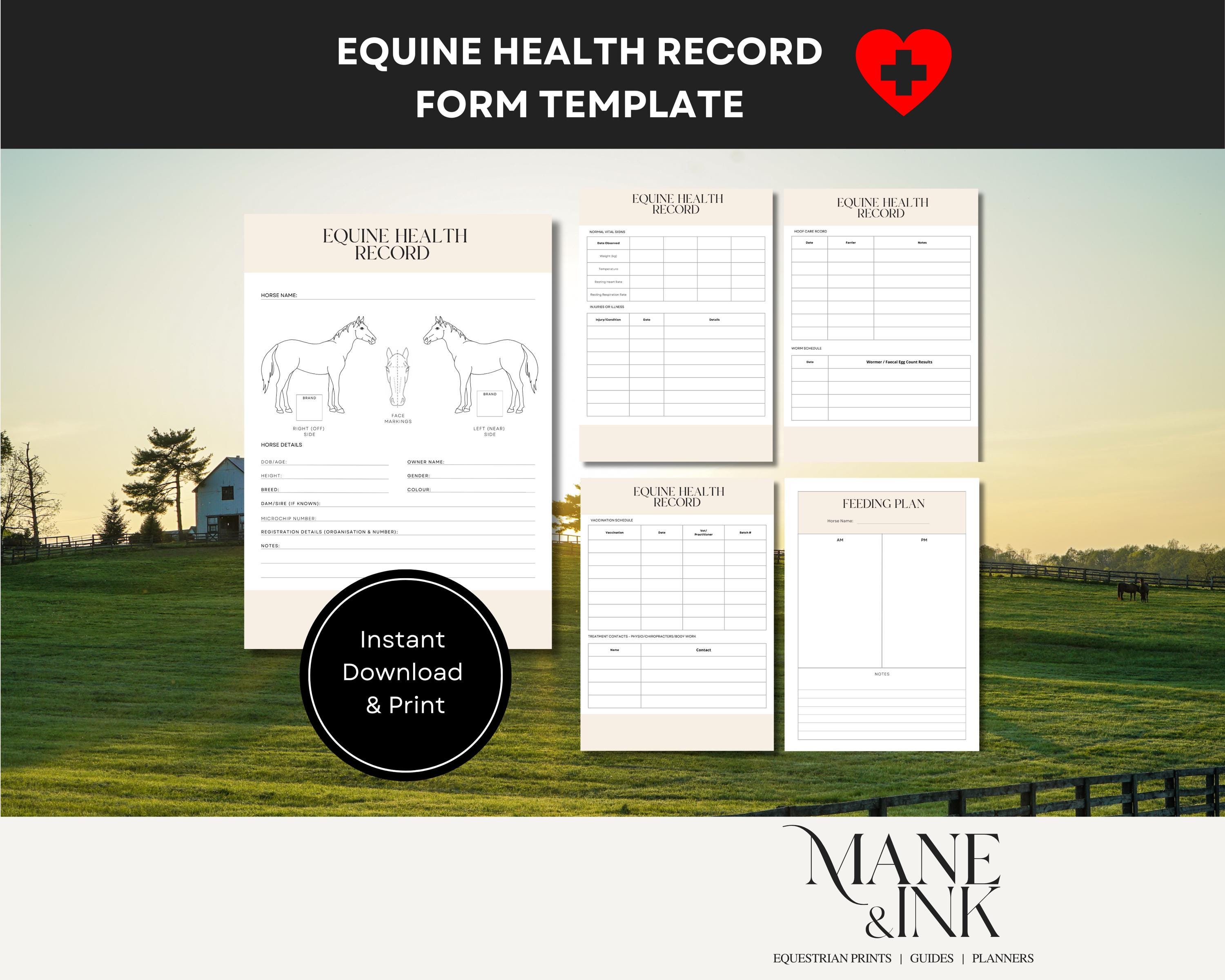
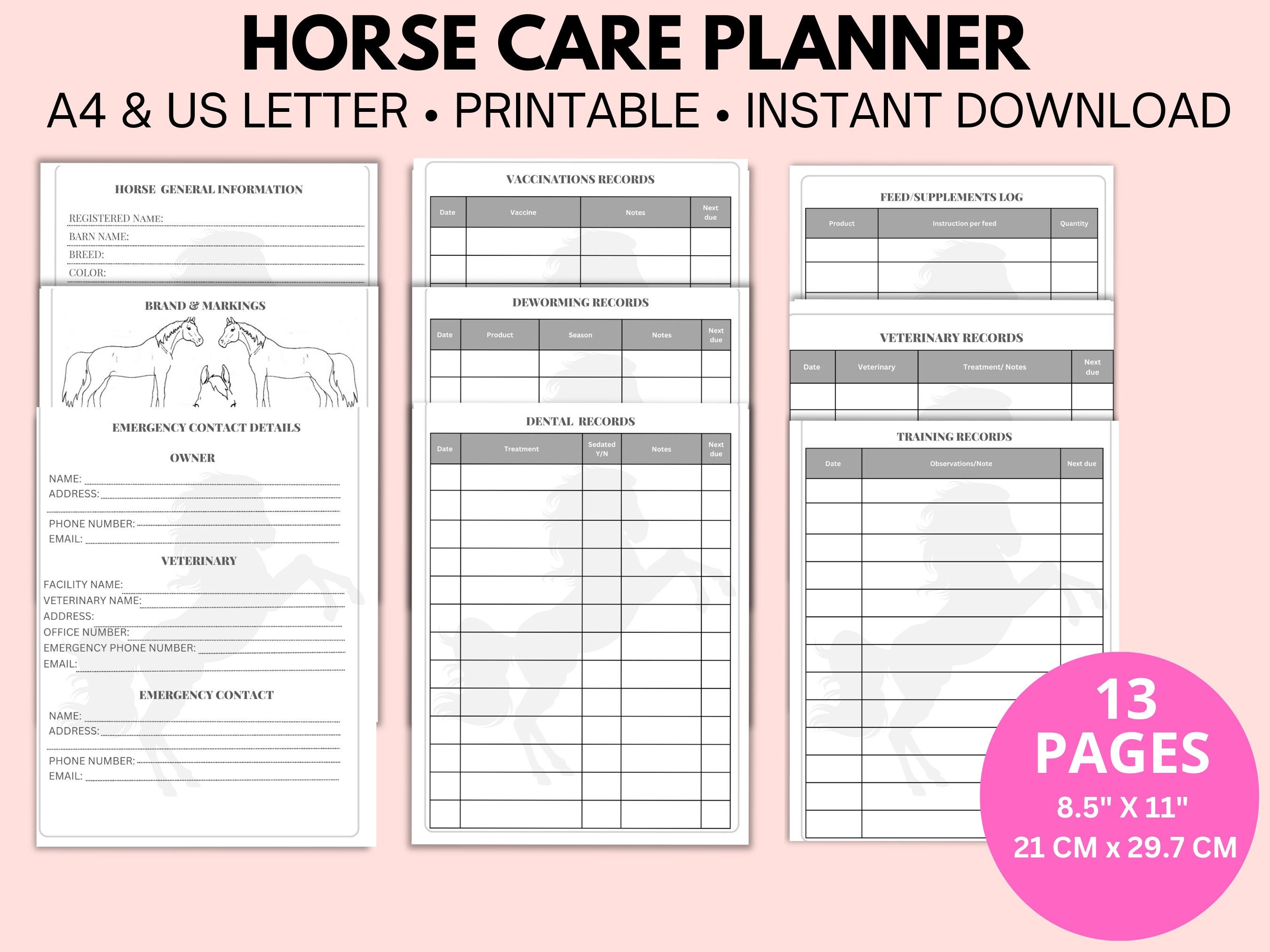
- Diagrammatic Graphic Description: Accurate documentation of hair whorls, white markings, scars, and physical identifiers.
- Vaccination Log: Complete physical documentation of every influenza vaccination, recorded by a licensed veterinarian with dates, batch numbers, and official signatures.
An unrecorded vaccination or an illegible passport entry can result in immediate entry refusal at an event, highlighting the importance of administrative diligence in equine health care.
Frequently Asked Questions
What is the primary difference between a Banned Substance and a Controlled Medication under FEI equine rules?
A Banned Substance is a material or drug that has no legitimate therapeutic place in equine medicine or poses serious safety risks to the horse (e.g., anabolic steroids or performance-altering stimulants). A Controlled Medication is a recognized therapeutic agent commonly used by equine veterinarians (e.g., Phenylbutazone, Flunixin, or Omeprazole). Controlled medications are permitted for clinical treatment during out-of-competition recovery, but must clear the horse's system before competition to ensure the animal does not compete while pain-masked or artificially supported.
How does the FEI Horse Health App improve biosecurity for competition horses?
The FEI Horse Health App acts as a real-time digital biosecurity monitoring system. Owners, grooms, or trainers must log the horse’s temperature twice daily starting three days before arriving at an international event and continue throughout the competition. By digitizing temperature logs and self-certification health declarations, the FEI can rapidly identify febrile horses before they enter shared stables, limiting outbreaks of infectious diseases like Equine Herpesvirus (EHV-1) and Equine Influenza.
What happens if an FEI horse fails the initial trot-up or horse inspection?
If the inspection panel (the Veterinary Delegate and Ground Jury) suspects lameness, physical distress, or unfitness during the initial trot-up, the horse is directed to a designated holding box. In the holding box, an FEI Official Veterinarian conducts a targeted clinical examination to assess heart rate, muscle tightness, joint flexion, and localized sensitivity. The horse may be presented for a re-inspection. If the panel unanimously agrees that the horse exhibits gait asymmetry, lameness, or illness, the horse is declared "unfit to compete" and is withdrawn from the event.
Why does the FEI mandate strict noseband tightness regulations?
Overly tight nosebands can cause significant physical trauma, including nerve compression, restricted blood flow, soft tissue ulceration, and bone remodeling along the nasal bridge. Extremely tight nosebands can also prevent natural swallowing and restrict airway mechanics, inducing acute distress. The FEI mandates standardized measuring tools during equipment checks to guarantee adequate space between the noseband and the horse's facial bones, ensuring respiratory safety and physical comfort.
Are equine fluid therapies permitted at FEI competitions?
Intravenous fluid therapy (such as saline or balanced electrolyte infusions) is classified under FEI regulations and cannot be administered without prior written approval. If a horse experiences severe dehydration or metabolic distress, an FEI Veterinary Form must be submitted to the FEI Veterinary Delegate. If approved for emergency welfare reasons, the fluid therapy is administered in an official veterinary clinic or designated box. Depending on the volume and nature of the condition, the horse may be withdrawn from further competition to allow full physiological recovery.
Key Takeaways and Next Actions
Understanding what an "FEI equine" designation means for horse health comes down to recognizing that welfare supersedes competition. The framework mandates high standards of preventative care, disease surveillance, structural soundness, and pharmacological transparency.
For riders, horse owners, and stable directors managing an FEI athlete, next steps include:
- Audit Health Records: Verify that your horse's microchip, passport identification diagram, and Equine Influenza vaccination records strictly adhere to current FEI timelines.
- Integrate Digital Tracking: Download the official FEI Horse Health App and establish daily body temperature monitoring routines early to avoid check-in refusals at venues.
- Review Stable Medication Protocols: Work directly with an experienced equine veterinarian to review all feed, supplements, topical treatments, and therapeutic medications, ensuring compliance with the updated FEI Prohibited Substances Database.
- Prioritize Soundness Inspections: Incorporate regular in-hand trot-ups and veterinarian-led lameness evaluations into your monthly training regimen to catch minor musculoskeletal issues before official competition inspections.
Disclaimer: Equine health standards, veterinary regulations, and medication rules are subject to regular regulatory revisions. Always consult the official FEI Veterinary Regulations documentation and work with a licensed equine veterinarian for specific medical, therapeutic, and legal guidance.
Image Gallery