Understanding SRQ: How the Social Responsibility Quotient Shapes Modern Corporate Strategy
The Social Responsibility Quotient (SRQ) is a quantitative metric used by organizations to measure the effectiveness of their social, ethical, and environmental initiatives in relation to their core business performance. Unlike traditi...
The Social Responsibility Quotient (SRQ) is a quantitative metric used by organizations to measure the effectiveness of their social, ethical, and environmental initiatives in relation to their core business performance. Unlike traditional financial ratios, SRQ evaluates how well a company integrates stakeholder interests into its long-term strategy to drive brand equity, mitigate risk, and ensure sustainable growth.
Contents
In the corporate landscape of 2026, the concept of "profit at any cost" has been replaced by a more nuanced understanding of value creation. At the heart of this shift lies the Social Responsibility Quotient (SRQ). While the previous decade focused heavily on the broad framework of ESG (Environmental, Social, and Governance), SRQ has emerged as the precision tool that allows executives to measure the actual "return on responsibility."
For modern boards of directors and C-suite executives, SRQ is no longer a peripheral HR or PR concern. It is a fundamental driver of corporate strategy that dictates where capital is allocated, which markets are entered, and how talent is retained. Understanding what SRQ is and how it functions is essential for any leader looking to navigate the complexities of the current global economy.
The Components of the Social Responsibility Quotient
To understand how SRQ shapes strategy, one must first deconstruct what the quotient actually measures. It is not a single number derived from a balance sheet, but a composite score built from four primary pillars of corporate behavior.
1. Ethical Governance and Transparency
This pillar goes beyond simple legal compliance. It measures the integrity of a company’s decision-making processes. High-SRQ organizations demonstrate transparency in executive compensation, board diversity, and political lobbying. In 2026, strategy is shaped by the "radical transparency" movement, where companies proactively share their internal governance data to build trust with institutional investors.
2. Stakeholder Value Alignment
Traditional strategy focused almost exclusively on shareholder primacy. SRQ shifts the focus toward stakeholders, which includes employees, customers, suppliers, and the communities in which the company operates. A company’s SRQ increases when it can demonstrate that its strategic goals provide tangible benefits to these groups, such as fair living wages in the supply chain or localized community investment programs.
3. Environmental Stewardship and Circularity
While environmental impact is a staple of ESG, SRQ focuses on "circularity"—the ability of a company to decouple growth from resource consumption. Strategically, this means moving away from linear "take-make-waste" models. Companies are now designing products for longevity and recyclability, not just as a moral choice, but as a strategy to hedge against rising raw material costs and tightening carbon regulations.
4. Social Equity and Human Capital
This component evaluates how a company manages its most valuable asset: its people. SRQ measures internal mobility, pay equity, and the psychological safety of the workplace. In the 2026 labor market, where specialized talent is scarce, a high SRQ is a strategic weapon used to win the "war for talent."
How SRQ Shapes Corporate Strategy
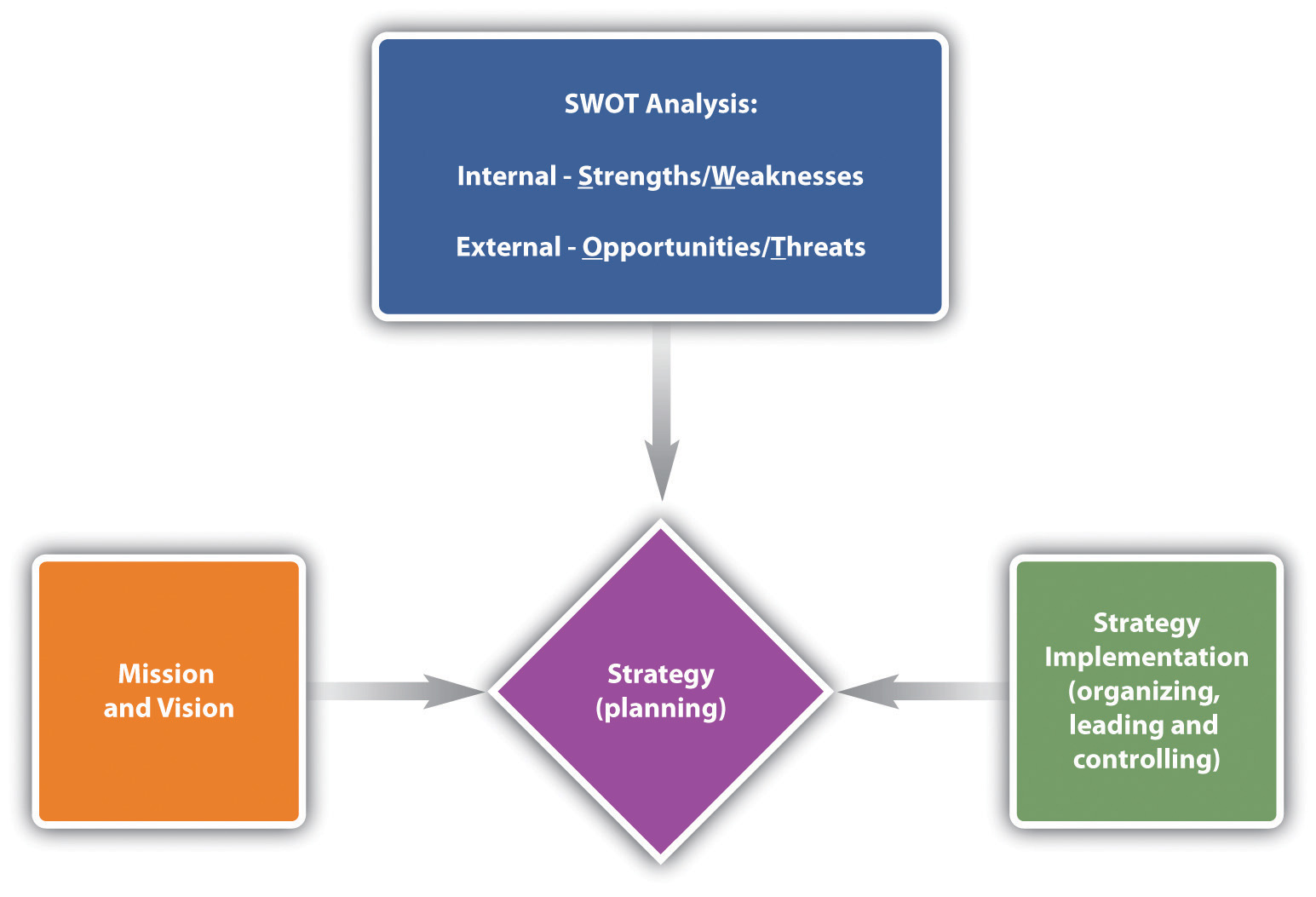
The integration of SRQ into the strategic planning process changes how companies set goals and measure success. It acts as both a compass and a filter for high-level decision-making.
Capital Allocation and Investment
When a company evaluates a potential merger or acquisition, the SRQ of the target firm is now as important as its EBITDA. A target company with a low SRQ represents a significant "reputational risk" and potential future liability. Consequently, corporate strategy now involves rigorous SRQ due diligence. Firms are increasingly allocating "impact capital" to projects that might have a longer payback period but significantly boost the organization’s overall quotient, thereby lowering the cost of debt through green bonds and sustainability-linked loans.
Product Development and Innovation
SRQ-driven strategy focuses on "purpose-led innovation." Instead of developing products based solely on market gap analysis, companies are asking: "Does this product solve a societal problem?" This shift has led to the rise of the "Benefit Corporation" model within larger conglomerates. For instance, a technology firm might prioritize the development of low-power consumption chips not just for efficiency, but to align with its strategic SRQ goal of reducing the aggregate carbon footprint of its customer base.
Risk Management and Resilience
One of the most profound ways SRQ shapes strategy is through risk mitigation. Organizations with high SRQs are generally more resilient to regulatory shifts and social movements. By proactively addressing social and environmental issues, these companies "future-proof" their operations. Strategy is no longer about reacting to a crisis; it is about building a buffer of goodwill and operational integrity that allows the company to weather economic and social volatility.
Measuring the Competitive Advantage
The following table illustrates how a high SRQ translates into tangible strategic advantages compared to organizations that ignore these metrics.
| Strategic Dimension | Low SRQ Organization | High SRQ Organization (2026 Standard) |
|---|---|---|
| Cost of Capital | Higher interest rates; restricted access to ESG-focused funds. | Access to preferential rates via sustainability-linked loans. |
| Talent Acquisition | High turnover; higher recruitment costs; "transactional" employee relationships. | High retention; strong employer branding; "mission-aligned" workforce. |
| Brand Loyalty | Vulnerable to "cancel culture" and ethical scandals. | High consumer trust; price premium justification; community advocacy. |
| Regulatory Risk | Reactive compliance; frequent fines and litigation. | Proactive alignment; participation in policy-making; lower legal overhead. |
| Supply Chain | Fragile; prone to disruptions from labor or environmental issues. | Resilient; transparent; long-term partnerships with ethical suppliers. |
Implementing an SRQ-Centric Strategy
Transitioning to an SRQ-centric strategy requires a top-down commitment and a bottom-up execution. It is not a project that can be "bolted on" to existing operations; it must be woven into the fabric of the organization.
Step 1: Baseline Assessment
The first step is to establish a baseline. This involves auditing current social impact, carbon footprints, and governance structures. Companies often use frameworks like the Global Reporting Initiative (GRI) or the Sustainability Accounting Standards Board (SASB) to quantify their starting point.
Step 2: Stakeholder Engagement
Strategy cannot be formed in a vacuum. Organizations must engage in active dialogue with their stakeholders to understand what issues are most material to them. This feedback loop ensures that the SRQ goals are relevant and impactful.
Step 3: Setting Quantifiable Targets
Vague promises of "doing good" are insufficient. Strategy must include specific, time-bound goals, such as "Achieve 100% renewable energy sourcing by 2028" or "Eliminate the gender pay gap by the end of the next fiscal year." These targets are then linked to executive performance reviews and bonuses.
Step 4: Integration into the Value Chain
Finally, the SRQ must be integrated into every link of the value chain. This means setting strict ethical standards for suppliers, optimizing logistics for carbon efficiency, and ensuring that marketing communications are honest and non-exploitative.
Challenges and Common Pitfalls
While the benefits of a high SRQ are clear, the path to achieving it is fraught with challenges. The most common mistake is "greenwashing" or "impact-washing," where a company spends more on marketing its social responsibility than on actually implementing it. In the high-information environment of 2026, consumers and regulators are quick to identify and penalize such hypocrisy.
Another challenge is the "short-termism" of public markets. Despite the long-term benefits of a high SRQ, quarterly earnings pressure can sometimes tempt executives to cut corners on social or environmental initiatives. Strategic leaders must have the courage to defend SRQ investments to shareholders by demonstrating their link to long-term value and risk reduction.
FAQs
How does SRQ differ from ESG?
While ESG (Environmental, Social, and Governance) provides the framework and categories for reporting, SRQ is the specific measurement or "score" of a company's performance within that framework. Think of ESG as the curriculum and SRQ as the grade. SRQ is often more focused on the proportional impact of these initiatives relative to the company's size and industry.
Can a small business have an SRQ?
Absolutely. While large corporations have more resources to dedicate to SRQ, small businesses often have a more direct and visible impact on their local communities. For a small business, SRQ strategy might involve local sourcing, employee profit-sharing, or community-based volunteering.
Is a high SRQ always profitable?
In the short term, increasing your SRQ can involve significant capital expenditure. However, longitudinal data as of 2026 suggests that companies with higher SRQs outperform their peers over 5- to 10-year periods. This is due to lower risk profiles, better talent retention, and higher brand equity.
How do investors verify a company's SRQ?
Investors use a combination of third-party rating agencies (such as MSCI or Sustainalytics), mandatory government disclosures, and independent audits. Many companies now include an "Integrated Report" that combines financial and SRQ data into a single, audited document.
Does SRQ apply to non-profit organizations?
While the term is most common in the corporate world, non-profits also track a version of SRQ. For them, it measures the efficiency of their impact—how well they translate donations and grants into actual social or environmental outcomes.
What is the biggest driver of SRQ in 2026?
The biggest driver is currently "Climate Adaptation." As the physical and economic effects of climate change become more pronounced, a company’s strategic ability to adapt its operations while minimizing its contribution to the problem is the most heavily weighted factor in the quotient.
Future Outlook: The Maturation of SRQ
As we move toward the late 2020s, SRQ will likely become as standardized as GAAP (Generally Accepted Accounting Principles). The integration of Artificial Intelligence and blockchain technology is already making it easier to track supply chain ethics and carbon emissions in real-time, leaving nowhere for low-SRQ companies to hide.
The ultimate goal of shaping corporate strategy around SRQ is to reach a state of "Harmonized Profitability"—where the success of the business is inextricably linked to the well-being of the planet and its people. For the modern executive, the question is no longer whether to care about SRQ, but how quickly they can integrate it into their strategic DNA to remain competitive in an increasingly conscious marketplace.
Image Gallery