Does Aldi Bag Your Groceries? A Straightforward Look at the Checkout Experience
Aldi does not provide a bagging service for customers at the checkout counter. Instead, the company operates on a unique efficiency model where the cashier scans items at high speed and places them directly into a secondary shopping ca...
Aldi does not provide a bagging service for customers at the checkout counter. Instead, the company operates on a unique efficiency model where the cashier scans items at high speed and places them directly into a secondary shopping cart. Customers are expected to move their items to a designated bagging station located away from the registers to pack their groceries themselves.
Contents
Understanding the Aldi Operational Model
To understand why Aldi does not bag your groceries, one must look at the fundamental business strategy that defines the brand. Aldi, a global discount supermarket chain, relies on a "limited-assortment" model designed to minimize overhead costs. By streamlining every aspect of the store operation—from the limited number of products per category to the efficient layout of the checkout lane—the company keeps prices significantly lower than traditional grocery retailers.
The checkout process is a core component of this efficiency. Unlike traditional supermarkets, where cashiers are often expected to bag items while maintaining conversation or managing service queues, Aldi cashiers are trained for speed. By eliminating the time-consuming task of bagging, the cashier can process more customers in a shorter amount of time. This operational philosophy is not intended to be unfriendly; rather, it is a calculated structural decision to reduce labor costs, which in turn allows the store to pass those savings on to the shopper.
The Checkout Sequence: What to Expect
When you visit an Aldi, you will notice that the checkout area is significantly different from what you might encounter at a national chain or a local boutique grocer. Understanding the flow helps you avoid common mistakes and ensures a smooth experience for yourself and other shoppers.
- Placement of Items: As you approach the conveyor belt, place your items so that the barcodes are easily accessible to the cashier. This simple act of preparation significantly speeds up the process.
- The Scan and Transfer: As the cashier scans your items, they will place them immediately into a second empty cart kept at the end of the register. They do not sort items by type or fragility while doing this. The primary goal is velocity.
- Payment Processing: Once all items are scanned, the cashier will provide the total. It is standard practice to be ready to pay immediately, as the queue behind you is likely moving quickly.
- Moving to the Bagging Area: Once the transaction is complete, you take your second cart—now filled with your groceries—to the long shelf or counter space usually located along the front wall of the store, opposite the registers. This area is specifically designed for customers to take their time organizing, packing, and bagging their items without holding up the checkout line.
The Role of Bagging Supplies
Aldi is environmentally conscious and cost-effective, which manifests in its approach to bags. You should not expect free plastic or paper bags at the register. Instead, you have several options for managing your groceries once you reach the packing station.
- Reusable Bags: The vast majority of Aldi shoppers bring their own durable, reusable shopping bags. This is the most cost-effective and sustainable method.
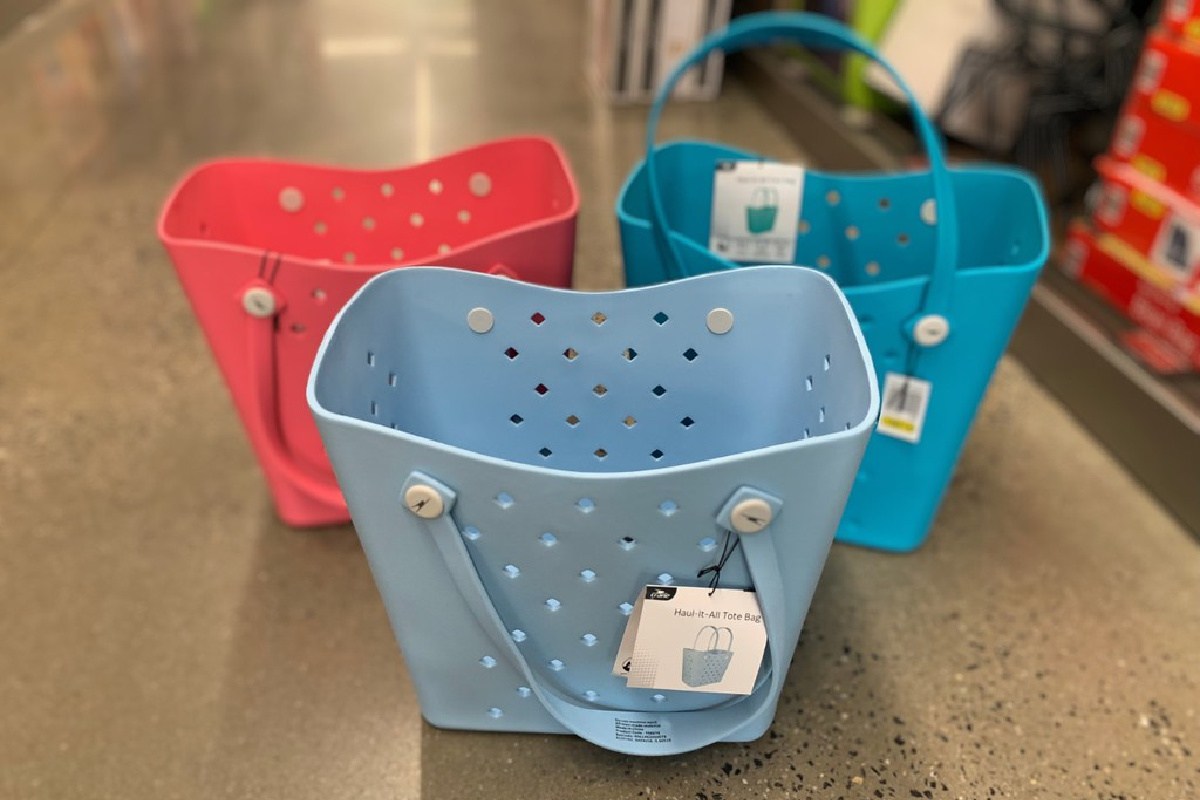
- Purchasing Bags: If you forget to bring your own, Aldi offers a variety of affordable bags for purchase at the checkout, including paper bags, plastic bags, and thicker, more durable reusable totes.
- Cardboard Boxes: A hallmark of the Aldi experience is the use of empty shipping boxes. As you navigate the store, you may notice empty boxes on the shelves that once contained products. You are encouraged to take these boxes and use them to carry your groceries to your vehicle. This practice effectively repurposes store waste and provides a sturdy alternative to plastic bags.
Comparing the Aldi Experience to Traditional Retailers
Many shoppers are accustomed to "full-service" grocery stores, where bagging is a standard component of the transaction. The following table highlights the differences in service expectations between traditional supermarkets and the Aldi model.
| Feature | Traditional Supermarket | Aldi Model |
|---|---|---|
| Bagging Service | Cashier or bagger assists | Customer-only bagging |
| Checkout Speed | Moderate to Slow | High |
| Checkout Workflow | Integrated bagging | Post-checkout packing station |
| Shopping Bags | Usually provided for free | Available for purchase or BYO |
| Cart Access | Available at entrance | Requires quarter/coin deposit |
Common Mistakes for New Shoppers
The transition from a full-service store to the Aldi model can be jarring for first-time visitors. Avoiding these common errors will make your shopping trip more efficient.
- Waiting for Help: New customers often stand at the end of the register, expecting the cashier to start packing their bags. This creates a bottleneck. Always move your cart to the bagging counter as soon as your transaction is completed.
- Unprepared Payment: Because the checkout moves rapidly, having your wallet, card, or phone ready before the cashier finishes scanning is important. Fumbling for payment can frustrate others and disrupt the store’s flow.
- Ignoring the Cart Deposit: The Aldi cart system is another efficiency measure. You must insert a quarter (or a specialized Aldi cart token) into the lock mechanism on the cart handle to release it from the cart corral. You get your quarter back only when you return the cart and lock it back into the row. If you are not prepared, you might find yourself empty-handed.
Why the System Benefits the Consumer
While the absence of a bagging service might seem like a disadvantage, it is the cornerstone of why the store can maintain its pricing in 2026. The labor saved by not bagging groceries is redirected into inventory management and store upkeep. Furthermore, by requiring customers to bag their own items, Aldi minimizes the risk of damaged goods. As the shopper, you are in control of how your bread, eggs, and glass items are packed, ensuring they are protected in a way that aligns with your specific needs.
Frequently Asked Questions
Are there employees available to help me bag my groceries if I have physical limitations? Aldi stores are generally understaffed by design to keep costs low. While employees are helpful, they are rarely available to assist with the physical act of bagging. If you have mobility or dexterity challenges, it is recommended to shop with a companion who can assist you.
Can I use my own bags at the checkout? Yes, you are encouraged to bring your own reusable bags. When you arrive at the register, you can place them in the cart so the cashier can load your items directly into them, or you can simply load them yourself at the bagging station after the transaction.
Do I have to buy bags if I forget mine? You do not strictly have to buy bags, but you will need a way to transport your items. Many shoppers utilize the empty product boxes found throughout the store aisles to carry their groceries to their vehicle. This is free and an accepted part of the shopping culture.
Why is the cashier scanning so fast? Aldi cashiers are evaluated on their scanning speed as part of their job performance metrics. This is not meant to be rude; it is a vital part of the business model that allows them to keep store staffing levels low and prices competitive.
What happens if I forget my quarter for the cart? If you do not have a quarter, you will likely be unable to unlock a shopping cart. Many shoppers keep a spare coin or a dedicated Aldi cart token on their keychain to avoid this. If you are desperate, you can often ask the cashier or a fellow shopper for a swap, though it is best to be prepared.
Next Steps for Your Aldi Visit
To ensure a successful visit, plan your trip by bringing your own reusable bags and a quarter for the cart. Once you arrive, prioritize the process: retrieve your cart, shop at your own pace, and—most importantly—prepare to move your groceries to the packing station immediately after paying. By embracing this straightforward, efficient approach, you can take full advantage of the savings and selection that the retailer offers.
Image Gallery