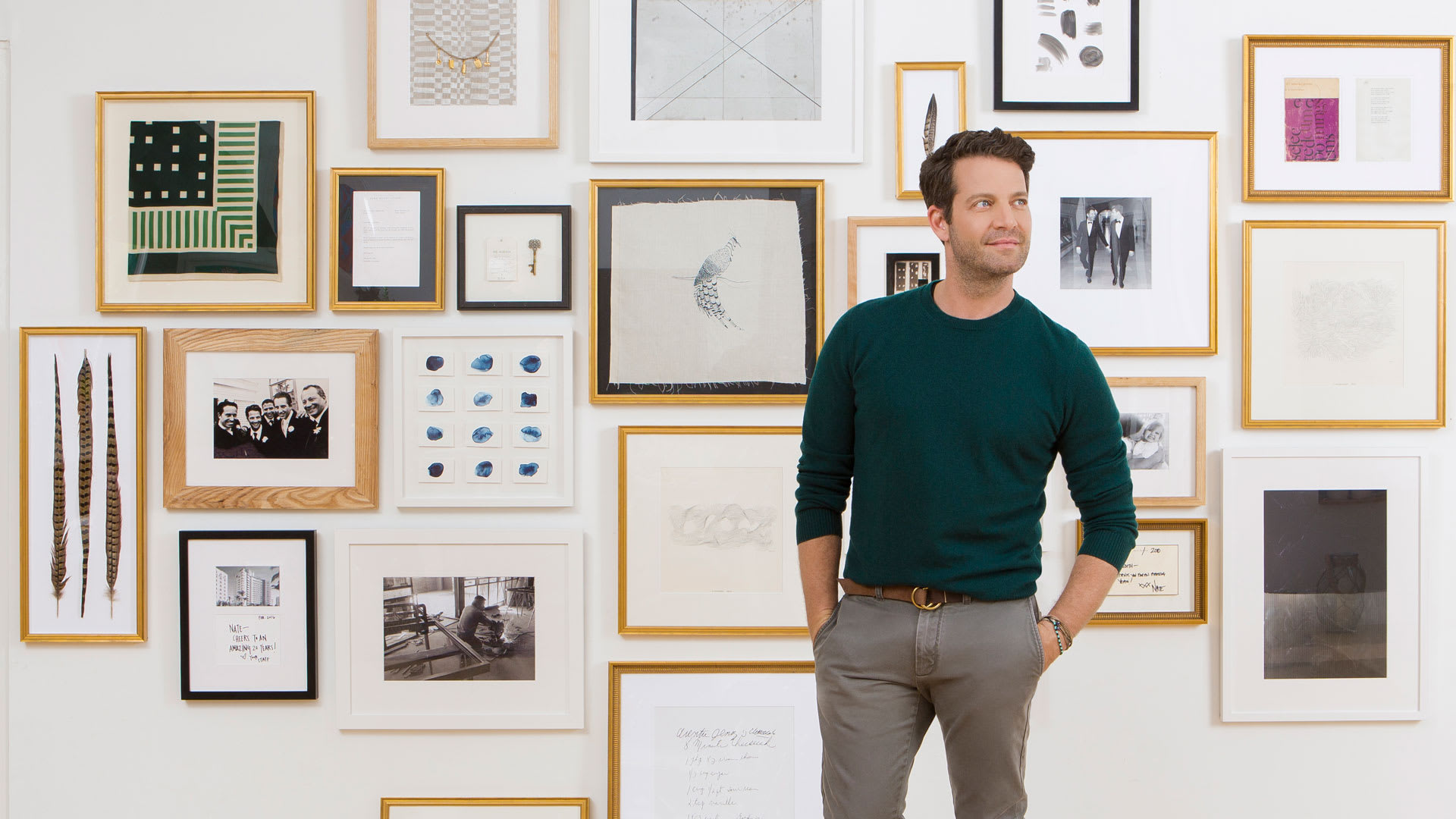
Who is Nate Berkus? Defining a Legacy in Modern Design History
Nate Berkus is an American interior designer, author, and television personality who revolutionized the industry by democratizing high-end aesthetics for the general public. While he is not a medical doctor (MD), his influence on Moder...
Nate Berkus is an American interior designer, author, and television personality who revolutionized the industry by democratizing high-end aesthetics for the general public. While he is not a medical doctor (MD), his influence on Modern Design (MD) history is defined by his philosophy that homes should tell a personal story through curated, accessible, and timeless objects.
Contents
The Identity of Nate Berkus: Disambiguating the "MD" Label
When researching the history of interior design, the suffix "MD" following Nate Berkus’s name often causes brief confusion for students and enthusiasts. To be clear: Nate Berkus is not a medical doctor. In the context of professional design archives and specific search queries, the "MD" is frequently a shorthand for Modern Design or, occasionally, an erroneous attribution from those confusing the designer with medical professionals of the same name.
In the broader scope of design history, Berkus represents the "Master of the Domestic" space. His career, spanning from the late 1990s through to 2026, has been characterized by a transition from exclusive, high-end residential projects to a massive retail presence. He bridged the gap between the unapproachable world of elite architecture and the practical needs of the average homeowner. By analyzing his trajectory, we see a figure who utilized media as a tool to educate the public on the psychological and emotional importance of their physical surroundings.
The Oprah Effect: The Launch of a Design Icon
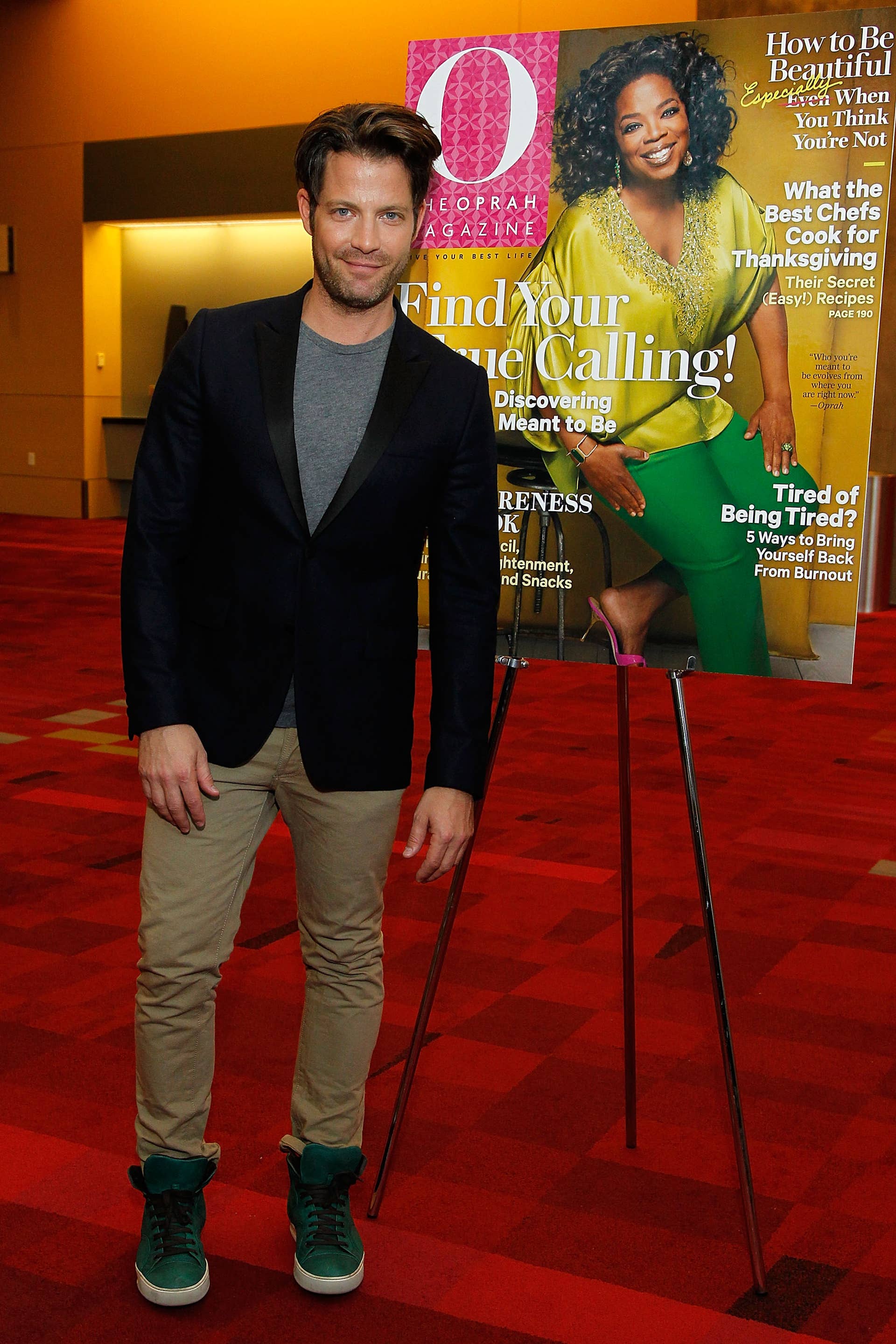
The most significant catalyst in Nate Berkus’s career was his debut on The Oprah Winfrey Show in 2002. At the time, interior design on television was often relegated to niche cable networks or presented as a series of cheap "DIY" fixes. Berkus introduced a level of sophistication and professional rigor that had rarely been seen on daytime television.
Oprah Winfrey famously tapped Berkus to help viewers transform their spaces, but his contribution went beyond mere "makeovers." He introduced the concept of emotional design. He argued that a room should not be a showroom but a collection of a person’s history. This appearance transformed him from a successful Chicago-based designer into a household name, eventually leading to his own Emmy-award-winning program, The Nate Berkus Show. This platform allowed him to cement his place in design history as the primary advocate for the "well-lived-in" home.
Design Philosophy: The Democratization of Aesthetics
Berkus’s impact on design history is best understood through his core philosophy: "Your home should tell the story of who you are, and be a collection of what you love." This shifted the focus of the early 21st-century design movement away from rigid "trends" and toward personal curation.
The "High-Low" Method
One of Berkus’s most enduring contributions is the "High-Low" method of decorating. This approach suggests that a sophisticated interior can be achieved by mixing expensive, investment-grade pieces (like a 19th-century French commode) with affordable, mass-produced items (like a modern jute rug from a big-box retailer). This methodology broke the elitist barriers of the interior design industry, empowering consumers to believe they could achieve a designer look regardless of their budget.
Storytelling Through Objects
In his seminal book, The Things That Matter, Berkus explored the relationship between people and their possessions. In the timeline of design history, this moved the needle away from minimalism—which often felt sterile—and toward a more layered, textural, and "collected" look. He championed the use of vintage finds, travel souvenirs, and family heirlooms, arguing that these items provide the "soul" of a home. This perspective was a direct response to the "fast furniture" culture that began to dominate the market in the early 2000s.
Nate Berkus Associates: From Chicago to Global Influence
Founded in 1995, Nate Berkus Associates began as a small firm in Chicago. As Berkus’s public profile grew, so did the scope of his professional practice. The firm became known for a specific aesthetic: a neutral palette grounded in architectural integrity, punctuated by bold textures and historical references.
The firm’s portfolio includes high-end residential estates, commercial spaces, and hospitality projects. By maintaining a foot in the world of luxury design while simultaneously running a massive retail empire, Berkus avoided the "sell-out" trope that often plagues celebrity designers. His technical depth in understanding floor plans, lighting, and material durability allowed his firm to remain relevant even as his television persona evolved. By 2026, the firm is recognized for its longevity and its ability to adapt to the changing landscape of smart homes and sustainable building materials without losing its signature classicism.
Television and Media: Shaping Public Perception
Nate Berkus’s role in design history is inseparable from his media presence. He leveraged television not just for fame, but as an educational medium.
The Nate Berkus Show and Beyond
Following his success on Oprah, The Nate Berkus Show (2010–2012) focused on practical solutions for real people. Unlike some contemporaries who focused on shock value or massive demolition, Berkus focused on the fundamentals of design: scale, proportion, and color theory. He demystified the process, explaining why a certain rug size worked or how to hang art correctly.
Collaborative Success with Jeremiah Brent
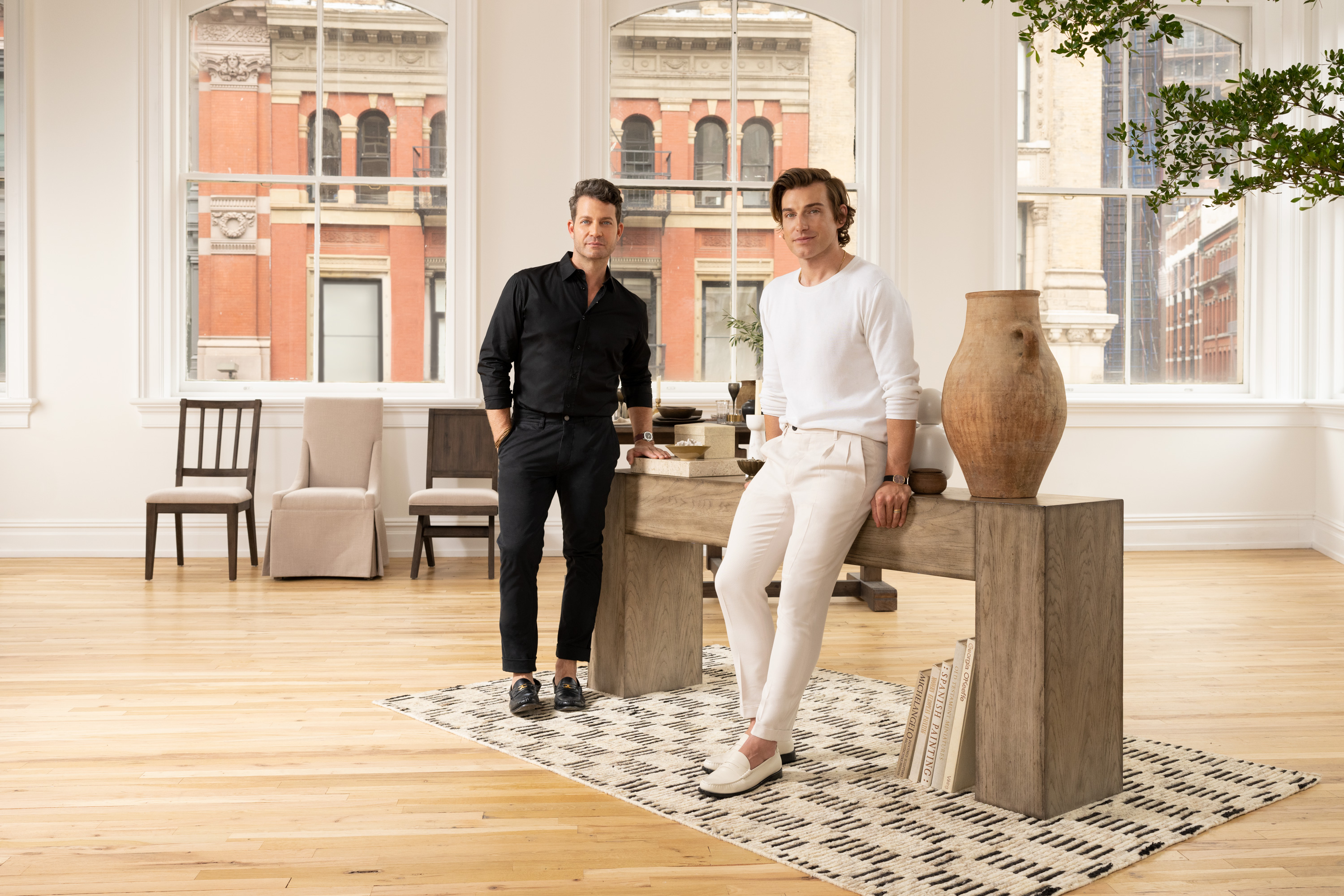
The later stages of his career saw a significant partnership with his husband, fellow designer Jeremiah Brent. Their shows, including Nate & Jeremiah by Design and The Home Edit, introduced a new dynamic to design media: the intersection of family life, organizational systems, and high design. This partnership emphasized that a beautiful home must also be a functional one, particularly for families with children. In the context of 2026, they are viewed as a "power couple" who modernized the image of the design professional for a new generation.
Business Strategy and the Retail Revolution
A major component of Nate Berkus’s legacy is his successful navigation of the retail sector. In 2008, he launched a partnership with Target, which became one of the most successful designer-retailer collaborations in history.
This was a pivotal moment in design history because it brought "designer" quality to the masses at a fraction of the cost. Berkus proved that style was not a luxury reserved for the wealthy. His collections included everything from bedding and bath accessories to furniture and stationary. By applying his eye for detail to mass manufacturing, he influenced how retailers approached product development, forcing competitors to elevate their design standards to keep up with the "Nate Berkus for Target" aesthetic.
Personal History and Its Influence on His Work
The depth of Berkus’s design philosophy is often attributed to his personal resilience. In 2004, he survived the Indian Ocean Tsunami, a tragedy that claimed the life of his partner at the time, photographer Fernando Bengoechea. This event profoundly changed his perspective on the importance of "home" and the fragility of life.
Design historians often point to this period as the moment his work became more grounded and meaningful. He began to speak more openly about the "sanctuary" aspect of a home—that a house should not just look good, but should serve as a place of healing and safety. This vulnerability resonated with the public and gave his design advice a layer of authenticity that set him apart from his peers.
Comparative Impact: Nate Berkus in the 21st Century Design Timeline
The following table outlines the key milestones in Nate Berkus's career and his corresponding impact on the design industry through 2026.
| Period | Key Milestone | Impact on Design History |
|---|---|---|
| 1995–2001 | Founding of Nate Berkus Associates | Established a "New Classic" aesthetic in the Chicago market. |
| 2002–2010 | Lead Contributor, The Oprah Winfrey Show | Democratized interior design; introduced the "High-Low" philosophy to millions. |
| 2004 | Tsunami Survival | Shifted his design focus toward the home as a "sacred sanctuary" and emotional haven. |
| 2008–2026 | Target Partnership & Retail Expansion | Proved that high-level design could be successfully mass-produced and affordable. |
| 2012 | Publication of The Things That Matter | Established the "collected" look as a dominant trend in 21st-century interiors. |
| 2017–2026 | Media Partnership with Jeremiah Brent | Humanized the design process through the lens of family and organizational function. |
The 2026 Perspective: A Lasting Legacy
As we look at the landscape of interior design in 2026, Nate Berkus stands as a bridge between the old guard of interior decoration and the modern era of "lifestyle" influencers. He was one of the first to recognize that a designer’s brand could—and should—extend beyond the drawing board and into the living rooms of every socioeconomic class.
His legacy is not defined by a single "look," but by a set of principles:
- Authenticity: Avoiding trend-chasing in favor of personal meaning.
- Accessibility: Making good design available through major retailers.
- Historical Context: Respecting the past by incorporating vintage and antique elements into modern settings.
Nate Berkus taught a generation that they didn't need a "Master of Design" degree to create a home that felt professional; they simply needed to trust their own story. By combining technical expertise with a deeply empathetic approach to how people live, he secured his place as one of the most influential figures in modern design history.
Frequently Asked Questions
Is Nate Berkus a medical doctor (MD)?No, Nate Berkus is not a medical doctor. The "MD" acronym sometimes associated with him in searches typically refers to "Modern Design" or is a clerical error. He is a professional interior designer and media personality.
Who is Nate Berkus’s husband?Nate Berkus is married to Jeremiah Brent, who is also a renowned interior designer. They have collaborated on multiple television shows and design projects, becoming one of the most influential pairs in the industry.
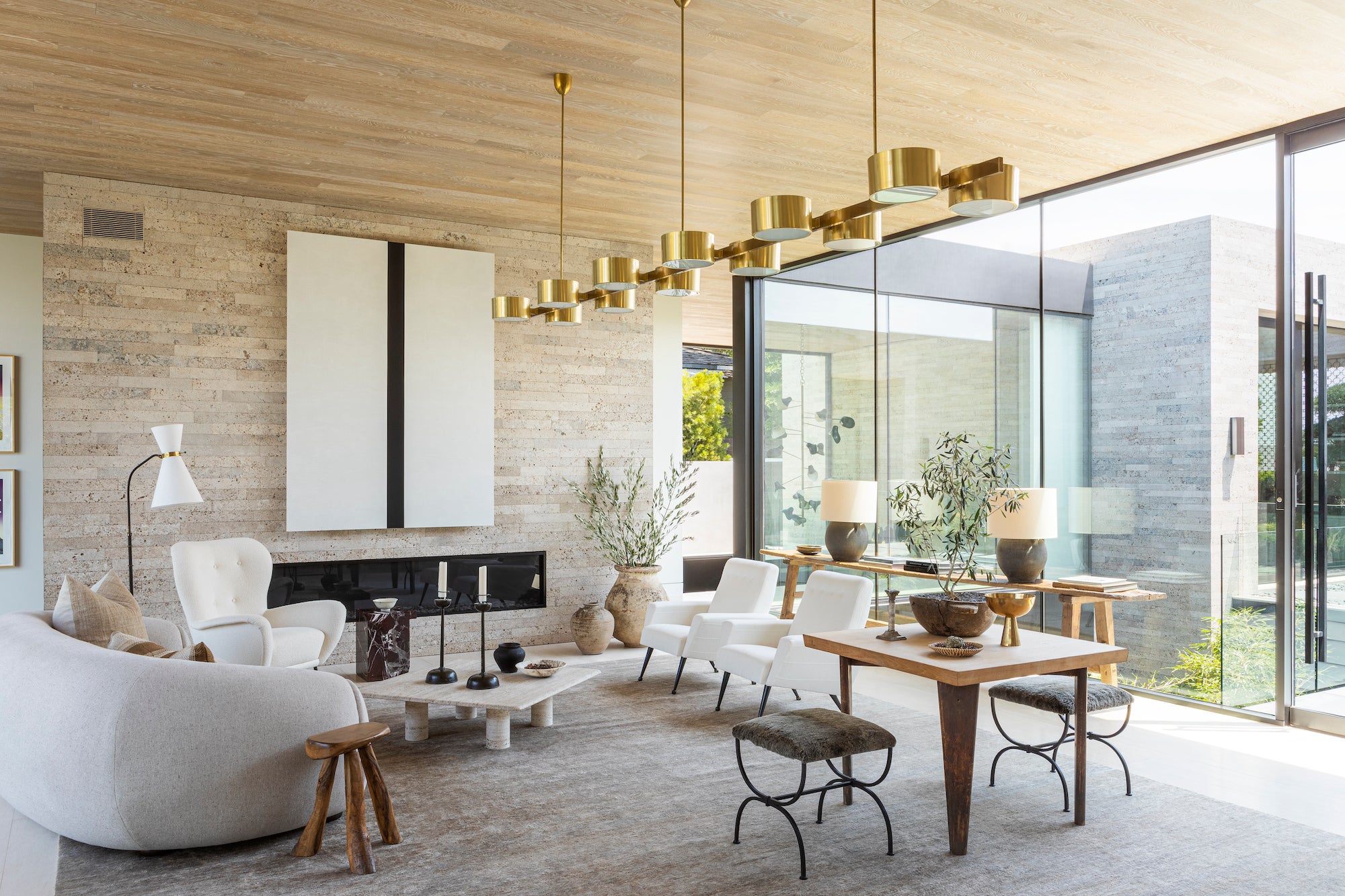
What is Nate Berkus’s signature design style?His style is often described as "New Classic." It features neutral color palettes, a mix of textures (like leather, linen, and stone), and a heavy emphasis on "curated" vintage finds mixed with modern silhouettes.
Where can I buy Nate Berkus design products?Nate Berkus has had long-standing partnerships with major retailers such as Target. He also has high-end collections available through Nate Berkus Associates and collaborations with brands like Kravet and Living Spaces.
Has Nate Berkus written any books?Yes, he is the author of several influential books, including Home Rules: Transform the Place You Live into a Place You'll Love and the New York Times bestseller The Things That Matter.
Practical Recommendation for Design Enthusiasts
If you are looking to incorporate Nate Berkus’s design principles into your own home, start with the "One-In, One-Out" rule of curation. Before adding a new piece to your space, ensure it carries a personal story or serves a specific functional purpose. Avoid "buying the set" from a furniture store; instead, take the time to source individual pieces over months or years to create a home that feels collected, not decorated.
Image Gallery