Understanding the Honda CR-V Engine Light Flashing: Causes and Immediate Actions
A flashing check engine light in a Honda CR-V indicates a severe engine misfire that is currently occurring. Unlike a steady light, a blinking indicator signifies that unburned fuel is entering the exhaust system, which can rapidly des...
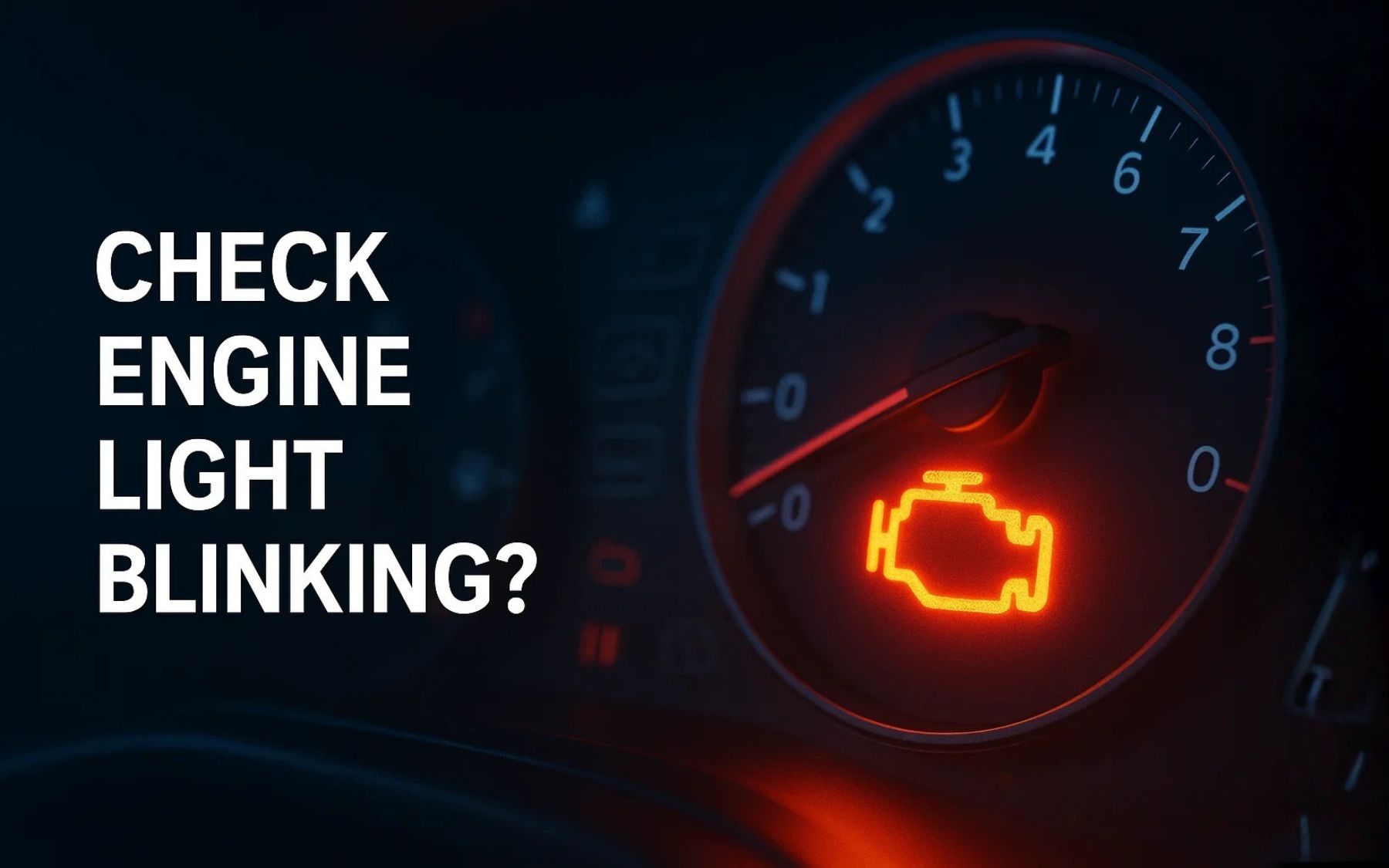
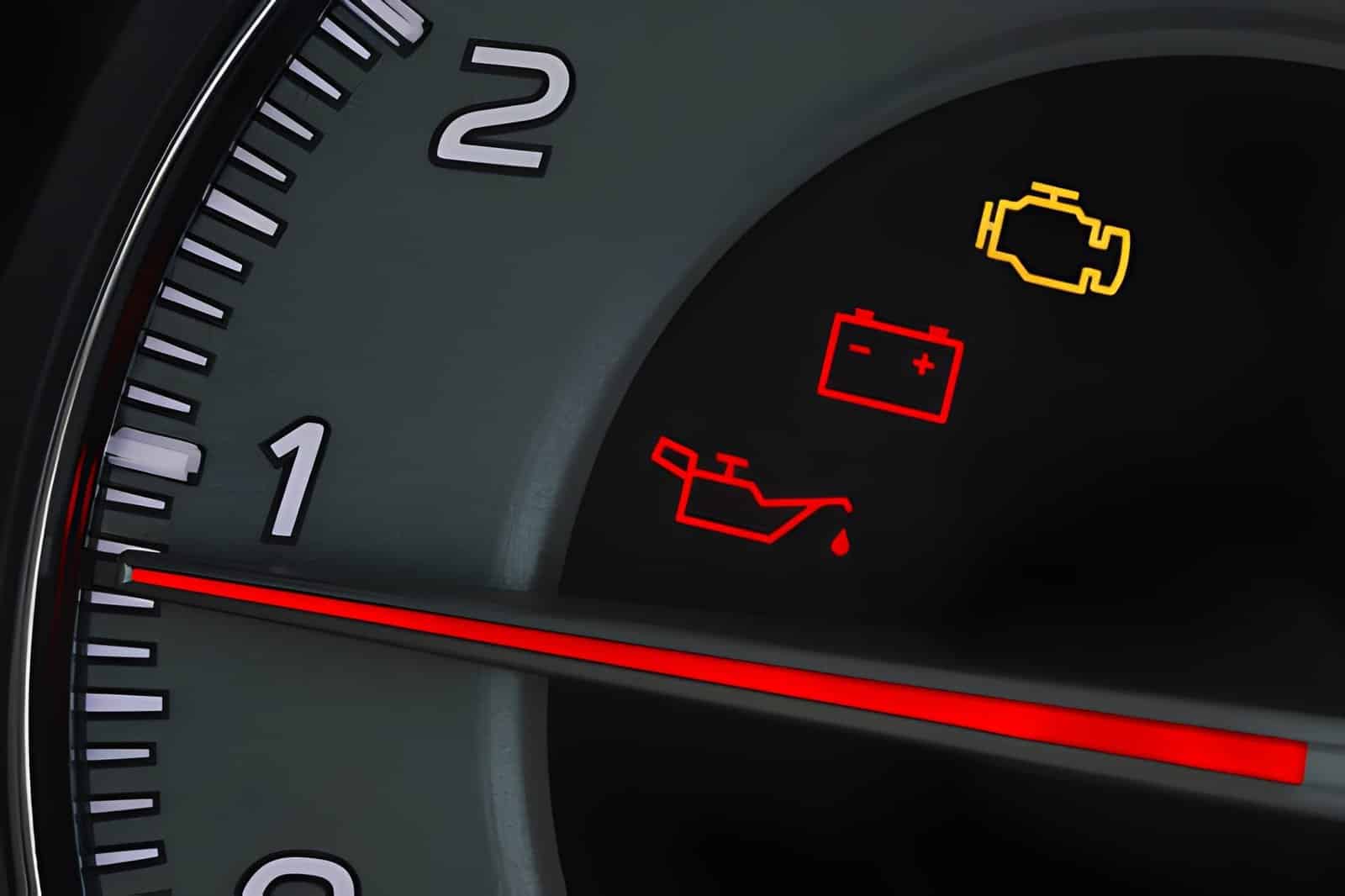
A flashing check engine light in a Honda CR-V indicates a severe engine misfire that is currently occurring. Unlike a steady light, a blinking indicator signifies that unburned fuel is entering the exhaust system, which can rapidly destroy your catalytic converter. You should stop driving immediately to prevent expensive engine and emissions damage.
Contents
The Critical Difference Between Solid and Flashing Lights
For most Honda CR-V owners, seeing the "Check Engine" or "Malfunction Indicator Lamp" (MIL) is a source of anxiety. However, the behavior of the light dictates the level of urgency. In the context of 2026 vehicle diagnostics, Honda’s onboard computer systems (OBD-II) categorize engine faults into two primary tiers: non-critical and catastrophic.
A solid engine light usually indicates a "soft" code or a component that is operating outside of its efficiency parameters. This might be a loose gas cap, a failing oxygen sensor, or a minor evap leak. While these require attention and will prevent you from passing an emissions test, they generally do not pose an immediate threat to the vehicle's powertrain.
A flashing engine light, however, is an emergency signal. It specifically denotes that the engine is misfiring so severely that raw, unburned gasoline is being pumped into the exhaust manifold. This fuel eventually reaches the catalytic converter—a component designed to operate at high temperatures but not to incinerate liquid fuel. The resulting chemical reaction can cause the converter’s internal ceramic honeycomb to melt or shatter within minutes, leading to repairs costing upwards of $2,000.
The Mechanics of an Engine Misfire
To understand why your Honda CR-V’s light is flashing, it is helpful to understand what a misfire actually is. An internal combustion engine requires three things to function: air, fuel, and a spark, all delivered with precise timing. If any of these elements are missing or poorly timed, the "bang" inside the cylinder doesn't happen or is incomplete.
When a cylinder misfires, the piston continues its cycle, but the air-fuel mixture that should have been ignited is instead pushed out through the exhaust valve. As this mixture hits the red-hot surfaces of the exhaust system, it ignites prematurely or coats the expensive precious metals inside the catalytic converter. The Honda CR-V’s powertrain control module (PCM) monitors the crankshaft speed very closely. If it detects even a slight hesitation in the crankshaft's rotation—indicating a cylinder didn't "push" as hard as it should have—it registers a misfire. If the frequency of these hesitations exceeds a specific threshold, the light begins to flash.
Common Causes for a Flashing Light in Honda CR-Vs
While a misfire can be caused by dozens of different issues, Honda CR-Vs across various generations (from the early 2.4L K-series engines to the modern 1.5L Turbo and 2.0L Hybrid units found in 2024–2026 models) share several common failure points.
1. Worn or Fouled Spark Plugs
Spark plugs are the most frequent culprit. Over time, the electrode on the plug wears down, widening the "gap" the electricity must jump. If the gap is too wide, the spark may not occur at all under high-load conditions (like accelerating onto a highway). In modern direct-injection Honda engines, carbon buildup can also foul the plug tip, preventing a clean burn.
2. Failing Ignition Coils
The CR-V uses a "Coil-on-Plug" (COP) system. Each cylinder has its own dedicated transformer (the coil) that sits directly on top of the spark plug. These components are subjected to extreme heat. When an ignition coil begins to fail, it may work fine at idle but fail under the stress of higher RPMs, triggering a flashing light during acceleration.
3. Fuel Injector Issues
Modern Honda CR-Vs utilize high-pressure direct injection. If an injector becomes clogged or the electrical solenoid inside it fails, the cylinder will receive too little fuel (a lean misfire) or too much fuel (a rich misfire). Honda issued several extended warranties in the early 2020s for fuel injectors on the 1.5L Turbo engines, and this remains a point of inspection for owners of older fifth-generation models.
4. Valve Clearance Problems
Historically, Honda engines have required periodic valve adjustments. If the valves are too tight, they may not close fully, leading to a loss of compression and a consistent misfire. While 2026 models feature more advanced hydraulic lifters or specialized coatings, older CR-Vs (pre-2017) often require a manual valve adjustment every 100,000 miles to prevent misfire codes.
Immediate Steps: What to Do When the Light Flashes
If you are driving your CR-V and the light begins to blink, follow these steps to minimize damage:
- Reduce Speed and Load: Immediately take your foot off the accelerator. If you are towing or carrying a heavy load, find the nearest safe place to stop. Avoid high speeds or steep inclines.
- Pull Over Safely: As soon as it is safe to do so, pull off the road and turn off the engine. Do not attempt to "limp" the car home if you are more than a mile away.
- Check for Physical Symptoms: Note if the car is shaking, vibrating excessively, or if you smell "rotten eggs" (a sign the catalytic converter is already overheating) or raw gasoline.
- Tow to a Service Center: Because the risk of catalytic converter failure is so high, towing is significantly cheaper than the potential repair bill for a melted exhaust system.
Diagnostic Codes to Look For
If you have access to an OBD-II scanner, you will likely find "P0300" series codes. These are the universal language for engine misfires.
| Code | Meaning | Typical CR-V Diagnosis |
|---|---|---|
| P0300 | Random or Multiple Cylinder Misfire | Often caused by a vacuum leak, old fuel, or a failing fuel pump. |
| P0301 | Cylinder 1 Misfire | Specific to the first cylinder; usually a bad coil or plug on that cylinder. |
| P0302 | Cylinder 2 Misfire | Specific to the second cylinder. |
| P0303 | Cylinder 3 Misfire | Specific to the third cylinder. |
| P0304 | Cylinder 4 Misfire | Specific to the fourth cylinder. |
| P0171 | System Too Lean | Often accompanies misfires; suggests an air leak or "unmetered" air. |
Estimated Repair Costs (2026 Projections)
Repair costs can vary based on your geographic location and whether you use a dealership or an independent mechanic. In 2026, parts prices have stabilized, but labor rates remain a significant factor.
- Spark Plug Replacement: $150 – $300 (Set of four, including labor).
- Ignition Coil Replacement: $150 – $250 (Per coil). It is often recommended to replace all four if the vehicle is over 100,000 miles.
- Fuel Injector Replacement: $800 – $1,400 (The high cost is due to the labor involved in removing the intake manifold on direct-injection engines).
- Catalytic Converter: $1,800 – $3,500 (This is the "penalty" cost if the flashing light was ignored).
Preventing the Flashing Light
The best way to avoid a flashing engine light is to adhere to the Honda Maintenance Minder system. For the CR-V, this usually involves:
- Spark Plug Service: Typically every 100,000 miles (Maintenance Minder Sub-item 4).
- Valve Inspection: Every 100,000 miles or if the engine becomes noisy.
- Top-Tier Fuel: Using high-quality gasoline with detergent additives helps prevent carbon buildup on the injectors and valves, a common cause of "lean" misfires.
Frequently Asked Questions
Can I drive my Honda CR-V with a flashing engine light?
No. You should not drive the vehicle except to pull over to a safe location. A flashing light indicates a "Type A" misfire, which is severe enough to damage the catalytic converter and potentially cause engine fire in extreme cases of fuel saturation in the exhaust.
Why does the light stop flashing and stay solid sometimes?
The computer constantly re-evaluates engine performance. If the misfire is "intermittent"—meaning it only happens under certain conditions like heavy rain or high acceleration—the light may revert to a solid state when the condition subsides. However, the fault is still present and the flashing will likely return.
Will a loose gas cap cause a flashing light?
No. A loose gas cap will cause a solid check engine light, often accompanied by a "Check Fuel Cap" message on the dashboard. It will never cause the light to flash, as a loose cap does not cause the engine to misfire.
Does the Honda CR-V Hybrid have this issue?
Yes, the hybrid models still have an internal combustion engine (usually a 2.0L Atkinson-cycle engine). While the electric motors may help move the car, if the gasoline engine is running and misfiring, the light will flash. The diagnostic process is similar, though the hybrid system adds complexity to the repair.
Is a flashing light covered under warranty?
If your CR-V is still within the 5-year/60,000-mile powertrain warranty (or a specific emissions warranty which is often longer, such as 8 years/80,000 miles in some jurisdictions), the repair may be covered if the failure is due to a defect in materials or workmanship. However, "wear items" like spark plugs are typically not covered.
Final Recommendation
If your Honda CR-V engine light is flashing, treat it as a mechanical emergency. Turn off the vehicle, use an OBD-II scanner to identify which cylinder is misfiring, and replace the spark plugs and ignition coils as a primary troubleshooting step. If the problem persists, have a professional technician perform a compression test and fuel system analysis to rule out more serious internal engine damage.
Image Gallery