Christian Life and Disability Insurance: Debunking Common Myths with Scriptural and Financial Facts
Christian life and disability insurance provide a structured way to fulfill the biblical mandate of providing for one's family while managing the earthly risks of illness or premature death. Contrary to common myths, these tools do not...
Christian life and disability insurance provide a structured way to fulfill the biblical mandate of providing for one's family while managing the earthly risks of illness or premature death. Contrary to common myths, these tools do not replace trust in God but rather act as instruments of prudent stewardship and protection for dependents in an uncertain world.
Contents
The Intersection of Faith and Financial Protection
In the landscape of 2026, the financial pressures on Christian families—ranging from rising healthcare costs to the complexities of housing—have intensified the need for clear guidance on insurance. For many believers, the primary hurdle is not financial, but theological. The question often arises: "If I trust God to provide, am I showing a lack of faith by purchasing an insurance policy?"
To answer this, we must look at the biblical concept of stewardship. Stewardship is the management of resources that ultimately belong to God. In 1 Timothy 5:8, the scripture states, "Anyone who does not provide for their relatives, and especially for their own household, has denied the faith and is worse than an unbeliever." This verse establishes a clear responsibility for the head of a household to ensure the well-being of their family.
Insurance is a modern mechanism for risk transfer. Historically, the early church acted as a communal insurance pool, sharing resources to support widows and orphans. In 2026, while the local church remains a vital support system, the sheer scale of modern medical and funeral costs often exceeds what a single congregation can sustainably provide. Integrating private insurance with church support is a practical way to honor the principle of "counting the cost" before building, as suggested in Luke 14:28.
Common Myths About Christian Life Insurance
Myth 1: Life Insurance is Gambling Against God
A persistent myth in some circles suggests that taking out a life insurance policy is a way of betting on one's own death or attempting to profit from a tragedy. This view characterizes insurance as a wager, which is fundamentally inaccurate from a technical perspective.
The Fact: Insurance is not gambling; it is risk management. In gambling, you create a risk (losing money) where none existed before for the sake of potential gain. In insurance, the risk (death and the resulting financial loss for survivors) already exists. The policy is designed to mitigate the financial devastation that follows that pre-existing risk. It provides a "death benefit" that replaces the lost income of the deceased, ensuring that a mortgage is paid or children can attend college.
Myth 2: The Church Will Fully Support My Family
There is often a beautiful but sometimes unrealistic expectation that the local church body will step in and cover all financial needs if a breadwinner passes away.
The Fact: While the global Body of Christ is commanded to care for one another, the reality of 2026 economics makes total lifelong support difficult for most congregations. A church may provide several months of groceries, help with immediate funeral expenses, or offer childcare. However, replacing a $70,000 to $150,000 annual salary for twenty years is rarely within a local church’s budget. Life insurance acts as the primary financial vehicle, allowing the church to focus on spiritual and emotional support—the roles it is best equipped to handle.
Myth 3: Only the Primary Breadwinner Needs Life Insurance
Many Christian families assume that if a stay-at-home parent passes away, there is no "income" to replace, and therefore no need for insurance.
The Fact: This ignores the high cost of "replacement services." If a stay-at-home parent dies, the surviving spouse may need to pay for full-time childcare, housekeeping, transportation, and meal preparation. According to current labor data, the economic value of a stay-at-home parent’s labor is substantial. A life insurance policy on a non-working spouse allows the surviving parent to maintain the home environment or afford the help necessary to keep the family unit functioning during a period of intense grief.
Disability Insurance: The Often Ignored Necessity
While life insurance is widely discussed, disability insurance (DI) is frequently overlooked by Christian families. Statistically, a person in their 30s or 40s is significantly more likely to experience a long-term disability than they are to die.
Myth 4: "I Am Young and Healthy; I Don't Need Disability Insurance"
Many young Christians believe that because they are fit and work in low-risk environments (like an office or a ministry), they are not at risk for disability.
The Fact: Disability is rarely caused by dramatic workplace accidents. According to the Social Security Administration, the vast majority of long-term disabilities are caused by illnesses such as cancer, heart disease, mental health disorders, or chronic back pain. These conditions do not discriminate based on age or job type. Without disability insurance, a family's income can drop to zero instantly, while their medical expenses simultaneously skyrocket.
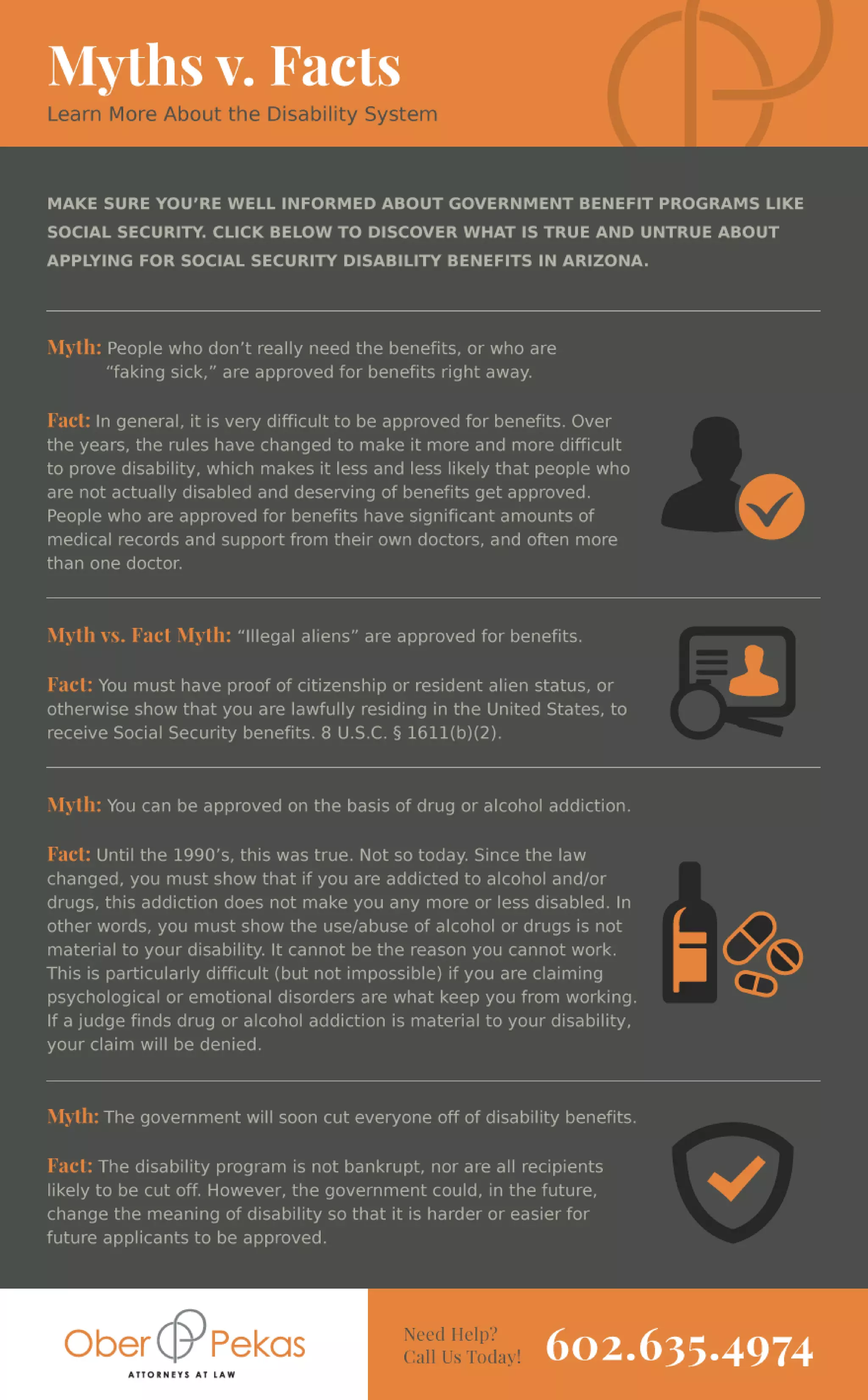
Myth 5: Social Security Disability (SSDI) is Sufficient
There is a common belief that the government’s safety net will provide a comfortable living if one becomes unable to work.
The Fact: Qualifying for SSDI is notoriously difficult and time-consuming. The definition of disability used by the Social Security Administration is very strict: you must be unable to perform any work in the national economy, not just your current job. Furthermore, the average monthly benefit as of 2026 often falls below the poverty line for a family of four. Private disability insurance, particularly policies that offer "Own Occupation" coverage, provides a much higher level of protection by paying out if you cannot perform the specific duties of your profession.
Technical Facts: Comparing Policy Types for Christian Families
Choosing between policy types requires an understanding of how they fit into a long-term stewardship plan. The debate usually centers on Term Life vs. Whole Life (Permanent) insurance.
| Feature | Term Life Insurance | Whole Life Insurance | Disability Insurance (LTD) |
|---|---|---|---|
| Primary Goal | Income replacement for a set period. | Lifetime coverage + cash value. | Replacing income during illness. |
| Cost | Lowest; very affordable for families. | High; premiums can be 10x higher. | Moderate; usually 1-3% of salary. |
| Duration | 10, 20, or 30 years. | Until death (if premiums paid). | Until retirement age (usually 65-67). |
| Faith Context | Good for "temporary" needs (kids). | Can be used as a legacy/endowment. | Critical for "providing for one's own." |
| Best For | Families with mortgages and kids. | High-net-worth estate planning. | All working professionals/pastors. |
The "Own Occupation" Advantage in Disability
For ministry professionals or Christian educators, the definition of disability in a policy is crucial. A "Total Disability" definition might require you to be completely incapacitated. However, an "Own Occupation" rider ensures that if a pastor loses their voice and can no longer preach, or a worship leader loses their hearing, the policy will pay out even if they could technically work a different job in a different field. This is a vital nuance for those in specialized roles within the church.
Strategic Planning for Pastors and Ministry Workers
Pastors face unique challenges regarding insurance due to their tax status and housing allowances. In 2026, many ministers are considered employees for income tax purposes but self-employed for Social Security purposes (unless they have opted out).
- Housing Allowance Considerations: When a pastor becomes disabled, they often lose their housing allowance because they are no longer "performing sacerdotal duties." This can result in a massive, immediate tax hit and the loss of their home. A robust disability policy should be calculated to cover the full value of both the salary and the housing allowance.
- Group vs. Individual Policies: Many Christian organizations offer group life and disability insurance. While helpful, these policies are usually "non-portable." If the pastor leaves that specific ministry, the coverage ends. Supplementing group coverage with a private, individual policy ensures that protection remains in place regardless of employment changes.
- The "Elimination Period": This is the waiting period between the start of a disability and when benefits begin. For churches with a "Benevolence Fund," a pastor might choose a longer elimination period (e.g., 90 days) to lower the premium, relying on the church’s support for the first three months of an illness.
Facts About Policy Limits and Needs Analysis
A common mistake is picking an arbitrary number for coverage, such as $250,000. In 2026, due to cumulative inflation and the cost of education, $250,000 may only sustain a family for three to five years.
- The 10-15x Rule: Most financial experts suggest life insurance coverage equal to 10 to 15 times the annual gross income.
- Debt Elimination: Policies should at minimum cover the mortgage, car loans, and any outstanding consumer debt.
- Education Funding: For Christian families prioritizing private Christian schooling or college, these costs must be indexed for future inflation.
- Final Expenses: The National Association of Insurance Commissioners (NAIC) notes that funeral costs in 2026 can range from $10,000 to $20,000. Ensuring these are covered prevents the family from having to fundraise during a time of loss.
Practical Recommendations for Next Actions
Navigating the transition from myth to fact requires a systematic approach to financial stewardship. Christian families should consider the following steps:
- Conduct a Needs Audit: Calculate your family's monthly expenses, outstanding debts, and future goals (like education). Subtract your current liquid assets. The gap is the amount of insurance you need.
- Review Church Documents: If you are a ministry employee, review your "Call Document" or employment contract to see what disability or life benefits are currently provided by the church or denomination.
- Consult a Faith-Based Advisor: Seek out financial professionals who understand your theological convictions. They can help find companies that align with Christian values (e.g., avoiding investments in industries that conflict with your faith).
- Prioritize Disability Insurance: If you have life insurance but no disability coverage, you have a significant gap in your stewardship. Most families are more likely to face a disability that prevents work than an early death.
- Update Beneficiaries: Ensure your policy beneficiaries reflect your current family situation and potentially include a provision for a trusted Christian trust or your local church.
Frequently Asked Questions
Does insurance mean I am not trusting God's timing for my life?
Trusting God's timing relates to the length of our days, which only He knows. However, insurance is about managing the financial consequences for those we leave behind. Just as a farmer sows seed in the spring trusting God for rain while also building a barn to protect the harvest, a Christian uses insurance to protect the family God has entrusted to them.
Can I just use a Christian Healthcare Sharing Ministry instead of disability insurance?
Most Christian Healthcare Sharing Ministries (HCSMs) focus on medical bill sharing for doctors and hospitals. While some have limited "disability" or "loss of income" sharing options, they are not legally guaranteed insurance contracts. They are voluntary sharing programs and often have much lower benefit caps than a traditional Long-Term Disability (LTD) insurance policy.
Is "Whole Life" insurance better for Christians because it builds a legacy?
"Better" depends on your specific financial goals. Term life insurance is usually the most efficient way for young families to get high levels of coverage for a low cost. Whole life can be a tool for leaving a permanent "legacy" or endowment to a ministry, but it requires a much larger financial commitment that could otherwise be used for tithing or debt reduction.
What happens if my insurance company goes bankrupt?
In the United States, insurance is regulated at the state level. Each state has a "Guaranty Association" that provides protection to policyholders if an insurance company becomes insolvent. When selecting a policy in 2026, check the AM Best or Standard & Poor’s rating of the company to ensure they are financially stable.
Are life insurance proceeds taxable for my heirs?
Generally, life insurance death benefits are not subject to federal income tax. However, if the policy is part of a very large estate, it may be subject to estate taxes. For disability insurance, if you pay the premiums with "after-tax" dollars, the benefits you receive are usually tax-free. If your employer pays the premiums, the benefits are typically taxable.
Image Gallery