Investigating the 2014 Ravenscroft School Tragedy: Context and Historical Record
The 2014 death of Ravenscroft School teacher Susan Rotshild remains a significant moment in the history of the Raleigh, North Carolina, educational community. On February 19, 2014, Susan Rotshild was found dead in her home following an...
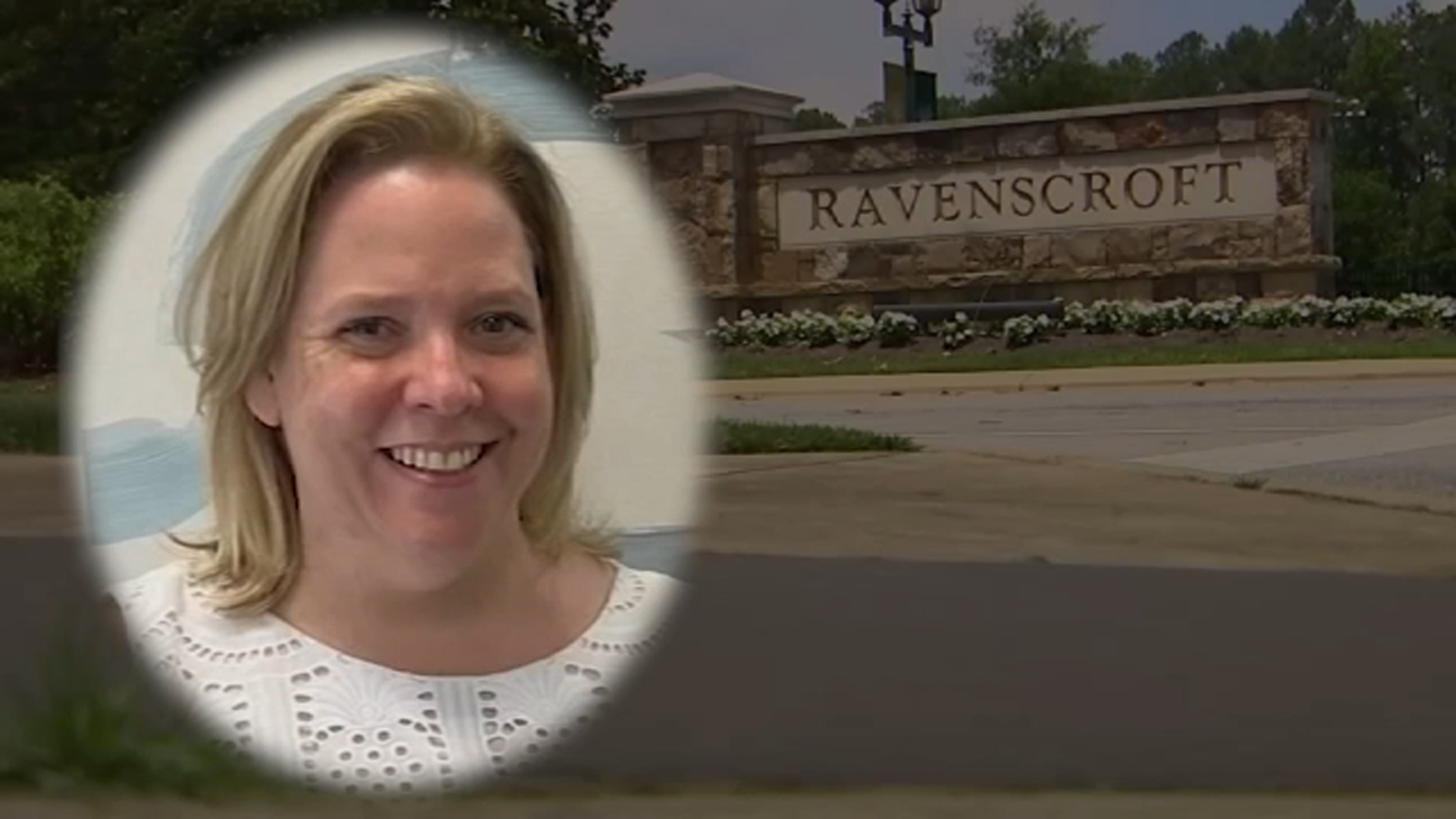
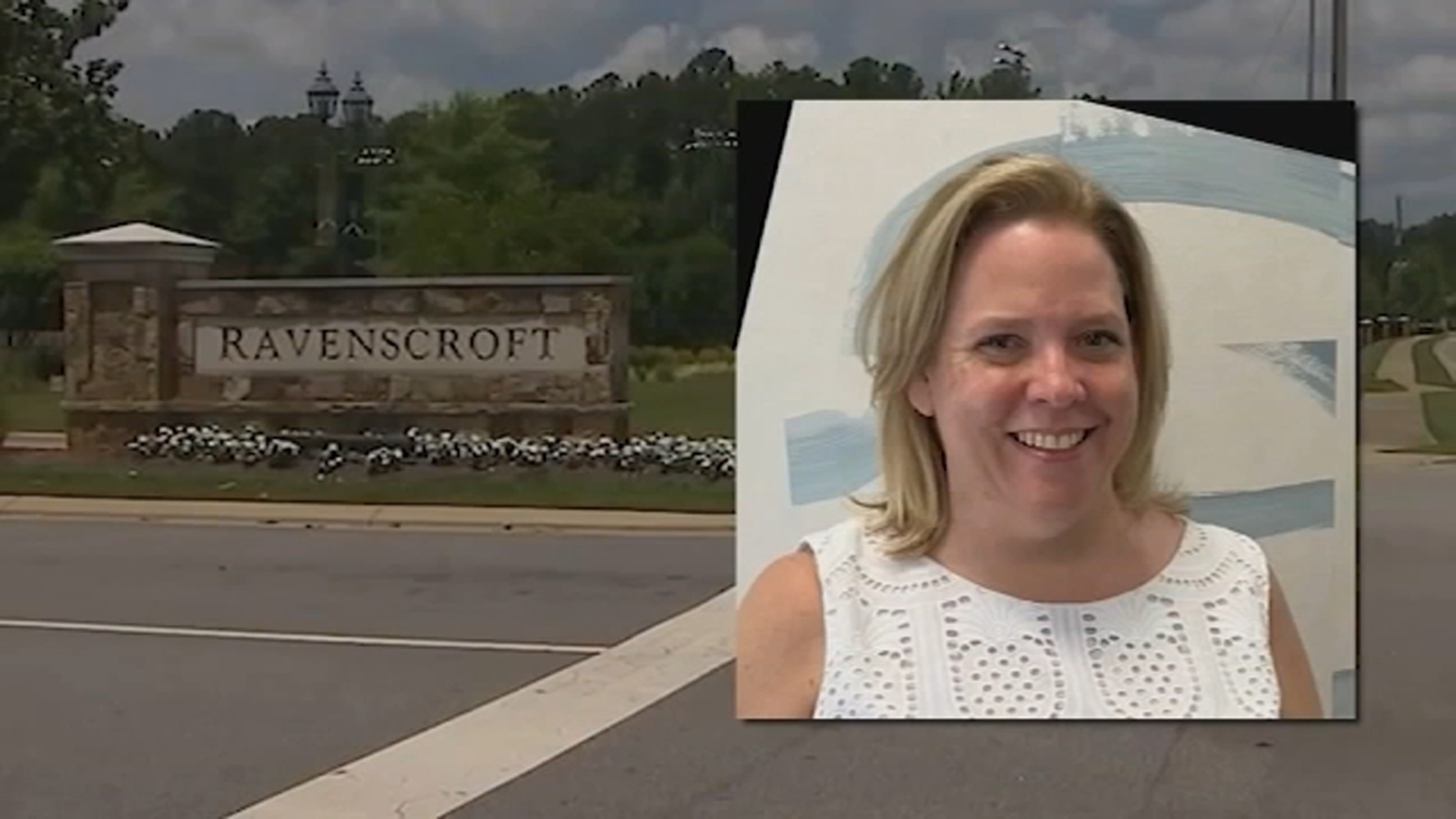
The 2014 death of Ravenscroft School teacher Susan Rotshild remains a significant moment in the history of the Raleigh, North Carolina, educational community. On February 19, 2014, Susan Rotshild was found dead in her home following an incident classified by law enforcement as a home invasion and homicide, which subsequently led to a widespread investigation and significant changes to campus and community safety protocols.
Contents
Understanding the 2014 Event
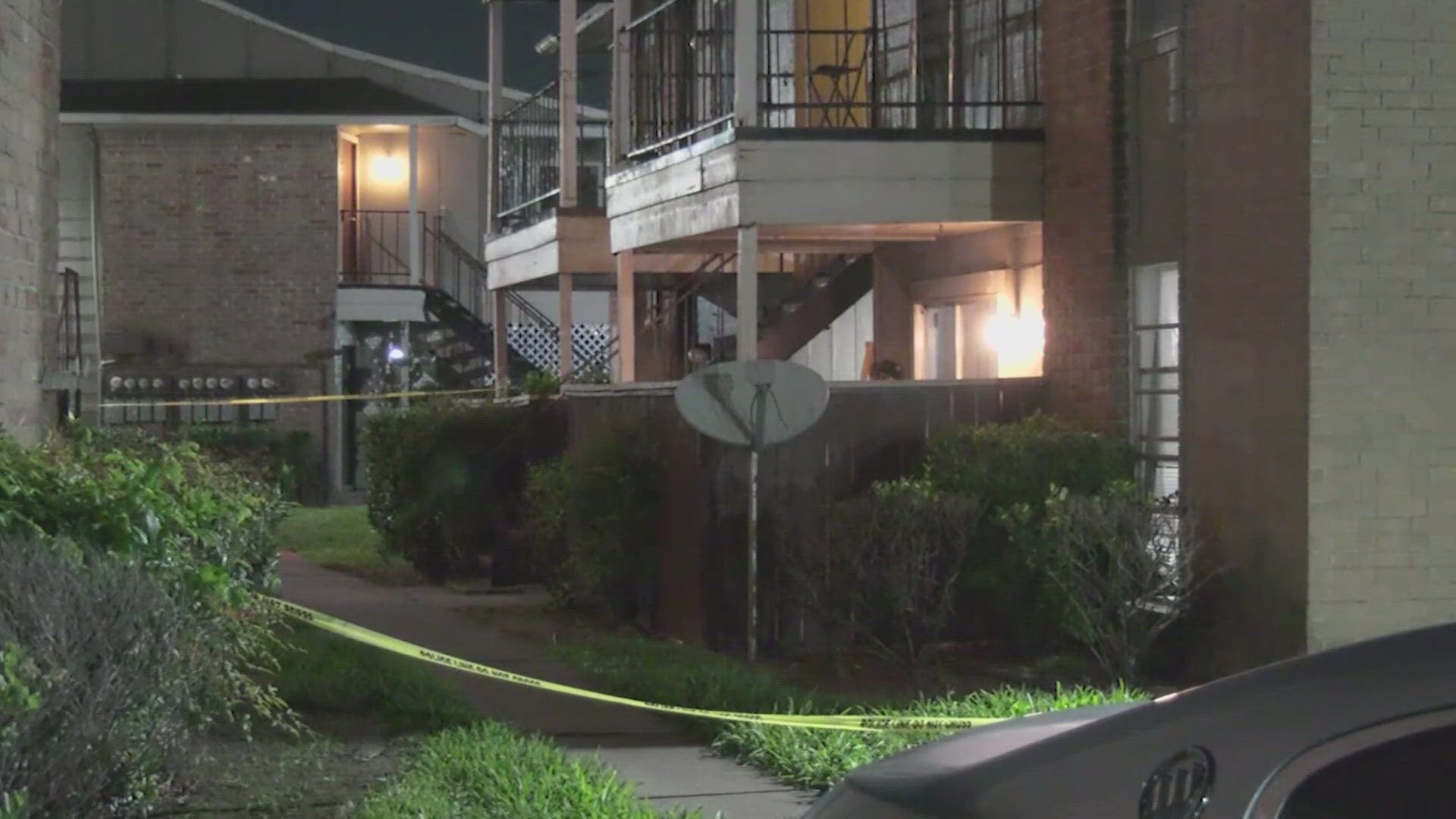
On February 19, 2014, local authorities in Raleigh, North Carolina, responded to a home invasion that resulted in the death of Susan Rotshild, a respected educator at the Ravenscroft School. The event sent shockwaves through the private school’s community, prompting an immediate response from the institution and local law enforcement.
The investigation into the circumstances of the incident involved the Raleigh Police Department, which treated the crime as a targeted, violent home invasion. Given the specific nature of the case, it remains a heavily documented point of reference in local archives concerning school safety and the vulnerability of staff members outside of the academic setting.
Institutional Impact on Ravenscroft School
The Ravenscroft School, a pre-K through 12th-grade independent school in Raleigh, faced an immense challenge in supporting its faculty and student body following the loss of a staff member. Institutions of this size often rely on established crisis management frameworks, but a tragedy involving a teacher in their private residence necessitates a multifaceted response that balances transparency with the privacy of the deceased and their family.
When a faculty member is the victim of a violent crime, schools typically initiate several layers of support:
- Counseling Services: Providing professional psychological support to students who may have been in the deceased teacher's classes.
- Communication Strategies: Navigating the dissemination of facts to parents and stakeholders while adhering to the guidance of law enforcement agencies involved in the investigation.
- Security Assessment: Reviewing existing policies to ensure that the broader community feels secure, even when the incident occurred outside of the campus environment.
The Role of Law Enforcement in Home Invasion Investigations
The investigation into a home invasion resulting in a homicide involves complex forensic protocols. In 2014, the Raleigh Police Department focused on gathering physical evidence from the residence, canvassing the surrounding neighborhood, and establishing a timeline of the victim's final hours.
In the context of such crimes, investigators generally follow a standard operating procedure:
- Securing the Scene: Preventing contamination of the area to preserve DNA, fingerprints, and other trace evidence.
- Witness Interviews: Identifying individuals who had contact with the victim in the 24 to 48 hours preceding the event.
- Digital Footprinting: Examining electronic communications, including emails and personal accounts, to determine if there were any pre-existing threats or suspicious interactions.
- Forensic Analysis: Utilizing the state crime lab to process evidence that could lead to the identification of a suspect.
Comparison of Safety Protocols: 2014 vs. 2026
In 2026, the discourse surrounding educator safety has shifted significantly. While schools in 2014 were largely focused on perimeter security and on-campus active threat mitigation, the modern approach integrates a more comprehensive view of personal security for school employees.
| Focus Area | 2014 Security Approach | 2026 Security Approach |
|---|---|---|
| Primary Concern | Campus physical access | Holistic threat assessment |
| Data Usage | Limited digital monitoring | AI-driven threat intelligence |
| Communication | Direct email/letter alerts | Real-time mass notification systems |
| Support Systems | Short-term trauma counseling | Long-term mental health integration |
Addressing Personal Safety for Educators
The tragedy serves as a sober reminder of the necessity for personal security vigilance. While the majority of teachers are not targets of such specific crimes, the volatility of external threats remains a concern for many in the education sector. Educators are often encouraged by safety consultants to implement basic personal safety measures:
- Cybersecurity Hygiene: Minimizing the amount of personal information available on social media platforms that could allow an unknown party to locate a residence.
- Residential Security: Implementing basic home monitoring systems, such as doorbell cameras or motion-activated lighting, which have become significantly more accessible and affordable since 2014.
- Situational Awareness: Maintaining awareness of surroundings during commutes to and from school and reporting suspicious activity near one’s residence to local non-emergency law enforcement lines.
Frequently Asked Questions
What was the nature of the event involving the Ravenscroft teacher? The event involved the homicide of a teacher at the Ravenscroft School during a home invasion in February 2014. It was treated by the Raleigh Police Department as a criminal homicide investigation.
How did the school community respond to the tragedy? The school provided extensive counseling services and support networks to students and faculty. The administration worked to maintain operational continuity while ensuring the community was adequately supported during the grieving process.
Has technology changed how schools handle external staff threats? Yes. In 2026, many private schools utilize more sophisticated communication platforms and have access to advanced cybersecurity training to help staff protect their digital footprints, which helps reduce the risk of targeted harassment.
What should an educator do if they feel unsafe? If an educator feels there is an immediate threat to their personal safety at home, they should contact local law enforcement directly. Furthermore, many school districts and private institutions offer HR resources that include consultation on security concerns.
Is it common for teachers to be targets of home invasions? Statistically, teachers are not at a higher risk of home invasion than the general public. However, when such an event occurs, it receives significant media attention due to the teacher's role as a public figure in the lives of their students.
Recommendations for Community Safety
The loss of a professional in any community is a transformative event that requires a focus on collective resilience. For school communities, the lesson from 2014 is the importance of integrated support systems. If you are part of a school community, it is recommended to regularly review the institution's crisis management policy. Ensure that there are clearly defined channels for reporting concerns about staff safety and that the school’s emergency contact information is current for all faculty members.
Image Gallery