The Net Worth of McCaffrey Explained: Financial Realities, Career Earnings, and Wealth Dynamics
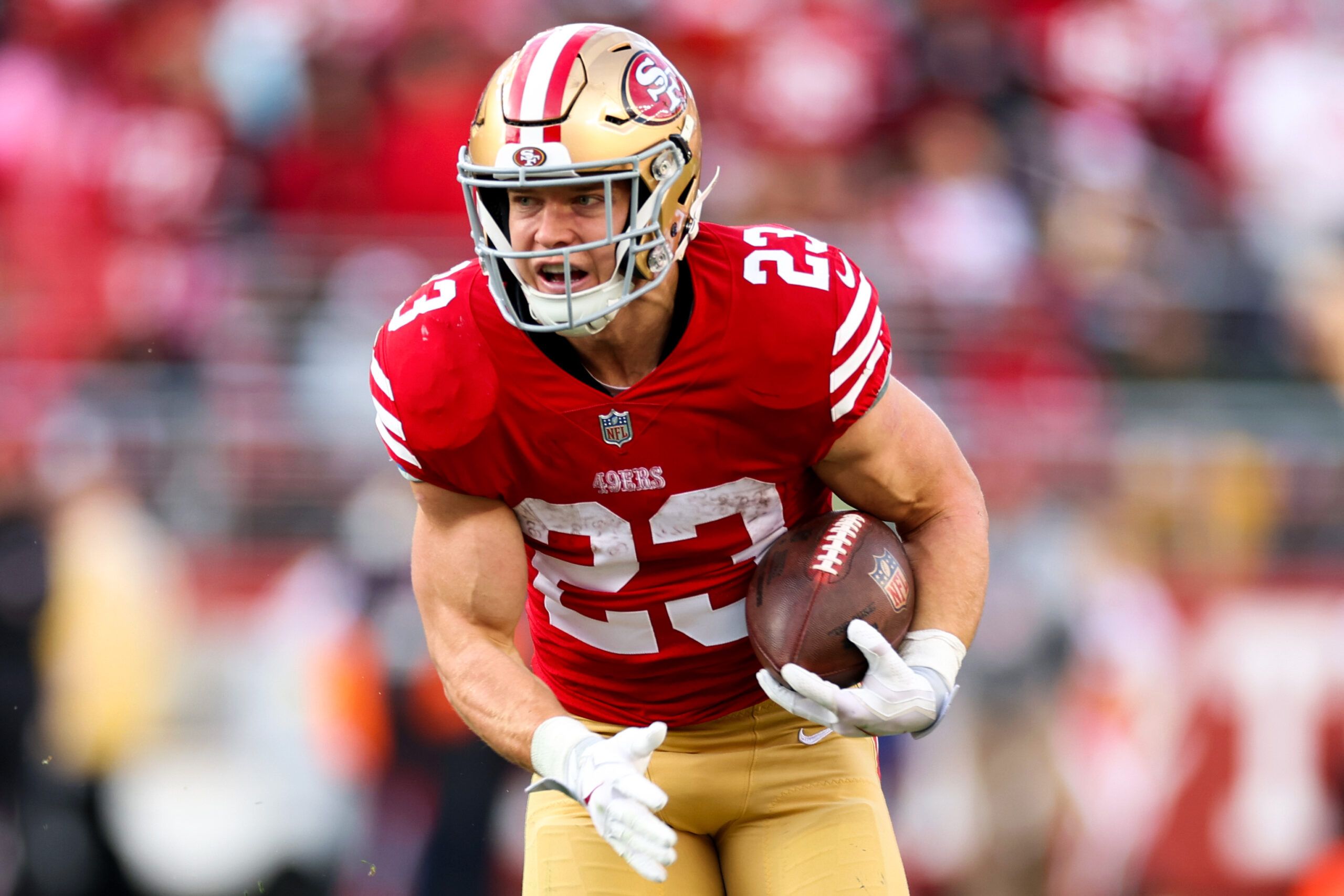
Christian McCaffrey commands one of the most substantial financial profiles in modern professional football, bolstered by lucrative contract extensions, high-profile commercial endorsements, and diversified business ventures. While pop...
Christian McCaffrey commands one of the most substantial financial profiles in modern professional football, bolstered by lucrative contract extensions, high-profile commercial endorsements, and diversified business ventures. While popular finance blogs and entertainment websites frequently publish speculative estimates regarding celebrity and athlete wealth, understanding the actual financial standing of a prominent athlete requires examining publicly disclosed salary data, contract structures, taxation rules, and standard wealth management practices for elite sports figures.
Contents
Understanding Athlete Net Worth and Financial Valuation
Calculating the precise net worth of a public figure like Christian McCaffrey involves analyzing several distinct financial streams rather than relying on a single, static bank account balance. Net worth represents the total value of an individual's assets—including cash, investments, real estate, and physical property—minus any outstanding liabilities, such as mortgages, loans, or other debts. For professional athletes, the calculation is uniquely complex due to the short window of peak earning potential, high tax burdens, agent commissions, and varying levels of passive investment income.
Public estimates found across the internet often conflate career gross earnings with current net worth. Gross earnings reflect the total nominal value of contracts signed, whereas net worth accounts for federal, state, and local income taxes, jumbo agent fees (which typically range up to ten percent under NFL Players Association regulations), union dues, and standard living expenses. Furthermore, athletes who employ disciplined financial advisors often channel significant portions of their capital into private equity, real estate portfolios, and diverse stock market holdings, making exact real-time valuations proprietary and private.
To evaluate how professional sports contracts and external business opportunities compound over time, financial analysts look at several core metrics:
- Gross Contract Value: The total nominal sum guaranteed and non-guaranteed across the lifetime of professional playing agreements.
- Net Take-Home Pay: The remaining capital after accounting for professional athlete jumbo tax brackets, escrow payments, and agency commissions.
- Endorsement Portfolio: Annual revenue generated through corporate partnerships, brand ambassadorships, and merchandise licensing.
- Capital Preservation and Investment: Real estate acquisitions, venture capital involvement, and structured wealth management vehicles.
Professional Career Earnings and Contract Structure
The foundation of Christian McCaffrey’s financial portfolio stems from his professional football career, marked by record-setting contracts that reflect his elite status on the field. Selected eighth overall in the 2017 NFL Draft by the Carolina Panthers, his rookie contract established a strong financial baseline before his unprecedented performance secured multi-million-dollar extensions.
In April 2020, McCaffrey signed a four-year, $64 million contract extension with the Panthers, which made him the highest-paid running back in NFL history at that time. This deal included a $21 million signing bonus and over $38 million in total guaranteed money, providing a massive influx of liquid capital subject to upfront taxation. Following his trade to the San Francisco 49ers in October 2022, his existing contract structure remained intact, carrying significant remaining salary commitments through subsequent seasons.
In June 2024, the 49ers rewarded his continued production by signing him to a two-year contract extension worth $19 million in new money, averaging $9.5 million per year while tying him to the franchise through the 2025 and 2026 seasons, alongside additional cascading guarantees. These consecutive high-value agreements place him at the very top tier of compensation for his position group, significantly outperforming historical averages for running backs in the modern era.
| Contract Phase | Team | Duration | Total Value | Guaranteed Money |
|---|---|---|---|---|
| Rookie Contract | Carolina Panthers | 4 Years (2017–2020) | $17.2 Million | $17.2 Million (Fully Guaranteed) |
| First Major Extension | Carolina Panthers | 4 Years (2020–2025) | $64.0 Million | $38.2 Million |
| San Francisco Extension | San Francisco 49ers | 2 Years (New Money) | $19.0 Million | $24.0 Million (Cumulative Total) |
Commercial Endorsements and Brand Partnerships
Beyond athletic salaries, elite NFL players generate substantial revenue streams through commercial partnerships with major corporate entities. McCaffrey’s marketability is enhanced by his status as an offensive focal point, multi-time Pro Bowler, and Offensive Player of the Year recipient. These commercial agreements contribute millions annually to his gross earnings profile.
Over his career, McCaffrey has partnered with premier brands across athletic apparel, consumer packaged goods, technology, and financial services. Prominent partnerships have included long-standing relationships with companies such as Nike, Bose, Nerf, USAA, and various nutritional and fitness supplement brands. These corporate sponsorships typically involve performance-based bonuses, commercial production commitments, and equity arrangements in emerging startups, ensuring that his earning potential extends far beyond game-day paychecks.
Brand partnerships require careful management to align with an athlete's public persona and long-term career goals. Endorsement revenue is generally subject to lower physical wear-and-tear risks than on-field activities, making it an increasingly vital component of modern sports wealth accumulation. Brand agreements also provide sustained visibility that enhances post-career media and entrepreneurial opportunities.
Taxation, Deductions, and Wealth Retention
A comprehensive examination of athlete net worth must account for the substantial tax liabilities associated with high-income earners in professional sports. Professional athletes face unique tax structures, including the "jumbo tax" or "duty days" tax, which requires players to pay income taxes to the specific states and municipalities where they play their games.
For a player based in California—home to the San Francisco 49ers—state income tax rates reach up to 13.3 percent, representing one of the highest tax burdens in the United States. Combined with federal income taxes (reaching up to 37 percent), Medicare, social security, state disability insurance, agent fees, and mandatory league escrow deductions, an athlete's net take-home pay is often significantly lower than their nominal contract value.
| Expense Category | Estimated Percentage / Impact | Description |
|---|---|---|
| Federal Income Tax | Up to 37.0% | Top marginal federal tax bracket for high earners. |
| State & Local Taxes | Up to 13.3% (California) | Levied on income earned across specific game-day jurisdictions. |
| Agent Commissions | Up to 10.0% | Maximum allowable fee regulated by the NFL Players Association. |
| Union Dues & Escrow | ~1.5% to 2.0% | Mandatory player association fees and salary withholding funds. |
To combat these deductions and preserve capital, elite athletes rely on specialized financial advisors, wealth managers, and tax attorneys. Effective wealth management involves implementing diversified portfolios, utilizing tax-advantaged investment vehicles, and establishing trusts that protect assets from litigation and excessive taxation.
Real Estate and Investment Portfolios
Real estate acquisitions serve as a primary cornerstone for preserving and growing athlete net worth. High-income earners frequently purchase luxury residential properties in major metropolitan areas, combining personal lifestyle needs with long-term asset appreciation. McCaffrey has maintained notable real estate holdings in both North Carolina and the San Francisco Bay Area, reflecting his transition between his former and current team headquarters.
In addition to physical real estate, modern professional athletes increasingly allocate capital toward venture capital funds, private equity, and technological startups. Rather than keeping liquid capital idle in traditional low-yield savings accounts, structured investment portfolios focus on diversified asset classes designed to outpace inflation and generate passive income streams that persist long after retirement from professional sports.
Frequently Asked Questions
What is the estimated net worth of Christian McCaffrey?
While exact, real-time financial statements are private, independent financial analysts and sports business publications generally estimate Christian McCaffrey’s net worth to be between $30 million and $45 million. This figure accounts for cumulative career earnings, multi-million dollar contract extensions, active corporate endorsements, and realized investment growth, minus standard deductions for taxes, agent fees, and living expenses.
How much does Christian McCaffrey make per year?
Under his contract extension with the San Francisco 49ers, McCaffrey averages approximately $19 million per year in total value across his active agreement, alongside an average annual new-money value of $9.5 million. This base salary is further augmented by annual earnings from commercial endorsements and corporate partnerships, which can add several million dollars to his gross annual income.
How much do agents and taxes take from an NFL player's contract?
Federal income taxes, state taxes (such as California's top marginal rate), local taxes, agent commissions (capped at up to 10% by the NFLPA), and league dues typically reduce an athlete's gross contract value by 45 to 50 percent. Consequently, an athlete signing a multi-million-dollar deal takes home roughly half of the headline figure in net liquidity before investments and expenses.
What brands does Christian McCaffrey endorse?
McCaffrey has maintained lucrative endorsement deals with major national and global brands throughout his career. Prominent partners include Nike, Bose, USAA, and various consumer goods and fitness companies. These agreements contribute significantly to his annual non-football revenue and maintain his commercial viability for post-career opportunities.
Why do athlete net worth estimates vary so widely online?
Online estimates vary because public websites rely on speculative calculations of gross contract values without access to private tax returns, investment performance data, real estate liabilities, or personal expenditures. Many third-party sites incorrectly assume that a player's signed contract value equals their immediate net worth.
Conclusion and Financial Takeaways
Evaluating the net worth of Christian McCaffrey requires looking past surface-level contract headlines to understand the underlying mechanics of professional sports wealth. High gross earnings from record-setting contracts with the Carolina Panthers and San Francisco 49ers are balanced by heavy tax burdens, agent fees, and active wealth preservation strategies. Through disciplined real estate holdings, diversified investments, and strategic corporate endorsements, elite athletes establish secure financial foundations that extend far beyond their active playing years. Readers seeking personalized financial guidance should consult certified wealth managers and tax professionals to address their own long-term planning needs.
Image Gallery