Understanding Auto Risk Insurance and Coverage Requirements in Clarksville, Indiana
Navigating auto risk insurance in Clarksville, Indiana, involves understanding state-mandated minimum liability requirements alongside optional coverages designed to protect against high-risk scenarios. Drivers in this region must bala...
Navigating auto risk insurance in Clarksville, Indiana, involves understanding state-mandated minimum liability requirements alongside optional coverages designed to protect against high-risk scenarios. Drivers in this region must balance Indiana’s strict financial responsibility laws with personal risk management strategies, ensuring their assets are protected against the unique traffic patterns and weather-related risks inherent to the Clark County area.
Contents
The Landscape of Auto Insurance in Indiana
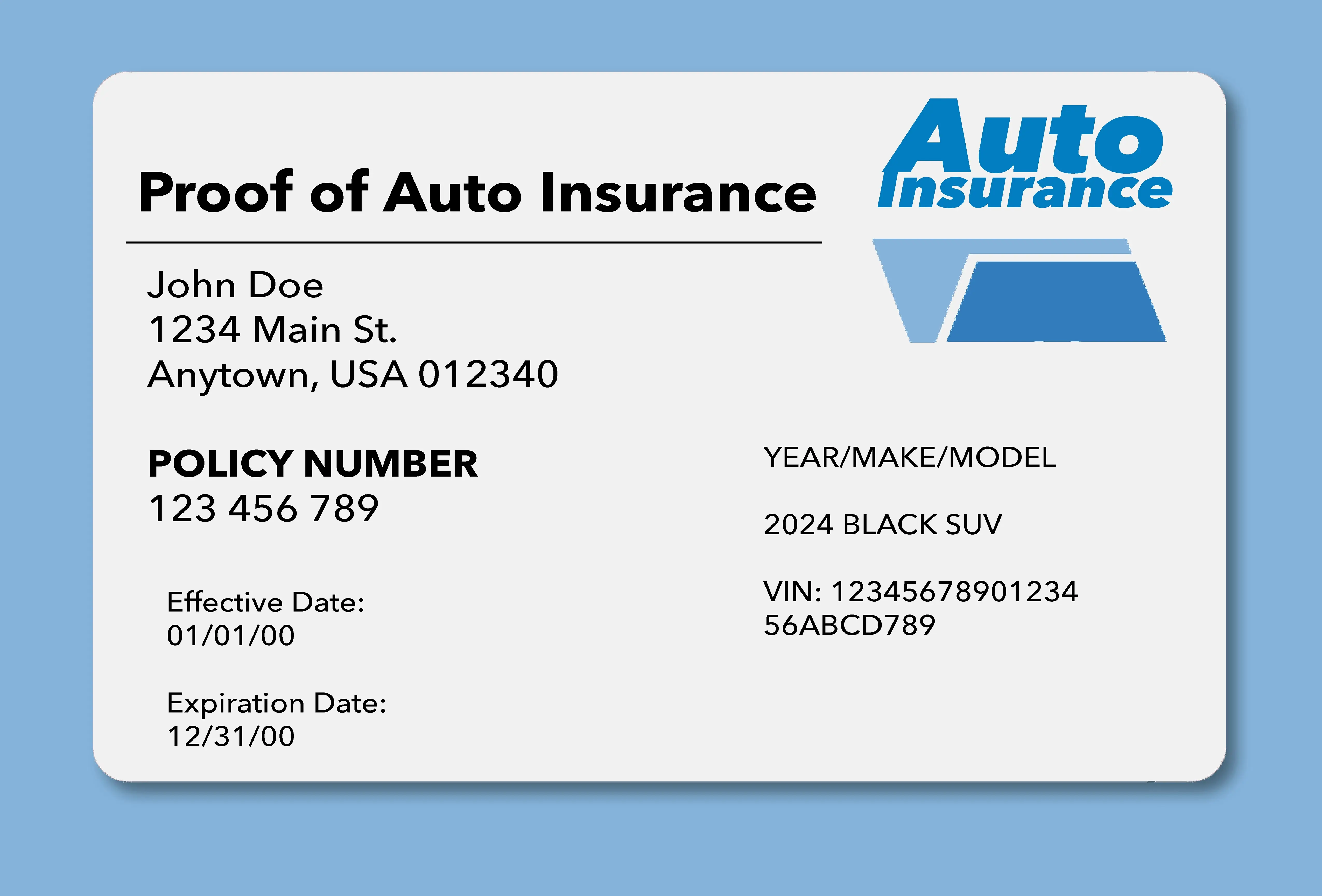
Indiana operates under a "fault" system, meaning the individual responsible for an accident is legally required to cover the resulting damages. To operate a motor vehicle legally on public roads in Clarksville, all drivers must maintain proof of financial responsibility. The Indiana Bureau of Motor Vehicles (BMV) mandates minimum liability coverage levels, often referred to as "25/50/25" limits. This signifies that an insurance policy must provide at least $25,000 for bodily injury per person, $50,000 for bodily injury per accident, and $25,000 for property damage per accident.
While these minimums satisfy the legal requirements to register a vehicle, they often leave drivers vulnerable to significant out-of-pocket costs in the event of a major collision. "Auto risk insurance" is a term often used to describe either the process of mitigating high-risk profiles—such as new drivers, those with prior violations, or individuals needing SR-22 filings—or the selection of comprehensive risk management strategies to shield personal wealth from liability claims that exceed statutory minimums.
Assessing Your Risk Profile
Your risk profile is determined by a combination of statistical data and personal history. Insurance carriers in Clarksville analyze several core factors to determine the level of risk they are assuming when issuing a policy:
- Driving History: Previous traffic violations, at-fault accidents, and license suspensions significantly elevate an individual’s risk category.
- Vehicle Characteristics: The make, model, and year of your vehicle impact your risk. High-performance vehicles or those with expensive specialized parts typically carry higher premiums due to the cost of repair or replacement.
- Credit-Based Insurance Scores: Indiana law permits insurance companies to utilize credit-based insurance scores as one factor in determining premiums, provided they comply with state reporting and disclosure standards.
- Annual Mileage and Usage: How often you drive and whether you use your vehicle for commuting versus business purposes shifts your exposure to risk on Clarksville’s local roads and the surrounding I-65 corridor.
Mandatory Requirements vs. Protective Coverage
It is critical to distinguish between what the law requires and what constitutes sound financial risk management. Many drivers in Clarksville find that relying solely on the state-mandated minimums is insufficient, especially in modern economic conditions where medical expenses and vehicle repair costs have risen sharply.
Essential Coverage Components
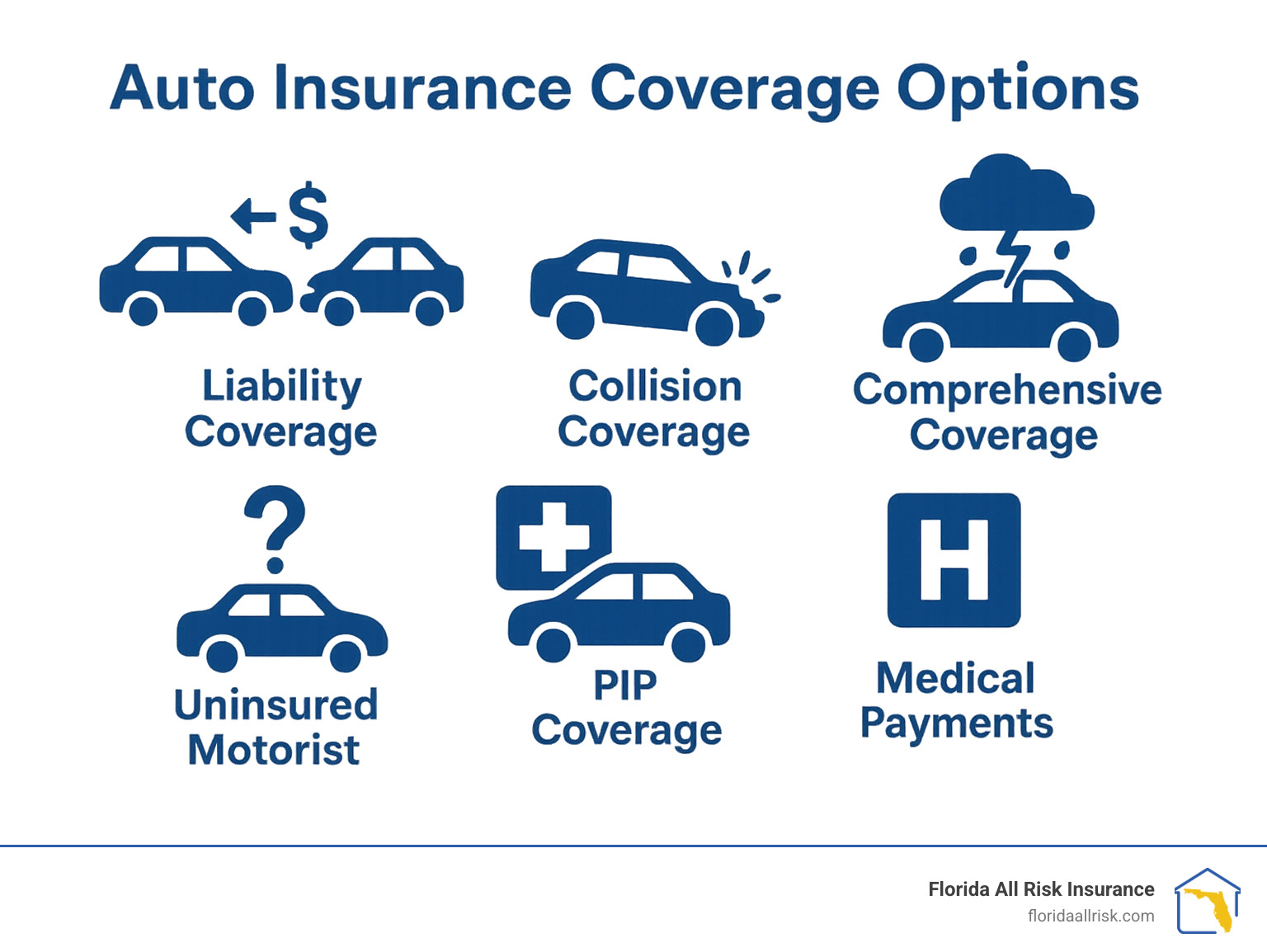
| Coverage Type | Purpose | Recommendation |
|---|---|---|
| Bodily Injury Liability | Covers medical expenses for others if you are at fault. | Carry limits higher than the $50k state minimum. |
| Property Damage Liability | Covers repairs to other vehicles or property. | Match or exceed the value of assets you own. |
| Uninsured/Underinsured Motorist | Covers you if hit by a driver without insurance. | Essential; protects against drivers carrying only minimums. |
| Comprehensive/Collision | Repairs your vehicle after weather, theft, or impact. | Recommended for vehicles with high market value. |
| Medical Payments (MedPay) | Covers your medical bills regardless of fault. | Useful for filling gaps in personal health coverage. |
Navigating High-Risk Situations
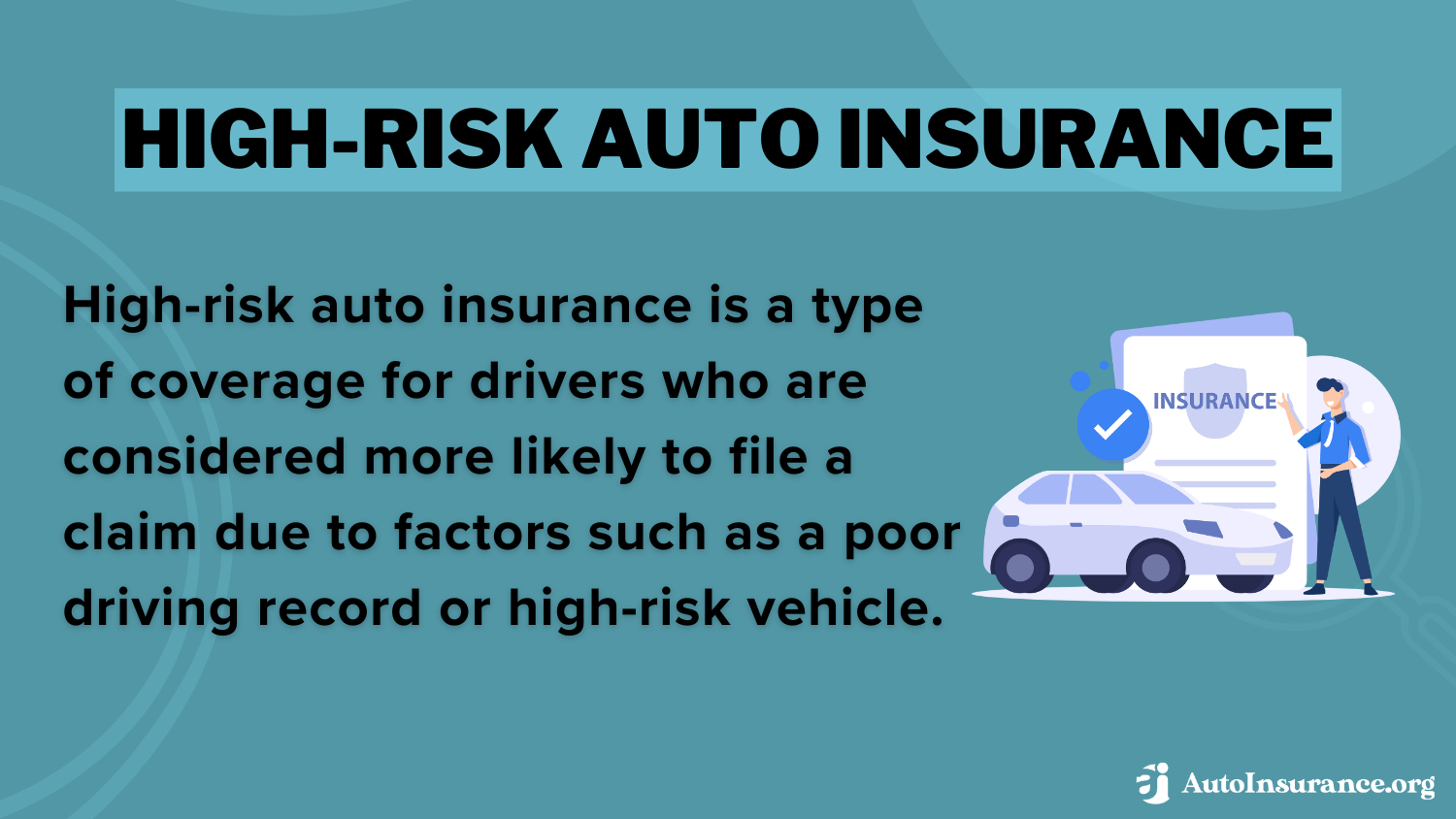
For some drivers, the term "auto risk insurance" refers specifically to the need for high-risk coverage due to a poor driving record or a lapse in coverage. If you have been flagged by insurance providers as a high-risk candidate, you may find standard market premiums prohibitively expensive.
Indiana participates in the Automobile Insurance Plan, which serves as a residual market mechanism for drivers who are unable to secure coverage through the voluntary market. If you are struggling to find a carrier, your agent can help you apply through the Indiana Automobile Insurance Plan (INAIP). This ensures that all drivers can maintain the necessary financial responsibility to remain on the road, though it is usually a temporary solution while you work to improve your risk profile through safe driving and policy maintenance.
Protecting Your Assets in Clarksville
Clarksville’s proximity to Louisville and its position as a regional logistics hub mean that traffic congestion and high volumes of commercial vehicles are everyday realities. This environment increases the probability of multi-vehicle accidents. If you have significant personal assets, such as a home, savings, or investments, carrying only the minimum liability insurance is a financial risk.
If you are involved in an accident where damages exceed your policy limits, you may be held personally liable for the difference. Many residents opt for an umbrella insurance policy, which provides an additional layer of liability protection above the primary limits of their auto and homeowners insurance. This is a common and effective strategy for managing catastrophic financial risk in a high-traffic urban environment.
Steps to Managing Insurance Costs
Managing your insurance costs effectively requires a proactive approach to risk management rather than simply shopping for the lowest rate.
- Maintain Continuous Coverage: Lapses in insurance are a major trigger for rate increases. Even if you sell your car, consider maintaining a "non-owner" policy to keep your insurance record active.
- Review Your Deductibles: Choosing a higher deductible for comprehensive and collision coverage can reduce your monthly premiums, provided you have enough in an emergency fund to cover that deductible should a claim arise.
- Bundle Policies: Combining auto insurance with homeowners or renters insurance through the same carrier in Indiana often qualifies policyholders for multi-policy discounts.
- Inquire About Telematics: Many insurers now offer programs that track driving habits via mobile apps. For safe drivers, this can provide data-backed proof of lower risk, leading to significant annual savings.
- Periodic Audits: Review your policy every year during the 2026 renewal cycle. Life events, such as a change in commute distance or the addition of safety features to your vehicle, may entitle you to premium adjustments.
Common Misconceptions About Indiana Auto Insurance
There is a pervasive myth that insurance companies in Indiana are required to offer the same rates to every driver. In practice, insurance pricing is highly individualized. Another common misunderstanding involves "full coverage." There is no single legal definition for full coverage; it is a colloquial term for a policy containing liability, collision, and comprehensive insurance. Always verify the specific declarations page of your policy to ensure that the coverages you believe you have are actually in force.
Frequently Asked Questions
What happens if I fail to maintain insurance in Indiana? If your insurance lapses, the Indiana BMV may send a request for verification. Failure to respond or provide valid proof of financial responsibility can result in the suspension of your driver’s license and vehicle registration. You will also be required to pay reinstatement fees and may face a mandatory period where you must file an SR-22 certificate, proving that you maintain active insurance.
Does my insurance cover me if I drive in Kentucky? Yes. Indiana auto insurance policies generally provide coverage for travel throughout the United States. However, it is important to remember that if you are in an accident in a different state, the liability limits of your Indiana policy will still apply, which may or may not meet the minimums required by the other state's laws.
Can I get a discount for taking a defensive driving course? Many insurance carriers in Indiana offer discounts for completing a state-approved defensive driving course. These courses are designed to refresh your knowledge of traffic laws and improve hazard awareness. Check with your specific provider to confirm if they recognize your chosen course for a discount.
What is an SR-22 and do I need one? An SR-22 is not an insurance policy but a certificate of financial responsibility that your insurer files with the Indiana BMV. It is typically required for drivers who have had their licenses suspended due to serious traffic violations, such as operating a vehicle under the influence. If you are required to have an SR-22, your insurance premiums will likely increase.
How often should I reassess my insurance needs? You should reassess your coverage at least once per year or whenever you experience a major life event, such as moving, getting married, or purchasing a new vehicle. This ensures your coverage remains aligned with your current assets and risk tolerance.
Next Steps for Policyholders
To ensure you are appropriately covered, contact your licensed insurance agent to request a "coverage gap analysis." Provide them with an honest assessment of your driving habits and financial assets. By reviewing your declarations page against your current life situation, you can ensure that you are neither over-insured with unnecessary riders nor under-insured in a way that puts your personal wealth at risk. If you are currently uninsured or seeking to switch providers, confirm the provider's financial strength ratings through independent organizations like AM Best or S&P Global to ensure they have the capacity to handle claims efficiently.
Image Gallery