Carrie Underwood’s 2018 ACM Awards Performance: The Emotional Context and Full Technical Details
Carrie Underwood’s performance of "Cry Pretty" at the 53rd Academy of Country Music (ACM) Awards on April 15, 2018, marked her triumphant return to the public eye following a severe personal injury. Delivering a powerhouse vocal displa...
Carrie Underwood’s performance of "Cry Pretty" at the 53rd Academy of Country Music (ACM) Awards on April 15, 2018, marked her triumphant return to the public eye following a severe personal injury. Delivering a powerhouse vocal display at the MGM Grand Garden Arena, she received a prolonged standing ovation for her resilience and artistry.
Contents
The Significance of the 2018 ACM Performance
In the world of country music, certain performances transcend the boundaries of a standard promotional spot and become defining cultural moments. Carrie Underwood’s appearance at the 2018 ACM Awards is widely regarded as one of these milestones. It was not merely the debut of a new single; it was the conclusion of a period of intense speculation, recovery, and personal transformation for one of the genre’s most recognizable figures.
Looking back from 2026, the performance remains a benchmark for how artists can navigate personal crisis through professional excellence. For Underwood, the 2018 ACMs represented her first time on a televised stage after a hiatus that lasted nearly six months. The industry and her fanbase were primed with a mixture of concern and anticipation, making the stakes for this specific three-and-a-half-minute window exceptionally high.
The Context: The November 2017 Accident and Hiatus
To understand why the 2018 performance carried such weight, one must examine the events of November 2017. Shortly after hosting the CMA Awards, Underwood suffered a traumatic fall on the steps of her home. The accident was more than a minor stumble; it resulted in a broken wrist that required surgery and a metal plate, as well as facial injuries that necessitated between 40 and 50 stitches.
During her recovery, Underwood remained largely out of the public eye. In a letter to her fan club members in early 2018, she cautioned that she might "look a bit different" when she eventually returned to the spotlight. This admission sparked significant media coverage and fan concern regarding the extent of her injuries. Throughout early 2018, the "mystery" of her appearance became a dominant narrative in pop culture journalism, often overshadowing her musical achievements.
Consequently, the 53rd ACM Awards served as the official "reveal." The primary search intent for many viewers at the time—and for those revisiting the event today—was to see how she had recovered and whether the accident had impacted her ability to perform at her usual elite level.
Technical Breakdown of the "Cry Pretty" Performance
Underwood chose "Cry Pretty," the title track from her sixth studio album, as her comeback vehicle. The song was a strategic choice, both thematically and technically. Co-written by Underwood alongside Hillary Lindsey, Liz Rose, and Lori McKenna (the "Love Junkies"), the song explores the inability to mask raw emotion, a sentiment that mirrored Underwood’s own recent experiences with vulnerability.
Vocal Composition and Delivery
"Cry Pretty" is a technically demanding power ballad that showcases Underwood’s four-octave range. The performance at the ACMs was notable for its lack of reliance on backing tracks for the lead vocal. Underwood began the song in a controlled, lower register, emphasizing the lyrical content about the struggle to keep one's composure.
As the song progressed into the bridge and final chorus, she transitioned into her signature "belt" range. The technical precision required to hit the sustained high notes in the climax—while maintaining the emotional "break" in her voice suggested by the lyrics—was a clear signal to the industry that her physical injuries had not diminished her vocal capacity.
Stage Design and Visual Esthetics
The visual presentation was intentionally dramatic to complement the song’s theme. Underwood appeared center stage, bathed in soft, moody lighting that gradually intensified.
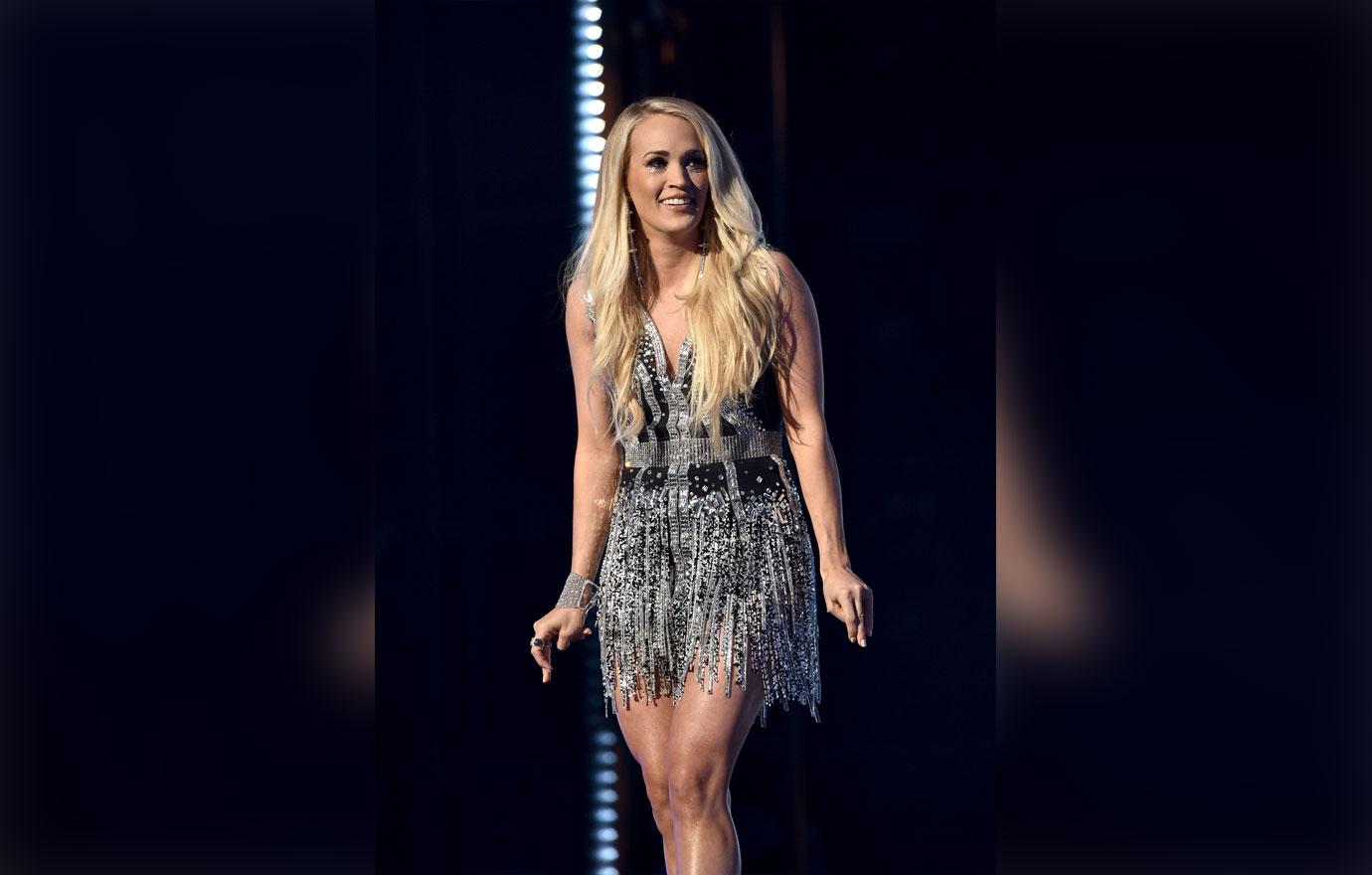
- Wardrobe: She wore a short, sparkling silver and black mini-dress with tiered sleeves, designed to catch the stage lights without distracting from her face.
- Makeup Artistry: In a bold creative move, she wore "glitter tears" beneath her eyes. This was both a literal interpretation of the song title and a clever way to address the public’s fixation on her facial recovery. By making her face the focal point of the artistry, she reclaimed the narrative surrounding her appearance.
- The Reveal: The cameras utilized various angles, including tight close-ups, which effectively put to rest the tabloid rumors regarding the severity of any permanent scarring.
The Industry and Public Reception
The atmosphere inside the MGM Grand Garden Arena was palpable. As Underwood finished the final note of "Cry Pretty," the audience—comprised of her peers, industry executives, and fans—rose for a standing ovation that lasted nearly a full minute. The cameras captured Underwood visibly moved by the reception, wiping away genuine tears that mingled with her glitter makeup.
Media Analysis
The following morning, music critics and entertainment outlets focused on two primary themes: her vocal resilience and her poise. Rolling Stone and Billboard praised the performance for its emotional honesty, noting that it was a rare moment of vulnerability from an artist known for her polished perfection. From a technical SEO and media perspective, the performance generated record-breaking "social lift" for the ACM Awards that year, with Underwood being the most-mentioned artist of the night across Twitter (now X) and Instagram.
Chart and Commercial Impact
The performance acted as a massive catalyst for the single "Cry Pretty." Within 24 hours, the song surged to the top of the iTunes charts. It also served as the successful launchpad for her Cry Pretty album and the subsequent "Cry Pretty Tour 360," which utilized a sophisticated in-the-round stage design that built upon the dramatic themes established during the ACM performance.
Comparing Key Milestones in Underwood's 2018 Comeback
The 2018 ACM performance was the centerpiece of a larger comeback strategy. The following table outlines the technical and commercial milestones associated with this era.
| Feature/Event | Details and Statistics | Significance |
|---|---|---|
| Song Title | "Cry Pretty" | Lead single and comeback track. |
| Release Date | April 11, 2018 | Released just days before the ACM performance. |
| Songwriters | Underwood, Lindsey, Rose, McKenna | Marked her deeper involvement in production. |
| Performance Venue | MGM Grand Garden Arena, Las Vegas | Neutral, high-profile ground for a return. |
| Vocal Peak | Sustained Eb5 / F5 belts | Demonstrated full recovery of vocal power. |
| Visual Motif | Pink/Purple glitter tears | Became the iconic "look" of the album cycle. |
| Award Nominations | Female Vocalist of the Year (Nominee) | Reaffirmed her status among the genre's elite. |
| Chart Debut | #1 on Billboard Country Digital Song Sales | Immediate commercial validation of the comeback. |
Production and Songwriting Context
A critical detail often overlooked is that the 2018 ACM performance marked the beginning of Underwood's tenure as a producer. "Cry Pretty" was the first project where she took on a co-production role, working alongside David Garcia. This shift gave her more control over the "sonic landscape" of her music.
The technical production of the song involves a blend of traditional country instrumentation—steel guitar and organic percussion—with modern, soulful pop influences. During the live ACM performance, the band’s arrangement was slightly stripped back in the verses to allow the vocal to sit "forward" in the mix, a common technique used for high-stakes televised performances to ensure clarity and emotional impact.
Frequently Asked Questions
Why was the 2018 ACM performance considered a "comeback"?
It was her first televised appearance after a six-month hiatus caused by a serious fall at her home in November 2017. The fall resulted in a broken wrist and approximately 50 stitches to her face, leading to intense public speculation about whether she would look or perform differently.
What song did Carrie Underwood sing at the 2018 ACMs?
She performed "Cry Pretty," the lead single from her sixth studio album of the same name. The song was co-written by Underwood and explores the idea that some emotions are too powerful to hide or "beautify."
What was the significance of the glitter under her eyes during the performance?
The "glitter tears" were a deliberate stylistic choice that mirrored the song's title and lyrics. Practically, it was a creative way to address the public's focus on her facial injuries by turning her face into a piece of art, effectively reclaiming her image.
Did Carrie Underwood win any awards at the 2018 ACMs?
While she did not win Female Vocalist of the Year that specific night (Miranda Lambert took the honor), she won the "Vocal Event of the Year" alongside Keith Urban for their collaboration "The Fighter." However, the "Cry Pretty" performance was the most-discussed moment of the ceremony.
How did the accident affect her vocal performance in 2018?
Technically, the accident did not affect her vocal cords. However, the facial stitches and the metal plate in her wrist necessitated a period of rest. The 2018 ACM performance proved to critics and fans that her breath control, pitch, and power remained fully intact.
Expert Guidance for Fans and Historians
When researching or revisiting the 2018 ACM performance, it is important to view it as part of a transition in Underwood’s career toward more personal, self-produced content. For those looking to study the technical aspects of her vocals, high-definition captures of the performance are the best resource for observing her microphone technique and vowel shaping during the song’s difficult bridge.
The 2018 performance remains a case study in crisis management and artistic integrity. By leaning into her vulnerability rather than hiding it, Underwood turned a potential career setback into a defining moment of strength. For any artist or student of the music industry, the "Cry Pretty" debut stands as a masterclass in how to pair a high-quality product (the song) with a perfectly timed and executed live event.
Image Gallery