Understanding What a Credit Invoice Means: A 2026 Guide to Credit Notes and Memos
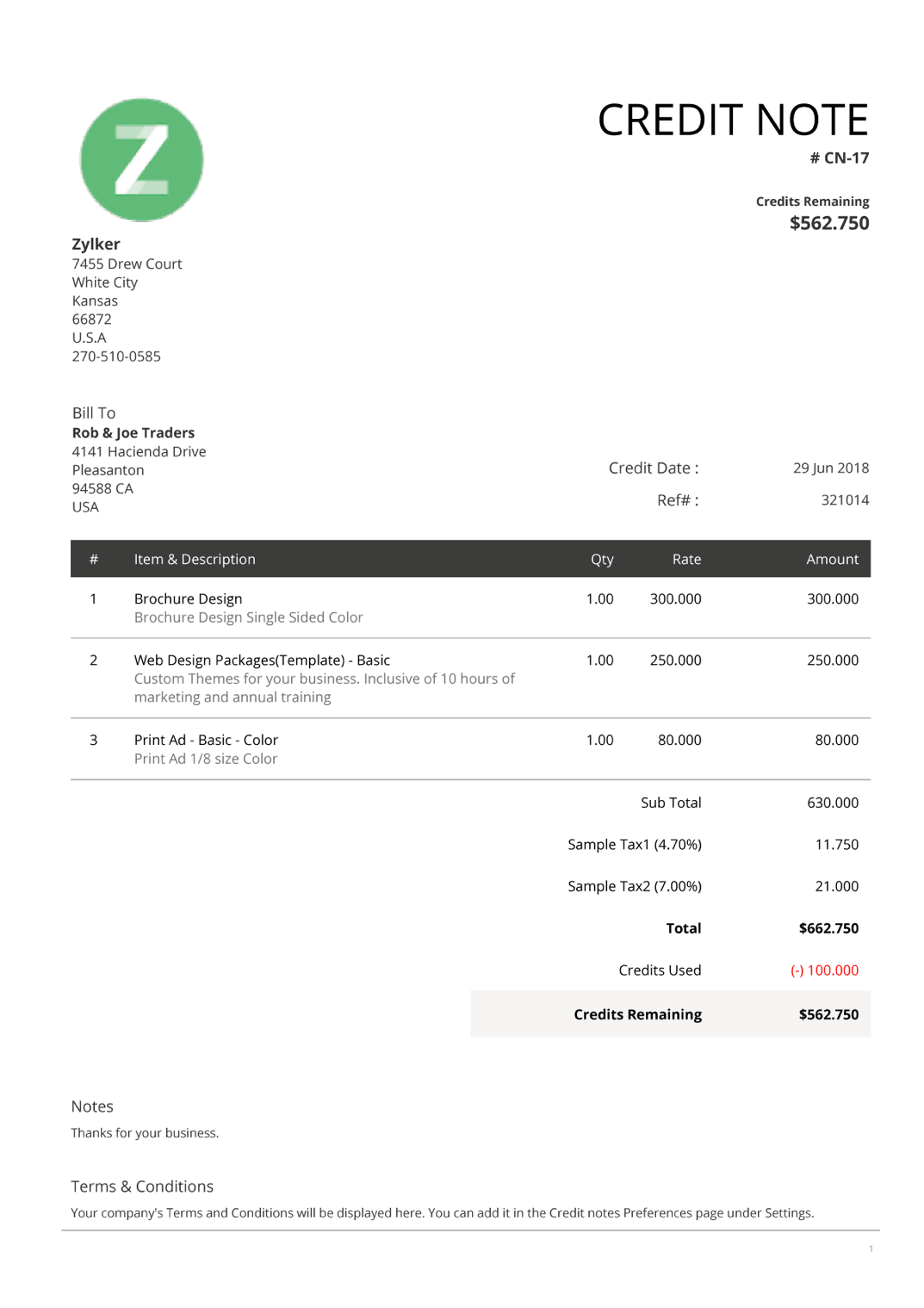
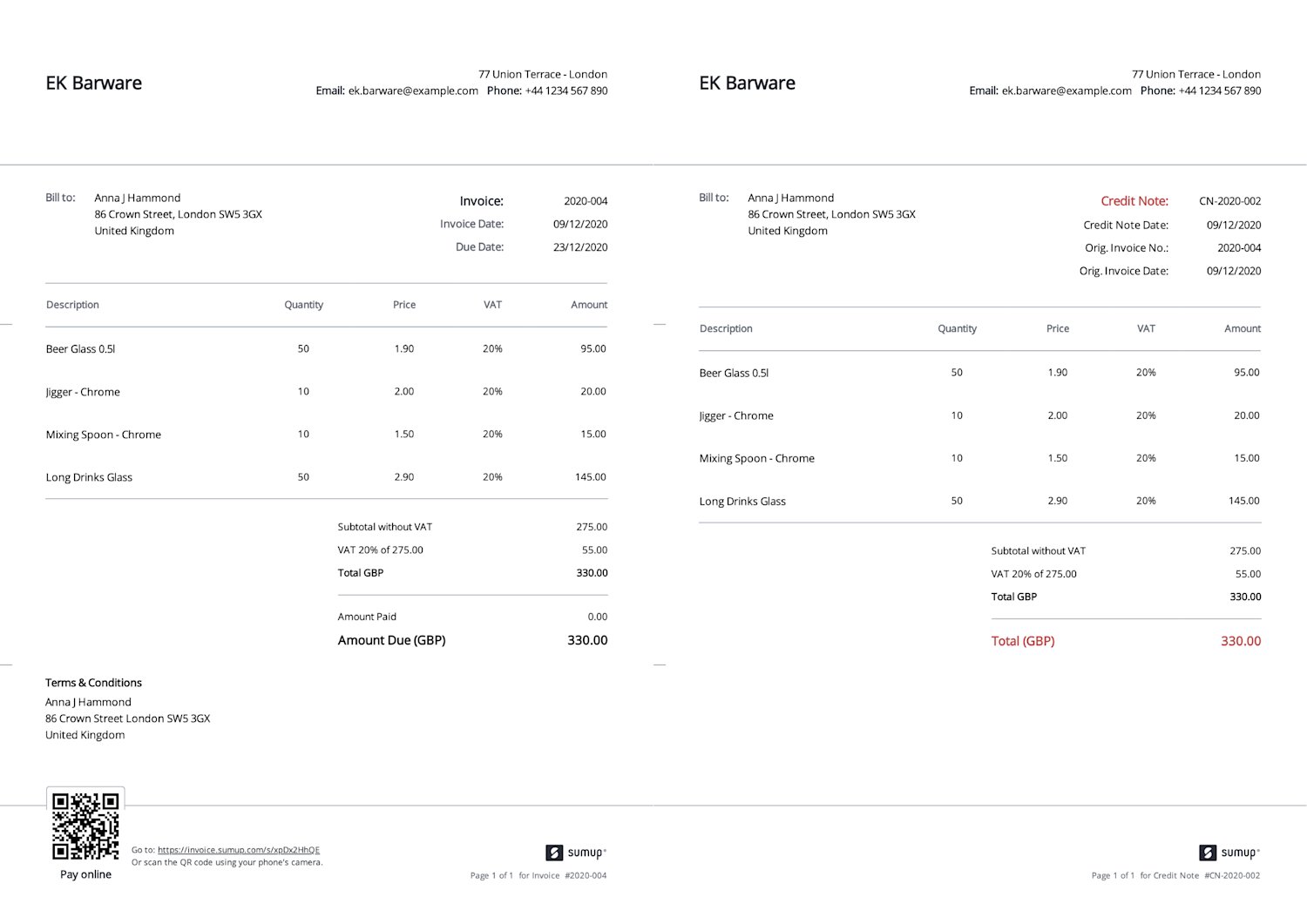
A credit invoice, commonly referred to as a credit note or credit memo, is a commercial document issued by a seller to a buyer that reduces the amount the buyer owes under the terms of an earlier invoice. It serves as a formal notifica...
A credit invoice, commonly referred to as a credit note or credit memo, is a commercial document issued by a seller to a buyer that reduces the amount the buyer owes under the terms of an earlier invoice. It serves as a formal notification that the buyer's account balance has been decreased due to returns, pricing errors, or damaged goods.
Contents
In the fast-paced financial landscape of 2026, where automated e-invoicing and real-time reconciliation have become the industry standard, understanding the mechanics of a credit invoice is essential for maintaining accurate books and healthy business relationships. Whether you are a small business owner, an accounts payable specialist, or a consumer, the credit invoice is the primary mechanism for correcting billing discrepancies without necessitating a direct cash refund.
Defining the Credit Invoice: More Than Just a Refund
To understand what a credit invoice means, one must first view it as a "negative invoice." While a standard invoice requests payment for goods or services rendered, a credit invoice does the opposite—it acknowledges that the seller owes the buyer a specific amount of value. This value is typically applied toward the buyer's outstanding balance or held as a credit for future purchases.
In 2026, the distinction between a credit invoice and a cash refund is more than semantic. A refund involves the physical or electronic transfer of funds back to the buyer’s bank account or credit card. In contrast, a credit invoice is an accounting adjustment. It is often preferred in B2B (business-to-business) transactions because it simplifies cash flow management. Rather than sending money back and forth, the parties simply adjust the ledger.
Credit Note vs. Credit Memo
Historically, these terms have been used interchangeably. "Credit note" is more prevalent in the United Kingdom, Australia, and much of Europe, while "credit memo" (short for memorandum) is the standard terminology in the United States. In the modern globalized economy of 2026, most enterprise resource planning (ERP) systems treat them as synonymous entities within the accounts receivable module.
Common Scenarios: Why is a Credit Invoice Issued?
Credit invoices are rarely issued without a specific trigger. They are corrective tools designed to align the financial records with the reality of a transaction. There are several primary reasons why a seller would issue this document.
1. Goods Returned or Damaged in Transit
The most frequent use of a credit invoice occurs when a customer returns products. Perhaps the items were not what they expected, or they arrived in a damaged state. When the seller receives the returned inventory, they issue a credit invoice to "wipe out" the original charge associated with those specific items. This ensures the buyer is not held liable for goods they no longer possess or cannot use.
2. Pricing Errors and Overcharges
Despite the high level of automation in 2026 billing systems, pricing errors still occur. A seller might accidentally apply an old price list, fail to include a negotiated discount, or miscalculate tax rates. When the discrepancy is identified, rather than canceling the entire original invoice and starting over, the seller issues a credit invoice for the difference between the billed amount and the correct price.
3. Unmet Service Level Agreements (SLAs)
In service-based industries—such as SaaS (Software as a Service) or logistics—credit invoices are often used to compensate for downtime or performance failures. If a cloud provider guarantees 99.9% uptime but suffers a significant outage, they may issue a credit invoice to all affected customers as a contractual "service credit," which reduces the customer's next monthly bill.
4. Order Cancellations
If a buyer cancels an order after an invoice has already been generated and sent, but before payment has been made, a credit invoice is used to nullify the pending debt. This maintains an audit trail; simply deleting an invoice is considered poor accounting practice and can raise red flags during tax audits.
The Accounting Impact: Debits and Credits Explained
Understanding a credit invoice requires a basic grasp of double-entry bookkeeping. The impact of the document depends on whether you are the seller (issuer) or the buyer (recipient).
From the Seller’s Perspective
When a seller issues a credit invoice, they are reducing their Accounts Receivable (AR). In accounting terms, they will:
- Debit the Sales Returns and Allowances account (which reduces total revenue).
- Credit the Accounts Receivable account (which reduces the amount expected from the customer).
This process ensures that the seller's balance sheet reflects the lower amount of money they are legally entitled to collect.
From the Buyer’s Perspective
When a buyer receives a credit invoice, they are reducing their Accounts Payable (AP). Their accounting department will:
- Debit the Accounts Payable account (which reduces the amount they owe).
- Credit the appropriate Expense or Inventory account (which reflects that they have spent less than originally recorded).
By 2026, most AI-driven accounting platforms automatically detect the receipt of a credit note and prompt the user to "apply" it to an open invoice, ensuring the books remain balanced without manual entry.
Key Components of a Compliant Credit Invoice
In 2026, digital tax reporting requirements—such as those established by the OECD and various national tax authorities—dictate that credit invoices must contain specific data points to be legally valid. A standard credit invoice should include:
| Component | Description |
|---|---|
| Document Header | Clearly labeled as "Credit Invoice," "Credit Note," or "Credit Memo." |
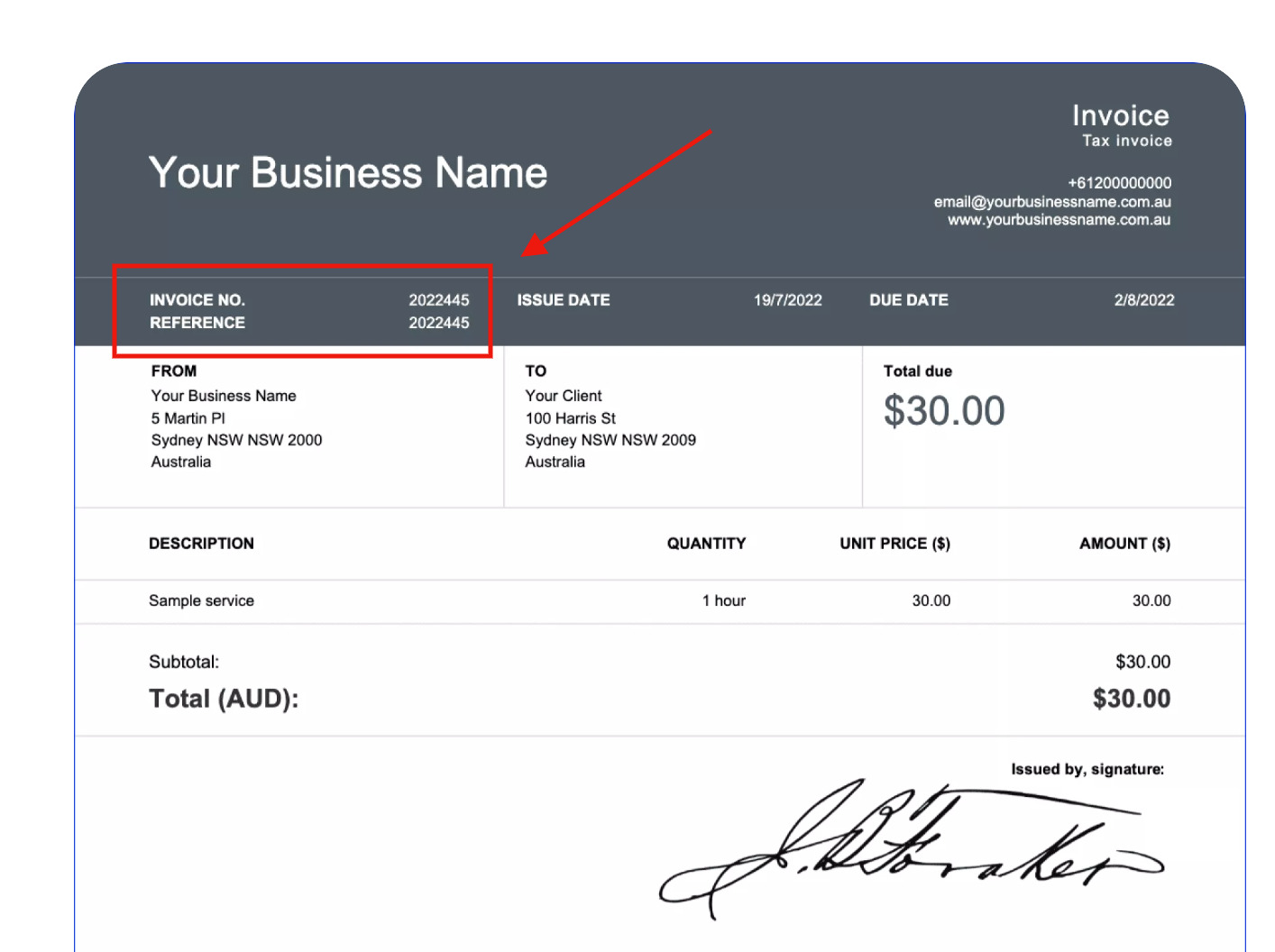
| Unique Identification Number | A specific number for the credit note (often separate from standard invoice numbering). |
| Reference Number | The original invoice number to which the credit is being applied. |
| Date of Issue | The specific date the credit was generated. |
| Contact Information | Legal names and addresses of both the seller and the buyer. |
| Tax Identification | VAT, GST, or Tax ID numbers for both parties (essential for tax reclamation). |
| Description of Items | A detailed list of the goods or services being credited. |
| Reason for Credit | A brief explanation (e.g., "Return of 5 units," "Price adjustment"). |
| Financial Totals | The net amount, the tax amount, and the total credit amount. |
Legal and Tax Implications of Credit Notes
Credit invoices play a critical role in tax compliance, particularly in jurisdictions that utilize Value Added Tax (VAT) or Goods and Services Tax (GST). When a seller issues an invoice, they typically become liable to pay the government the tax collected on that sale. If the sale is later reduced or canceled, the seller needs a way to "claim back" that overpaid tax.
The credit invoice serves as the legal evidence required by tax authorities to prove that the original transaction was modified. Without a formal credit note, a business might find itself paying taxes on revenue it never actually kept. Conversely, the buyer must also use the credit invoice to reduce their "input tax credit" (the tax they can deduct from their own tax bill), as they are no longer paying the full tax amount on the original purchase.
Best Practices for Handling Credit Invoices in 2026
To avoid confusion and financial leakage, businesses should adhere to rigorous workflows when dealing with credit adjustments.
For Sellers: Verification is Key
Before issuing a credit invoice, verify that the goods have actually been returned or that the pricing error is legitimate. In 2026, many companies use IoT (Internet of Things) tracking in their warehouses to automatically trigger a credit note the moment a returned package is scanned into the system. This reduces human error and speeds up the resolution for the customer.
For Buyers: Timely Application
Do not let credit invoices sit idle. A common mistake in accounts payable is failing to apply a credit note to an open invoice, resulting in overpayment. Ensure your AP system is configured to flag available credits during the payment run. Most modern systems will ask, "You have a $500 credit from this vendor; would you like to apply it to this $2,000 payment?"
Maintain a Solid Audit Trail
Never delete an invoice to "fix" an error. Always issue a credit invoice. This provides a transparent history of the transaction, which is vital for internal audits and external regulatory reviews. Digital footprints of who authorized the credit and why should be preserved within the accounting software.
FAQs
Can a credit invoice expire? Technically, a credit invoice represents a reduction in debt or a store credit. While the document itself doesn't "expire" in an accounting sense, the underlying credit may be subject to the company's terms and conditions or local statutes of limitations regarding unclaimed property. It is always best to apply credits to the next available invoice to avoid loss of value.
What is the difference between a credit invoice and a debit invoice? A credit invoice reduces the amount a buyer owes. A debit invoice (or debit note) increases the amount a buyer owes. A debit note might be issued if a seller accidentally undercharged a customer on the original invoice.
Is a credit invoice the same as a discount? No. A discount is typically applied at the time of the original sale (e.g., a 10% early payment discount). A credit invoice is a post-sale adjustment that corrects an existing invoice or accounts for a return.
Can I request a cash refund instead of a credit invoice? In B2C (business-to-consumer) transactions, consumers often have a legal right to a cash refund depending on local consumer protection laws. In B2B transactions, the issuance of a credit invoice is usually the default unless the contract specifically stipulates cash refunds for returns or errors.
How does a credit invoice affect my financial statements? For a seller, it reduces Net Sales on the Income Statement and Accounts Receivable on the Balance Sheet. For a buyer, it reduces Expenses (or Inventory) and Accounts Payable.
Final Recommendation
Understanding what a credit invoice means is fundamental to managing business liquidity and maintaining accurate financial records. If you receive or issue a credit invoice, ensure it is properly referenced to the original transaction and that the tax components are clearly delineated. In 2026, the best course of action is to utilize automated accounting software that integrates your invoicing and inventory systems. This ensures that when a return occurs, the corresponding credit invoice is generated, the ledger is updated, and the tax liability is adjusted—all in one seamless, transparent workflow.
Image Gallery