How to Effectively Use a Coping Skills for Kids PDF: A Practical Guide
To use a "Coping Skills for Kids" PDF effectively, you must introduce the strategies during "calm moments" rather than waiting for a crisis. Begin by printing and laminating the visual aids, then model the techniques yourself. Consiste...
To use a "Coping Skills for Kids" PDF effectively, you must introduce the strategies during "calm moments" rather than waiting for a crisis. Begin by printing and laminating the visual aids, then model the techniques yourself. Consistently practicing these activities helps children build the neurological pathways necessary for independent emotional regulation.
Contents
In 2026, emotional regulation remains a cornerstone of childhood development. As stressors for children—ranging from academic pressure to digital overstimulation—continue to evolve, the demand for structured, accessible mental health resources has grown. A well-designed coping skills PDF serves as a roadmap for parents, educators, and therapists to guide children through the complex landscape of their feelings.
Understanding the Role of Coping Skills PDFs
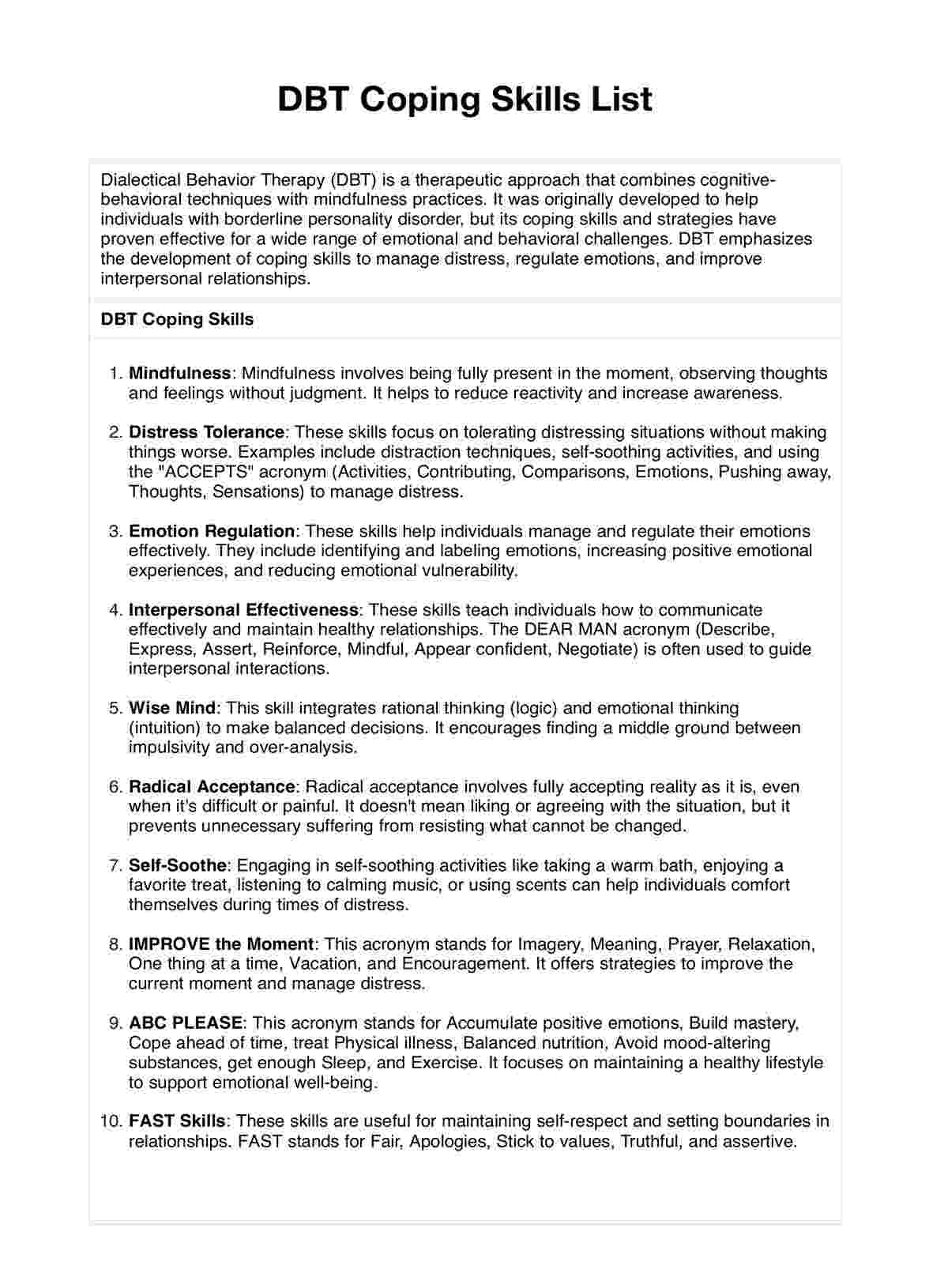
A coping skills PDF is more than just a digital document; it is a curated collection of evidence-based strategies designed to help children manage difficult emotions like anger, anxiety, sadness, and frustration. These resources typically utilize principles from Cognitive Behavioral Therapy (CBT), Dialectical Behavior Therapy (DBT), and Mindfulness-Based Stress Reduction (MBSR) to provide age-appropriate interventions.
The primary goal is to move a child from a state of dysregulation—where the "emotional brain" (the amygdala) is in control—to a state of regulation, where the "thinking brain" (the prefrontal cortex) can take over. By having these tools in a portable PDF format, caregivers can ensure that support is available across different environments, whether at home, in the classroom, or on the go.
Preparation: Setting the Stage for Success
Before you sit down with a child to review the material, some logistical preparation is required to ensure the resource is functional and engaging.
Digital vs. Physical Format
While viewing a PDF on a tablet is convenient, physical copies are often more effective for children. Digital screens can sometimes be a source of overstimulation or distraction. Printing the PDF allows the child to touch, hold, and interact with the tools.
- Cardstock and Lamination: For high-traffic items like "choice boards" or "breathing posters," use heavy cardstock and lamination. This makes the tools durable and gives them a professional feel that signals their importance.
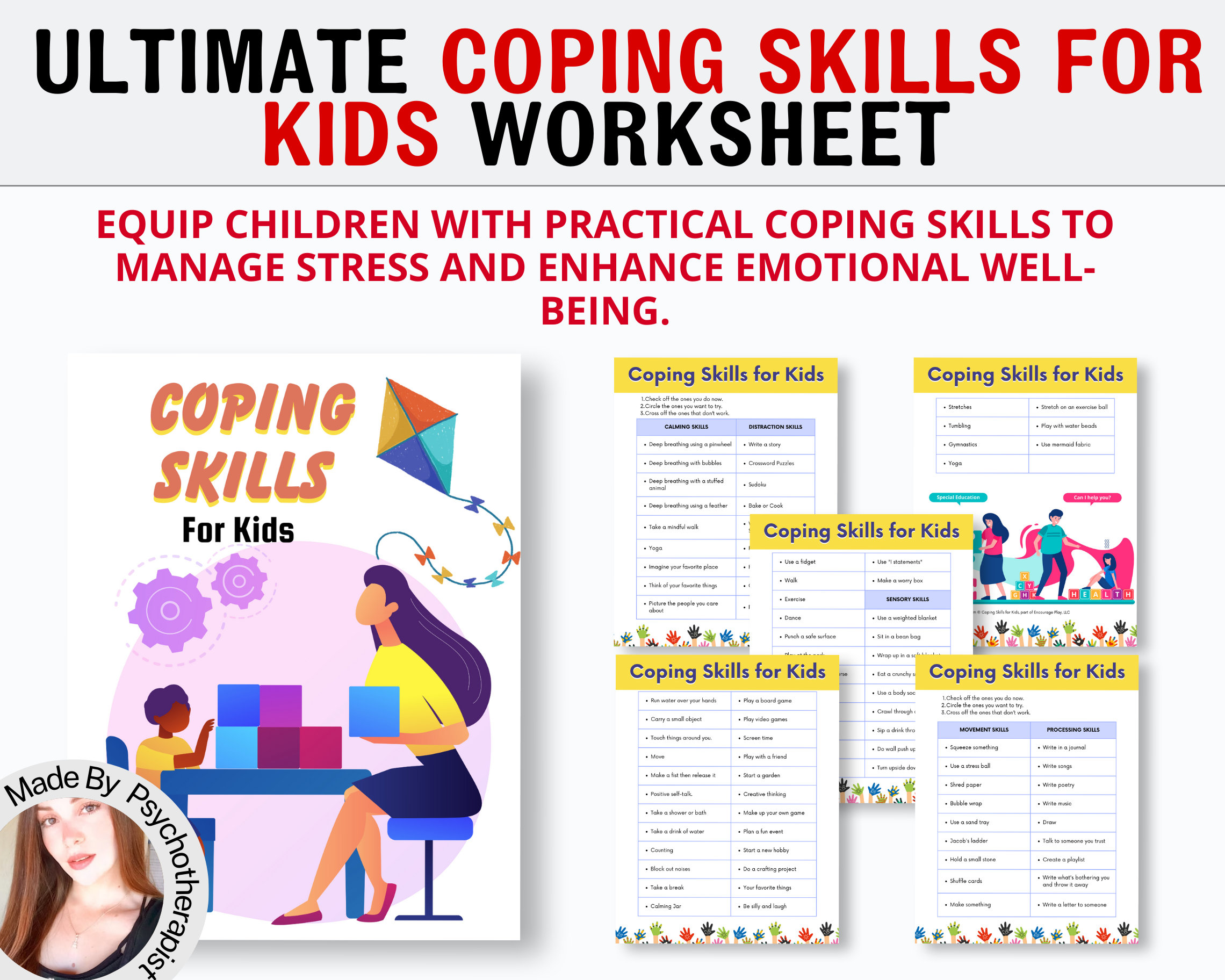
- Tactile Enhancements: If the PDF includes "coping cards," consider punching a hole in the corner and putting them on a metal ring. This allows the child to flip through their options easily when they feel overwhelmed.
Creating a "Calm-Down Corner"
A coping skills PDF works best when paired with a designated physical space. This is often called a "Peace Corner" or "Calm-Down Kit." Use the posters and visual prompts from your PDF to decorate this area. Having the visual reminders constantly present reduces the cognitive load on the child when they are actually upset.
Step-by-Step Implementation Strategy
Using these tools effectively requires a proactive approach. If the first time a child sees a coping skill is during a full-scale meltdown, the tool is likely to fail.
1. The "Green Zone" Introduction
In the world of emotional regulation, the "Green Zone" refers to a state of calm and readiness to learn. Introduce the PDF during this time. Explain that everyone has "big feelings" and that these tools are like a superhero’s gadget belt—they help us handle problems before they get too big.
2. Modeling and Scaffolding
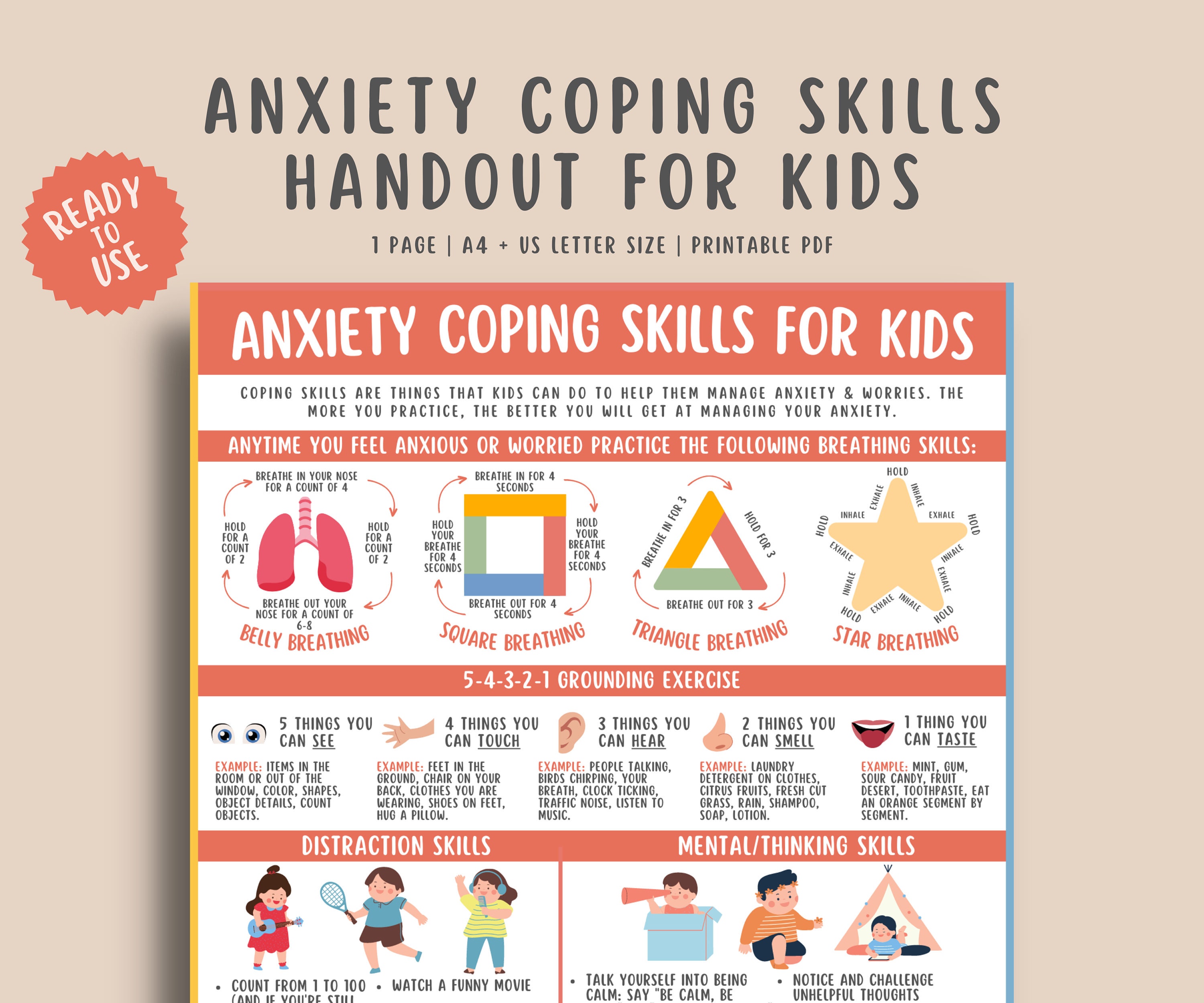
Children learn far more from what we do than what we say. Choose a skill from the PDF—perhaps "Square Breathing" or "5-4-3-2-1 Grounding"—and perform it yourself when you are feeling slightly stressed (e.g., when you can't find your keys). Verbalize the process: "I'm feeling a bit frustrated right now, so I'm going to use my 'Coping Skills' sheet to help me calm down."
3. Guided Practice
Once the child understands the concepts, engage in guided practice. Make it a game. Set a timer for "Mindfulness Minute" or have a "Coping Skill of the Week." This builds muscle memory. When the child’s heart rate eventually spikes due to a real-world trigger, their body will naturally remember the rhythmic breathing or the sensory focus they practiced during calm times.
4. Transitioning to Independent Use
The ultimate goal is for the child to recognize their own physiological triggers (clenched fists, racing heart, "butterflies" in the stomach) and reach for their coping skills PDF or cards without an adult’s prompt. This transition takes time and requires positive reinforcement when they make the choice to self-regulate.
Matching Skills to Specific Emotions
Not every coping skill works for every emotion. A child who is feeling "high energy" anger might need a physical outlet, while a child feeling "low energy" sadness might need a sensory comfort. Most comprehensive PDFs categorize skills into four main types.
| Category | Goal | Example Activities | Best For |
|---|---|---|---|
| Calming | To lower heart rate and soothe the nervous system. | Deep breathing, visualization, listening to soft music. | Anxiety, panic, overwhelmed feelings. |
| Physical | To release pent-up energy and "heavy work" input. | Wall pushes, jumping jacks, squeezing a stress ball. | Anger, frustration, hyperactivity. |
| Distraction | To break a cycle of rumination or intrusive thoughts. | Counting, puzzles, reading, drawing. | Minor irritations, boredom-induced anxiety. |
| Processing | To identify and verbalize the root cause of the feeling. | Journaling, using a "Feelings Wheel," talking to a trusted adult. | Sadness, confusion, social conflict. |
Why Visuals Matter: The Science of Regulation
The "visual" aspect of a coping skills PDF is its most powerful feature. When a human is in a state of high emotional arousal, the language-processing centers of the brain (Broca's area) often become less active. This is why "talking a child through it" often fails—they literally cannot process the complex verbal instructions.
Visual aids, such as icons of a person breathing or a picture of a "calm place," bypass the need for heavy linguistic processing. They provide a direct path to the brain's regulatory centers. By pointing to a picture on a coping skill choice board, a child can communicate their needs without needing to find the "right words" while they are crying or angry.
Common Mistakes to Avoid
Even with the best PDF, implementation can go wrong. Avoid these common pitfalls:
- Using it as a Punishment: Never send a child to their "calm-down corner" as a "time-out." It should be a tool for empowerment, not a consequence for bad behavior.
- Overwhelming with Options: If your PDF has 50 coping skills, do not show them all at once. Start with 3 to 5 that seem most relevant to the child's specific personality and challenges.
- Stopping Practice Too Soon: Emotional regulation is a lifelong skill. Even if the child seems to be doing well, continue to refer to the PDF tools occasionally to keep the strategies fresh.
Troubleshooting: What If the PDF Isn't Working?
If a child rejects the tools or they don't seem to help, consider the following adjustments:
- Check the "Window of Tolerance": If a child is already in a state of "Hyper-arousal" (fight/flight) or "Hypo-arousal" (shutdown/freeze), they may be outside their window of tolerance. At this point, the focus should be on safety and physical presence rather than active skill-building.
- Evaluate Sensory Preferences: Some kids find deep breathing frustrating. They might prefer "Interoceptive" activities, such as noticing the feeling of their feet on the floor or the temperature of the air.
- Ensure Consistency: Are the same tools being used at school and at home? Inconsistency can lead to confusion. Share the PDF with teachers and caregivers to create a unified support system.
For more information on evidence-based child psychology and emotional regulation, you can consult resources from the Child Mind Institute or the American Academy of Pediatrics.
Frequently Asked Questions
What age is appropriate for a coping skills PDF?
Most coping skills PDFs are designed for children aged 4 to 12. For younger children (4-7), focus on highly visual, simple activities like "Flower and Candle" breathing. For older children (8-12), you can introduce more complex cognitive tools like "Fact vs. Feeling" worksheets or gratitude journaling.
Can I use these tools for children with ADHD or Autism?
Yes, coping skills visuals are exceptionally helpful for neurodivergent children who may struggle with executive functioning or sensory processing. Many PDFs include specific "sensory breaks" or "heavy work" activities that are particularly effective for kids with ADHD or ASD.
How often should we practice these skills?
Ideally, practice for 5 minutes daily. The goal is to make these tools a habit. Integrating them into a morning routine or a bedtime wind-down makes the practice feel natural rather than forced.
What should I do if my child refuses to use the PDF?
Don't force it. Instead, "strew" the materials around. Leave the choice board on the fridge or a breathing poster near their bed. Continue to model the skills yourself. Often, when the pressure is removed, children will begin to explore the tools on their own terms.
Are digital coping skill apps better than PDFs?
Apps can be useful, but PDFs offer the benefit of physical interaction and zero screen-time requirements. For emotional regulation, tactile tools are generally preferred as they provide sensory feedback that digital screens cannot replicate.
Final Recommendation
To get the most out of your "Coping Skills for Kids" PDF, treat it as a living document. Observe which skills your child gravitates toward and which they ignore. Over time, you can customize their "toolkit" by focusing only on the strategies that provide the most relief. Remember that the goal is not to eliminate "bad" feelings, but to give the child the confidence that they can handle any emotion that comes their way.
Image Gallery