The Progressive Era in a Sentence: Defining the Age of Reform
The Progressive Era was a transformative period of intense social activism and political reform in the United States, spanning roughly from the 1890s to the 1920s, dedicated to addressing the systemic challenges of industrialization, u...
The Progressive Era was a transformative period of intense social activism and political reform in the United States, spanning roughly from the 1890s to the 1920s, dedicated to addressing the systemic challenges of industrialization, urbanization, and political corruption through government intervention and grassroots organization.
Contents
While a single sentence provides a functional definition, the Progressive Era was a multifaceted movement that fundamentally reshaped the relationship between the American citizen and the state. It was not a single, unified movement with a central leadership, but rather a collection of diverse responses to the perceived "excesses" of the Gilded Age. From the fight for women's suffrage to the regulation of massive monopolies, the era marked the birth of modern American liberalism and the expansion of federal power.
The Context: Transitioning from the Gilded Age
To understand why the Progressive Era occurred, one must look at the decades preceding it. The Gilded Age (roughly 1870–1890) was characterized by rapid economic growth and the rise of "Captains of Industry," but it was also a time of deep-seated inequality, labor exploitation, and systemic corruption. By the 1890s, the negative externalities of this growth became impossible to ignore.
As of 2026, historians widely categorize the Progressive Era as a corrective mechanism. The era was driven by a middle-class fear that the country was being torn apart by two extremes: the "plutocracy" of the ultra-wealthy and the "mob" of the radicalized working class. Progressives sought a "middle way" through scientific management, professional expertise, and legislative oversight.
The Rise of Industrialization and Urbanization
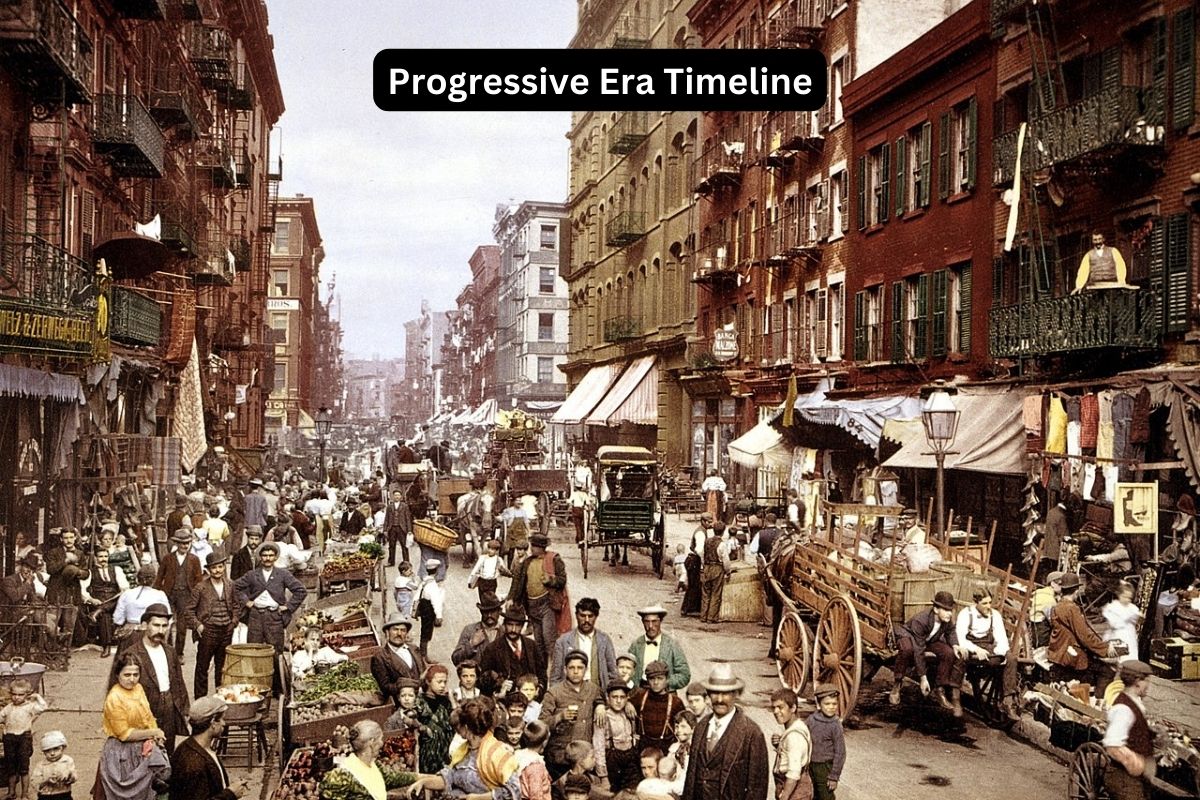
The rapid shift from an agrarian society to an industrial powerhouse brought millions of people into crowded cities. This migration included both rural Americans and waves of "new immigrants" from Southern and Eastern Europe. The infrastructure of American cities was not prepared for this influx, leading to the rise of tenements, poor sanitation, and the spread of infectious diseases. Progressives argued that these were not individual failings but systemic issues that required municipal and state intervention.
Political Corruption and the "Machine"
In the late 19th century, many American cities were controlled by political machines, such as New York City’s Tammany Hall. These organizations traded jobs and social services for votes, leading to massive graft and inefficient governance. A primary goal of the Progressive movement was to "clean up" politics by introducing civil service reform, reducing the power of party bosses, and returning power to the voters.
The Pillars of Progressive Reform
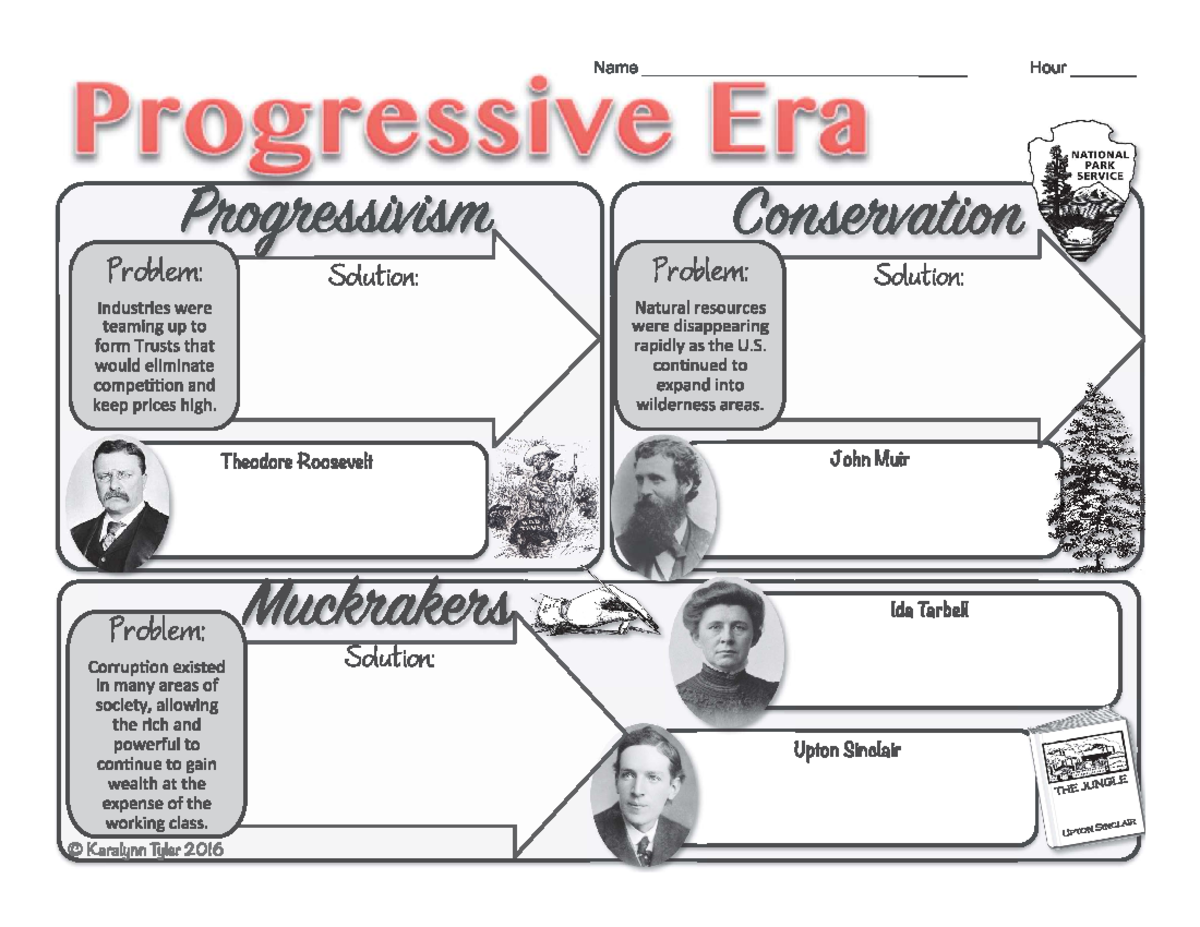
The reforms of this era were not confined to one sector of society. They permeated the economic, social, and political fabric of the nation. These efforts were often fueled by "Muckrakers"—investigative journalists who exposed the dark underbelly of American life.
1. Political Reform and Direct Democracy
Progressives believed that the cure for the problems of democracy was more democracy. To break the power of political machines and special interests, they pushed for several structural changes that are still fundamental to the American political system today:
- The Secret Ballot: Ensuring that voters could cast their ballots without intimidation from employers or party bosses.
- The Initiative, Referendum, and Recall: These mechanisms allowed citizens to propose legislation directly, vote on existing laws, or remove underperforming officials from office before their term ended.
- The 17th Amendment: Ratified in 1913, this amendment shifted the election of U.S. Senators from state legislatures to a direct vote by the people.
2. Social Justice and Labor Rights
The human cost of the industrial revolution was a central concern for Progressives. The era saw the rise of the "Settlement House" movement, led by figures like Jane Addams, which provided social services to the immigrant poor. Labor reform became a matter of life and death, especially after the Triangle Shirtwaist Factory fire in 1911, which killed 146 garment workers and led to a wave of workplace safety regulations.
Labor reforms during this period focused on:
- Child Labor Laws: Restricting the age and hours children could work, though federal laws were often struck down by the Supreme Court until the late 1930s.
- Minimum Wage and Maximum Hours: Establishing standards to protect workers from extreme exploitation.
- Workers' Compensation: Ensuring that those injured on the job received financial support from their employers.
3. Economic Regulation and Trust-Busting
Progressives were not anti-capitalist, but they were deeply suspicious of "monopolies" and "trusts" that stifled competition and manipulated prices. Under the leadership of Presidents like Theodore Roosevelt and Woodrow Wilson, the federal government took an active role in regulating the economy.
The Sherman Antitrust Act (1890), which had been weak in its early years, was invigorated. Theodore Roosevelt earned the nickname "Trust-Buster" for his legal battles against the Northern Securities Company and Standard Oil. Later, the Clayton Antitrust Act (1914) further strengthened the government’s ability to prevent unfair business practices and protected the right of labor unions to strike.
Essential Progressive Era Legislation and Amendments
The impact of the era is best visualized through the significant legal changes that occurred during this thirty-year span.
| Year | Act/Amendment | Primary Objective | Long-term Impact |
|---|---|---|---|
| 1906 | Meat Inspection Act | Ensure sanitary conditions in meatpacking plants. | Created modern food safety standards and the USDA inspection system. |
| 1906 | Pure Food and Drug Act | Prohibit the sale of misbranded or adulterated food and drugs. | Led to the creation of the Food and Drug Administration (FDA). |
| 1913 | 16th Amendment | Established a federal income tax. | Provided a reliable source of revenue for the expanding federal government. |
| 1913 | Federal Reserve Act | Created a central banking system. | Established control over the nation’s currency and credit. |
| 1913 | 17th Amendment | Direct election of U.S. Senators. | Increased the accountability of Senators to the general public. |
| 1919 | 18th Amendment | Prohibition of the manufacture and sale of alcohol. | Resulted in significant social upheaval; later repealed by the 21st Amendment. |
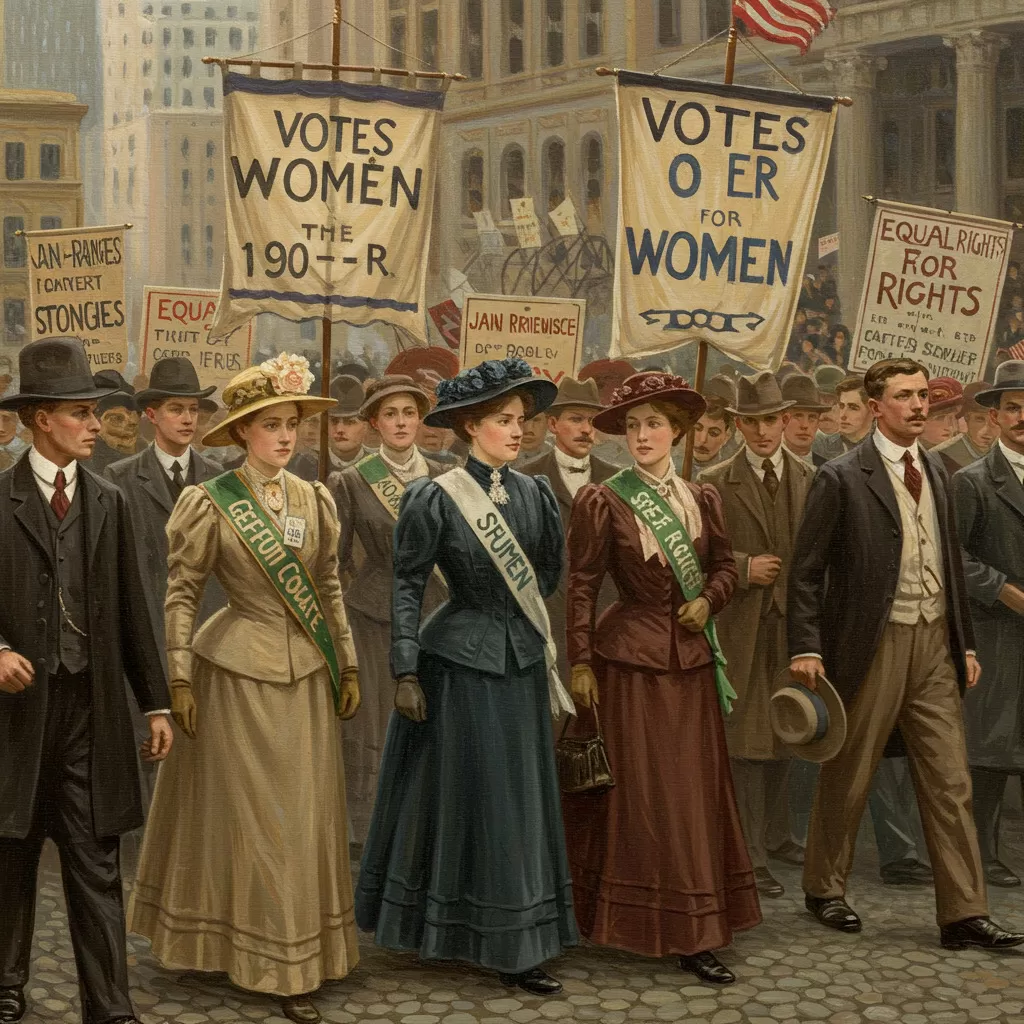
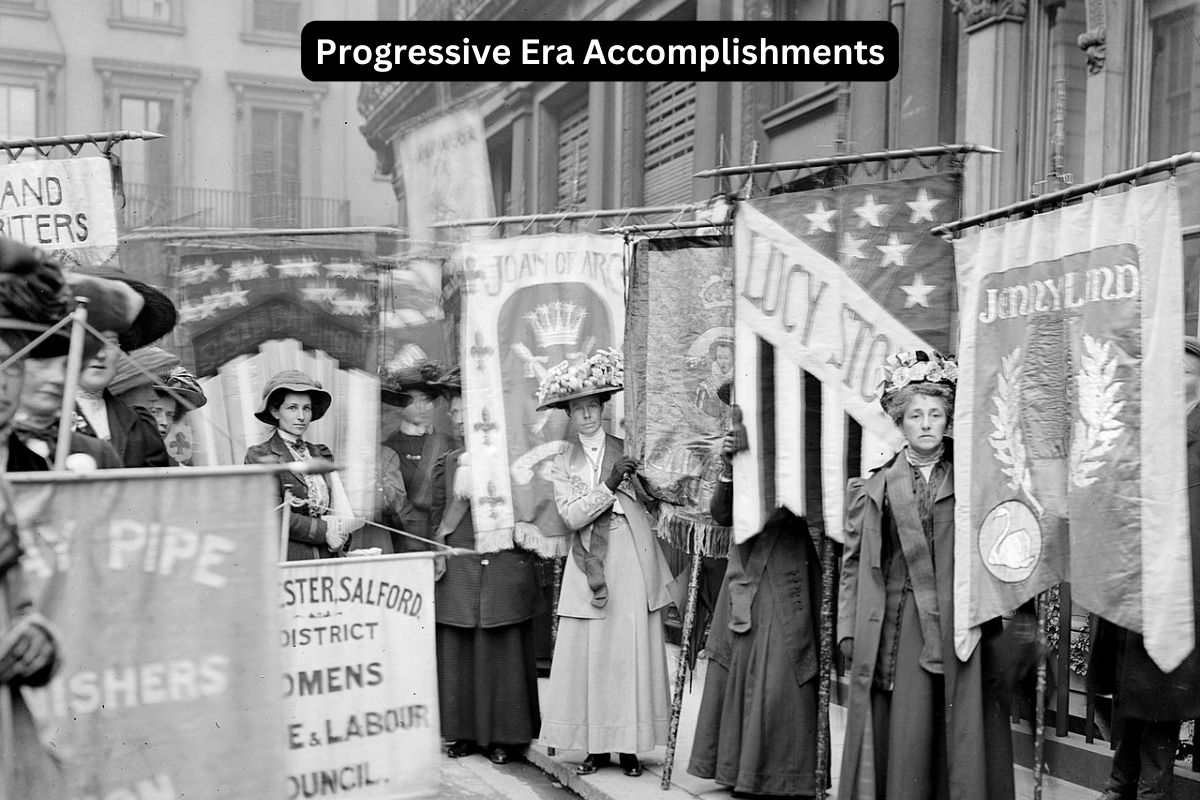
| 1920 | 19th Amendment | Guaranteed women the right to vote. | Doubled the size of the electorate and shifted political priorities. |
The Role of the Muckrakers
The Progressive Era was arguably the first age of investigative journalism. Writers like Ida Tarbell, who exposed the ruthless tactics of John D. Rockefeller’s Standard Oil, and Upton Sinclair, whose novel The Jungle detailed the horrific conditions in Chicago’s meatpacking plants, acted as catalysts for change.
These writers did more than just report facts; they appealed to the moral conscience of the middle class. By showing that "private" business practices had public health consequences, they built the popular support necessary for government intervention. As of 2026, the tradition of muckraking is still seen as a cornerstone of the "fourth estate," holding power accountable through detailed evidentiary reporting.
Key Figures of the Progressive Movement
While millions participated in the movement, several figures stand out for their influence on the direction of American policy:
- Theodore Roosevelt: The 26th President who advocated for the "Square Deal," which focused on conservation, trust regulation, and consumer protection. He significantly expanded the powers of the presidency.
- Woodrow Wilson: The 28th President who oversaw the "New Freedom" platform, establishing the Federal Reserve and the Federal Trade Commission (FTC).
- Jane Addams: A pioneer in social work and the founder of Hull House in Chicago, she focused on the needs of the urban poor and was a staunch advocate for international peace.
- Robert M. La Follette: Known as "Fighting Bob," he was the Governor of Wisconsin who implemented the "Wisconsin Idea," which used academic expertise from universities to craft effective state legislation.
- Alice Paul and Carrie Chapman Catt: Leaders in the women's suffrage movement who used different tactics—militant protest and diplomatic lobbying, respectively—to secure the passage of the 19th Amendment.
Limitations and Nuance: The "Blind Spots" of Progressivism
It is a mistake to view the Progressive Era as a period of universal advancement. The movement had significant "blind spots," particularly regarding racial equality. While Progressives fought for the "common man," this often excluded African Americans.
In many ways, the Progressive Era coincided with the "nadir of American race relations." The Supreme Court's ruling in Plessy v. Ferguson (1896) established the "separate but equal" doctrine, and many White Progressives either ignored the rise of Jim Crow laws or actively supported them. In response, Black leaders like W.E.B. Du Bois and Ida B. Wells-Barnett formed their own progressive organizations, such as the NAACP, to fight for civil rights and against the epidemic of lynching.
Furthermore, the era's focus on "efficiency" and "social control" led to darker movements, such as eugenics, which sought to "improve" the human race through forced sterilization and restrictive immigration laws. Understanding the Progressive Era in 2026 requires acknowledging both its democratic expansions and its exclusionary failures.
The End of the Era: World War I and the Return to "Normalcy"
The energy of the Progressive Era began to wane with the onset of World War I. The focus of the nation shifted from domestic reform to international conflict. After the war, a sense of "reform fatigue" set in. The 1920 election of Warren G. Harding, who campaigned on a "Return to Normalcy," signaled the end of the era's peak.
However, the Progressive Era did not truly disappear; it laid the groundwork for the New Deal of the 1930s. The idea that the government has a responsibility to manage the economy and ensure the welfare of its citizens became a permanent fixture of American political life.
FAQs about the Progressive Era
What were the four main goals of the Progressive movement?
Historians generally group the goals into four categories: protecting social welfare (helping the poor and vulnerable), promoting moral improvement (such as Prohibition), creating economic reform (regulating big business), and fostering efficiency (using scientific principles to improve government and industry).
Why was it called the "Progressive" Era?
The term "Progressive" reflected the belief that society was capable of improvement and that humans could use reason, science, and government power to intervene in "natural" economic processes to create a more just and efficient world.
Did the Progressive Era end because of the Great Depression?
Actually, the Progressive Era is generally considered to have ended about a decade before the Great Depression started. The end is usually marked by the conclusion of World War I (1918) or the passage of the 19th Amendment (1920). The Great Depression later triggered a second, more intensive wave of similar reforms known as the New Deal.
Who were the "Muckrakers"?
Muckrakers were investigative journalists and novelists who exposed corruption and social hardships. Notable examples include Lincoln Steffens (political corruption), Ida Tarbell (corporate monopolies), and Jacob Riis (urban poverty through photography).
Was the Progressive Era successful?
Success is a matter of perspective. The era was highly successful in establishing the precedent of government regulation, improving food safety, and expanding voting rights. However, it failed to address systemic racism and led to the controversial and ultimately failed experiment of Prohibition.
Practical Recommendation for Further Study
To truly grasp the Progressive Era beyond a single sentence, it is recommended to examine original source documents from the period. The National Archives and the Library of Congress offer digitized collections of Muckraker articles, suffrage posters, and legislative records. Comparing the rhetoric of Theodore Roosevelt’s "New Nationalism" with Woodrow Wilson’s "New Freedom" provides a deep understanding of the era’s internal debates on how best to regulate the modern American state.
Image Gallery