Exploring the Mystery of the Squaw Valley Name and Geographic Legacy
The mystery surrounding the name of Squaw Valley—recently rebranded as Palisades Tahoe—centers on the historical evolution of the term "squaw" and the cultural shift to excise it from geographic and institutional nomenclature. This tra...
The mystery surrounding the name of Squaw Valley—recently rebranded as Palisades Tahoe—centers on the historical evolution of the term "squaw" and the cultural shift to excise it from geographic and institutional nomenclature. This transition reflects a broader movement in the United States to address the usage of derogatory language and to respect the heritage of the Washoe Tribe, the original inhabitants of the region.
Contents
The Origins and Etymology of the Name
For decades, the valley now known as Palisades Tahoe held the name Squaw Valley. The term "squaw" is historically derived from various Algonquian languages, where it originally served as a descriptor for a woman. However, over the course of centuries of colonial expansion and systemic marginalization of Indigenous peoples, the word underwent a profound semantic shift. By the 19th and 20th centuries, it had transitioned into a racialized, misogynistic slur directed at Indigenous women.
The application of the name to the valley was not a result of deep historical connection but rather a byproduct of the mid-19th-century mapping processes where settlers imposed names onto the landscape with little regard for the Indigenous inhabitants. The Washoe Tribe, whose ancestral lands encompass the Lake Tahoe basin and surrounding valleys, have long maintained that the name did not reflect their own linguistic heritage and, more importantly, served as a constant reminder of the historical trauma and degradation inflicted upon their community.
The 2021 Rebranding: Palisades Tahoe
In September 2021, the organization managing the world-famous ski resort, formerly known as Squaw Valley Alpine Meadows, officially retired the name. This decision followed years of public pressure, advocacy from local Indigenous groups, and a thorough internal review of the resort’s brand identity. The new name, Palisades Tahoe, was selected to honor the iconic rock formations—the Palisades—that dominate the resort’s terrain.
This change represented a significant milestone in corporate social responsibility. By moving away from a name widely condemned as offensive by the United States Department of the Interior and numerous tribal organizations, the resort sought to distance itself from a legacy of exclusion. In 2026, the name Palisades Tahoe is firmly established, though the lingering "mystery" of the old name persists in public discourse, historical archives, and the signage of smaller legacy entities that have yet to formalize a transition.
The Geography and Historical Significance of the Valley
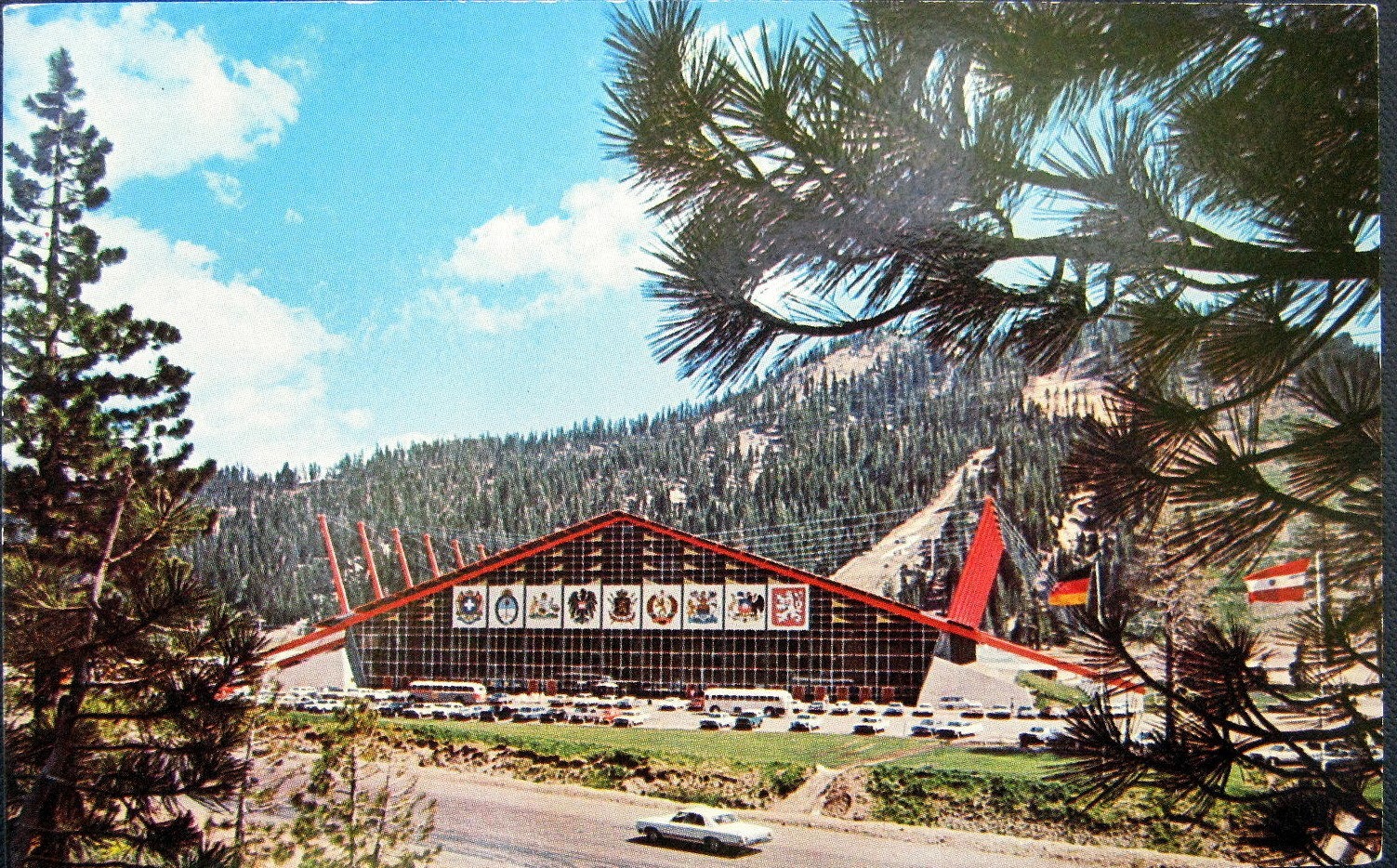
Squaw Valley (the geographic entity) is a valley located in the Sierra Nevada mountains, west of Lake Tahoe. It gained international prominence as the site of the 1960 Winter Olympics. This event cemented the valley's reputation as a world-class destination for winter sports and alpine recreation.
| Feature | Details |
|---|---|
| Primary Location | Sierra Nevada, Placer County, California |
| Indigenous Inhabitants | Washoe Tribe of Nevada and California |
| Historical Milestone | 1960 Winter Olympic Games |
| Current Designation | Palisades Tahoe (Resort/Region) |
| Geographic Significance | High-altitude alpine bowl with prominent rock cliffs |
The valley's status as a hub for tourism has often created a tension between commercial development and the preservation of the land's original cultural identity. Exploring the history of the valley requires an understanding of the intersection between settler-colonial land use and the persistence of the Washoe people, who continue to advocate for the protection of their ancestral sites, known in their language as òyóyí.
Resolving the Ambiguity of "Squaw Valley"
A primary source of confusion for visitors and researchers in 2026 is the persistence of the name "Squaw Valley" on older maps, historical documents, and in common parlance. While the resort successfully rebranded, several private residential developments, local businesses, and some older navigational systems continue to use the term.
This creates a split reality: the formal, institutional name is now Palisades Tahoe, while the geographic reference is still transitioning. When planning travel or researching the area, it is essential to distinguish between the resort entity and the unincorporated community. While the local community has faced challenges regarding the formal renaming of the geographical valley, public institutions have largely moved toward the adoption of indigenous place names or neutral terminology.
The Role of the Washoe Tribe
The "mystery" of the valley is best solved by centering the voices of the Washoe Tribe. For the Washoe, the valley was never just a site for recreation; it was a seasonal gathering place, a source of resources, and a location of profound cultural significance. The campaign to rename the resort was not merely about a word; it was about reclaiming the narrative of the landscape.
In recent years, the resort has taken steps to collaborate with the Washoe Tribe on land stewardship and cultural education. This partnership aims to ensure that visitors understand that the history of the valley predates the 1960 Olympics by thousands of years. Education regarding the Washoe people’s history, their displacement during the Comstock Lode mining era, and their ongoing cultural revitalization is now a central component of the visitor experience.
Frequently Asked Questions
Why was the name "Squaw Valley" considered offensive? The term is widely regarded by Indigenous scholars and organizations as a disparaging, racist, and sexist slur. Its usage in public life has been formally discouraged by federal and state governments as it contributes to the continued dehumanization of Indigenous women.
Is it still common to hear people use the old name? Yes, while official organizations and major media have adopted "Palisades Tahoe," some individuals still use the old name due to habit or historical association. Over time, as maps and institutional signage are updated, its usage is steadily declining.
Did the 1960 Olympics influence the name's longevity? The 1960 Olympics brought global fame to the valley under its then-name, which made the association extremely strong. This prestige made the decision to rename the resort a significant commercial risk, which explains why the shift took decades of sustained advocacy to achieve.
How can I learn more about the Washoe Tribe’s history in the area? Visitors are encouraged to consult resources provided by the Washoe Tribe of Nevada and California. Several local museums and regional archives in the Tahoe basin now feature exhibits dedicated to the pre-colonial and post-colonial history of the Washoe people.
Are there other places that underwent similar name changes? Yes, there is a national movement to remove offensive terms from geographical features. The U.S. Board on Geographic Names has been systematically reviewing and renaming thousands of locations across the country that previously contained the same slur.
Moving Forward: A Balanced Perspective
Understanding the legacy of the region requires an acknowledgment that history is not static. Names are reflections of the values of the society that assigns them. By shifting from an exclusionary term to a descriptive one (Palisades), the region has signaled a commitment to inclusivity.
For those exploring the area today, the task is to engage with the landscape beyond the recreational activities of the resort. Whether hiking the trails or visiting in the winter, the true "mystery" of the valley is uncovered by respecting its deep Indigenous roots and recognizing the importance of the language and identities of the people who shaped this land long before it was ever mapped by settlers.
Image Gallery