Why the Invisalign Journey is Worth It for Many: A 2026 Guide to Clear Aligner Success
For many individuals, the Invisalign journey is worth the investment because it provides a clinically effective, nearly invisible method to correct malocclusions without the lifestyle disruptions of traditional braces. By 2026, advance...
For many individuals, the Invisalign journey is worth the investment because it provides a clinically effective, nearly invisible method to correct malocclusions without the lifestyle disruptions of traditional braces. By 2026, advancements in multi-layer polymer technology and AI-driven treatment planning have made Invisalign a predictable solution for achieving superior oral health and lasting self-confidence.
Contents
Understanding the Invisalign Advantage: Beyond Aesthetics
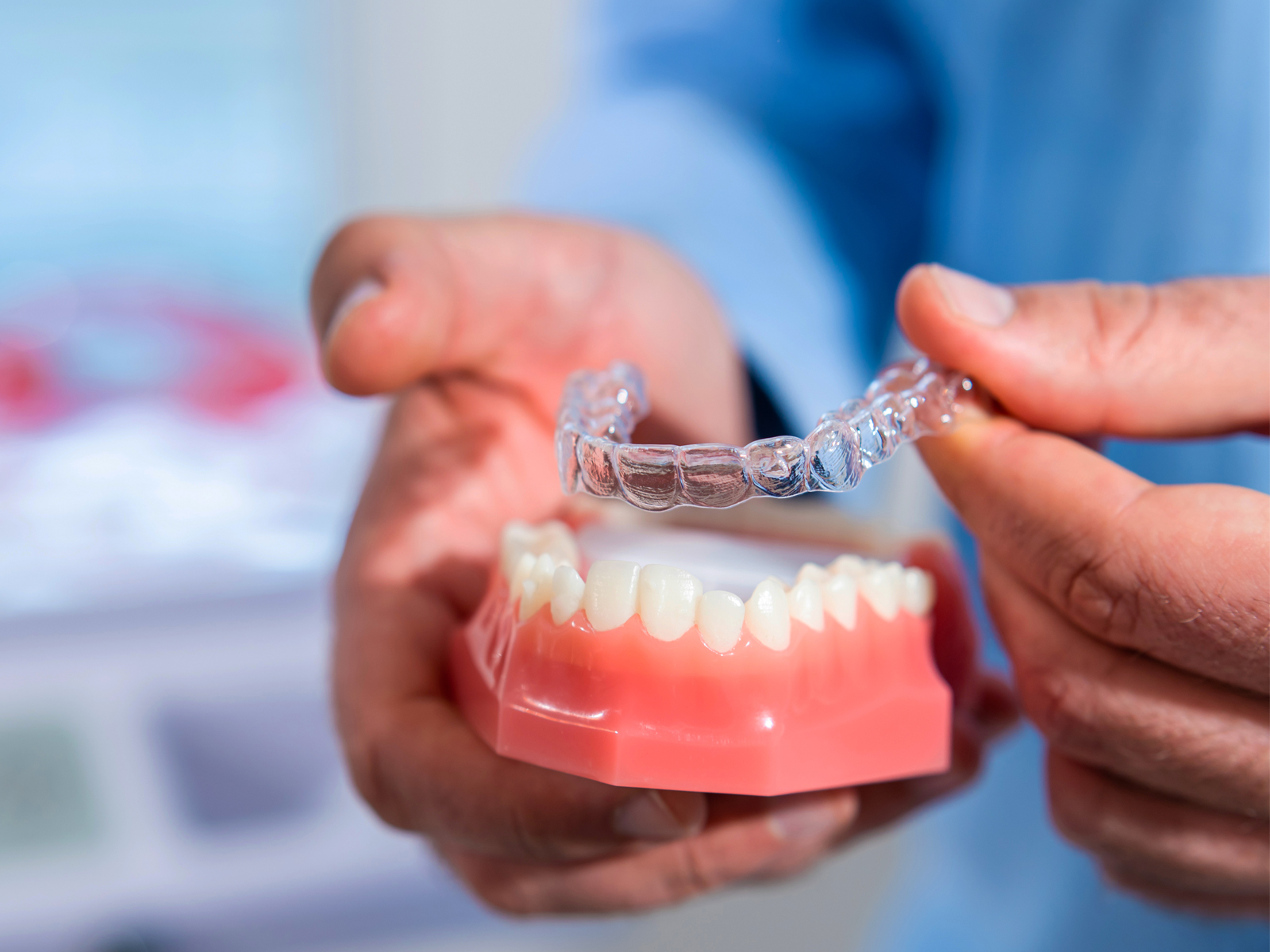
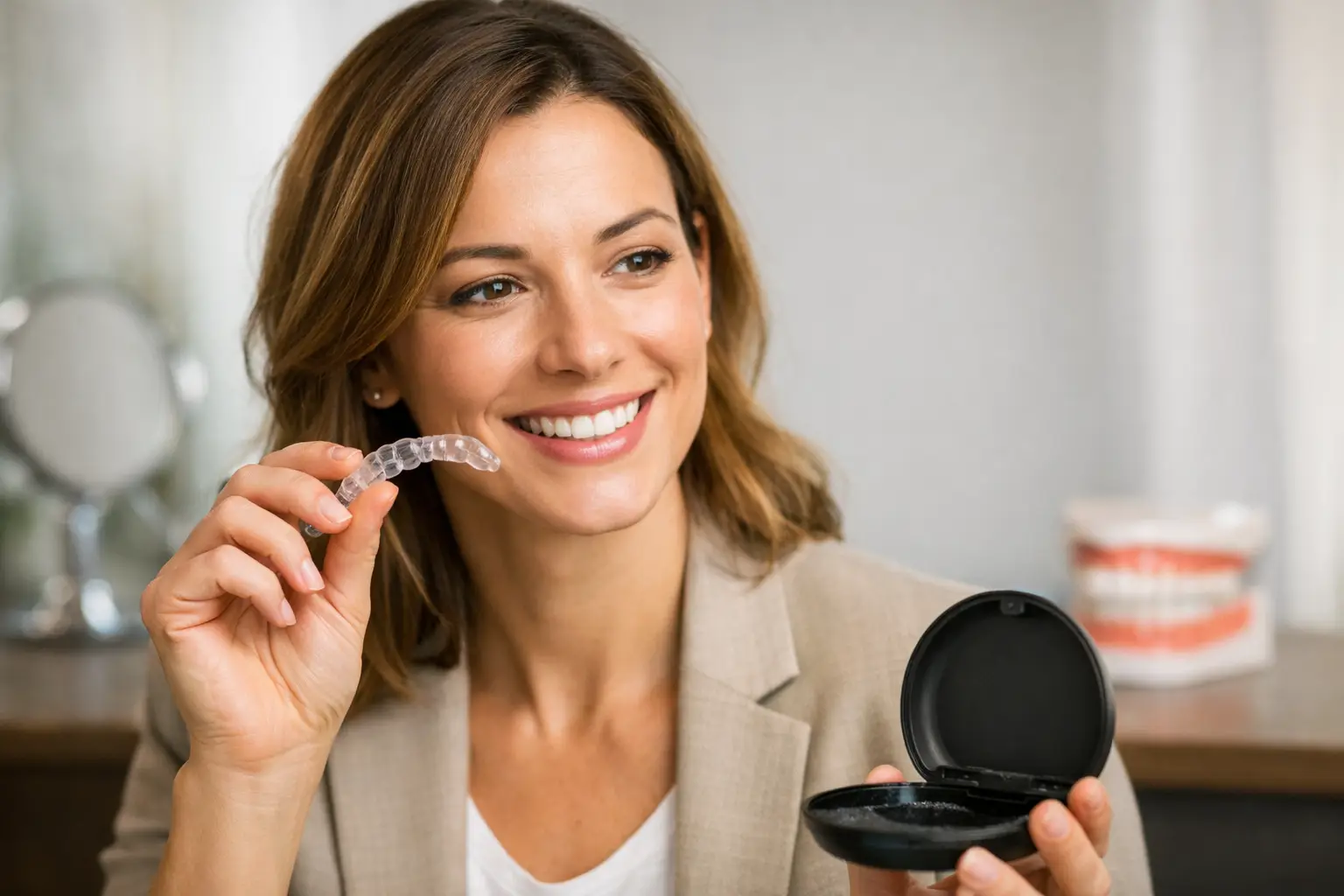
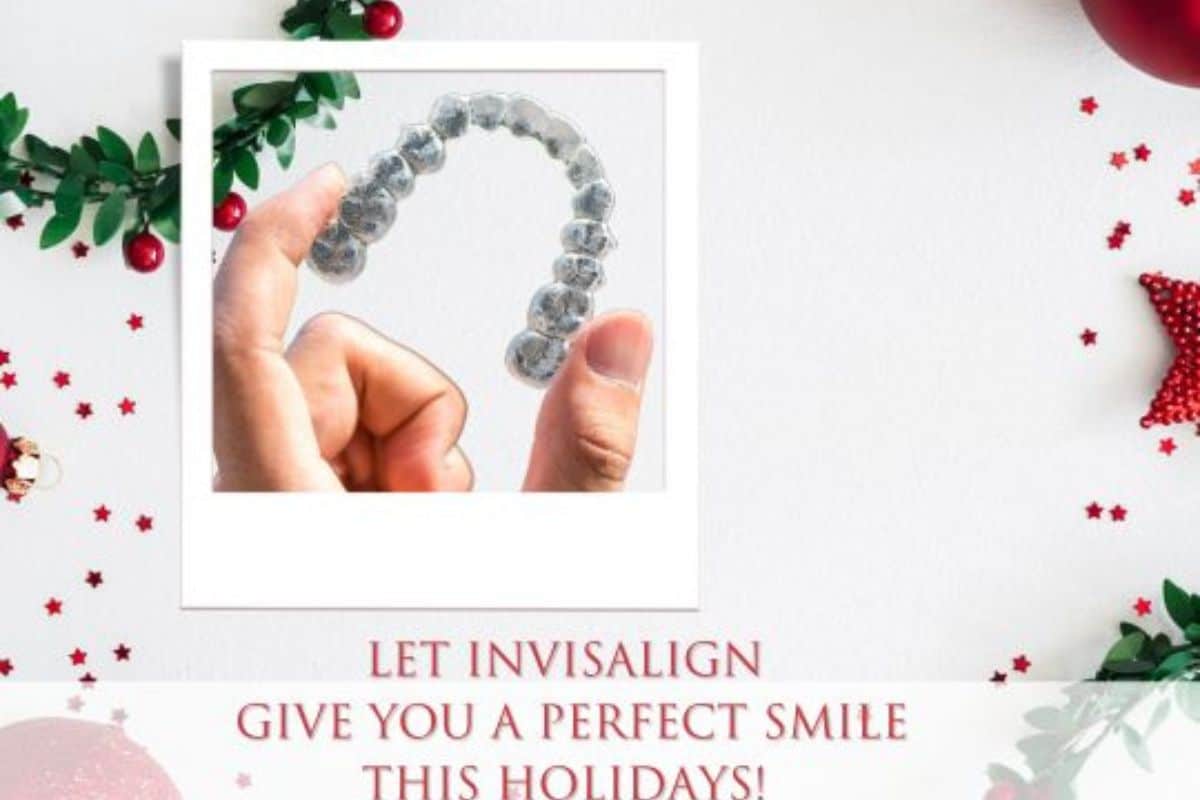
While the most obvious benefit of Invisalign is its transparency, the "worth" of the journey extends far deeper into clinical health and psychological well-being. For decades, orthodontic treatment was synonymous with metal brackets, wires, and the social stigma or physical discomfort that accompanied them. Invisalign revolutionized this by utilizing a series of custom-made, clear plastic aligners to gradually shift teeth into their desired positions.
In 2026, the technology has reached a point where even complex cases—once reserved exclusively for metal braces—can be managed with high precision. The value proposition for most patients is the ability to undergo a significant physical transformation without the world knowing it is happening. This "stealth" orthodontic approach is particularly valuable for working professionals, students, and adults who may have felt they missed their window for braces during adolescence.
The psychological impact of a straighter smile is well-documented. Studies consistently show that individuals with aligned teeth are often perceived as more successful and approachable, which can lead to a significant boost in self-esteem. However, the true value of the Invisalign journey is found in the intersection of this cosmetic improvement and the functional health of the mouth.
The Technology Driving the 2026 Invisalign Experience
The reason the Invisalign journey has become so successful for many is the proprietary technology behind the system. Unlike generic clear aligners, Invisalign utilizes a sophisticated ecosystem of hardware and software to ensure results are predictable and efficient.
SmartTrack Material and SmartForce Features
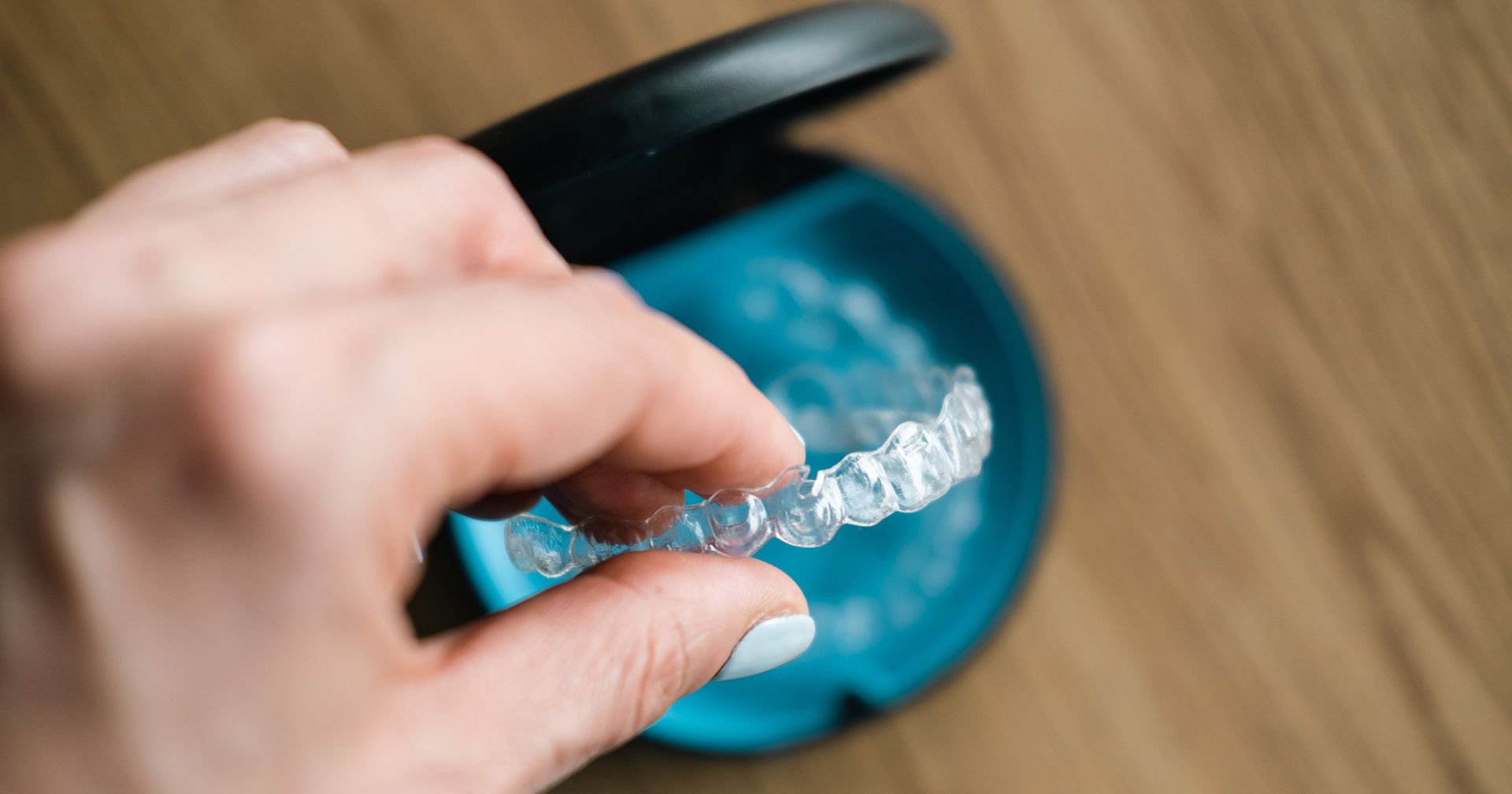
The aligners are made from SmartTrack material, a multi-layer medical-grade polymer specifically engineered for the Invisalign system. This material is designed to apply a constant, gentle force to the teeth, which is more comfortable than the periodic "tightening" associated with traditional braces. In 2026, these materials have been further refined to resist staining and maintain their clarity throughout the two-week wear cycle.
Furthermore, SmartForce attachments—small, tooth-colored shapes bonded to the teeth—allow the aligners to exert complex movements. These attachments act like handles, giving the aligners the leverage needed to rotate teeth or move them vertically, tasks that were historically difficult for clear aligners to perform.
ClinCheck Software and iTero Scanning
The journey begins with a high-resolution 3D digital scan using an iTero Element scanner. This eliminates the need for messy, uncomfortable putty impressions. The scan is then processed through ClinCheck software, which allows the orthodontist and the patient to visualize the entire tooth movement sequence before the first aligner is even manufactured. This transparency is a major factor in why patients find the journey worth it; they can see the "end goal" from day one, which serves as a powerful motivational tool.
The Clinical Reality: Health Benefits of the Journey
One of the most significant reasons the Invisalign journey is worth it for many is the long-term improvement in oral health. Misaligned teeth are not just a cosmetic concern; they are a functional liability. Crowded or crooked teeth create tight spaces that are nearly impossible to clean effectively with traditional brushing and flossing.
Prevention of Periodontal Disease and Decay
When teeth are properly aligned, the gum tissue fits more securely around the teeth, providing the strongest defense against periodontal problems. Because Invisalign aligners are removable, patients can maintain their existing oral hygiene routine. There are no brackets to trap food or wires to navigate around with floss. This reduces the risk of decalcification (white spots) and tooth decay that can sometimes occur under the hardware of traditional braces.
Reduction of Abnormal Wear and Jaw Pain
Malocclusions, such as overbites, underbites, or crossbites, can cause uneven wear on the tooth enamel. Over time, this leads to fractures, chips, and the need for expensive restorative dentistry. Furthermore, an improper bite often places undue stress on the temporomandibular joint (TMJ), leading to chronic jaw pain and headaches. By correcting the bite, Invisalign helps distribute the force of chewing evenly, preserving the natural tooth structure and alleviating joint strain.
Lifestyle Flexibility and Comfort
For many, the "worth" of Invisalign is measured in the things they don't have to change about their lives. Traditional orthodontics requires significant dietary restrictions—avoiding popcorn, sticky candies, and hard crusts to prevent breaking a bracket. With Invisalign, the aligners are simply removed during meals, allowing patients to enjoy all their favorite foods.
Fewer Emergency Visits
Traditional braces often involve broken wires or loose brackets that require emergency dental visits. These "pokes" can cause painful ulcerations on the cheeks and lips. Invisalign’s smooth plastic construction eliminates these issues. While there may be some initial pressure when moving to a new set of aligners, the overall physical experience is significantly less invasive.
Maintenance of Professional and Social Presence
In professional settings, the discretion of Invisalign is unmatched. Whether giving a presentation or attending a wedding, the clear aligners do not distract from the user's face. For many adults, the ability to maintain their professional image while improving their health is the primary reason they choose this path over traditional methods.
Comparing Invisalign to Traditional Orthodontics
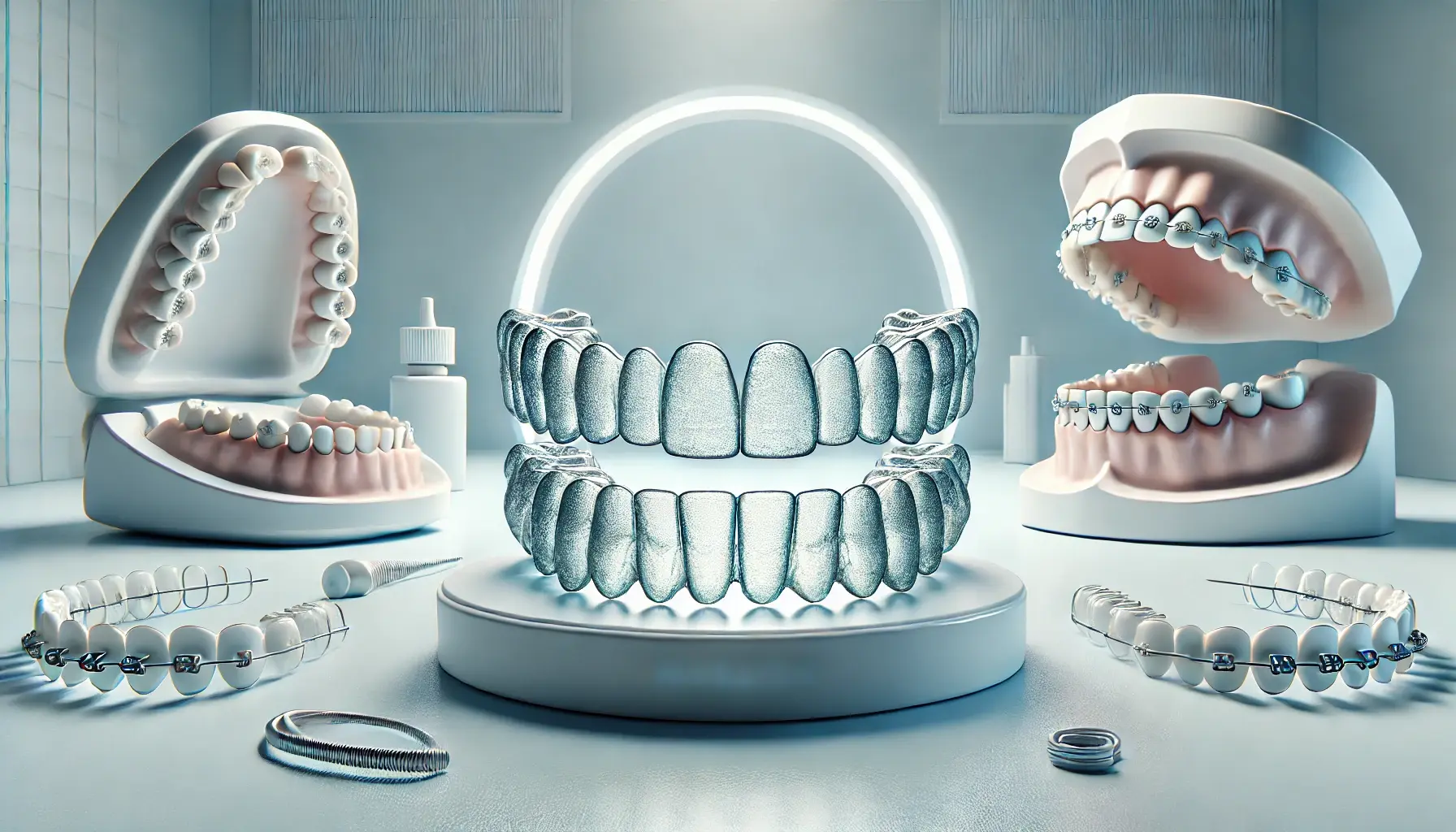
To understand why the journey is worth it, it is helpful to see how it compares to the traditional alternative across several key metrics.
| Feature | Invisalign (2026 Standards) | Traditional Metal Braces |
|---|---|---|
| Visibility | Nearly invisible; clear polymer. | High visibility; metal or ceramic brackets. |
| Removability | Removable for eating, brushing, and flossing. | Fixed; requires specialized cleaning tools. |
| Comfort | Smooth plastic; gentle constant force. | Metal edges may irritate soft tissues. |
| Dietary Restrictions | None (aligners are removed). | Significant (no hard, sticky, or crunchy foods). |
| Treatment Planning | Fully digital 3D visualization (ClinCheck). | Manual adjustments by the orthodontist. |
| Average Appointment Frequency | Every 6–8 weeks for progress checks. | Every 4 weeks for wire adjustments. |
| Oral Hygiene | Standard brushing and flossing. | High risk of plaque buildup around hardware. |
Cost-Benefit Analysis: Is It Really Worth the Price Tag?
In 2026, the cost of Invisalign is generally comparable to traditional braces, typically ranging from $3,000 to $8,000, depending on the complexity of the case and the geographic location of the provider. While this is a significant investment, several factors contribute to its long-term value.
- Insurance and Tax Advantages: Most dental insurance plans that cover orthodontics now treat Invisalign the same as metal braces. Additionally, funds from Flexible Spending Accounts (FSA) or Health Savings Accounts (HSA) can be used to pay for the treatment with pre-tax dollars, reducing the effective cost.
- Prevention of Future Costs: By aligning the teeth and correcting the bite, Invisalign reduces the likelihood of needing crowns, veneers, or periodontal surgery later in life. In this sense, the "journey" is a form of preventative healthcare.
- Time Value: Invisalign often requires fewer office visits than traditional braces. For busy parents or professionals, the time saved by not having to visit the orthodontist every month for "tightening" is a major part of the return on investment.
Managing Expectations: Common Challenges and Solutions
To ensure the journey is worth it, patients must understand their role in the process. Invisalign is a "compliance-based" treatment. Because the aligners are removable, the success of the treatment depends entirely on the patient's discipline.
- The 22-Hour Rule: For the teeth to move according to the digital plan, the aligners must be worn for 22 hours a day. They should only be removed for eating, drinking anything other than water, and cleaning. Failure to follow this rule can result in "tracking" issues, where the teeth do not keep up with the aligners, leading to a longer treatment time.
- Speech Adjustments: Some patients experience a slight lisp during the first few days of wearing a new set of aligners. This is temporary as the tongue adjusts to the presence of the plastic.
- The Importance of Retainers: Like all orthodontic treatments, the journey does not end when the last aligner is finished. To maintain the results, patients must wear retainers (usually at night) to prevent the teeth from shifting back to their original positions. According to the American Association of Orthodontists (AAO), retainers are a lifelong commitment to preserving the investment made during treatment.
Determining If the Journey Suits You
Invisalign is suitable for a wide range of patients, but it is not a "one size fits all" solution. During a consultation, a provider will assess the complexity of the malocclusion. While Invisalign can handle 90% of orthodontic cases, some severe skeletal issues or extreme tooth rotations might still require the mechanical leverage of traditional braces or supplemental surgical intervention.
The ideal candidate is someone who is motivated to follow the wear-time guidelines and values the aesthetic and hygienic benefits of a removable system. For these individuals, the journey often results in a profound transformation that extends far beyond the surface.
Frequently Asked Questions
How long does the average Invisalign journey take?
While every case is unique, most adult treatments last between 12 and 18 months. Some minor "Express" cases can be completed in as little as 6 months, while complex bite corrections may take up to 24 months. The use of accelerated orthodontics, which may involve vibrational devices or minor clinical procedures, can sometimes reduce this timeframe.
Does Invisalign hurt more than braces?
Generally, Invisalign is considered less painful. Rather than the sharp pain associated with wire tightening, Invisalign users typically feel a sensation of "pressure" for the first 24 to 48 hours after switching to a new tray. This pressure is a sign that the teeth are moving according to the plan.
Can I drink coffee or tea with the aligners in?
It is strongly recommended to remove the aligners when drinking anything other than plain, cool water. Hot liquids can warp the plastic material, and dark liquids like coffee, tea, or red wine can stain both the aligners and the attachments on your teeth. Furthermore, if the drink contains sugar or acid, it can get trapped between the aligner and your teeth, significantly increasing the risk of cavities.
What happens if I lose an aligner?
If an aligner is lost, you should contact your orthodontist immediately. Depending on where you are in that specific tray's cycle, they may advise you to move back to the previous tray or move forward to the next one. Never skip multiple sets of aligners, as this can derail the digital treatment plan.
Are the results of Invisalign permanent?
The results are permanent as long as you follow the retention protocol. Teeth have a "memory" and will naturally try to drift back to their original positions. Wearing a custom-fitted Vivera retainer or a similar product at night is essential to keep your smile aligned for life.
Practical Recommendation
If you are considering whether the Invisalign journey is worth it for you, the first step is to schedule a consultation with an Elite or Diamond Plus provider. These designations indicate a high volume of successful cases and deep experience with the Invisalign system. Use the 3D ClinCheck simulation to visualize your potential results and discuss your lifestyle needs with your doctor. If you are committed to the 22-hour daily wear requirement, the combination of health benefits, aesthetic discretion, and modern convenience makes Invisalign one of the most valuable investments you can make in your long-term wellness.
Image Gallery