Navigating Female Inmate Pen Pals: Safe Connection Strategies for 2026
Connecting with female inmate pen pals bridges the isolation of the correctional system with vital human contact, supporting rehabilitation and emotional resilience. As correctional communication technologies evolve in 2026, understand...
Connecting with female inmate pen pals bridges the isolation of the correctional system with vital human contact, supporting rehabilitation and emotional resilience. As correctional communication technologies evolve in 2026, understanding the rules, digital platforms, and safety protocols is essential for building a positive, secure correspondence.
Contents
Understanding the Landscape of Female Inmate Correspondence in 2026
Prison pen pal programs serve as a lifeline for incarcerated women, offering moral support, social connection, and a tether to the outside world. Modern correctional facilities have largely transitioned away from purely analog systems, introducing digital messaging tablets alongside traditional postal mail. This dual-track system requires correspondents to navigate both physical mail guidelines and modern electronic messaging portals.
The motivations for seeking an incarcerated pen pal vary widely, ranging from community outreach and advocacy to personal friendship and mentorship. Regardless of motivation, participants must operate within strict institutional boundaries. Correctional departments of corrections (DOC) across various jurisdictions enforce rigorous security measures to protect both the incarcerated population and the public.
Digital Platforms Versus Traditional Mail Protocols
Communication methods have shifted significantly, blending physical mail processing with secure third-party electronic messaging systems. Correctional facilities contract with specific technology providers to manage digital mail, video visitation, and photo sharing.
- Digital Messaging Apps: Services like JPay, GettingOut, and ConnectNetwork allow instantaneous electronic messaging, though messages are subject to automated and manual screening by correctional staff.
- Traditional Postal Mail: Physical letters remain a standard method, though facilities often enforce strict rules regarding paper color, ink types, and envelope size to prevent contraband smuggling.
- Photo and Media Sharing: Digital platforms permit users to upload photos, but all images undergo rigorous content moderation to ensure compliance with facility standards.
- Financial Transfers: Sending funds for commissary purchases or digital stamps requires approved payment gateways managed directly by the facility's contracted financial vendor.
Safety, Security, and Boundary Management
Establishing a pen pal relationship requires robust boundaries to protect personal safety and privacy. Incarcerated individuals live in highly restricted environments, and correspondence can sometimes become intense or emotionally demanding.
Protecting personal information is the primary safeguard for anyone entering this space. Correspondents should never share home addresses, financial account details, Social Security numbers, or employment locations. Utilizing a dedicated post office box or a secure digital alias provides an essential layer of personal security.
Operational Security Best Practices
Use Dedicated Communication Channels: Establish a separate email address or PO Box exclusively for prison correspondence to maintain a distinct boundary from your personal and professional life.
Establish Clear Financial Boundaries: Understand that requests for financial assistance are common within correctional facilities. Decide beforehand whether you will support commissary accounts, and remain firm on your limits.
Recognize Psychological Dynamics: Recognize that incarceration creates unique emotional environments. Maintaining healthy emotional detachment helps prevent manipulation or burnout on both sides.
Comparing Traditional Mail and Modern Digital Platforms
Choosing the right communication channel depends on institutional availability, cost, and personal preference. The following comparison outlines the primary operational differences between traditional postal mail and modern digital messaging services utilized in 2026 correctional facilities.
| Communication Channel | Speed of Delivery | Cost Structure | Security and Screening | Media Support |
|---|---|---|---|---|
| Traditional Postal Mail | 3 to 7 business days | Cost of postage stamp and stationery | Physical inspection, opening, and manual reading | Letters, approved photographs, and standard greeting cards |
| Digital Messaging Apps | Instant to 24 hours | Per-message electronic stamp fees | Automated keyword scanning and correctional staff review | Text messaging, digital photos, and short video clips |
| Electronic Funds Transfer | 24 to 48 hours | Percentage processing fees per transaction | Verified through financial compliance departments | Monetary credits for commissary and phone usage |
Step-by-Step Guide to Initiating Contact Responsibly
Beginning a correspondence with a female inmate involves adhering to a structured protocol to ensure your letters reach the intended recipient without violating institutional rules.
- Select a Verified Directory: Utilize established, reputable pen pal platforms or state DOC inmate locator tools to find individuals seeking correspondence.
- Verify Facility Rules: Check the specific rules of the state or federal institution where the inmate is housed, as policies on mail color, polaroids, and enclosures vary widely.
- Draft Your Initial Letter: Keep the first letter introductory, positive, and focused on shared interests, hobbies, or books, avoiding overly personal or sensitive topics.
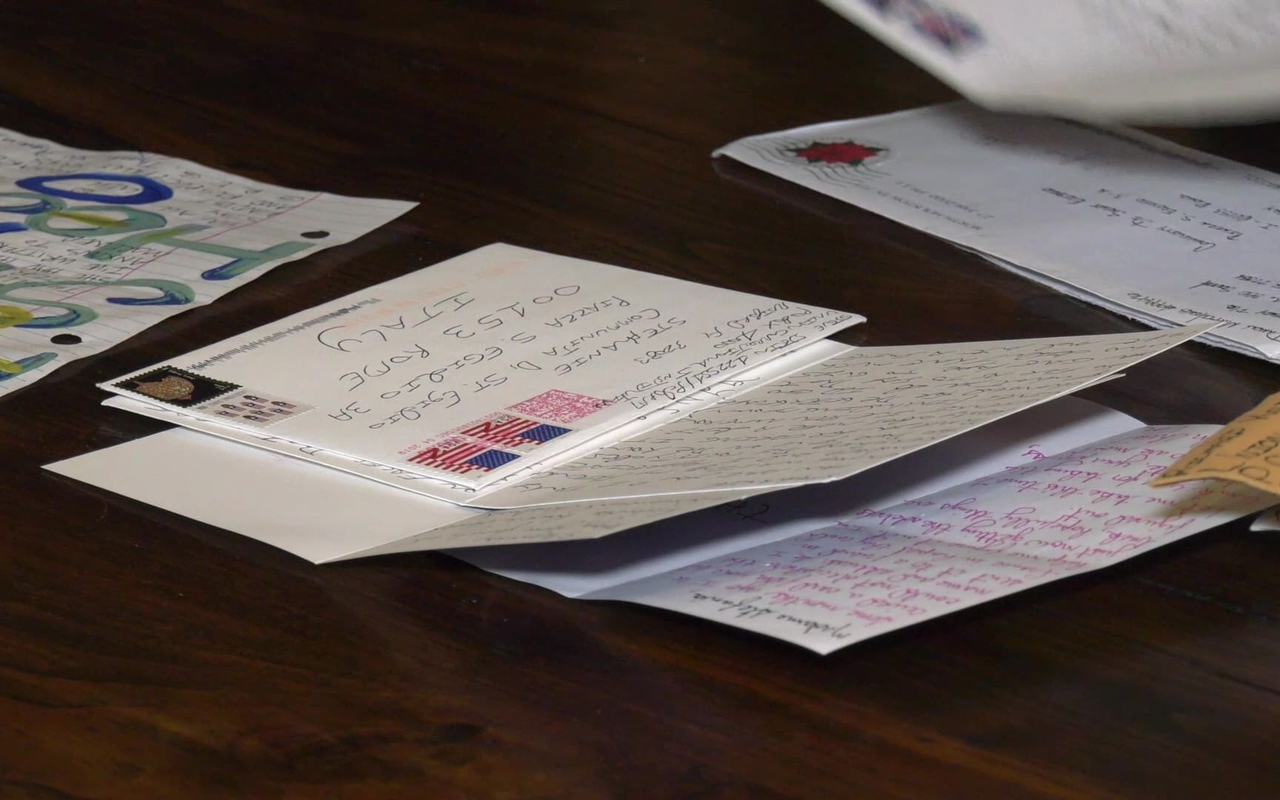
- Format the Address Correctly: Ensure the envelope includes the inmate's full legal name, DOC identification number, housing unit (if required), and the facility's exact mailing address.
- Monitor Processing Times: Understand that mail sorting, scanning, and delivery take time within correctional facilities, and patience is required for replies.
Frequently Asked Questions About Female Inmate Pen Pals
Are prison pen pal programs legal and monitored?
Yes, these programs are entirely legal, but all communications sent into and out of correctional facilities are monitored and screened by staff for security purposes. Correspondents should assume no communication is private.
Can I send money or gifts to an inmate pen pal?
You can send funds for commissary purchases or communication stamps, but you must use the facility's approved financial vendor. Direct package shipments are typically prohibited unless ordered through designated third-party vendors.
How do I protect my personal privacy when writing an inmate?
You should never disclose your home address, workplace, phone number, or financial details. Utilizing a PO Box and a dedicated online communication profile safeguards your private life.
What should I do if my letters or messages are rejected?
If a message is rejected, the facility will typically provide a notification explaining the infraction, such as prohibited content, unapproved imagery, or incorrect addressing formats. Review the facility's mail policy to adjust future submissions.
How long does it typically take to receive a reply?
Depending on whether you use digital messaging or postal mail, replies can take anywhere from a few days to several weeks due to internal facility sorting and security screening procedures.
Building Lasting and Meaningful Connections
Engaging with female inmate pen pals requires empathy, patience, and strict adherence to institutional guidelines. By prioritizing safety, respecting boundaries, and utilizing authorized communication channels, correspondents can provide meaningful encouragement while maintaining a secure and rewarding relationship throughout 2026 and beyond.
Image Gallery