Navigating Moving Cars Carrier Auto Insurance: Protecting Your Vehicle During Transport
When you hire a professional auto transport company to move your car across state lines or the country, understanding carrier auto insurance is essential to safeguarding your vehicle against unforeseen transit damage. Auto transport co...
When you hire a professional auto transport company to move your car across state lines or the country, understanding carrier auto insurance is essential to safeguarding your vehicle against unforeseen transit damage.
Contents
Auto transport companies operate under specific legal frameworks governed by federal regulations, which mandate certain minimums of cargo and liability coverage. However, the exact protection your car receives depends on the difference between the carrier’s insurance, your personal auto insurance policy, and any supplemental coverage you might purchase. Navigating these policies requires a clear understanding of certificates of insurance, deductibles, bill of lading inspections, and how to file a claim if damage occurs.
Understanding the Basics of Auto Transport Insurance
Before handing your keys over to a driver, you must understand how professional vehicle carriers insure the vehicles they transport. Unlike standard driving, where your personal auto insurance policy covers you behind the wheel, moving a car via a carrier involves commercial transit regulations.
Federal Requirements and Motor Carrier Permits
In the United States, companies that transport vehicles for hire must be registered with the Federal Motor Carrier Safety Administration (FMCSA). As part of this registration, carriers are legally required to maintain specific types of insurance:
- Public Liability Insurance: Covers injuries or property damage caused by the carrier's truck to third parties during transit.
- Cargo Insurance: Specifically covers physical damage or loss of the vehicles being hauled on the trailer.
You have the right to request a copy of the carrier’s Certificate of Insurance (COI) directly from the transport company or broker. Verify that the policy is active and that the coverage limits exceed the total value of all vehicles loaded on the trailer.
Brokers vs. Carriers
Many customers book through an auto transport broker rather than directly with the trucking company. A broker acts as an intermediary, matching your shipment with a licensed and insured carrier.
- Brokers do not own trucks or insure vehicles directly; they sell logistics services and vet carriers.
- Carriers own the equipment, employ the drivers, and hold the actual motor cargo insurance policy that pays out if your car is damaged.
When reviewing your contract, always identify which specific motor carrier is assigned to haul your vehicle so you can inspect their specific insurance policy limits.
Types of Insurance Coverage During Car Transit
Multiple layers of insurance may apply while your car is on a carrier. Knowing how these policies interact prevents unexpected out-of-pocket costs if an accident or weather event damages your vehicle.
Motor Truck Cargo Insurance
This is the primary policy held by the transport company. It covers the vehicle while it is loaded on, being transported by, or unloaded from the carrier's trailer.
- Coverage Limits: Cargo policies have a maximum payout per incident and per vehicle. Ensure the per-vehicle limit matches or exceeds the market value of your car. For high-end, luxury, or modified vehicles, standard cargo limits of $100,000 may fall short, requiring the carrier to secure additional riders.
- Exclusions: Many cargo policies exclude "Acts of God"—such as hail, floods, tornadoes, or hurricanes—unless specific comprehensive wording is included. Always ask if weather events are covered.
Personal Auto Insurance Policies
Most personal auto insurance policies include "comprehensive" and "collision" coverage, but they often exclude commercial transport or driving outside normal operation.
- Contributory Role: In many cases, personal auto insurance acts as secondary or backup coverage. If the carrier’s insurance denies a claim or has a high deductible, your personal insurance may step in, though this could impact your personal premium rates.
- Contact Your Insurer: Call your insurance provider before transport to verify whether your policy extends coverage to vehicles being hauled by a commercial third-party carrier.
Supplemental and Gap Coverage
If your vehicle's value exceeds the standard cargo policy limit of the carrier, or if you want zero-deductible peace of mind, you can purchase supplemental transit coverage through specialized insurance providers or high-end transport brokers. This bridges the gap between the carrier's maximum payout limit and your car's true replacement value.
Comparing Open and Enclosed Carriers: Insurance Implications
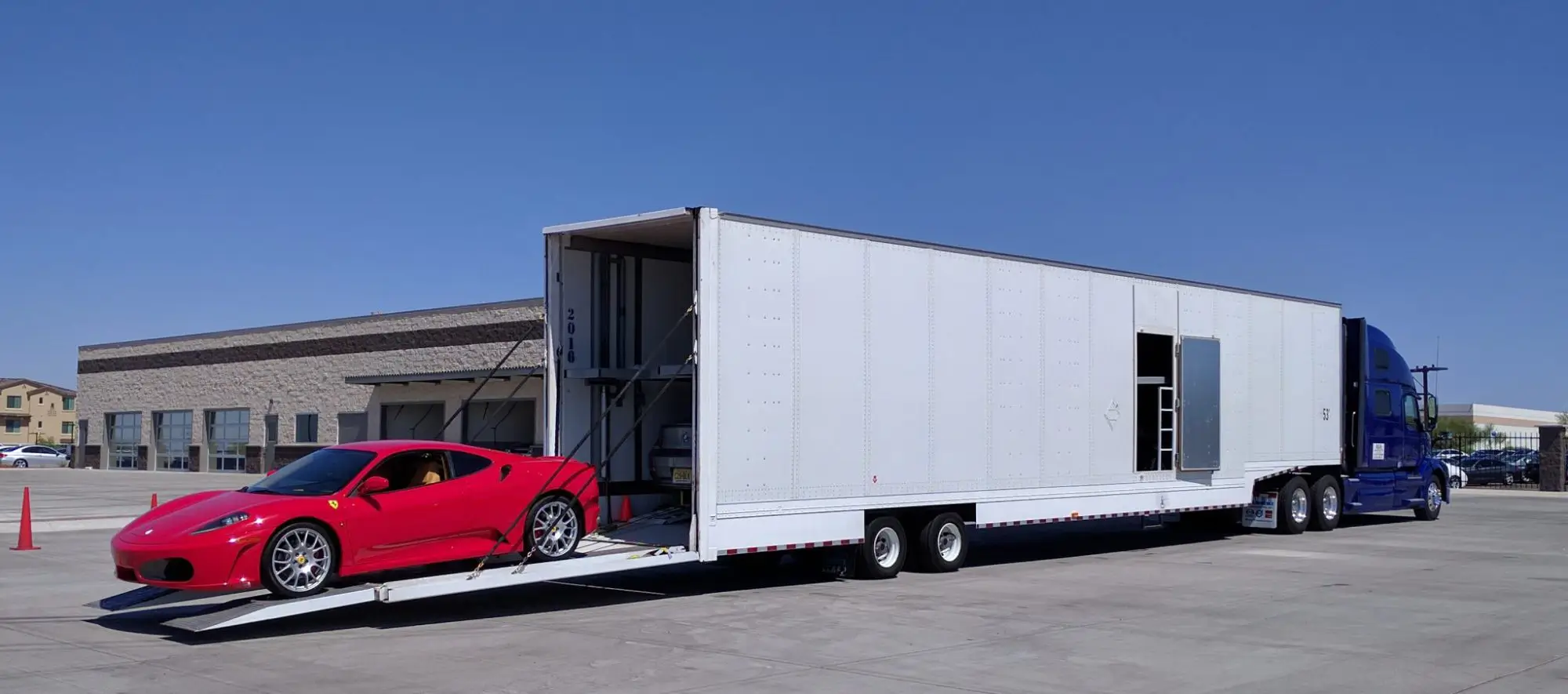
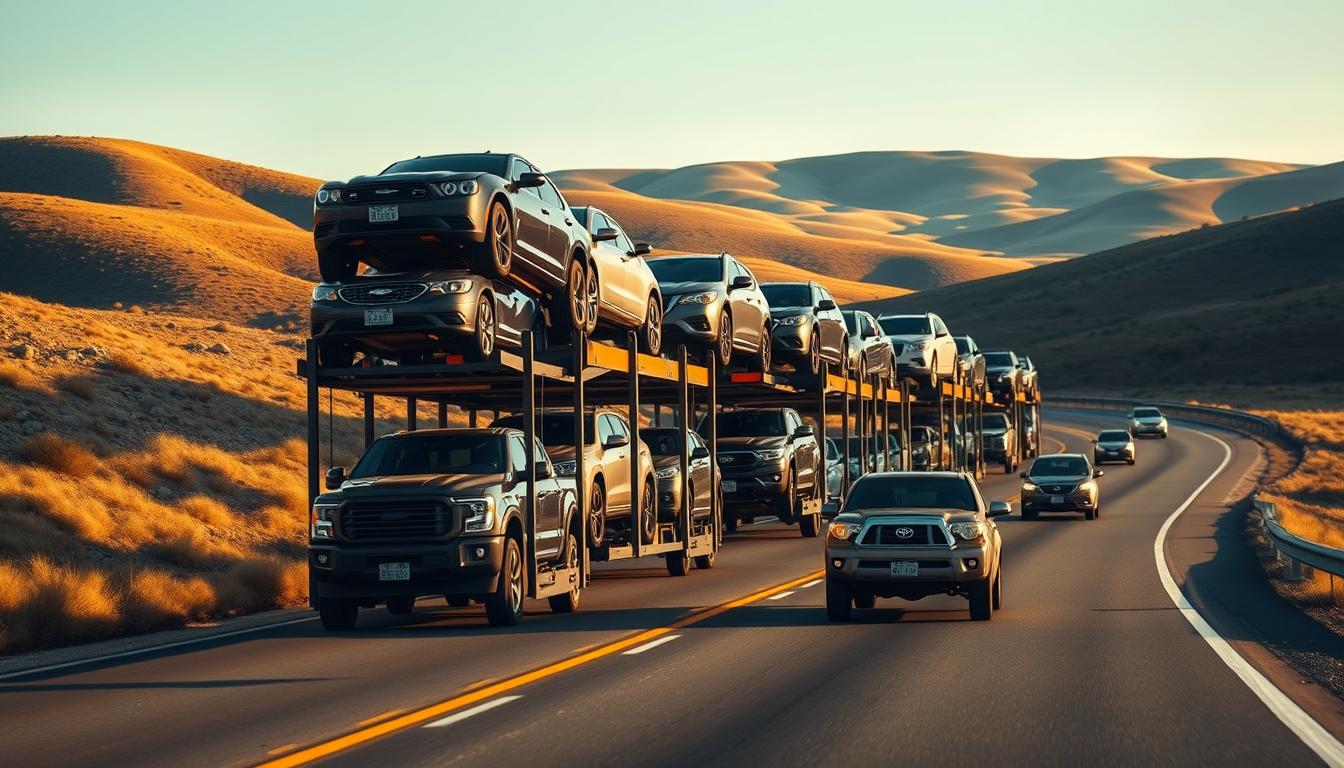
The type of trailer you choose—open or enclosed—affects both your transport costs and how certain insurance claims are handled.
| Feature | Open Carrier Transport | Enclosed Carrier Transport |
|---|---|---|
| Primary Use | Standard sedans, SUVs, trucks, and everyday vehicles. | Luxury, classic, exotic, antique, and low-clearance sports cars. |
| Weather Protection | Exposed to rain, snow, hail, road debris, and dust. | Fully protected from weather, road debris, and environmental elements. |
| Typical Cargo Limits | Generally ranges from $100,000 to $250,000 per load. | Often ranges from $250,000 to $1,000,000+ per load. |
| Risk Profile | Higher risk of minor cosmetic chips from road stones; complex weather claims. | Lower risk of transit damage; higher valuation protection standards. |
| Cost | More economical and widely available. | Premium pricing due to specialized equipment and higher insurance underwriting. |
The Inspection Process and the Bill of Lading
The single most important document for protecting your insurance rights during auto transport is the Bill of Lading (BOL). This document serves as the official receipt of service and the condition report for your vehicle.
- Pickup Inspection (Origin): Before the car is loaded onto the carrier, you and the driver must conduct a thorough walk-around inspection. Document every existing scratch, dent, paint chip, and mechanical quirk on the BOL form. Both you and the driver must sign this document.
- Delivery Inspection (Destination): Upon delivery, inspect the vehicle immediately in well-lit conditions. Compare the current state of the vehicle line-by-line against the pickup BOL.
- Recording Damage: If you notice new damage, note it explicitly on the delivery BOL before signing and paying the driver. Take high-resolution photographs immediately from multiple angles. If you sign the BOL without noting damage, proving that the carrier caused the issue during transit becomes significantly more difficult.
Step-by-Step Guide to Filing a Transport Insurance Claim
If your vehicle arrives with transit damage, acting quickly and methodically ensures your claim is processed correctly by the carrier's insurance provider.
Step 1: Document Everything Immediately
Do not wait to document damage. Take clear photographs of the entire vehicle, close-ups of the specific damage, and shots showing the vehicle still positioned on or immediately next to the carrier trailer if the driver is still present.
Step 2: Note Damage on the Bill of Lading
Ensure the driver acknowledges the damage in writing on the final delivery BOL copy. Get a signed and dated copy of this completed document for your records.
Step 3: Contact the Transport Company and Broker
Notify the transport company’s customer service and claims department within 24 to 48 hours of delivery. Request a formal claims packet, the motor cargo insurance policy number, and the direct contact information of the insurance adjuster assigned to the motor carrier.
Step 4: Obtain Professional Repair Estimates
Take your vehicle to a certified collision repair center of your choice for an official written estimate. Submit this estimate alongside your photographs, the signed BOL, and your transport contract to the carrier’s insurance adjuster.
Frequently Asked Questions
Does my personal auto insurance cover my car while it is being shipped on a carrier?
Most standard personal auto insurance policies do not cover vehicles while they are in the custody of a commercial carrier for transport. You must verify with your insurer whether your policy provides contingent transit coverage, as primary liability rests with the motor carrier’s cargo policy.
What happens if the transport carrier damages my car?
If the carrier damages your car, you must document the issue on the delivery Bill of Lading, take photographs, and file a claim directly against the carrier's motor truck cargo insurance policy. The carrier's insurance will cover the cost of repairs up to their policy limits, minus any deductible.
Are Acts of God like hail or floods covered by carrier insurance?
Not automatically. Standard motor cargo policies frequently exclude Acts of God, such as severe weather, hail, floods, or natural disasters. You should specifically ask the broker or carrier if their cargo policy includes comprehensive weather protection or if you need supplemental coverage.
How do I verify if a car carrier’s insurance is active?
You can verify a carrier's operating authority and insurance status by looking up their United States Department of Transportation (USDOT) number or Motor Carrier (MC) number on the Federal Motor Carrier Safety Administration (FMCSA) official registration portal.
What is the difference between a carrier's deductible and my out-of-pocket cost?
Carriers often carry cargo insurance policies with deductibles ranging from $500 to $2,500. If an insurance claim is approved, the insurance payout covers the repair cost minus the deductible. Depending on your contract terms, you or the carrier may be responsible for paying that deductible amount to the repair shop.
Next Actions and Final Recommendations
Before booking your next vehicle transport service, always request a copy of the carrier’s Certificate of Insurance and verify their active status with the FMCSA. Inspect your car meticulously, insist on a signed Bill of Lading at both pickup and delivery, and review your personal insurance policy to ensure you are fully protected against transit gaps.
Image Gallery