Understanding How Much Rent Costs in the Projects: A Comprehensive 2026 Guide
In 2026, rent in public housing—frequently referred to as "the projects"—is primarily determined by a household's income rather than a fixed market rate. Most residents pay approximately 30% of their monthly adjusted gross income, thou...
In 2026, rent in public housing—frequently referred to as "the projects"—is primarily determined by a household's income rather than a fixed market rate. Most residents pay approximately 30% of their monthly adjusted gross income, though specific amounts vary based on deductions, local Public Housing Agency (PHA) policies, and whether the tenant opts for a flat rent.
Contents
Public housing was established to provide decent and safe rental housing for eligible low-income families, the elderly, and persons with disabilities. While the term "the projects" is often used colloquially, these developments are formally managed by local Public Housing Agencies (PHAs) under the oversight of the U.S. Department of Housing and Urban Development (HUD). Because the system is designed to be a safety net, the cost of living there is fundamentally different from the private rental market.
The Formula: How Income-Based Rent is Calculated
The most critical factor in determining your rent in public housing is your "Total Tenant Payment" (TTP). Under federal law, the TTP is the highest of the following four amounts, rounded to the nearest dollar:
- 30% of the family’s monthly adjusted income (Gross income minus specific HUD-allowed deductions).
- 10% of the family’s monthly gross income (Total income before any deductions).
- Welfare Rent, if the family receives public assistance and that assistance designates a specific amount for housing.
- A minimum rent established by the local PHA (typically between $25 and $50).
For the vast majority of households, the 30% rule is the operative figure. This ensures that as a resident’s income fluctuates, their housing remains theoretically affordable. If a resident loses their job, their rent can be adjusted downward; if they receive a raise, their rent will increase proportionally.
Defining Adjusted Gross Income in 2026
To understand what you will actually pay, you must first calculate your adjusted income. As of 2026, HUD continues to implement the Housing Opportunity Through Modernization Act (HOTMA) regulations, which streamlined how income and assets are calculated.
Adjusted income is your total annual income minus specific "exclusions" and "deductions." Common deductions include:
- Dependent Deduction: A fixed amount (standardized by HUD) for each family member who is under 18, a full-time student, or a person with a disability.
- Elderly or Disabled Family Deduction: A standard deduction for any family whose head, co-head, or spouse is elderly or a person with a disability.
- Health and Medical Expenses: For elderly or disabled families, medical expenses that exceed 10% of the family’s annual income can often be deducted.
- Childcare Expenses: Costs for the care of children under 13 may be deducted if the care is necessary to enable a family member to work or further their education.
Flat Rents vs. Income-Based Rents
Every year, PHAs must offer public housing residents a choice between income-based rent and flat rent. This choice is usually made during the annual recertification process.
Income-Based Rent
As discussed, this fluctuates with your earnings. It is the preferred choice for those with very low or unstable incomes. It provides a safety net because the rent drops automatically if income is lost.
Flat Rent
Flat rent is a fixed amount based on the market value of the unit. The PHA sets this amount by looking at what similar, non-subsidized apartments in the area cost.
- Why choose flat rent? If a household’s income increases significantly, 30% of their income might eventually become higher than the actual market value of the apartment. By choosing flat rent, the family can earn more money without their rent continuing to climb.
- The Catch: If a family on flat rent experiences a financial hardship (like a job loss), they have the right to switch back to income-based rent immediately.
2026 Rent Cost Comparisons
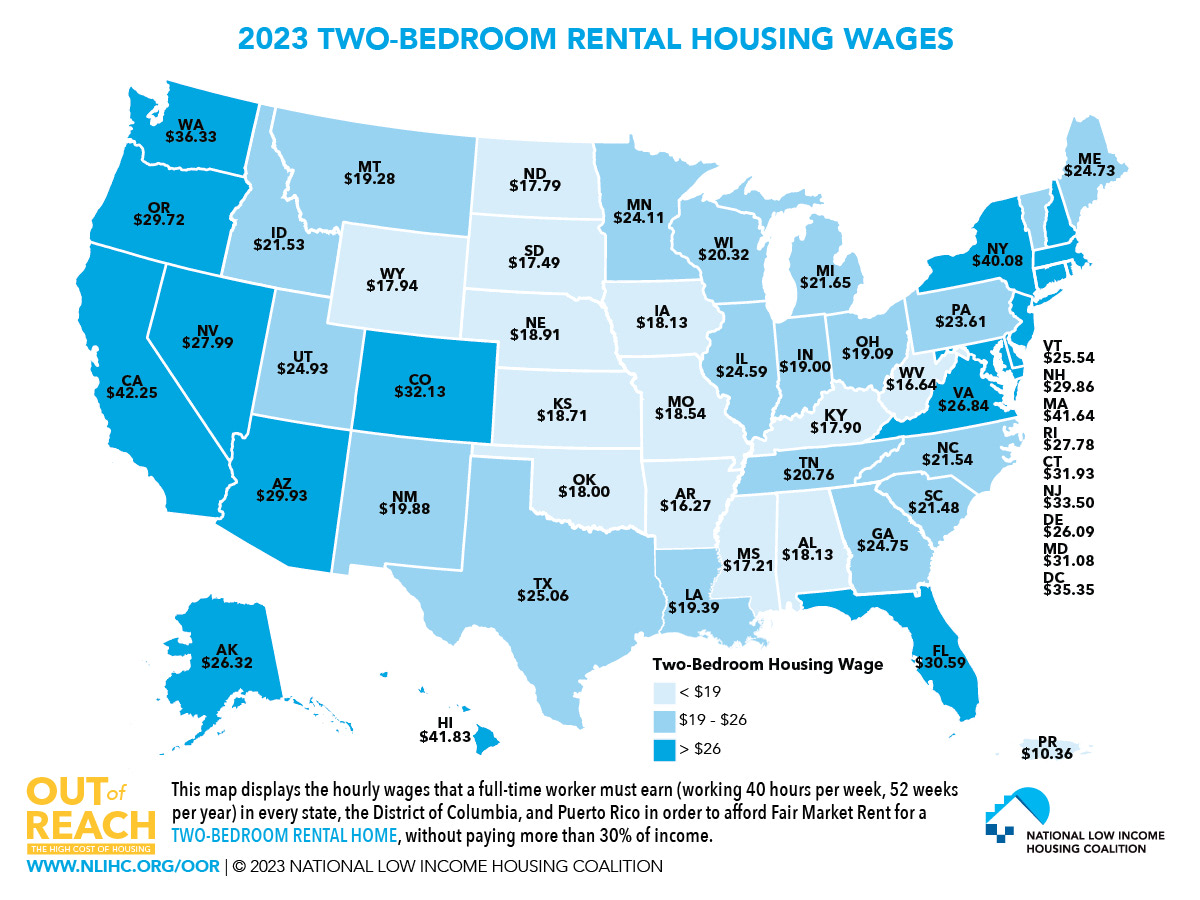
The actual dollar amount varies wildly based on geography. A "project" unit in New York City has a much higher flat rent than one in rural Mississippi, even though the income-based 30% rule remains the same for both locations.
| Factor | Income-Based Model | Flat Rent Model |
|---|---|---|
| Primary Driver | Household Income | Local Market Value |
| Rent Adjustment | Changes with income shifts | Remains stable for one year |
| Minimum Payment | Usually $25–$50 | Varies by PHA (e.g., $800–$1,500) |
| Maximum Payment | No ceiling (unless flat rent is chosen) | Capped at the flat rent rate |
| Best For | Low/Variable income earners | High earners/Stable income |
Utility Allowances and Their Impact on Rent
In many public housing developments, the "rent" you pay to the PHA includes utilities like water, heat, and electricity. However, in some "projects," residents are responsible for their own utility bills.
When residents pay their own utilities, the PHA provides a Utility Allowance. This is an estimate of how much a typical, energy-conservative household will spend on utilities. This allowance is subtracted from the Total Tenant Payment.
- Example: If your calculated 30% rent is $400, but your utility allowance is $100, you pay $300 to the landlord (the PHA), and the remaining $100 is "kept" by you to pay the utility company.
- Utility Reimbursements: If your utility allowance is higher than your total rent (common for those with zero income), the PHA may actually issue you a "utility reimbursement check" to help you pay the utility provider.
Eligibility and Asset Limits in 2026
To live in public housing and benefit from these rent structures, you must meet specific eligibility requirements. In 2026, these are more strictly enforced due to updated federal oversight.
- Income Limits: Your total household income must be "Low-Income" (80% of the Area Median Income) or "Very Low-Income" (50% of the Area Median Income). Most available units are reserved for "Extremely Low-Income" households (30% of the Area Median Income).
- Asset Caps: Under HOTMA, households with net family assets exceeding $100,000 (adjusted for inflation) are generally ineligible for public housing. This prevents the program from being used by those who have significant wealth but low monthly cash flow.
- Family Status and Citizenship: You must qualify as a "family" (which can be a single person) and have eligible immigration status.
The Recertification Process: Keeping Rent Accurate
Rent in the projects is not a "set it and forget it" figure. To ensure residents are paying the correct amount, PHAs require Annual Recertification.
During this process, the PHA verifies your income, assets, and family composition. You are required to provide pay stubs, tax returns, and bank statements. If you fail to complete this process, the PHA can raise your rent to the maximum market rate or initiate eviction proceedings.
Interim Recertifications: If your income changes significantly between annual reviews—such as losing a job or gaining a new household member—you must report it to the PHA within a specific timeframe (usually 10 to 30 days). The PHA will then perform an interim recertification to adjust your rent downward, ensuring you do not fall into arrears during a financial crisis.
Common Misconceptions About Rent in the Projects
One common myth is that rent in the projects is "free." This is almost never the case. While the rent is highly subsidized, the federal government requires PHAs to charge a minimum rent to encourage financial responsibility and cover basic administrative costs.
Another misconception is that you can be evicted immediately if your income goes up. While there are "over-income" limits, the process for transitioning out of public housing is usually gradual. Under current 2026 regulations, if a family’s income stays above the "over-income limit" for 24 consecutive months, the PHA must either terminate their tenancy or charge them a higher, non-subsidized rent.
Summary of Potential Monthly Costs
While individual scenarios vary, a typical breakdown for a single-parent household earning $20,000 annually in 2026 might look like this:
- Gross Annual Income: $20,000
- Adjusted Income (after deductions for one child): ~$19,500
- Monthly Adjusted Income: ~$1,625
- Rent (30% of Monthly Adjusted): $487.50 per month
In contrast, if that same family lived in a city where the "Flat Rent" for a 2-bedroom apartment was $1,200, they would clearly benefit from staying on the income-based model. However, if their income rose to $60,000, 30% would be $1,500, making the $1,200 Flat Rent the more economical choice.
Frequently Asked Questions
What is the absolute lowest rent I might pay?
The absolute lowest rent is the "Minimum Rent" set by your local PHA, which is usually between $25 and $50. However, if you have zero income, you can apply for a Hardship Exemption. If granted, your rent could temporarily be reduced to $0 until you secure a new source of income or benefits.
Can the PHA increase my rent if I get a small bonus at work?
Generally, small, one-time bonuses or temporary increases in income do not immediately trigger a rent hike unless they represent a permanent change in your earning power. However, you are legally required to report all income changes. The PHA will determine if the change is significant enough to warrant an interim recertification.
Is rent in "the projects" the same as Section 8?
No. While both use the 30% income rule, they are different programs. In "the projects" (Public Housing), you live in a building owned and managed by the government (the PHA). In Section 8 (Housing Choice Vouchers), you find a private landlord who accepts the voucher, and the government pays a portion of your rent to that private landlord.
What happens if I can't pay my 30%?
Failure to pay rent in public housing is grounds for eviction, just like in the private market. However, because PHAs are government-funded, they often have more robust grievance procedures. If you cannot pay, you should immediately request a financial hardship review or an interim recertification to see if your rent can be lowered.
Does my rent include repairs and maintenance?
Yes. One of the advantages of public housing is that the PHA is responsible for all structural repairs, plumbing, electrical work, and general maintenance. You do not pay extra for these services unless the damage was caused by negligence or intentional misuse by a member of your household.
Next Steps for Prospective or Current Residents
If you are looking to calculate your specific rent or apply for housing, your first step should be to contact your local Public Housing Agency (PHA). You can find a directory of these agencies on the official HUD website.
For current residents, always keep meticulous records of your income and expenses. If your financial situation changes, do not wait for your annual review—notify your caseworker immediately to ensure your rent remains at a level you can afford.
Image Gallery