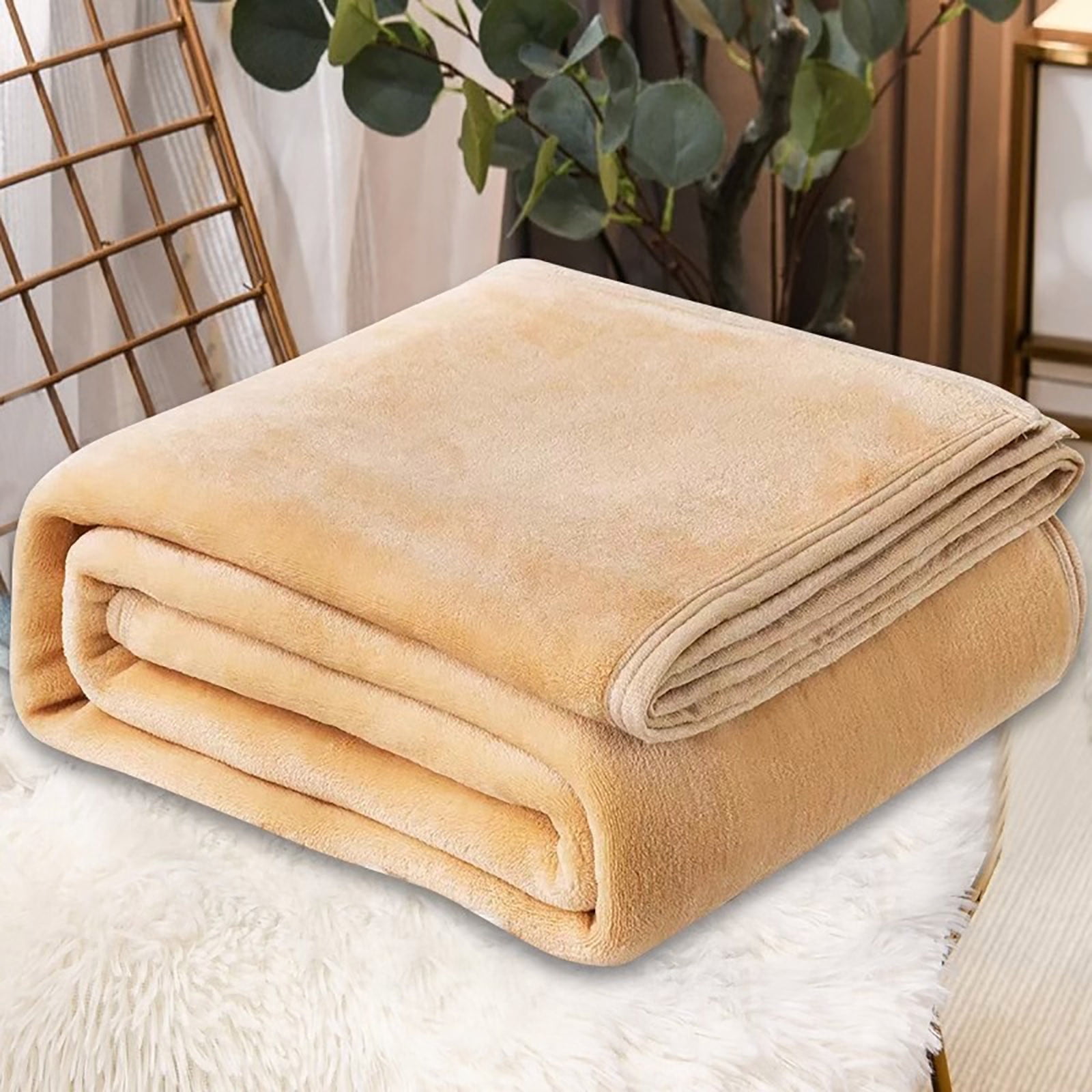
The World's Softest Blanket: Ultimate Guide to Extreme Comfort, Materials, and Care
The title of the world’s softest blanket belongs to two distinct categories: vicuña wool for natural luxury fibers, and high-pile microfiber or minky plush knit for synthetic textiles. While natural vicuña offers an unprecedented 12-mi...
The title of the world’s softest blanket belongs to two distinct categories: vicuña wool for natural luxury fibers, and high-pile microfiber or minky plush knit for synthetic textiles. While natural vicuña offers an unprecedented 12-micron fineness, consumer retail favorites like microfiber fleece and microfiber plush provide accessible, machine-washable cloud-like softness.
Contents
The Science of Softness: What Makes a Blanket Exceptionally Soft?
Understanding tactile softness requires looking beyond marketing claims and analyzing fiber physics, yarn construction, and fabric finishing techniques. Human skin perceives softness through tactile mechanoreceptors that register surface friction, fiber flexibility, and thermal conductivity.
Micron Count and Fiber Fineness
The single most significant determinant of softness in natural fibers is the micron rating—the diameter of an individual fiber measured in micrometers ($\mu\text{m}$). One micron equals one-millionth of a meter.
- Vicuña: 12 to 13 microns
- Grade-A Cashmere: 14 to 15.5 microns
- Royal Alpaca: 18 to 19.5 microns
- Fine Merino Wool: 18.5 to 21 microns
- Human Hair: 50 to 100 microns
Fibers under 20 microns bend easily when contacting human skin, preventing the prickle sensation caused by stiffer, thicker fibers pushing against nerve endings. When a fiber is fine enough, it buckles under minimal pressure, creating the sensation of extreme smoothness.
Filament Fineness in Synthetics: Denier Ratings
In synthetic textiles like polyester and microfiber, softness is measured in denier, which represents the mass in grams per 9,000 meters of strand. Standard polyester fibers typically measure 1.5 to 3 denier. However, ultra-soft microfibers—often used in plush throw blankets—measure less than 1.0 denier, with micro-denier plush falling below 0.5 denier.
By spinning synthetic polymers into tens of thousands of microscopic filaments per square inch, textile manufacturers create dense pile structures that trap air and create an velvet-like hand feel.
Fabric Construction: Woven vs. Knit
How fibers are turned into fabric dictates how a blanket drapes and responds to touch:
- Knitted Textiles: Plush knitted blankets (such as microfiber chenille or brushed micro-fleece) offer multi-directional stretch and fluidity. Knits conform closely to the contours of the body, maximizing skin contact and perceived warmth.
- Woven Textiles: High-end wools and cashmeres are typically woven. While less stretchy than knits, woven fabrics rely on long-staple fibers, soft brushed finishes (napping), and open weaves to produce lightweight, breathable softness.
Natural Luxury Contenders: Rare and High-End Fibers
For readers seeking natural materials, ultra-luxury blankets rely on rare animal fibers harvested using traditional, sustainable methods.
Fiber Fineness Comparison (Lower Micron = Softer Feel)
| Material | Fineness |
|---|---|
| Vicuña Wool | 12-13 µm |
| Grade-A Cashmere | 14-15.5 µm |
| Micro-Denier Poly | ~15 µm equivalent |
| Royal Alpaca | 18-19.5 µm |
| Fine Merino Wool | 18.5-21 µm |
1. Vicuña Wool: The Pinnacle of Natural Softness
Originating from the wild South American camelid native to the high Andes, vicuña wool is widely considered the softest, rarest, and most expensive natural fiber in the world.
- Tactile Profile: Vicuña fibers average 12 to 13 microns in diameter. The fiber features micro-scale serrations that lock together during processing, trapping micro-pockets of air to deliver exceptional insulation without weight.
- Rarity and Sourcing: Vicuñas are a protected species under CITES (Convention on International Trade in Endangered Species). They cannot be domesticated and are caught, shorn, and released back into the wild once every two to three years through community-managed harvests (chaccu).
- Price Point: Authentic 100% vicuña blankets typically cost between $4,000 and $15,000, making them an exclusive luxury investment.
2. Grade-A Cashmere
Cashmere comes from the soft undercoat of Cashmere goats (Capra hircus laniger), primarily raised in Mongolia, Inner Mongolia, and parts of Central Asia.
- Grade Distinction: Grade-A cashmere consists of raw fibers measuring 14 to 15.5 microns in width and over 34 millimeters in length. Lower grades (B and C) utilize shorter, thicker fibers (up to 30 microns), which pill quickly and feel noticeably coarser.
- Tactile Profile: Cashmere provides a light, buttery feel with balanced breathability. Unlike synthetics, high-grade cashmere adjusts to body temperature, preventing overheating while maintaining a soft, delicate drape.
3. Royal Alpaca and Baby Alpaca
Hailing from Peru and Bolivia, alpaca fiber is naturally hypoallergenic because it lacks lanolin—the natural oil found in sheep's wool that often causes irritation or allergies.
- Baby Alpaca: Refers to the fine fleece harvested from the first shearing of an adult alpaca (around 20 to 22 microns).
- Royal Alpaca: Represents the top 1% of alpaca fiber selection, featuring micron counts between 18 and 19.5 microns.
- Tactile Profile: Alpaca possesses a silky, smooth texture with structural hollow cores that make it surprisingly light relative to its warmth.
Synthetic Champions: Microfiber, Plush, and Faux Fur
While natural fibers hold prestigious historical titles, advanced synthetic engineering produces some of the softest, most durable, and practical blankets available today at accessible prices.
1. High-GSM Microfiber Fleece (Serasoft and Microplush)
Microfiber fleece is engineered by tightly weaving ultrafine polyester threads and mechanically brushing the surface to raise a high-density pile.
- Grams Per Square Meter (GSM): GSM measures fabric weight and density. Standard fleeces range from 180 to 220 GSM. Ultra-soft plush blankets use weights between 300 and 600 GSM. Higher GSM yields a thicker, denser cushion of softness.
- Performance: High-GSM micro-flannel and plush fleece fabrics resist shedding, provide deep plush warmth, and maintain soft textures through hundreds of home laundry cycles when cared for properly.
2. Minky Fabric (Polyester Micro-Strand Knit)
Minky fabric is a 100% polyester knit material originally developed for baby blankets and specialized sensory toys due to its extreme hand-softness.
- Texture Profiles: Minky comes in smooth, dimpled (raised dots), or faux-ruched varieties. It features a longer pile than standard fleece, giving it a dense, velvety feel.
- Sensory Benefits: Due to its gentle surface texture, minky is frequently recommended for neurodivergent individuals or anyone with tactile sensitivities.
3. Luxury Faux Fur (Acrylic and Modacrylic Blends)
Modern high-end faux fur replicates the rich texture of natural animal pelts without using animal products. Brands use precise blends of acrylic, modacrylic, and polyester to match both the fine undercoat and longer guard hairs of natural fur.
- Construction: The base backing is typically a stretchy polyester knit, while the surface filaments are tapered using hot-knife shearing to create a silky, natural tip.
- Hand Feel: Faux fur delivers a heavy, dense, luxury weight combined with a cool-to-the-touch initial feel that warms quickly against body heat.
Comparison: The Softest Blanket Materials Evaluated
| Material Type | Primary Fiber Source | Micron / Denier Rating | Typical GSM / Weight | Care Requirements | Price Range (USD) | Best Suited For |
|---|---|---|---|---|---|---|
| Vicuña Wool | Wild Vicuña Undercoat | 12 – 13 $\mu\text{m}$ | 300 – 450 GSM | Professional dry clean only | $4,000 – $15,000+ | Luxury collectors, extreme warmth without weight |
| Grade-A Cashmere | Cashmere Goat Undercoat | 14 – 15.5 $\mu\text{m}$ | 250 – 400 GSM | Dry clean or delicate hand wash | $300 – $1,200 | Breathable elegance, sensitive skin, year-round comfort |
| Royal Alpaca | Select Alpaca Fleece | 18 – 19.5 $\mu\text{m}$ | 300 – 500 GSM | Dry clean or cold hand wash | $150 – $450 | Lanolin-free allergy sufferers, silky drape |
| High-GSM Microplush | 100% Polyester Microfiber | < 0.5 Denier | 350 – 600 GSM | Machine wash cold, tumble dry low | $30 – $90 | Everyday use, families, high durability, budget comfort |
| Minky Plush Knit | 100% Ultra-Fine Polyester | < 0.3 Denier | 400 – 700 GSM | Machine wash cold, air dry only | $60 – $200 | Sensory sensitivity, maximum plushness, weighted throws |
| Premium Faux Fur | Acrylic / Modacrylic / Poly | Variable (Tapered) | 600 – 1,200 GSM | Dry clean or delicate wash, line dry | $80 – $350 | Deep tactile weight, living room accent, luxury warmth |
Key Factors When Choosing Your Ideal Soft Blanket
Selecting the right blanket requires balancing raw softness against practical factors like heat regulation, washability, and weight.
1. Thermal Regulation and Breathability
- Hot Sleepers: Natural cashmeres, light alpaca weaves, or lower-GSM organic cotton knits provide surface softness while allowing excess body heat and vapor to escape.
- Cold Sleepers: High-GSM synthetic fleeces, double-layered minky, and faux furs trap heat aggressively by creating air pockets within their long pile fibers.
2. Tactile and Sensory Preferences
Sensory processing preferences vary widely between individuals:
- Silky & Fluid: Look for high-ply silk-cashmere blends or finely sheared modal/bamboo viscose knits.
- Deep Plush & Fluffy: Select long-pile faux furs or high-denier minky knits with double-sided pile.
- Smooth & Velvety: Select high-density microfiber fleece or napped cashmere flannels.
3. Maintenance and Durability
If easy care is a priority, synthetic microfibers are the most practical choice. They endure regular machine washing and resist shrinking. Conversely, natural luxury fibers (vicuña, cashmere, alpaca) require precise washing schedules, low temperatures, specialized detergent, or professional dry cleaning to prevent felting and shrinkage.
How to Wash and Maintain Blanket Softness
Even the softest blanket can become stiff, matted, or rough if laundered incorrectly. Following proper care steps preserves the structural integrity of ultra-fine fibers.
Standard Laundering Workflow for Soft Textiles
- Cold Water Gentle Cycle
- Gentle Liquid Detergent Only
- Skip Fabric Softener/Bleach
- Low Heat or Air Dry Line
Step-by-Step Care Guide for Synthetics (Microfiber, Minky, Faux Fur)
- Pre-Treat and Isolate: Wash the blanket separately to prevent friction against rougher fabrics like denim or canvas. Turn fuzzy microfibers inside out when possible.
- Select the Right Temperature: Always use cold water (below 80°F / 27°C). Heat degrades synthetic polyester filaments, causing micro-melting that permanently distorts fine fibers into hard, scratchy tips.
- Use Neutral Liquid Detergent: Add a mild liquid detergent free from optical brighteners, bleach, or harsh enzymes. Avoid powdered detergents, which can leave abrasive residue within dense piles.
- Never Use Commercial Fabric Softeners: Liquid fabric softeners and dryer sheets coat fibers with a silicone wax layer. Over time, this coating builds up, matting the pile and destroying breathability and plushness.
- Drying Protocol: Line drying or flat drying is safest for long pile fabrics. If using a machine dryer, choose the Air Fluff or No Heat setting. For low-heat settings, remove the blanket while it is still slightly damp to avoid thermal fiber damage.
Care Protocol for Natural Luxury Fibers (Cashmere, Alpaca)
- Hand Wash Gently: Fill a clean basin with lukewarm water (approx. 70°F / 21°C) and add a specialized wool/cashmere wash or mild baby shampoo.
- Submerge and Soak: Gently press the fabric into the water. Allow it to soak for 10 to 15 minutes. Never twist, wring, or scrub the fabric, as this causes natural wool scales to interlock and felt.
- Rinse and Extract Water: Drain the soapy water and rinse thoroughly with clean cold water. Roll the blanket inside a clean white towel and press gently to absorb excess moisture.
- Dry Flat: Lay the blanket flat on a drying rack away from direct heat sources and direct sunlight. Reshape it gently while damp.
Common Mistakes That Ruin Blanket Softness
Avoiding key laundry and maintenance mistakes will extend the lifespan and hand-feel of your throw:
- Using Fabric Softeners: Silicone compounds coat fine strands, matting synthetic fibers and making natural wools heavy and greasy.
- Exposing Synthetics to Excessive Heat: High drying temperatures warp micro-polyester ends, causing a scratchy texture that cannot be reversed.
- Overwashing: Washing natural luxury blankets too often removes natural moisture, causing fiber fatigue. Limit washings by airing natural fibers out in fresh shade.
- Hanging Heavy Damp Blankets to Dry: Wet wool and alpaca can stretch under their own weight. Always dry natural fiber blankets flat to prevent misshapen edges.
Frequently Asked Questions
What is the softest natural blanket material in the world?
Vicuña wool holds the world record for natural softness. At 12 to 13 microns in fiber diameter, it is significantly finer than cashmere. Vicuña offers unmatched tactile smoothness and thermal efficiency, though its extreme rarity makes it a luxury item costing several thousand dollars.
Is microfiber softer than cashmere?
Microfiber can feel softer initially because micro-denier strands can be engineered extremely thin (under 0.5 denier). However, high-grade cashmere offers a richer, more breathable warmth that adjusts to body temperature without overheating or trapping static moisture.
Why do plush microfleece blankets get scratchy after washing?
Plush microfleece becomes scratchy primarily due to heat exposure and fabric softener buildup. Excessive dryer heat melts the microscopic tips of polyester fibers, curling them into stiff plastic beads. Liquid fabric softeners deposit a sticky film that traps dirt and causes fibers to clump together.
Are expensive luxury blankets suitable for households with pets?
Ultra-fine natural fibers like cashmere and vicuña are delicate and prone to snagging from pet claws. For homes with pets or young children, high-GSM polyester microplush or heavy-duty minky knits offer superior scratch resistance, spot cleaning ease, and machine washability.
Does blanket GSM affect overall softness?
GSM (grams per square meter) measures fabric density and weight, not individual fiber softness. However, a higher GSM (such as 400 to 600 GSM in plush microfleece) allows fibers to pack tightly together, creating a deeper, more cushioned pile that feels softer and more luxurious against the skin than low-GSM alternatives.
Summary and Final Guidance
Finding the world's softest blanket comes down to your priorities around budget, care expectations, and material preferences:
- For Uncompromised Natural Luxury: Invest in 100% Vicuña or Grade-A Mongolian Cashmere. These provide featherlight breathability, elegant drape, and exquisite natural fineness.
- For Maximum Plush Value: Choose a High-GSM Microfiber Plush or Minky Knit Blanket (400–600 GSM). Synthetics deliver lush warmth, easy home laundering, and reliable durability at an accessible price.
- For Sensitive Skin and Allergies: Select Royal Alpaca for a natural, lanolin-free feel, or high-density, OEKO-TEX-certified microfiber for hypoallergenic protection.
To preserve your investment, wash synthetic plush in cold water without fabric softeners and dry using low or no heat settings. Hand-wash or dry-clean natural fibers to maintain their softness for years to come.
Image Gallery