How Much Is a Ted Williams Autographed Baseball Worth?
As of 2026, a Ted Williams autographed baseball typically ranges in value from $400 to $800 for a standard, authenticated single-signed ball in good condition. Exceptional specimens with high-grade signatures on Official American Leagu...
As of 2026, a Ted Williams autographed baseball typically ranges in value from $400 to $800 for a standard, authenticated single-signed ball in good condition. Exceptional specimens with high-grade signatures on Official American League baseballs can exceed $1,500, while multi-signed balls or those with significant fading may sell for under $250.
Contents
Ted Williams, often called "The Splendid Splinter," remains one of the most iconic figures in Major League Baseball history. Because he was a prolific signer throughout his life—particularly through his son’s company, Green Diamond Sports—the market is well-supplied. However, the premium placed on authentication and the physical state of the leather and ink creates a wide pricing spectrum. To determine the exact value of a specific Ted Williams baseball, one must look closely at the interplay of condition, ball type, and the "pedigree" of the authentication.
Key Factors Influencing the Value of a Ted Williams Signature
The value of sports memorabilia is rarely fixed. For a high-commodity item like a Ted Williams signature, several technical variables dictate whether a ball sits at the bottom or the top of the price range.
The "Sweet Spot" Placement
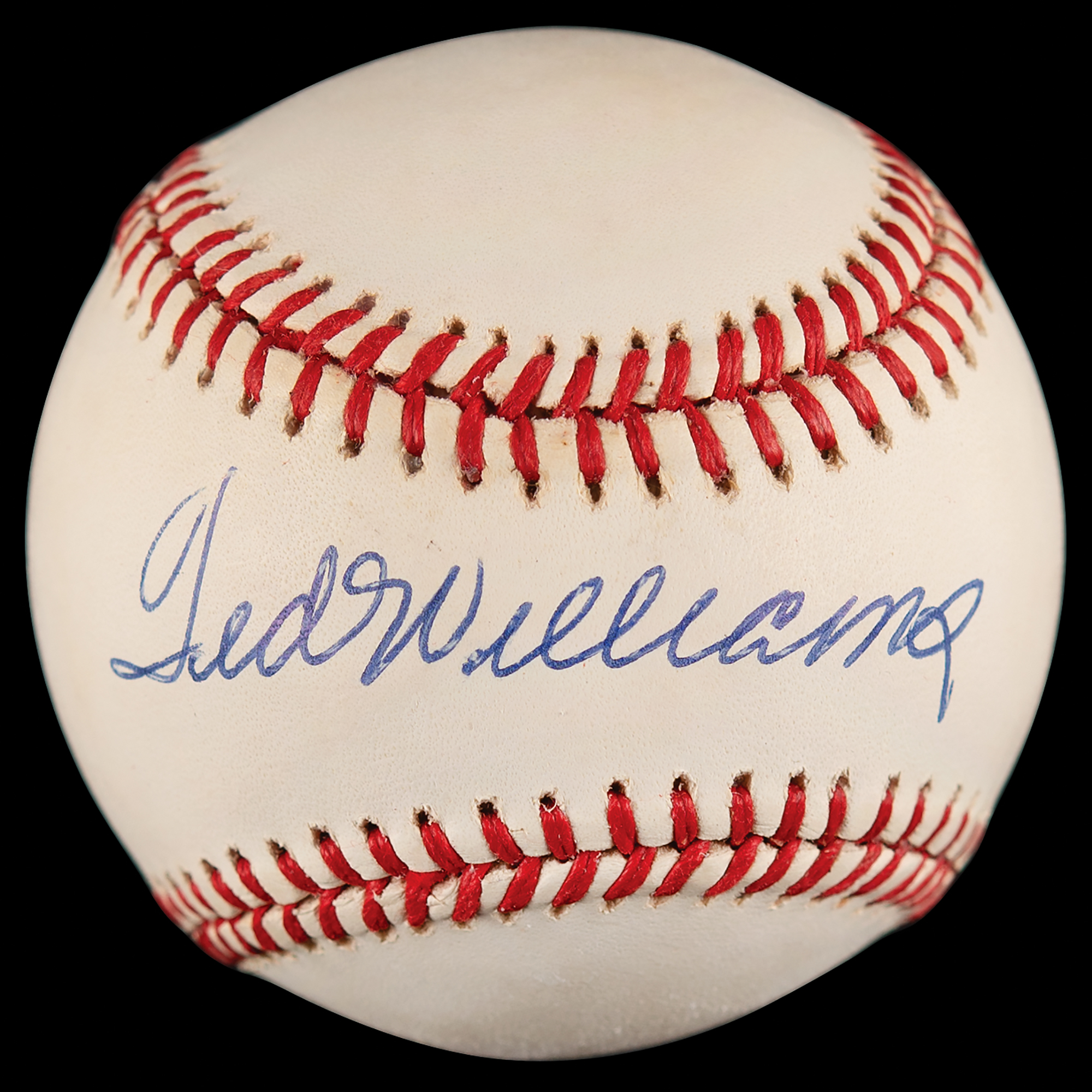
In the world of baseball collecting, placement is paramount. A "single-signed" ball features the signature on the sweet spot—the narrowest area between the seams where they come closest together. A Ted Williams signature on the sweet spot is the gold standard. If his signature is located on a side panel, or if the ball contains other signatures (multi-signed), the value of Williams' individual autograph often drops, as it is no longer considered a premier display piece for a dedicated Ted Williams collector.
Signature Grade and Ink Type
Collectors use a scale of 1 to 10 to grade signatures. A "10" is a bold, dark, and complete signature with no skips or fading. Ted Williams usually signed in blue ink, which tends to hold up better over decades than black ink, which can sometimes turn green or "halo" (bleed into the leather).
- Grade 9-10: Dark, vibrant blue ink. Worth a 30-50% premium.
- Grade 5-6: Visible fading or "feathering" where the ink has spread into the hide. These balls usually struggle to break the $400 mark.
The Condition of the Baseball (The "Hide")
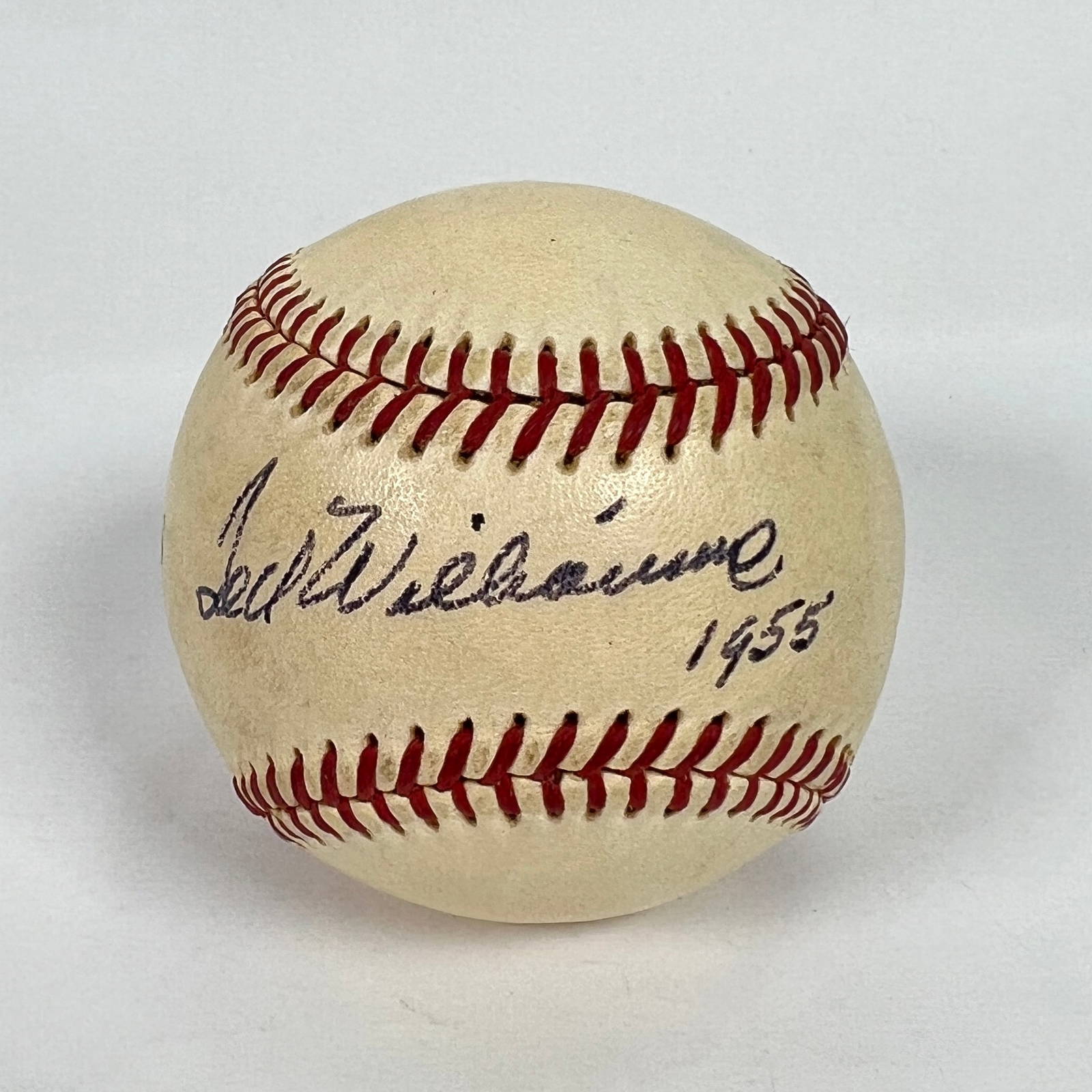
The physical ball acts as the canvas. A bright white baseball with crisp stamps (Official American League or Major League Baseball) is worth significantly more than a "toned" ball. Toning refers to the natural yellowing or browning of the leather over time due to UV exposure or oils from skin contact. A heavily yellowed ball, even with a perfect signature, will see a diminished valuation because it lacks "eye appeal."
Current Market Pricing (2026 Estimates)
The market for Ted Williams memorabilia has remained remarkably stable over the last decade. Unlike modern players whose values fluctuate with every season, Williams is a "blue chip" Hall of Famer. As we move through 2026, inflation and the aging of the available supply continue to push prices slightly upward for high-grade items.
| Ball Description | Authentication Level | Estimated Value (2026) |
|---|---|---|
| Low Grade (Faded signature, yellowed ball) | No Certification / "Raw" | $150 – $250 |
| Standard (Average signature, some toning) | JSA / PSA / Beckett | $400 – $550 |
| High Grade (White ball, bold signature) | PSA/DNA Graded 8+ | $750 – $1,200 |
| Premium (OAL Ball, Mint Condition) | Dual Grade (Auto/Ball) | $1,500 – $2,500+ |
| Historic (Game-used or Inscribed) | Provenance Required | $5,000+ |
The Critical Role of Authentication
In 2026, an unauthenticated Ted Williams baseball is functionally impossible to sell for full market value. Because Williams is one of the most forged athletes in history, buyers demand "The Big Three" of authentication: PSA/DNA, James Spence Authentication (JSA), or Beckett Authentication Services (BAS).
PSA/DNA Grading
Professional Sports Authenticator (PSA) provides a service that not only verifies the signature is real but also assigns a numerical grade. A ball that is "Dual Graded"—meaning they grade the condition of the ball and the signature separately—carries the highest level of trust in the hobby. If you have a ball that looks "perfect," paying the fee to have it graded by PSA can increase the value by several hundred dollars.
Green Diamond Sports Holograms
Ted Williams had a unique relationship with the memorabilia industry. In his later years, his signings were managed by Green Diamond Sports, an organization run by his son, John Henry Williams. Many Ted Williams balls carry a "Green Diamond" hologram. While this is a very strong indicator of authenticity, most high-end collectors in 2026 still prefer a secondary authentication from JSA or PSA to confirm the hologram's validity and the ball's current state.
Understanding Ball Types: OAL vs. Commemorative
Not all baseballs are created equal. The type of ball Williams signed significantly impacts the final price.
- Official American League (OAL) Baseballs: During Williams' career and long after, the American League used its own specific balls (signed by league presidents like Bobby Brown or Gene Budig). Collectors prefer these because Williams played his entire career in the American League with the Boston Red Sox.
- Official Major League (OML) Baseballs: In 2000, MLB consolidated the balls into one "Major League" version. While still valuable, these are seen as "later-life" signatures.
- Commemorative Baseballs: Balls featuring 500 Home Run Club logos, All-Star Game logos, or Hall of Fame logos. These are popular for display but sometimes sell for slightly less than a "clean" OAL ball unless the collector specifically wants the commemorative theme.
- Synthetic/Non-Official Balls: Avoid these. Baseballs made of synthetic leather (often found at big-box retail stores) do not hold ink well. The chemicals in the synthetic hide cause the signature to fade rapidly. A Williams signature on a "China" or "Synthetic" ball rarely exceeds $200.
Comparing Ted Williams to Other 500 Home Run Club Members
To understand why a Williams ball is priced the way it is, it helps to compare him to his peers. Within the "500 Home Run Club," Williams sits in a middle-to-high tier of value.
- Mickey Mantle: Generally more expensive than Williams ($800 - $1,500+) due to the massive "Yankees Tax" and a slightly higher demand from casual fans.
- Joe DiMaggio: Often higher than Williams ($600 - $1,000) because he signed less frequently toward the end of his life.
- Willie Mays: Historically similar to Williams, though since Mays' passing, his high-grade authenticated balls have seen a price surge.
- Hank Aaron: Generally slightly lower or equal to Williams ($350 - $600) due to a very high volume of signatures available in the market.
Williams is the "steady" investment. He is widely regarded as the greatest pure hitter who ever lived, ensuring that his legacy—and the value of his memorabilia—is unlikely to ever suffer a major decline.
How to Sell Your Ted Williams Autographed Baseball
If you are looking to liquidate a Ted Williams baseball in 2026, your path depends on your patience and the quality of the item.
Auction Houses
For high-grade specimens (total value over $1,000), specialized sports auction houses (such as Heritage, Goldin, or REA) are the best route. They handle the marketing to high-net-worth individuals, though they take a commission (usually 15-20%).
Peer-to-Peer Marketplaces
eBay remains the primary market for standard Ted Williams balls. If you sell here, you must include high-resolution photos of the authentication certificate and the hologram on the ball. Ensure you use "Signature Required" shipping, as these items are frequent targets for mail fraud.
Local Card Shops
Selling to a local hobby shop is the fastest way to get cash, but expect to receive only 50-60% of the market value. The shop owner must account for the time the item will sit in their inventory and their own profit margin.
Common Mistakes When Buying or Storing
Many people accidentally devalue their collectibles through poor handling or storage.
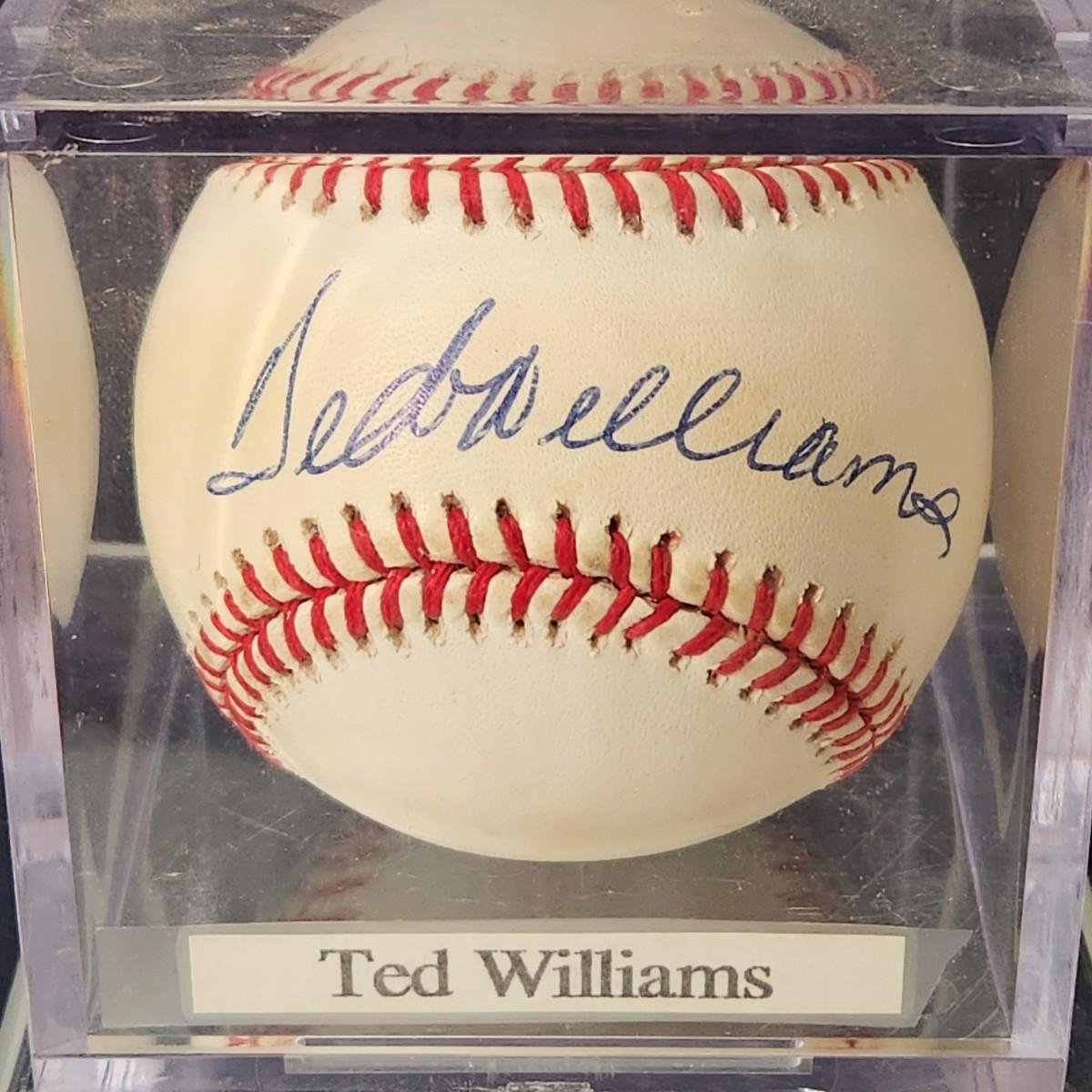
- UV Exposure: Never display an autographed baseball in direct sunlight or under heavy fluorescent lighting. UV rays will bleach the ink and yellow the ball in as little as six months. Use UV-protected glass cubes.
- Direct Handling: The oils in your skin can eventually cause "toning" spots on the leather. Handle the ball by the seams or wear clean cotton gloves.
- Storing in Plastic Bags: Do not store signed baseballs in airtight plastic bags. Leather needs to "breathe" slightly; trapping moisture can lead to mold or extreme yellowing. A proper acrylic display case is the only recommended storage method.
FAQ
Is a Ted Williams signature with a personalized inscription worth more?
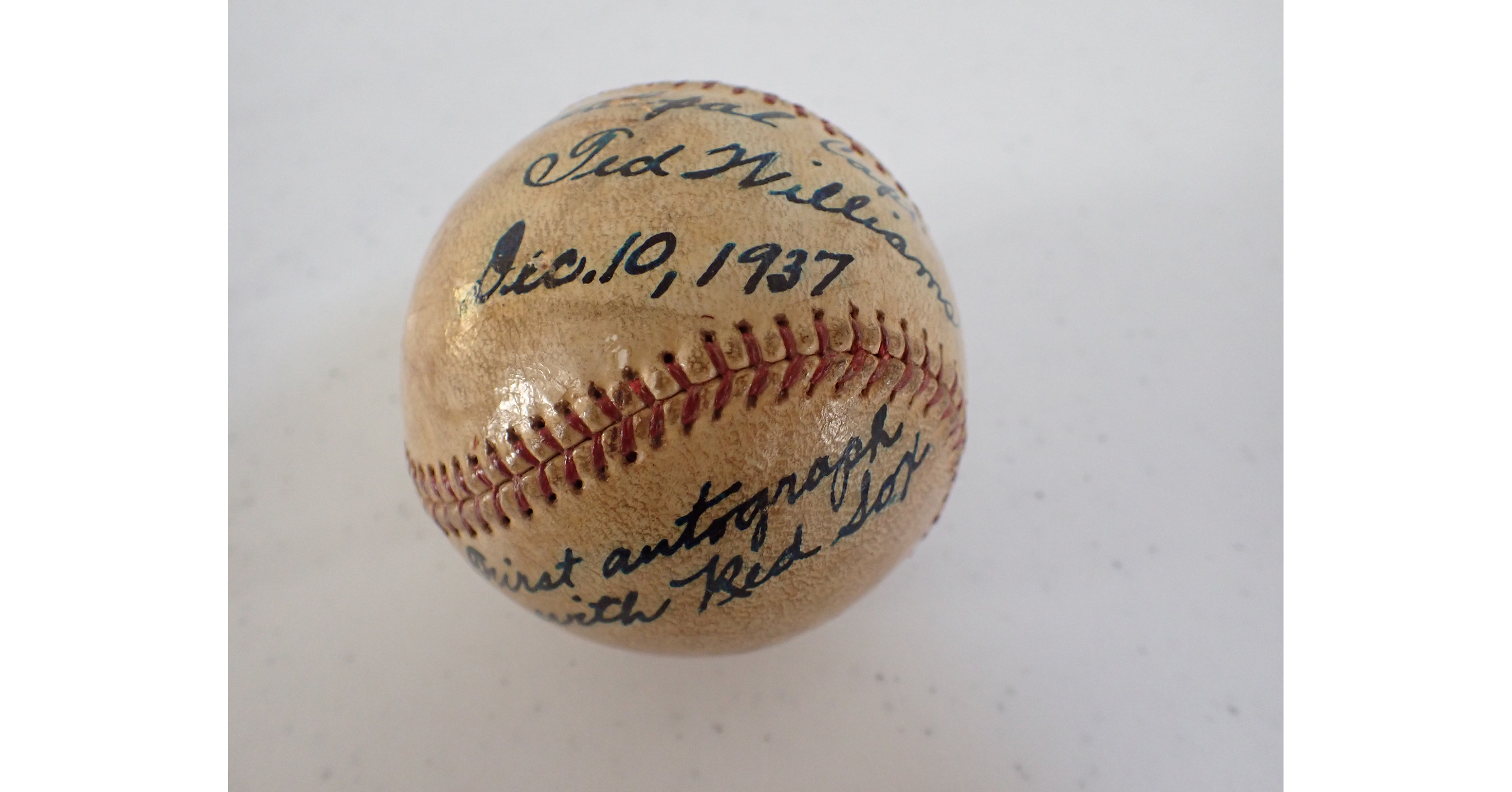
Generally, no. Inscriptions like "To Steve, Best Wishes" actually decrease the value for most collectors because the ball is no longer "pure." However, historic inscriptions like "1941 .406 AVG" or "1946 AL MVP" can significantly increase the value, often adding $200 to $500 to the price.
What if my ball has a Green Diamond hologram but no paper certificate?
The Green Diamond hologram is a respected mark, but in 2026, most buyers will still ask for a modern COA (Certificate of Authenticity). You should consider sending the ball to JSA or PSA for a "QuickOpinion" or full authentication to maximize the sale price.
Why is the "Sweet Spot" so important?
The sweet spot provides the best visual symmetry for display. When a ball is placed in a square acrylic cube, the signature on the sweet spot faces forward perfectly. Signatures on the side panels are harder to display and are viewed by the hobby as "lesser" examples.
How do I tell if a signature is a "stamp" or a real autograph?
A real autograph will have slight variations in ink density and will often "indent" the leather slightly if signed with a ballpoint pen. A stamp will look perfectly uniform and sit "flat" on the surface. Under a magnifying glass, a stamp may show a pixelated edge, whereas ink will show natural flow into the grain of the leather.
Does a "personalized" ball lose all value?
Not all. While it loses "collector" value, a personalized Ted Williams ball is still a genuine signature of a legend. It usually sells for about 40-50% less than a non-personalized version, making it a great "budget" entry point for a new collector.
Final Recommendation
If you are looking to buy or sell a Ted Williams autographed baseball in 2026, priority number one is a PSA/DNA or JSA authentication. If you own a ball that is currently "raw" (unauthenticated), the $50–$100 investment to have it certified is almost always recovered in the higher sale price. For collectors, aim for a single-signed Official American League ball with a blue ink signature on the sweet spot; this remains the most liquid and historically significant version of a Ted Williams collectible.
Image Gallery