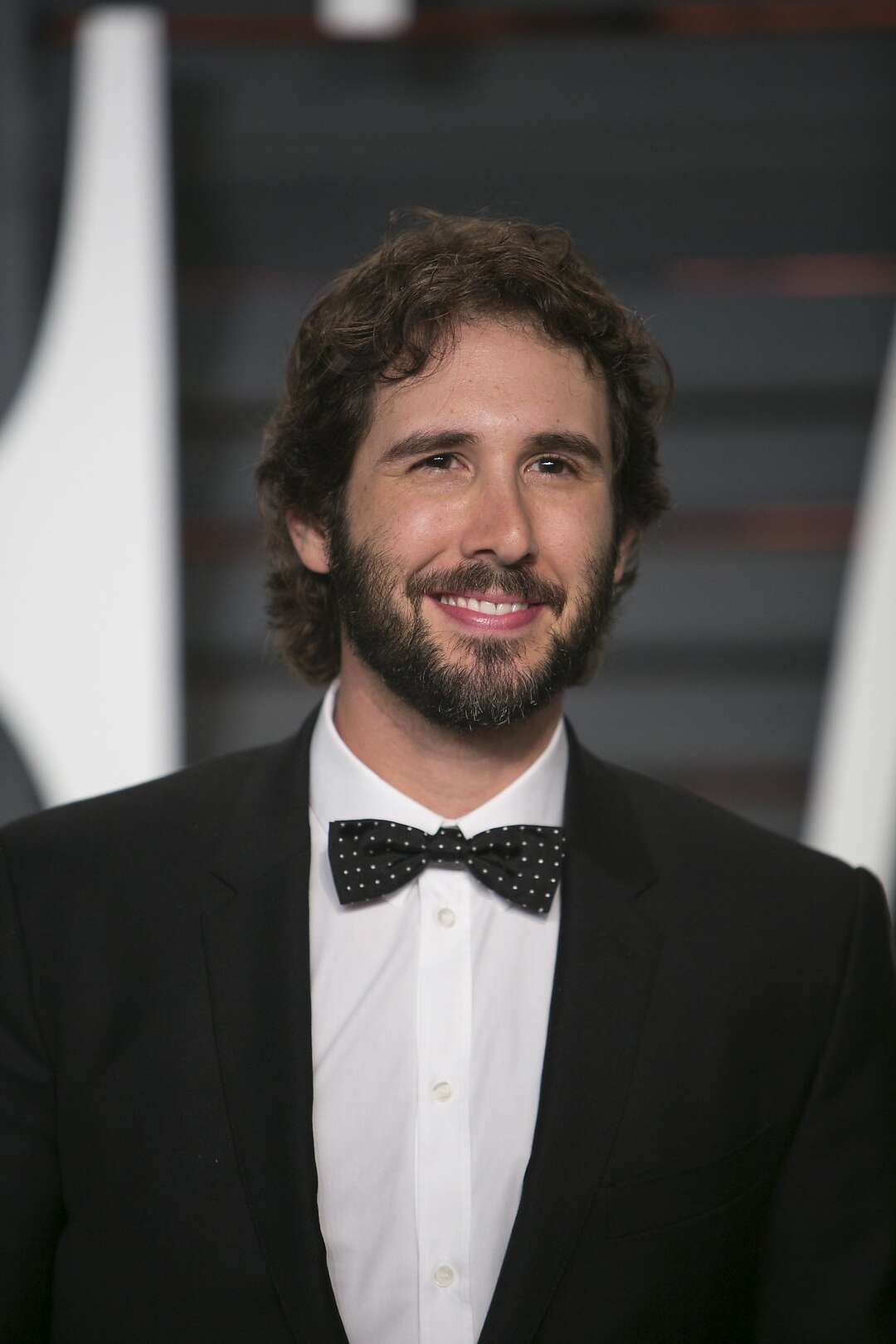
Josh Groban: Age, Career Milestones, and Artistic Evolution
As of 2026, Josh Groban is 45 years old. Born on February 27, 1981, he has spent over two decades establishing himself as a preeminent baritone, actor, and musical polymath. His career, which began with a chance discovery in the late 1...
As of 2026, Josh Groban is 45 years old. Born on February 27, 1981, he has spent over two decades establishing himself as a preeminent baritone, actor, and musical polymath. His career, which began with a chance discovery in the late 1990s, spans multi-platinum album sales, critically acclaimed Broadway performances, and a significant presence in television and film, marking him as one of the most versatile crossover artists of his generation.
Contents
Early Life and the Discovery That Defined a Career
Josh Groban’s path to international stardom began in Los Angeles, California. Raised in a musically appreciative environment, his formal education included studies at the Los Angeles County High School for the Arts. However, his professional trajectory was irrevocably altered at age 17. During a rehearsal for the 1999 Grammy Awards, Groban was asked to stand in for Andrea Bocelli during a duet rehearsal with Celine Dion.
This moment, facilitated by producer David Foster, provided the exposure necessary to vault a young, classically trained vocalist into the mainstream consciousness. While many artists of his era sought to navigate the shifting landscapes of pop music, Groban’s focus remained on the intersection of classical sensibilities and contemporary production. This foundational period established his reputation for vocal precision—a prerequisite for the complex, orchestral arrangements that would define his future discography.
A Chronology of Studio Milestones
The progression of Groban’s career is best understood through his commitment to studio excellence and his willingness to iterate on his sound. Since the release of his self-titled debut album in 2001, he has maintained a high standard of production that appeals to both traditional adult contemporary audiences and classical listeners.
The Rise of the Crossover Phenomenon
His debut, Josh Groban (2001), was a pivotal moment in the adult contemporary market, demonstrating that a classically trained voice could thrive on commercial radio. This was followed by Closer (2003), which solidified his status as a global performer. The shift toward more diverse thematic content occurred with Awake (2006) and Illuminations (2010), where he began to integrate more original songwriting, moving beyond the standard repertoire of covers that characterized his early work.
Diversification and Stylistic Shifts
Throughout the 2010s, Groban experimented with genre, notably in Stages (2015), an album dedicated to musical theater, and Bridges (2018). These projects reflected a mature artist secure enough to explore the nuances of performance art rather than adhering strictly to the pop-classical mold. His continued consistency in recording—balancing original compositions with evocative interpretations—has allowed him to sustain a career in an industry often defined by short-lived trends.
Summary of Major Career Milestones
The following table highlights the pivotal stages that have defined Groban’s professional development over the last twenty-five years.
| Era/Year | Milestone | Significance |
|---|---|---|
| 1999 | Grammy Rehearsal Stand-in | The catalyst for his professional discovery by David Foster. |
| 2001 | Debut Album Release | Established his signature sound in the classical-crossover genre. |
| 2007 | Noël Success | Became the best-selling album of the year, setting records for holiday music. |
| 2016 | Broadway Debut | Starred in Natasha, Pierre & The Great Comet of 1812, earning a Tony nomination. |
| 2020 | Harmony Album | Nominated for a Grammy, showcasing his continued relevance in modern music. |
| 2023 | Sweeney Todd Revival | Returned to Broadway in a leading role, proving his range as a dramatic actor. |
Broadway and the Transition to Acting
Beyond his recording career, Groban’s transition into Broadway theater in the mid-2010s marked a significant pivot in his public persona. His portrayal of Pierre Bezukhov in Natasha, Pierre & The Great Comet of 1812 was not merely a side project; it was a testament to his ability to anchor a complex, non-traditional musical production.
This move into theater requires a level of vocal and physical stamina distinct from the requirements of stadium tours or studio recording. By integrating his musical background with theatrical performance, Groban bridged the gap between the concert stage and the dramatic stage. His subsequent role in the 2023 revival of Sweeney Todd: The Demon Barber of Fleet Street further cemented his reputation as an actor who possesses the technical capability to lead demanding Broadway scores, expanding his target audience from concert-goers to dedicated theater enthusiasts.
The Evolution of the Professional Brand
In the current landscape of 2026, Groban’s brand is characterized by longevity and accessibility. Unlike many artists who rely on a specific image, his career has been built on a foundation of "crossover" appeal. He occupies a unique niche that bridges the gap between the opera house and the pop chart, a position that requires constant technical maintenance of his voice.
The logistical requirements of his career—orchestral coordination, international touring, and theatrical scheduling—necessitate a highly disciplined approach. Readers interested in his career should note that his success is largely due to this versatility. Whether through hosting television programs, performing on stage, or recording studio albums, his work remains anchored in the principle of vocal integrity.
Frequently Asked Questions
How has Josh Groban’s vocal style changed since the early 2000s? While his core baritone register remains, his style has evolved to incorporate more nuanced, contemporary phrasing. His early work was heavily focused on traditional classical-crossover arrangements, whereas his later output displays a greater comfort with folk-inflected and theatrical vocalizations, reflecting a deeper understanding of emotional delivery.
What was the impact of the Noël album on his career? Released in 2007, Noël became one of the most successful holiday albums of the 21st century. It effectively proved that his audience was not just interested in his standard studio work, but also valued his interpretation of seasonal music, cementing his status as a staple of the holiday music market.
Does Josh Groban still tour in 2026? Yes, Groban maintains an active performance schedule. His tours typically involve collaboration with local orchestras, a hallmark of his technical approach to live sound that ensures consistent audio fidelity regardless of the venue size.
What is the significance of his Broadway career? His Broadway work serves as a pivot from being a solo recording artist to an ensemble performer. It requires high-level character work and sustained live performance capabilities, which have provided him with critical acclaim outside of the pop music industry.
What defines his current artistic niche? He is categorized as a classical-crossover artist who has successfully transitioned into theatrical lead roles. His niche is defined by his ability to maintain high production values in both studio settings and live, unamplified or semi-amplified theater environments.
Recommendations for Further Exploration
For those looking to understand the breadth of his work, start with his early 2000s studio albums to appreciate his foundational vocal style. To understand his dramatic range, examine his performance in Natasha, Pierre & The Great Comet of 1812. His work demonstrates that sustained career success, even in the modern entertainment environment, is achievable through technical discipline and a willingness to explore adjacent artistic disciplines like musical theater.
Image Gallery