Navigating the San Diego Family Court Register of Actions in 2026
Navigating the San Diego Superior Court system requires a clear understanding of public case tracking, particularly when dealing with domestic relations, dissolutions, child custody, and support disputes. The San Diego Family Court Reg...
Navigating the San Diego Superior Court system requires a clear understanding of public case tracking, particularly when dealing with domestic relations, dissolutions, child custody, and support disputes. The San Diego Family Court Register of Actions serves as the official chronological history of filings, hearings, orders, and judgments entered in a specific legal proceeding. Whether you are a self-represented litigant, a legal professional, or an interested party tracking a domestic relations file, knowing how to access, interpret, and utilize this docket system is essential for managing litigation timelines and ensuring compliance with local court rules in 2026.
Contents
Understanding the San Diego Superior Court Family Law Division
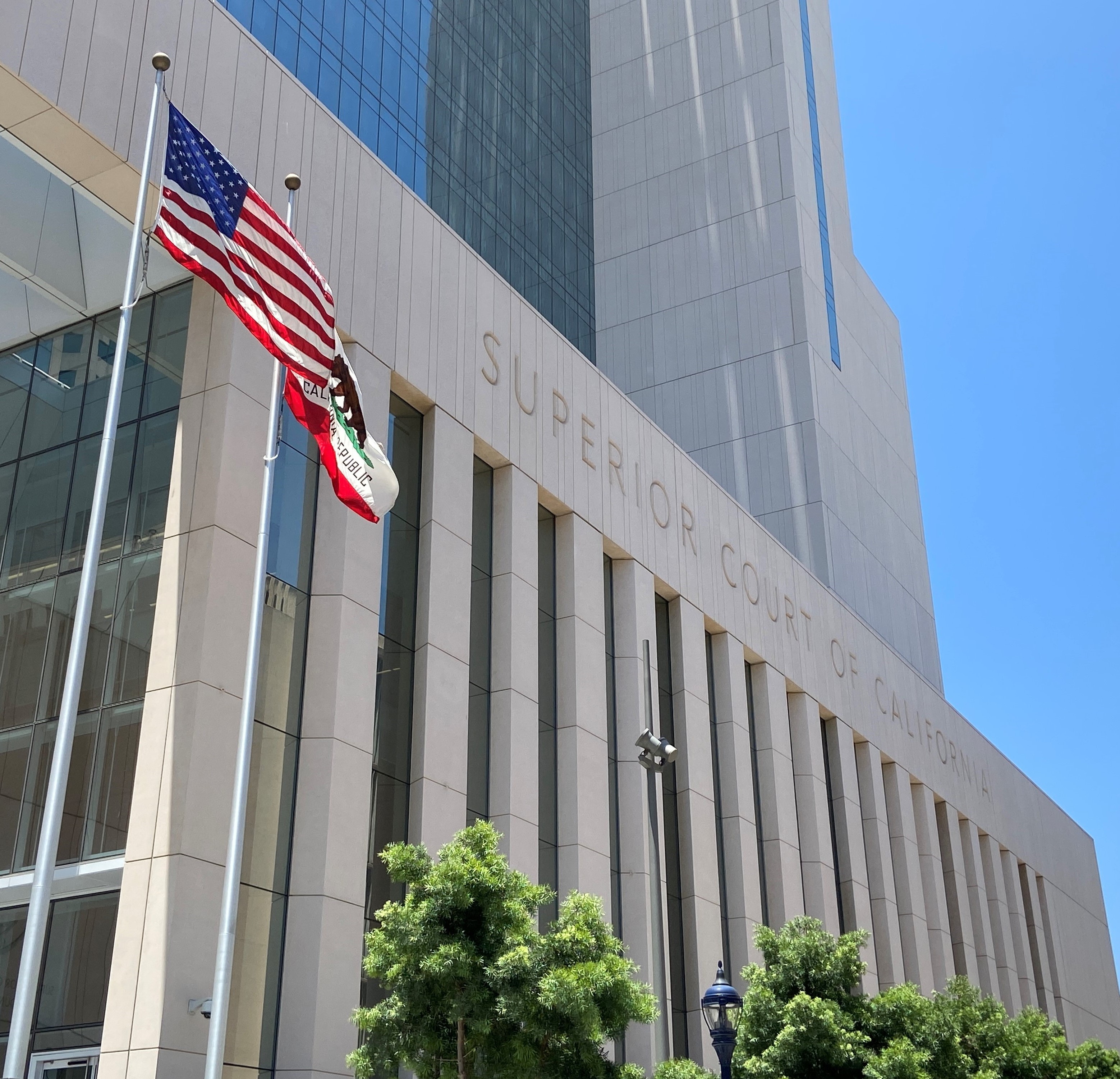
The San Diego Superior Court operates across multiple judicial districts, with family law matters primarily consolidated at specific regional facilities. The main hub for family court operations is the Central Courthouse, located downtown, supported by regional branches that handle specific geographic catchments.
Official case records are maintained under strict guidelines set by California Rules of Court and San Diego Superior Court Local Rules. The Register of Actions functions as an indexed database listing every document filed, fee paid, minute order generated, and hearing scheduled before a judge or commissioner. In 2026, the court continues to emphasize digital accessibility through electronic filing (e-filing) and online portal lookups, though physical archives remain accessible for older or sealed records.
Key Court Locations and Contact Information
- Central Courthouse: 1100 Union Street, San Diego, CA 92101. Primary location for downtown family law filings, trials, and complex litigation hearings.
- Encinitas / North County Regional Center: 325 S. Melrose Drive, Vista, CA 92081. Handles family law matters for residents in the northern regions of the county.
- East County Regional Center: 250 E. Main Street, El Cajon, CA 92020. Serves communities in East San Diego County.
- South County Regional Center: 500 3rd Avenue, Chula Vista, CA 91910. Manages domestic relations cases for the southern border region.
Methods for Accessing the Register of Actions
Accessing court records in San Diego County has evolved significantly, balancing remote digital tools with traditional in-person courthouse services. Depending on whether your case is public or confidential, different access methods apply.
Online Case Portals and Electronic Search
The San Diego Superior Court provides online access tools that allow users to search for case information using a party name or a specific case number.
- Civil and Family Index Search: The public web portal allows searches by name or case number. Basic docket entries (the Register of Actions) can be viewed online for active cases.
- Document Retrieval: While docket entries are often visible, viewing or downloading actual filed documents (such as petitions, responses, or financial disclosures) may require establishing a registered user account or purchasing document credits through the court's official vendor portal.
- Privacy Restrictions: By California law, certain family law documents—such as confidential counseling reports, tax returns, and specific psychological evaluations—are restricted from public web viewing to protect sensitive personal data and the best interests of minor children.
In-Person Courthouse Terminals
For cases that are restricted online or for users requiring certified copies of minute orders, the court provides public viewing computer terminals (kiosks) at all major facility business offices.
- Business Hours: Typically open Monday through Friday, 8:30 AM to 3:30 PM (excluding court holidays). Check the official court website before visiting, as hours are subject to modification based on local administrative orders.
- Public Access Workstations: Free access is provided at courthouse kiosks to view the complete, unredacted Register of Actions for public cases within the San Diego jurisdiction.
Analyzing the Register of Actions: Key Elements and Terminology
Reading a court docket requires familiarity with legal shorthand and chronological formatting. The Register of Actions is structured sequentially, starting with the initial filing date and moving forward through active litigation and post-judgment modifications.
Standard Docket Code Nomenclature
| Docket Entry Type | Typical Description | Significance in Litigation |
|---|---|---|
| PETN | Petition Filed (e.g., Dissolution, Custody) | Initiates the legal action, establishing jurisdiction and case number. |
| SUMS | Summons Issued | Official notice to the respondent that a lawsuit has been filed. |
| POS | Proof of Service Filed | Proves to the court that the opposing party was legally notified. |
| FLDR | Income and Expense Declaration | Financial disclosure required for child or spousal support calculations. |
| MINO | Minute Order Entered | Official written record of what occurred during a court hearing. |
| JUDG | Judgment Entered | Final legal determination resolving all or part of the disputed issues. |
Chronological Review and Timeline Tracking
When auditing a Register of Actions, focus on critical milestones to ensure procedural compliance. Missing a deadline noted in the docket—such as failing to file a response within 30 days of service—can result in default judgments or evidentiary sanctions.
Important Timeline Considerations
Service Deadlines: Proof of service for the initial petition and summons must be filed promptly in accordance with California Code of Civil Procedure guidelines.
Mandatory Settlement Conferences: Docket entries will reflect mandatory settlement conference dates; appearance and document exchange deadlines are strictly enforced by San Diego judicial officers.
Comparing Public vs. Confidential Family Law Records
Not all entries in the San Diego Family Court system are treated equally. Understanding the distinction between public registries and confidential files prevents legal missteps.
- Public Family Records: Standard dissolutions without minor children, property division disputes, and general civil-family matters are largely open to public inspection. The Register of Actions displays party names, attorneys of record, motion titles, and minute orders.
- Confidential Family Records: Paternity actions, adoption proceedings, domestic violence restraining orders (DVROs) with unserved protective provisions, and evaluations involving child custody investigations maintain heightened privacy protections. The Register of Actions for these cases is restricted to parties of record, authorized legal counsel, and court personnel.
Step-by-Step Guide to Requesting and Reviewing a Docket History
If you need to pull and analyze a San Diego family court file for legal research, record verification, or personal compliance, follow this structured workflow:
- Gather Identifiers: Collect the exact case number (format typically starts with a prefix like 37-YYYY-######-CL-FL-CTL) or the exact legal names of both parties along with the approximate filing year.
- Access the Portal: Navigate to the San Diego Superior Court official website and locate the Family Law online services portal.
- Execute the Search: Input the case number or party name into the search engine. Select the matching case record to open the main docket summary.
- Review the Register of Actions: Scroll through the chronological list of events. Pay close attention to the most recent entries to verify active status, upcoming hearings, or pending orders.
- Order Copies if Necessary: If certified copies of judgments or specific minute orders are required for enforcement or out-of-state filings, submit a records request through the clerk's office or via the court's authorized online document request system.
Frequently Asked Questions
Can I view the San Diego Family Court Register of Actions completely for free online?
Basic docket summaries and case histories can be viewed via the public web portal, but retrieving full PDF copies of specific filed documents often requires a fee or subscription to the court's electronic document service.
What should I do if a document is missing from the online Register of Actions?
Certain sensitive documents or physical exhibits may not be digitized for online viewing due to privacy laws or administrative backlogs. You can inspect the complete unredacted file by visiting the court business office in person.
How are family law case numbers formatted in San Diego County?
San Diego family court cases typically use a standardized prefix format indicating the court jurisdiction, filing year, sequential number, and case type code, such as 37-2026-00012345-FL-DR-CTL.
Are child custody evaluation reports visible on the public docket?
No. Child custody evaluations, psychological reports, and specialized minor's counsel recommendations are classified as confidential records and are strictly shielded from public view on the electronic register.
How long does the San Diego Family Court retain closed case records?
Court records are archived according to state retention schedules. While physical files may be moved to off-site archival storage or destroyed after statutory timelines elapse, electronic docket summaries are generally maintained indefinitely.
Conclusion and Next Steps
Proper navigation of the San Diego Family Court Register of Actions ensures that litigants and counsel remain fully informed of case developments, hearing schedules, and judicial orders. Always verify current local rules and fee schedules directly through the official San Diego Superior Court website before submitting filings or visiting courthouse locations. If you require personalized legal strategy regarding a family law dispute, consult with a licensed California family law attorney familiar with San Diego judicial practices.
Image Gallery