Why Wet Wipes Don't Kill Norovirus: The Science of Disinfection and Outbreak Prevention
Most consumer wet wipes—including standard alcohol-based hand wipes, baby wipes, and household antibacterial wipes—do not kill norovirus. Norovirus is a non-enveloped virus protected by a tough protein shell that resists alcohol and qu...
Most consumer wet wipes—including standard alcohol-based hand wipes, baby wipes, and household antibacterial wipes—do not kill norovirus. Norovirus is a non-enveloped virus protected by a tough protein shell that resists alcohol and quaternary ammonium compounds. Effective prevention requires handwashing with soap and water and surface disinfection using EPA-registered products containing bleach or hydrogen peroxide.
Contents
Disclaimer: This guide provides public health and scientific information for educational purposes. For medical advice or response to official health emergencies, consult healthcare professionals or public health agencies.
The Virology Behind Norovirus Resistance
To understand why wet wipes fail against norovirus, it is essential to examine the structural differences between viral pathogens. Viruses are broadly categorized into two structural types: enveloped viruses and non-enveloped (naked) viruses.
| Enveloped Viruses (e.g., Flu, COVID-19) | Non-Enveloped Viruses |
|---|---|
| Outer Lipid Membrane | Tough Protein Shell |
| Vulnerable to Alcohol & Quats | Highly Resistant |
Enveloped vs. Non-Enveloped Viruses
Enveloped viruses, such as influenza, SARS-CoV-2, and Respiratory Syncytial Virus (RSV), are wrapped in an outer lipid (fatty) membrane derived from the host cell. Alcohol-based solutions and standard surfactants dissolve this lipid bilayer easily. Once the envelope is disrupted, the virus loses its ability to anchor to host cells and becomes non-infectious.
Norovirus belongs to the Caliciviridae family and is a non-enveloped virus. Instead of a delicate lipid membrane, its genetic material (single-stranded RNA) is encased in a rigid, geometric protein coat known as a capsid. Protein capsids are exceptionally resilient to chemical degradation. They can withstand acidic environments, desiccation (drying out), and mild chemical exposures that would instantly destroy lipid-enveloped pathogens.
Because norovirus lacks a lipid envelope, common active ingredients in consumer sanitizers have almost nothing to break down. Alcohol molecules cannot penetrate or dissolve the capsid structure efficiently under standard application conditions.
Environmental Stability of Norovirus
Norovirus is notoriously stable in the environment. Studies published through the Centers for Disease Control and Prevention (CDC) demonstrate that the virus can survive on dry surfaces at room temperature for up to two weeks, remain infectious in water supplies for months, and withstand freezing as well as heating up to 140°F (60°C).
Furthermore, norovirus possesses an extremely low infectious dose. Ingesting as few as 18 viral particles can initiate a severe infection in a healthy adult. When an infected individual vomits or experiences diarrhea, billions of viral particles are shed into the environment, making targeted, highly potent disinfection critical.
Why Common Wet Wipes Fail Against Norovirus
Consumer shelves are filled with a wide variety of pre-moistened wipes. While these products excel at removing visible soil or neutralizing enveloped bacteria and viruses, most are ineffective against norovirus.
1. Baby Wipes and Personal Care Wipes
Baby wipes and moist flushable wipes are designed for gentle skin cleansing. Their active ingredients are typically mild surfactants, water, conditioners, and light preservatives. They contain no germicidal active ingredients at concentrations capable of destroying viral capsids. While physically wiping skin with a baby wipe may lift some loose dirt, it leaves norovirus particles intact on the skin or transfers them to neighboring areas.
2. Alcohol-Based Hand Wipes
Many portable hand sanitizing wipes rely on ethyl alcohol (ethanol) or isopropyl alcohol at concentrations ranging from 60% to 70%. While these wipes effectively kill E. coli, Salmonella, and enveloped viruses, alcohol does not denature the norovirus protein capsid quickly or reliably enough.
The World Health Organization (WHO) and public health authorities emphasize that alcohol-based hand sanitizers and alcohol wipes are not reliable substitutes for soap and water when dealing with norovirus outbreaks.
3. Household Antibacterial Wipes (Quat-Based)
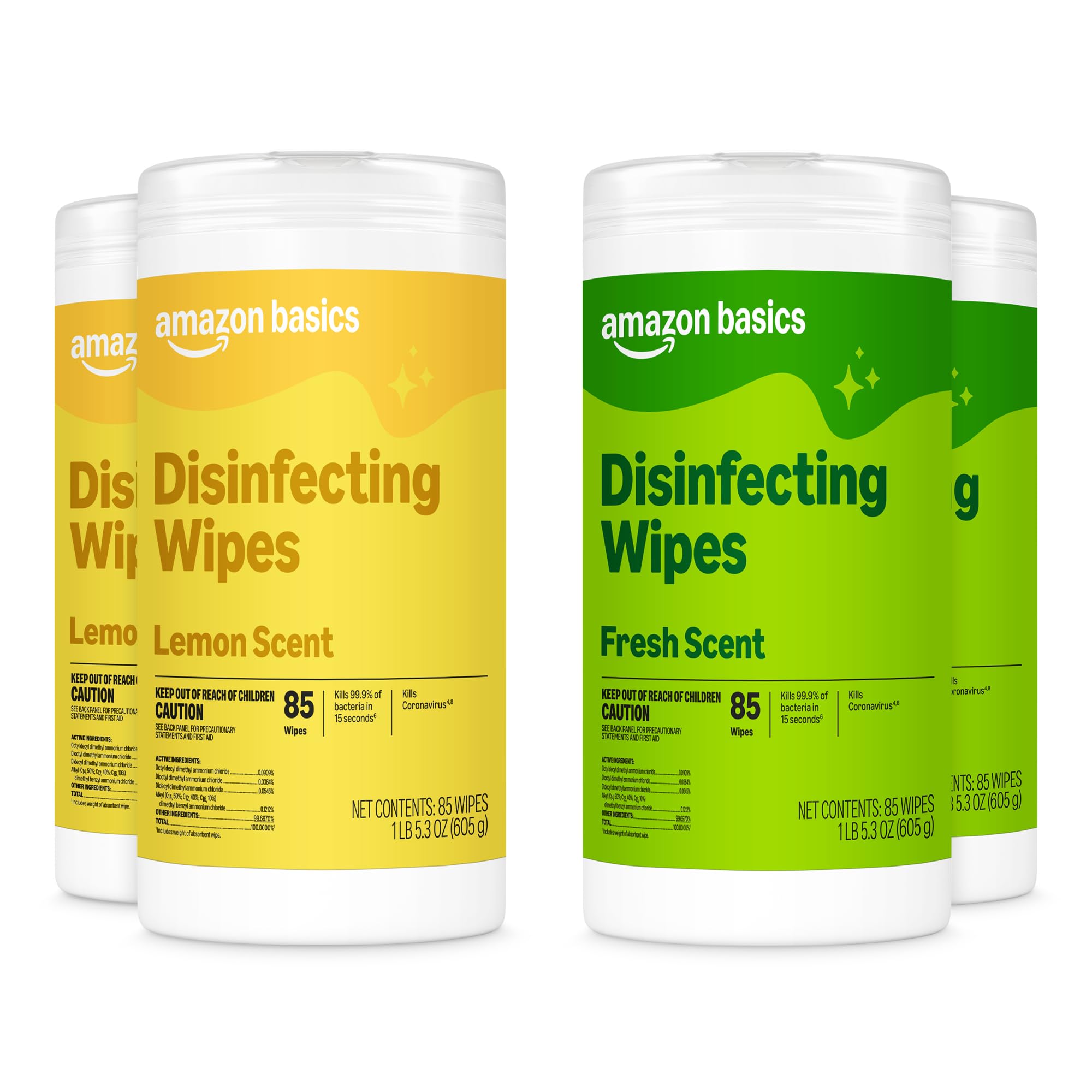
The vast majority of household surface-disinfecting wipes use Quaternary Ammonium Compounds (often listed on labels as alkyl dimethyl benzyl ammonium chloride or "quats"). Quats act by disrupting cellular membranes and lipid envelopes.
Standard quat-based surface wipes work effectively against many household bacteria and enveloped viruses, but standard formulations fail against non-enveloped viruses like norovirus. Unless a specific quat product has been engineered, boosted with secondary actives, and tested under rigorous laboratory conditions to earn an official government registration for norovirus, it should be assumed ineffective.
What Actually Kills Norovirus on Hard Surfaces
Eradicating norovirus from contaminated countertops, door handles, bathroom fixtures, and floors requires active chemical agents capable of denaturing resistant capsid proteins. The Environmental Protection Agency (EPA) maintains EPA List G, an official register of antimicrobial products verified to be effective against norovirus.
| Active Ingredient | Typical Contact Time | Primary Use |
|---|---|---|
| Sodium Hypochlorite (Bleach) | 5 to 10 minutes | Hard Surfaces |
| Accelerated Hydrogen Peroxide | 1 to 5 minutes | Hard/Soft |
| Peracetic Acid / Potassium | 1 to 5 minutes | Healthcare |
Chlorine Bleach (Sodium Hypochlorite)
Unscented household bleach remains the benchmark for killing norovirus. Bleach oxidizes viral proteins, causing structural collapse of the capsid shell.
To create an effective norovirus-killing bleach solution:
- Concentration: A chlorine concentration of 1,000 to 5,000 ppm (parts per million) is recommended depending on the severity of contamination.
- Dilution Ratio: Mix 5 to 25 tablespoons (approx. 1/3 cup to 1.5 cups) of standard household bleach (5.25%–8.25% concentration) per gallon of water.
- Freshness: Bleach solutions degrade over time when exposed to light and air. Always mix a fresh solution daily.
- Contact Time: The surface must remain visibly wet with the bleach solution for at least 5 to 10 minutes before wiping dry or rinsing.
Accelerated Hydrogen Peroxide (AHP)
For surfaces that are damaged by chlorine bleach (such as certain metals, fabrics, or finished woods), Accelerated Hydrogen Peroxide (AHP) wipes and sprays provide a viable alternative. AHP formulations combine hydrogen peroxide with specific surfactants and organic acids to penetrate capsids rapidly. Specialized AHP disinfectant wipes listed on EPA List G can kill norovirus with wet contact times ranging from 1 to 5 minutes.
Peracetic Acid and Potassium Peroxymonosulfate
Commonly used in institutional, food service, and healthcare settings, these strong oxidizing agents effectively destroy non-enveloped viruses without leaving halogenated residues. They are often supplied as dissolvable tablets or concentrated liquids for industrial applications.
Disinfection Methods and Active Ingredients Comparison
Evaluating products by active ingredient, dwell time, and target efficacy helps prevent the accidental selection of ineffective cleaning supplies.
| Disinfectant / Method | Active Ingredient | Kills Norovirus? | Required Wet Contact Time | Best Used For |
|---|---|---|---|---|
| Soap and Warm Water | Surfactants / Mechanical action | Removes physically | 20 seconds of scrub time | Hand hygiene, non-porous washing |
| Household Bleach | Sodium Hypochlorite (1,000–5,000 ppm) | Yes | 5 to 10 minutes | Non-porous hard surfaces, tile, porcelain |
| Accelerated H2O2 Wipes | Hydrogen Peroxide (specifically List G rated) | Yes | 1 to 5 minutes | Sensitive hard surfaces, medical gear |
| Quat Disinfectant Wipes | Quaternary Ammonium Compounds | No (Unless List G verified) | 10 minutes (if rated) | General antibacterial surface cleaning |
| Alcohol Hand Sanitizer | Ethanol or Isopropanol (60–80%) | No | N/A (Inadequate against capsid) | Temporary supplemental hand hygiene |
| Baby / Personal Wipes | Water, Mild Surfactants | No | N/A | General skin cleaning only |
| Steam Cleaning | Thermal Heat (>170°F / 77°C) | Yes | Direct exposure for >1 minute | Upholstery, carpets, soft fabrics |
Hand Hygiene: Why Soap and Water Outperforms Wipes and Sanitizers
When addressing norovirus on human skin, chemical inactivation is exceptionally difficult because concentration levels of bleach or potent oxidizers that destroy capsids would cause severe chemical burns to human tissues.
- Soap & Water Handwashing
- Lathers surfactant
- Breaks physical bonds
- Rinses viral particles down drain
- Result: Effective Physical Removal
- Alcohol Wipes / Sanitizers
- Applies alcohol
- Cannot penetrate capsid
- Leaves virus active
- Result: Ineffective
The Physics of Handwashing
Handwashing with soap and running water does not rely on killing the virus in situ. Instead, it functions through physical removal:
- Surfactant Action: Soap molecules reduce the surface tension of water and loosen the physical bonds binding viral particles to the lipids and proteins of human skin.
- Friction: Scrubbing hands together—palms, backs of hands, between fingers, and under fingernails—mechanically dislodges the tiny viral particles from microscopic skin folds.
- Rinsing: Running water lifts the suspended viral particles and flushes them down the drain, leaving hands clean.
The Inadequacy of Hand Wipes for Norovirus
When an individual uses an alcohol hand wipe or baby wipe, the mechanical friction dislodges a small fraction of viral particles, but the majority remain trapped on the moist wipe or are smeared across the skin. Because the chemical solution in the wipe cannot deactivate the virus, hands remain contaminated.
Public health protocols stipulate that hand sanitizers or alcohol wipes should only be used as an emergency interim step when running water is completely unavailable, followed immediately by thorough washing with soap and water at the earliest opportunity.
Step-by-Step Protocol for Managing Norovirus Contamination
If an individual vomits or experiences diarrhea due to suspected norovirus, improper cleanup can aerosolize viral particles and spread infection throughout an entire facility or home. Follow this protocol to contain and eliminate the threat.
Step 1: Personal Protection and Isolation
- Evacuate non-essential personnel or family members from the immediate area.
- Put on disposable gloves, a mask (N95 or surgical), eye protection, and a disposable apron or clothes that can be washed immediately in hot water.
Step 2: Solid Waste Containment
- Cover spilled body fluids immediately with absorbent materials such as paper towels, kitty litter, or spill-absorbent powder to prevent fluid migration.
- Carefully scoop up the absorbed waste using disposable tools or paper towels.
- Place all waste into a plastic trash bag, seal it securely, and double-bag it prior to disposal in an outdoor receptacle.
Step 3: Pre-Cleaning the Surface
- Apply a general detergent or cleaner to remove remaining organic matter from the area. Disinfectants cannot penetrate thick layers of organic material; cleaning must precede disinfection.
Step 4: Applying an EPA List G Disinfectant
- Apply an EPA List G registered disinfectant or a fresh chlorine bleach solution (5,000 ppm for heavy bodily fluid spills).
- Ensure the entire target area—plus a 6-foot radius around the spill to account for invisible aerosolized droplets—is thoroughly saturated.
- Allow the surface to remain continuously wet for the full manufacturer-recommended contact time (at least 5 minutes for bleach).
Step 5: Final Clean-up and Hand Decontamination
- Wipe the surface dry using disposable paper towels.
- Carefully strip off protective gear without touching contaminated outer surfaces, placing all disposable items into the plastic waste bag.
- Immediately wash hands thoroughly with soap and warm water for at least 20 seconds.
Common Mistakes During Norovirus Outbreaks
Even well-intentioned cleaning efforts can inadvertently worsen an outbreak if common technical errors occur:
- Relying on Standard Disinfectant Wipes: Assuming that any product labeled "kills 99.9% of germs" covers norovirus. Always verify the label for specific norovirus claims or EPA List G registration.
- Ignoring Wet Contact Times: Spraying a bleach solution or List G wipe and immediately wiping it dry. If the disinfectant does not remain wet on the surface for the required duration (often 5 to 10 minutes), viral capsids remain intact.
- Cross-Contaminating via Cleaning Cloths: Reusing the same cleaning cloth across multiple rooms. Reusable rags pick up viral particles from contaminated areas and deposit them onto uncontaminated surfaces.
- Neglecting Soft Surfaces: Using liquid bleach on carpets or upholstered furniture, which causes material damage without providing proper contact time. Use steam cleaning at temperatures above 170°F (77°C) for soft goods.
- Washing Hands for Under 20 Seconds: Brief handwashing under running water without vigorous scrubbing fails to break the bond between viral capsids and human skin.
Frequently Asked Questions
Do Lysol or Clorox wipes kill norovirus?
Standard consumer Clorox or Lysol wipes that use quaternary ammonium compounds generally do not kill norovirus. However, specialized commercial products—such as Clorox Healthcare Hydrogen Peroxide Cleaner Disinfectant Wipes or specific Lysol products explicitly registered on EPA List G—are formulated to eliminate norovirus. Always check the EPA registration number on the bottle against EPA List G.
Can hand sanitizer protect against norovirus?
No. Hand sanitizers containing ethyl or isopropyl alcohol are generally ineffective at deactivating the non-enveloped protein coat of norovirus. Handwashing with soap and running water for at least 20 seconds is required to physically remove the virus from skin.
How long does norovirus live on surfaces wiped with regular wet wipes?
If a surface contaminated with norovirus is wiped with a standard alcohol or baby wipe, the virus can remain viable and infectious on that surface for up to two weeks. The wipe removes visible dirt but leaves the microscopic viral particles intact.
What concentration of bleach kills norovirus?
A bleach solution containing 1,000 to 5,000 ppm of free chlorine is recommended for killing norovirus. This is achieved by mixing 5 to 25 tablespoons (roughly 1/3 cup to 1.5 cups) of household bleach (5.25%–8.25%) per gallon of water.
Why does soap work against norovirus if it doesn't kill it chemically?
Soap works through physical suspension rather than chemical destruction. Soap molecules act as surfactants that surround viral particles and break their physical grip on skin tissue. Running water then washes the intact viral particles safely down the drain.
Practical Next Steps for Effective Prevention
To protect household members, employees, or patrons from norovirus, update your hygiene supplies and cleaning protocols:
- Audit Cleaning Supplies: Inspect product labels in your home or facility. Look for EPA registration numbers and cross-reference them with EPA List G. Replace generic quat wipes with approved bleach or accelerated hydrogen peroxide solutions.
- Establish Handwashing Hygiene: Ensure restrooms are fully stocked with liquid soap and disposable paper towels. Post reminders highlighting a minimum 20-second scrub time.
- Prepare a Norovirus Cleanup Kit: Assemble a dedicated emergency spill kit containing disposable gloves, masks, aprons, absorbent powder, fresh bleach, paper towels, and heavy-duty trash bags to respond quickly to sudden illness events.
Image Gallery