Managing Life Insurance Disintermediation: Strategies for Stability and Retention
Managing life insurance disintermediation involves synchronizing asset-liability durations, implementing contractual safeguards like surrender charges, and utilizing sophisticated liquidity management. By aligning policyholder incentiv...
Managing life insurance disintermediation involves synchronizing asset-liability durations, implementing contractual safeguards like surrender charges, and utilizing sophisticated liquidity management. By aligning policyholder incentives with the insurer’s portfolio yield, companies can mitigate the risk of mass policy surrenders and loan requests during periods of rising interest rates or economic volatility.
Contents
In the current financial landscape of 2026, the concept of disintermediation has evolved from a theoretical actuarial risk into a critical operational challenge. Traditionally, disintermediation in the life insurance sector occurs when policyholders withdraw the cash value of their policies—either through surrenders or policy loans—to seek higher returns in alternative investments. This typically happens when market interest rates rise significantly above the crediting rates offered by existing life insurance products. As we navigate the complexities of the mid-2020s, managing this risk requires a multi-faceted approach that combines rigorous asset-liability management (ALM), innovative product design, and digital engagement strategies.
The Mechanics of Financial Disintermediation
Financial disintermediation is primarily driven by the "interest rate gap." When a life insurer holds a portfolio of long-term, fixed-income securities purchased during a lower-rate environment, the yield on those assets may lag behind the current market rates. If a policyholder perceives that they can earn a substantially higher return by liquidating their cash value and moving it into money market funds, high-yield certificates of deposit, or direct bond investments, the insurer faces a liquidity strain.
The risk is twofold. First, the insurer may be forced to sell assets at a loss to meet the demand for cash outflows. Since bond prices move inversely to interest rates, selling older, low-coupon bonds in a high-rate environment results in realized capital losses. Second, the loss of these funds reduces the insurer's "assets under management" (AUM), impacting future profitability and potentially weakening the company's solvency margins.
In 2026, the speed of capital movement has increased due to the ubiquity of instant banking and fintech platforms. Policyholders no longer wait for paper checks; they expect digital transfers. This acceleration makes the "run on the insurer" a more immediate threat than it was in previous decades.
Asset-Liability Management (ALM) as a Primary Defense
The most effective technical strategy for managing disintermediation is robust Asset-Liability Management. ALM involves coordinating the cash flows of an insurer's assets with the expected timing of its liabilities. In the context of disintermediation, this means ensuring that the insurer has enough liquidity to satisfy surrenders without being forced to liquidate long-term positions at the worst possible time.
Duration and Convexity Matching
Insurers use duration—a measure of the sensitivity of the price of a bond to a change in interest rates—to align their portfolios. By matching the duration of assets to the expected duration of liabilities, insurers can immunize the portfolio against small interest rate shifts. However, because policyholder behavior is "path-dependent" (meaning they are more likely to surrender as rates rise), simple duration matching is often insufficient. Insurers must also account for convexity, which measures how the duration of a bond changes as interest rates change, to better predict portfolio behavior during volatile periods.
Stress Testing and Scenario Analysis
Modern regulatory frameworks, such as those guided by the National Association of Insurance Commissioners (NAIC), require insurers to perform regular stress tests. These simulations model various "what-if" scenarios, such as a sudden 300-basis-point spike in interest rates. By analyzing how different tranches of policyholders react to these spikes, insurers can adjust their liquidity buffers. In 2026, these models have become increasingly sophisticated, incorporating machine learning to predict surrender behavior based on demographic data and macroeconomic indicators.
Product Design and Contractual Safeguards
Beyond financial management, insurers can manage disintermediation risk at the source: the insurance contract itself. By designing products that discourage early withdrawal or align the withdrawal value with current market conditions, insurers can protect their capital base.
Market Value Adjustments (MVA)
Market Value Adjustments are one of the most powerful tools for mitigating disintermediation. An MVA clause stipulates that if a policyholder surrenders their policy during a period of rising interest rates, the cash value they receive will be adjusted downward to reflect the decrease in the market value of the underlying assets. Conversely, if rates have fallen, the adjustment might be positive. This protects the insurer from the "loss-on-sale" risk and removes the financial incentive for the policyholder to engage in interest-rate arbitrage.
Surrender Charges and Vesting Schedules
Back-end loads or surrender charges are standard features in many permanent life insurance and annuity products. These charges are typically highest in the early years of the policy and grade down to zero over a decade or more. While they provide a buffer, their effectiveness diminishes as the policy matures. In the current market, some insurers are experimenting with "floating" surrender charges or extended vesting periods for bonus credits to ensure that the cost of leaving remains a significant deterrent.
Dynamic Crediting Rates
To remain competitive and reduce the incentive for disintermediation, insurers are increasingly moving toward dynamic crediting rates. Instead of a fixed interest rate for the life of the policy, these rates are adjusted periodically based on the performance of the insurer's general account or an external index. By keeping the policy’s yield closer to market rates, the insurer reduces the "gap" that drives policyholders to look elsewhere.
Comparison of Disintermediation Mitigation Tools
The following table compares the various methods insurers use to combat disintermediation, highlighting their primary functions and the trade-offs involved.
| Strategy | Mechanism | Primary Benefit | Potential Drawback |
|---|---|---|---|
| Duration Matching | Aligning asset/liability cash flows. | Protects solvency during rate shifts. | Can limit upside potential in portfolios. |
| Market Value Adjustments | Adjusts payout based on bond markets. | Transfers interest rate risk to policyholder. | Can be complex for consumers to understand. |
| Surrender Charges | Financial penalty for early exit. | Recovers acquisition costs and deters exits. | Limited effectiveness on older policies. |
| Liquidity Buffers | Holding high levels of cash/short-term debt. | Ensures immediate payout capability. | "Drag" on overall portfolio yield. |
| Policy Loan Caps | Setting higher interest rates on loans. | Reduces incentive to borrow cash value. | May reduce the product's perceived utility. |
Structural Disintermediation: The Digital Challenge
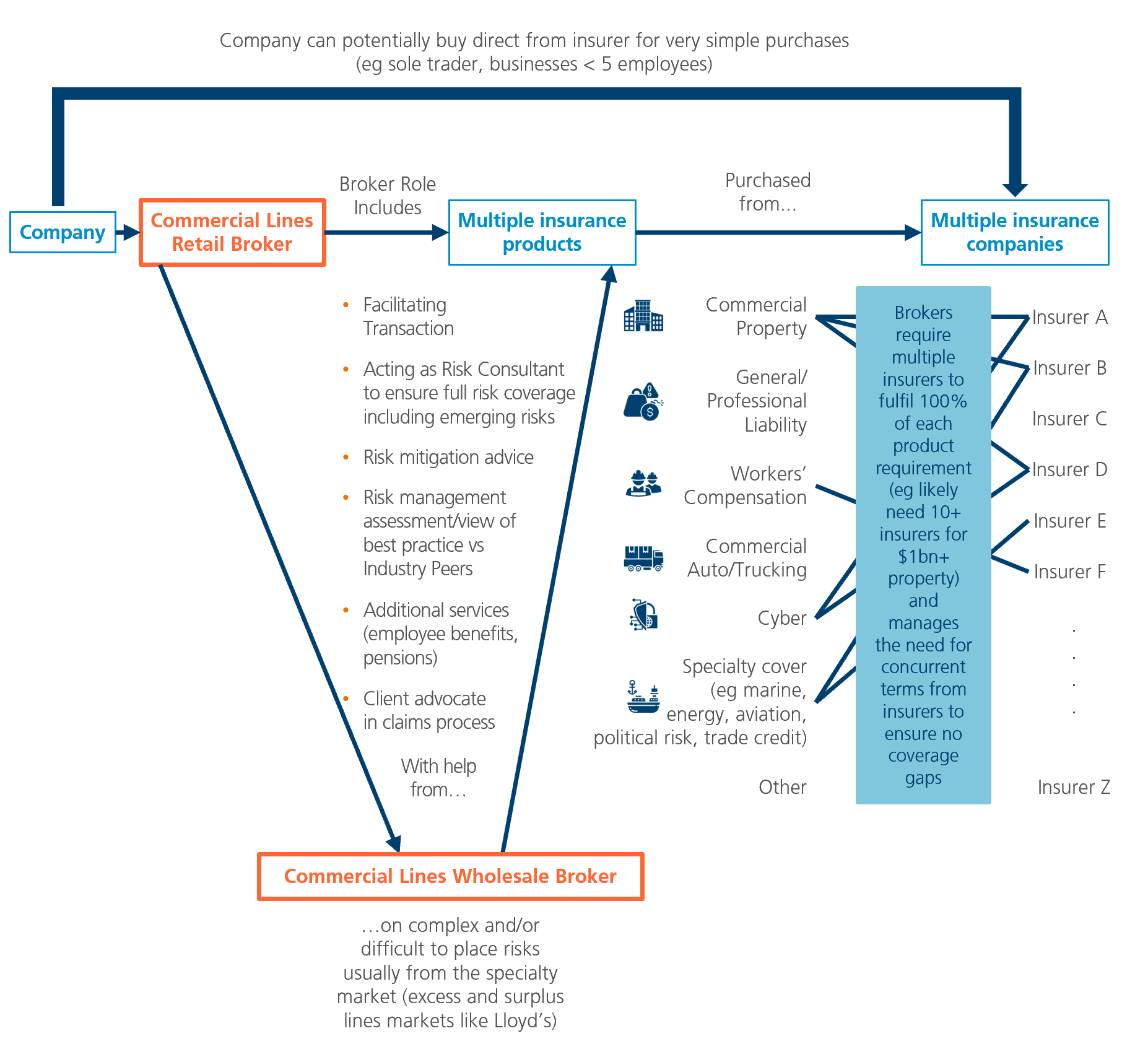
While financial disintermediation focuses on interest rates, structural disintermediation refers to the removal of human intermediaries (agents and brokers) from the distribution chain. In 2026, this poses a different kind of "management" challenge. If an insurer relies too heavily on traditional agents, they risk losing the younger, tech-savvy demographic to direct-to-consumer (D2C) startups.
Managing structural disintermediation requires an "omnichannel" approach. Insurers must provide digital platforms that allow policyholders to manage their accounts, view valuations, and even purchase additional coverage without needing to speak to an agent. However, this shift must be handled carefully; agents often serve as a "retention layer," talking policyholders out of surrendering during market panics. Removing the human element can paradoxically increase the risk of financial disintermediation by making it too easy for a customer to click "cancel" during a period of temporary financial stress.
Behavioral Finance and Retention Strategies
Managing disintermediation is not just about math; it is about psychology. Behavioral finance suggests that policyholders do not always act as "rational economic actors." Many hold onto policies even when it would be mathematically beneficial to surrender, due to inertia, emotional attachment to the death benefit, or fear of losing insurability.
Insurers can manage disintermediation by:
- Enhancing "Stickiness": Bundling life insurance with other services, such as wellness programs or wealth management tools, creates a broader relationship that makes the policy harder to abandon.
- Proactive Communication: When interest rates rise, insurers should communicate the long-term value of the death benefit and the tax-advantaged nature of the cash value growth, which often outweighs a slightly higher yield in a taxable account.
- Targeted Retention Offers: Using data analytics to identify "at-risk" policyholders—those who have recently inquired about surrender values—and offering them incentives to stay, such as a temporary boost in the crediting rate or a waiver of certain fees.
Frequently Asked Questions
What is the difference between financial and structural disintermediation?
Financial disintermediation is the withdrawal of funds by policyholders to seek better returns elsewhere, usually triggered by rising interest rates. Structural disintermediation refers to the evolution of the industry where digital platforms bypass traditional insurance agents and brokers to sell directly to consumers.
How do rising interest rates specifically trigger disintermediation?
When market rates rise, the yield on an insurer’s older bond portfolio remains fixed. This means the "crediting rate" the insurer offers to policyholders may become lower than what the policyholder could get in a new savings account or bond. The policyholder then surrenders the policy to reinvest that cash at the higher market rate.
What is a "run on the insurer"?
Similar to a bank run, a run on the insurer happens when a large number of policyholders simultaneously demand their cash surrender values. Because insurers invest the majority of their premiums in long-term illiquid assets, they may not have enough immediate cash to meet all demands, potentially leading to a liquidity crisis.
Can reinsurance help manage disintermediation risk?
Yes. Reinsurance companies often provide "liquidity swaps" or stop-loss agreements that can provide the primary insurer with emergency cash in the event of a mass surrender event. This acts as a secondary safety net beyond the insurer's own liquidity buffers.
How does the 2026 regulatory environment view disintermediation?
By 2026, regulators have placed a higher emphasis on "Liquidity Stress Testing" (LST). Insurers are required to prove that they can withstand extreme surrender scenarios without failing or requiring a government bailout. This has led to higher capital requirements for products that do not have Market Value Adjustments.
Practical Recommendations for Insurers
To effectively manage disintermediation in the current year, insurance executives and risk managers should take the following actions:
- Audit the In-Force Block: Identify older policies that lack Market Value Adjustments or have low surrender charges. These are the "high-risk" segments during an interest rate spike.
- Implement Dynamic Hedging: Use interest rate swaps and options to hedge the portfolio against sudden rate increases, providing the liquidity needed to cover surrenders without selling bonds at a loss.
- Modernize the Digital Portal: Ensure that the ease of digital transactions is balanced with educational content that reinforces the long-term tax benefits of keeping a life insurance policy in force.
- Review Reinsurance Treaties: Confirm that existing reinsurance agreements include provisions for liquidity support during systemic market events.
Image Gallery