Why the Shift to Oracle Supply Chain Management Software Matters
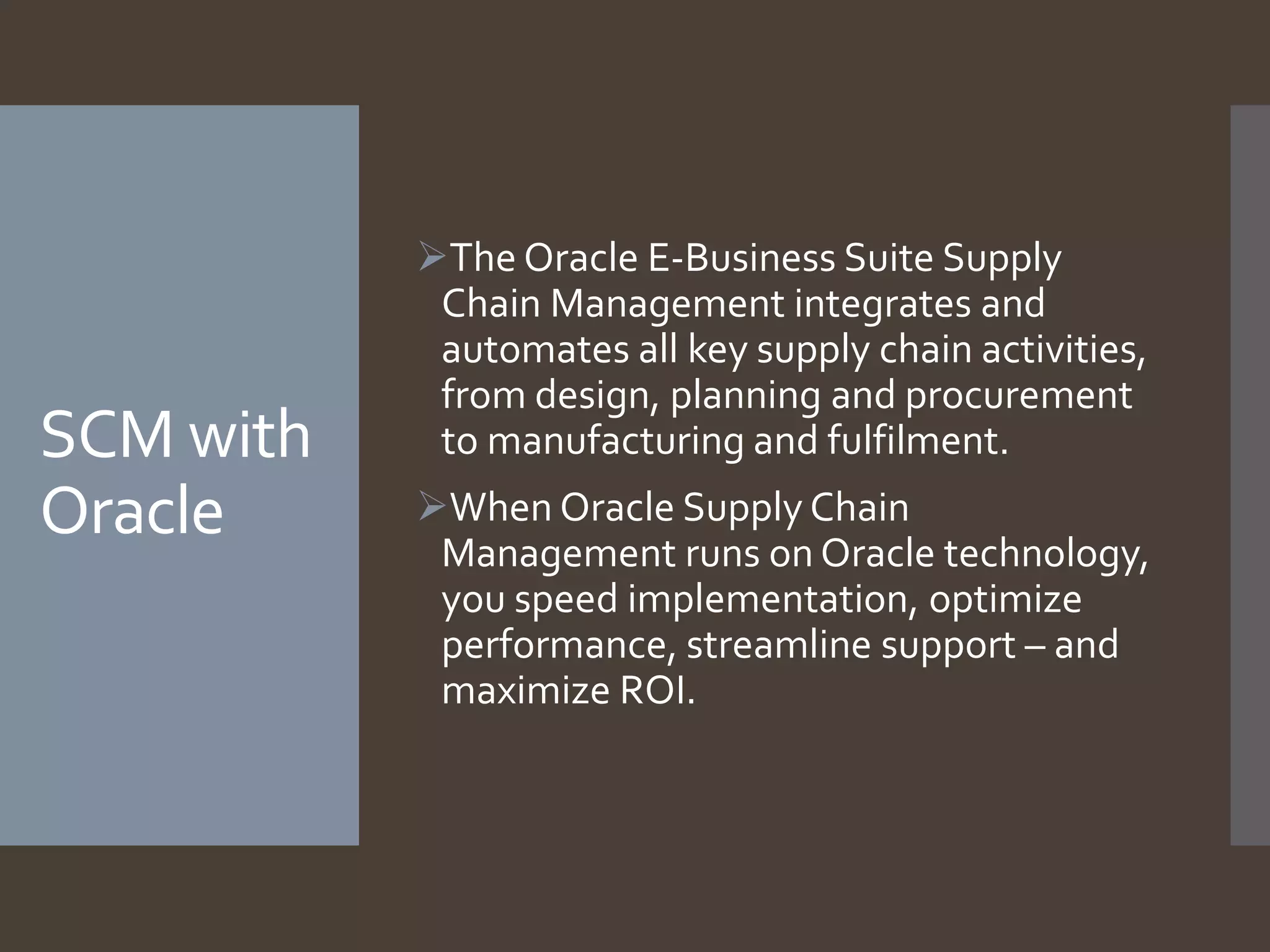
The transition to Oracle Supply Chain Management (SCM) Cloud represents a fundamental pivot from reactive logistics to proactive, AI-driven value chains. By unifying disparate data silos into a single source of truth, organizations gai...
The transition to Oracle Supply Chain Management (SCM) Cloud represents a fundamental pivot from reactive logistics to proactive, AI-driven value chains. By unifying disparate data silos into a single source of truth, organizations gain the real-time visibility, predictive analytics, and automated agility required to navigate the complex global disruptions of 2026.
Contents
The Evolution from Legacy Systems to Oracle Cloud SCM
For decades, enterprises relied on on-premises systems like Oracle E-Business Suite or JD Edwards to manage their logistics. While robust, these legacy frameworks were often fragmented, requiring manual data entry and complex integrations that created significant "latency" in decision-making. As we move through 2026, the shift toward a unified cloud environment has become a survival imperative rather than a luxury.
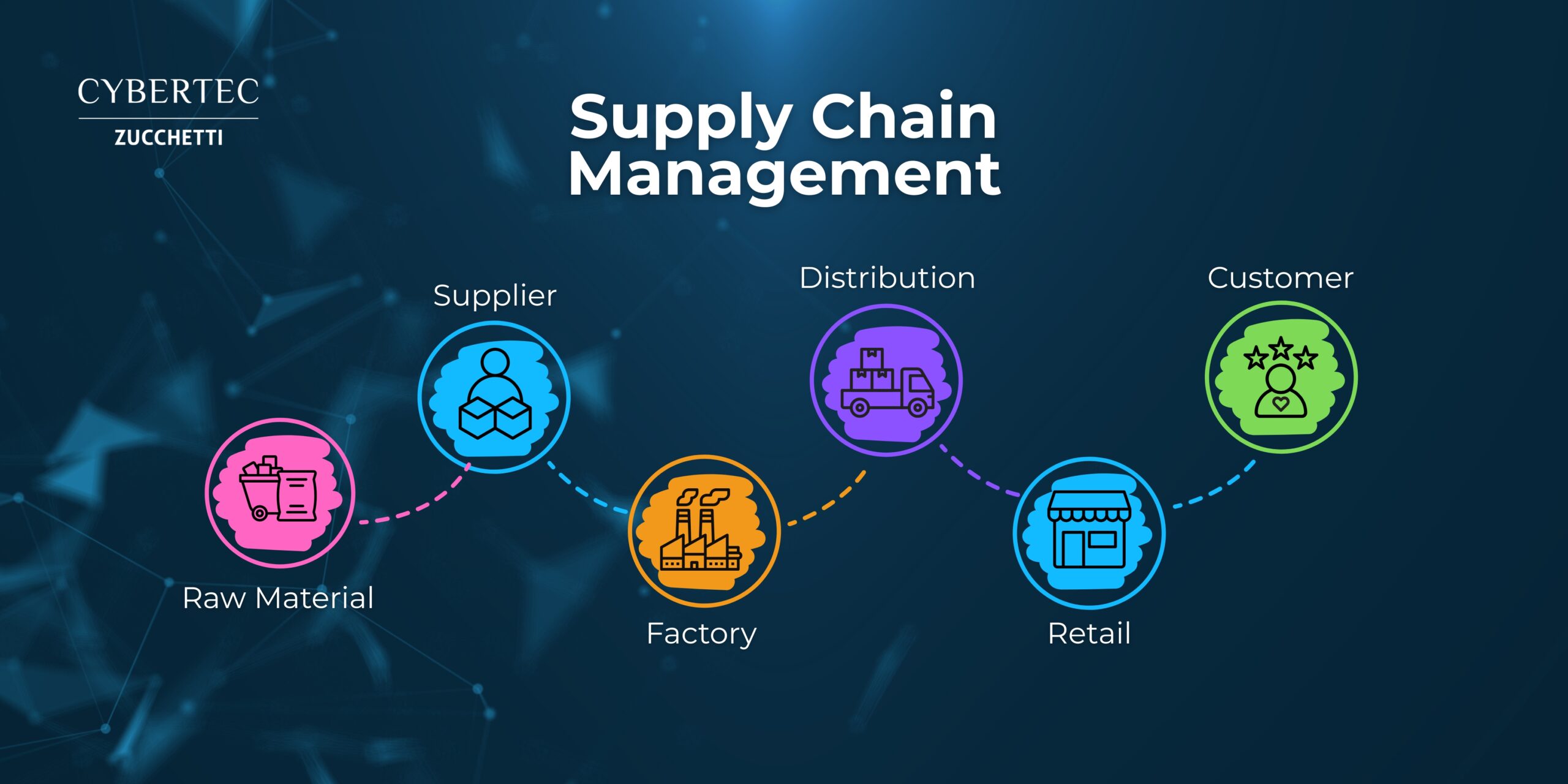
The primary driver of this shift is the movement away from a "siloed" operational model. In older systems, procurement, manufacturing, and logistics often functioned as independent entities with their own data sets. Oracle Cloud SCM integrates these functions into a singular "Digital Thread." This connectivity ensures that a delay in a raw material shipment immediately updates production schedules and triggers automated notifications to sales teams and customers. This level of synchronization is impossible to maintain in legacy environments without massive, error-prone manual intervention.
Furthermore, the cloud model introduces a continuous innovation cycle. Unlike on-premises software that required multi-year upgrade projects, Oracle Cloud SCM delivers quarterly updates. This ensures that enterprises are always utilizing the latest security patches, regulatory compliance tools, and technological advancements, such as generative AI for procurement or blockchain for provenance tracking.
Core Pillars of Modern Oracle SCM Architecture
Understanding why this shift matters requires a look at the specific pillars that define the current Oracle SCM ecosystem. These modules are no longer just digital filing cabinets for transactions; they are intelligent engines designed to optimize every movement of a product.
Integrated Business Planning and Execution (IBPX)
Oracle’s shift emphasizes the convergence of planning and execution. In 2026, market volatility remains a constant. Oracle’s planning modules use machine learning to analyze historical data, weather patterns, and even social sentiment to sense demand shifts before they manifest in order volumes. By aligning financial goals with operational capabilities in real-time, companies can avoid the "bullwhip effect," where small fluctuations in retail demand cause massive overproduction upstream.
Intelligent Logistics and Fulfillment
The shift to Oracle SCM matters because it transforms transportation and warehouse management. The Global Trade and Transportation Management modules allow for real-time tracking of shipments across ocean, air, and land. In a world where port congestion or geopolitical shifts can close trade routes overnight, the ability to dynamically reroute shipments based on real-time cost and time analysis is a significant competitive advantage.
Product Lifecycle Management (PLM)
Modern supply chains start at the design phase. Oracle’s Cloud PLM integrates design data directly with supply chain execution. This means if a specific component becomes unavailable or fails to meet new sustainability standards, designers are alerted instantly, allowing them to substitute materials before the product hits the assembly line.
Why 2026 is the Critical Pivot Point for Resilience
The year 2026 marks a specific milestone in the maturation of "Autonomous Supply Chains." We have moved past the experimental phase of artificial intelligence. Today, Oracle SCM utilizes embedded AI to handle routine tasks—such as processing invoices or calculating safety stock levels—without human intervention.
AI and Machine Learning Integration
The significance of the shift lies in "Prescriptive Analytics." While older systems could tell you that a shipment was late (descriptive), Oracle’s current cloud offerings tell you why it will be late and suggest three alternative suppliers based on cost, carbon footprint, and reliability. This shift from "hindsight" to "foresight" allows supply chain managers to focus on strategic exceptions rather than mundane troubleshooting.
The Sustainability Mandate
Regulatory environments, particularly the Corporate Sustainability Reporting Directive (CSRD) and similar global frameworks, now require granular reporting on Scope 3 emissions. Oracle SCM has integrated environmental, social, and governance (ESG) tracking into the procurement and manufacturing modules. Organizations shifting to Oracle can now automate the collection of sustainability data from their suppliers, making compliance a byproduct of standard operations rather than a separate, costly audit process.
Quantifying the Value: Efficiency, Cost, and Visibility
The shift to Oracle SCM is often justified through significant improvements in operational metrics. The following table illustrates the performance differences typically observed when moving from fragmented legacy systems to the integrated Oracle Cloud SCM environment.
| Performance Metric | Legacy/On-Premise Environment | Oracle Cloud SCM (2026 Status) |
|---|---|---|
| Data Visibility | Delayed (batch processing) | Real-time (streaming data) |
| Planning Cycle Time | Days or Weeks | Minutes or Hours |
| Inventory Accuracy | 80% - 90% (manual audits) | 99%+ (IoT & AI enabled) |
| Innovation Access | Upgrades every 5-10 years | Quarterly automated updates |
| IT Maintenance | High (servers, DBAs, custom code) | Low (SaaS model, OpEx focus) |
| ESG Reporting | Manual/Spreadsheet based | Automated/Integrated |
Technical Requirements and Migration Paths
Transitioning to Oracle SCM is not a simple "lift and shift" operation; it is a business transformation. Organizations must first assess their data hygiene. Because Oracle Cloud SCM relies on high-quality data for its AI engines, cleaning legacy master data (supplier records, part numbers, and customer addresses) is a non-negotiable prerequisite.
The migration usually follows one of three paths:
- The "Big Bang" Approach: Transitioning all modules (Procurement, Inventory, Manufacturing) simultaneously. This is often favored by mid-market companies looking for rapid ROI.
- Phased Rollout: Starting with a high-impact area, such as Cloud Procurement, and then expanding to Manufacturing or Logistics. This is the standard for large global enterprises to minimize operational risk.
- Hybrid Co-existence: Keeping some legacy manufacturing execution systems while moving supply chain planning and logistics to the cloud. This is a common interim step for companies with high-investment specialized machinery.
Regardless of the path, the shift requires a focus on "Standardization." Oracle Cloud SCM is built on industry best practices. Rather than customizing the software to fit old, inefficient processes, successful organizations adapt their processes to fit the optimized workflows provided by the software.
Challenges and Mitigations in Implementation
While the benefits are substantial, the shift to Oracle SCM is not without hurdles. The most common challenge is Change Management. Employees accustomed to old interfaces and manual workarounds may resist the automated nature of the cloud. Addressing this requires a comprehensive training program that emphasizes how the software removes the "drudgery" of data entry, allowing staff to act as strategic analysts.
Another challenge is Integration. Most enterprises operate in a multi-vendor environment. Oracle has addressed this by providing robust REST APIs and the Oracle Integration Cloud (OIC), which simplifies the connection between SCM and third-party systems like specialized CRM or niche engineering tools. Ensuring these integrations are architected correctly from day one is vital for maintaining the "Digital Thread."
Frequently Asked Questions
How long does a typical Oracle SCM Cloud implementation take in 2026?
Implementation timelines have shortened significantly due to matured migration tools and pre-configured industry templates. A standard mid-sized implementation typically ranges from 6 to 9 months, while complex global transformations can span 12 to 18 months, depending on the number of geographic sites and modules involved.
Is Oracle SCM Cloud secure enough for sensitive government or defense contracts?
Yes. Oracle provides specific cloud environments, such as the Oracle Government Cloud and Sovereign Cloud regions, which meet rigorous security certifications (such as FedRAMP High in the US or similar localized standards). These environments offer the same SCM functionality but with enhanced data residency and personnel access controls.
Can Oracle SCM integrate with non-Oracle ERP systems?
Oracle SCM Cloud is designed to be "ERP agnostic." Many organizations use Oracle’s supply chain modules alongside SAP, Microsoft Dynamics, or legacy mainframe financial systems. The Oracle Integration Cloud (OIC) provides pre-built connectors to facilitate these cross-platform data flows.
Does the shift to cloud SCM mean I lose control over my software versions?
In the SaaS model, you do not "own" the version, but you do have control over the update window. Oracle provides a "test" environment where updates are applied first, giving your team two to six weeks to validate your specific workflows before the update is pushed to the production environment. This ensures continuous innovation without breaking critical business processes.
What is the primary cost driver when shifting to Oracle SCM?
While the subscription fee is the most visible cost, the primary investment drivers are data migration and process realignment. Investing in clean data and training during the implementation phase is critical to ensuring that the expensive AI and automation features of the software actually deliver the expected ROI.
Practical Recommendation for Decision Makers
If your organization is still operating on fragmented legacy systems or heavily customized on-premises software, the shift to Oracle SCM is no longer a matter of "if," but "when." To begin, conduct a Supply Chain Maturity Audit. Identify the specific areas where data latency is currently costing you money—whether through excess safety stock, expedited shipping fees, or lost sales due to stockouts.
The most successful transitions in 2026 are those that prioritize Visibility first. By implementing the logistics and planning modules, you create an immediate ROI that can fund the subsequent transformation of manufacturing and procurement. Engage with a certified Oracle partner to map your current processes against the "Modern Best Practices" embedded in the software to minimize customization and maximize long-term agility.
Image Gallery