Aidan Origin and the Rise of the Open Source Gaming Engine
The Aidan Origin project represents a pivotal shift in game development, moving away from restrictive proprietary licenses toward a modular, community-governed open-source architecture. By 2026, it has evolved from a niche framework in...
The Aidan Origin project represents a pivotal shift in game development, moving away from restrictive proprietary licenses toward a modular, community-governed open-source architecture. By 2026, it has evolved from a niche framework into a robust alternative for developers seeking high-performance rendering and data-driven workflows without the "black box" limitations of traditional commercial engines.
Contents
The Genesis of Aidan Origin: A Response to Industry Shifts
The history of the Aidan Origin project is rooted in the "great engine migration" that began in late 2023. During this period, the game development community faced significant instability due to sudden changes in fee structures and licensing terms among major proprietary engine providers. This instability created a vacuum for a tool that prioritized developer sovereignty and long-term project stability.
Aidan Origin emerged not just as a piece of software, but as a philosophy. Originally developed as a lightweight C++ framework for high-fidelity indie titles, it was open-sourced to allow the community to audit the code and contribute to its optimization. Unlike engines that attempt to be "everything for everyone," Aidan Origin focused on a "minimum viable core"—a strategy that allowed it to maintain industry-leading performance while remaining accessible to solo developers and small studios.
By 2026, the "Origin" codebase has matured. It has moved beyond its early experimental phases into a production-ready environment that supports multi-platform deployment, including PC, consoles, and specialized mobile hardware. The rise of this engine signifies a broader trend in 2026: the realization that the underlying technology of a game should be a shared utility rather than a rented service.
Technical Foundations of the Aidan Architecture
The technical success of Aidan Origin is attributed to its strict adherence to a Data-Oriented Design (DOD) and an Entity Component System (ECS). While these concepts have been around for years, the Aidan engine implemented them at the kernel level, ensuring that memory management and CPU cache utilization are optimized by default.
1. Modular Core and Plug-and-Play Systems
One of the primary complaints about legacy engines is "bloat"—the inclusion of thousands of features that most developers never use. Aidan Origin solves this through a modular kernel. The core engine is less than 50MB; everything else—from high-end global illumination to advanced physics—is treated as a "module" that can be hot-swapped or omitted entirely.
2. The Render Graph Revolution
Aidan Origin utilizes a programmable render graph that allows developers to define the GPU's workload with granular precision. In the 2026 landscape, where ray tracing and neural upscaling are standard, this flexibility allows the engine to adapt to different hardware tiers without requiring a complete rewrite of the rendering pipeline.
3. Open Governance and Transparency
Unlike proprietary engines where the roadmap is dictated by shareholders, Aidan Origin operates under a foundation-based model. This ensures that the features developed are those that actually solve production bottlenecks for users. The "Origin" aspect of the name refers to this transparency—the ability to trace every line of code back to its contributor and understand the rationale behind every architectural decision.
Comparing Aidan Origin to Industry Standards (2026)
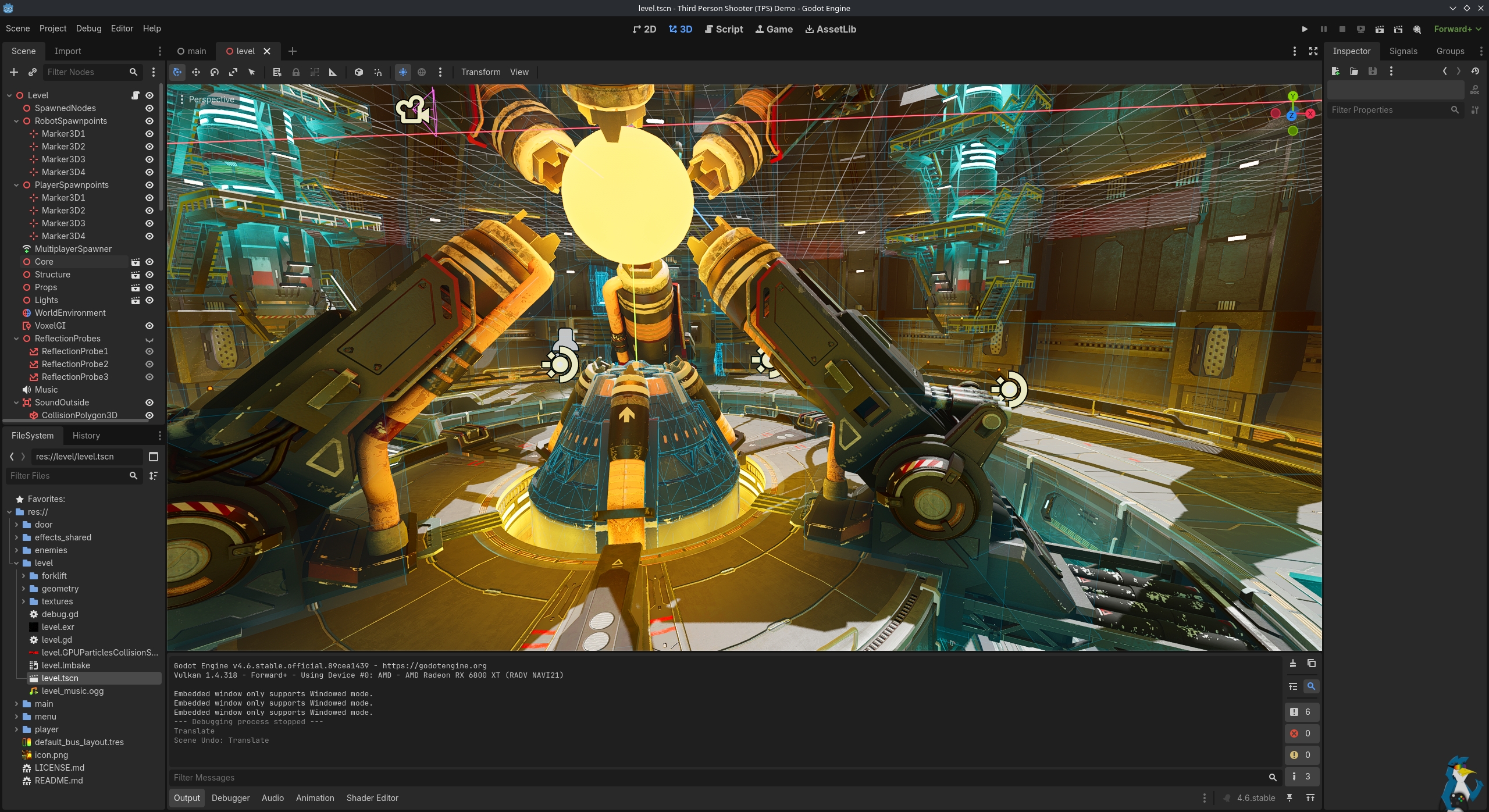
To understand the rise of Aidan Origin, it is helpful to compare its positioning against the dominant players in the 2026 ecosystem: Godot, Unreal Engine, and Unity.
| Feature | Aidan Origin | Godot Engine (Current) | Unreal Engine 5+ |
|---|---|---|---|
| Licensing | MIT / Open Source | MIT / Open Source | Royalty-based / Proprietary |
| Primary Language | C++ / Rust Bindings | GDScript / C# / C++ | C++ / Blueprints |
| Architecture | ECS-First (Pure) | Node-based | Object-Oriented / ECS hybrid |
| Best For | High-performance 3D & Sim | 2D and mid-range 3D | AAA Visuals / Large Teams |
| Source Access | Fully transparent | Fully transparent | Source-available (restricted) |
| Footprint | Ultra-lightweight | Lightweight | Heavy |
Why Open Source Engines Dominate the 2026 Landscape
The "rise" mentioned in the title is not accidental. Several factors contributed to the mass adoption of open-source gaming engines like Aidan Origin over the past three years.
The Death of the "Black Box"
In the early 2020s, developers often hit "engine walls"—bugs or limitations deep within a proprietary engine that they could not fix because they didn't have access to the source code. In 2026, the industry standard has shifted. Developers now demand the ability to "look under the hood." If a studio encounters a bug in Aidan Origin, they can fix it in-house and push the patch to the main repository, benefiting the entire community.
Economic Predictability
The volatility of the global economy has made "per-install" fees or "revenue share" models a risk factor for studio investors. Open-source engines provide a predictable cost structure. Studios invest in talent (developers and artists) rather than licensing fees. This shift has democratized high-end game development, allowing studios in emerging markets to compete on a global scale without the overhead of massive tech royalties.
Community-Driven Innovation
Open-source engines iterate faster. Because Aidan Origin is supported by a global network of contributors, it often implements support for new hardware APIs (such as updated Vulkan extensions or new console SDKs) faster than corporate entities that have to navigate internal bureaucracies.
Implementing Aidan Origin: Prerequisites and Workflow
Transitioning to an engine like Aidan Origin requires a shift in mindset, especially for developers used to the "all-in-one" editor experience of Unity or Unreal.
- Skillset Requirements: Aidan Origin favors developers who understand memory management and modern C++. While there are high-level scripting wrappers (typically in Lua or Rust), the engine’s power is best harnessed by those comfortable with its low-level API.
- Tooling Integration: The engine is designed to be "tool-agnostic." Instead of a mandatory internal editor, it integrates seamlessly with industry-standard software like Blender for modeling and VS Code or JetBrains for programming.
- Building the Engine: One of the first steps in an Aidan Origin project is building the engine from the source for your specific target platform. This ensures that you aren't carrying unnecessary overhead into your final build.
- The Module Ecosystem: Developers typically start by selecting the "Origin Core" and then pulling in community-verified modules for networking (often using the "Aidan-Net" protocol) and physics (using Jolt or similar integrations).
Challenges and Considerations
Despite its rise, Aidan Origin is not without its hurdles. Being an open-source project means it lacks the massive, centralized support staff of a multi-billion-dollar corporation.
- Documentation Gaps: Like many open-source projects, the documentation can occasionally lag behind the rapid pace of development. Users often rely on Discord communities and GitHub Discussions rather than official manuals.
- Asset Store Maturity: While the Aidan ecosystem has a growing repository of plugins and assets, it does not yet match the sheer volume of the Unity Asset Store or Unreal Marketplace.
- Learning Curve: The pure ECS architecture is significantly more efficient but has a steeper learning curve for developers trained in traditional object-oriented programming (OOP).
Frequently Asked Questions
Is Aidan Origin suitable for 2D game development?
While Aidan Origin can handle 2D through its orthographic rendering modules, its primary strength lies in high-performance 3D environments. For pure 2D projects, many developers still prefer Godot due to its specialized 2D toolset and ease of use. Aidan Origin is the better choice when 2D games require massive entity counts (e.g., thousands of active units in a strategy game) where the ECS architecture provides a performance edge.
What are the licensing costs for commercial projects?
There are no licensing costs for using Aidan Origin. It is typically released under the MIT or Apache 2.0 license, meaning you can use it for commercial projects without paying royalties or per-seat fees. You own your code and your game entirely.
How does Aidan Origin handle console porting?
Console support is managed through "platform layers." While the open-source core is public, the specific code required to run on proprietary consoles (like PlayStation 5 or Nintendo’s successors) is usually handled by specialized middleware partners or through private repositories accessible only to licensed developers. This is a standard practice to comply with console manufacturer NDAs.
Can I use C# with Aidan Origin?
By 2026, several community-driven bindings have been developed for C#. However, because the engine is designed for maximum performance, the C# layer incurs a small Marshalling overhead. Most production-level Aidan Origin projects utilize the native C++ API or the increasingly popular Rust integration for safety and speed.
How does the engine handle VR and AR?
Aidan Origin has a dedicated "XR Module" that supports OpenXR by default. Its low-latency rendering pipeline makes it particularly well-suited for VR development, where maintaining a consistent 90+ FPS is critical for user comfort.
Final Recommendation for Developers
If you are a developer or a studio head looking for a "future-proof" technology stack in 2026, Aidan Origin is a top-tier candidate. It is specifically recommended for projects that require high technical performance, custom rendering pipelines, or long-term maintenance cycles where proprietary licensing risks are unacceptable. To get started, begin by exploring the "Origin-Core" repository on GitHub and joining the community-led workshops that focus on data-oriented architecture.
Image Gallery