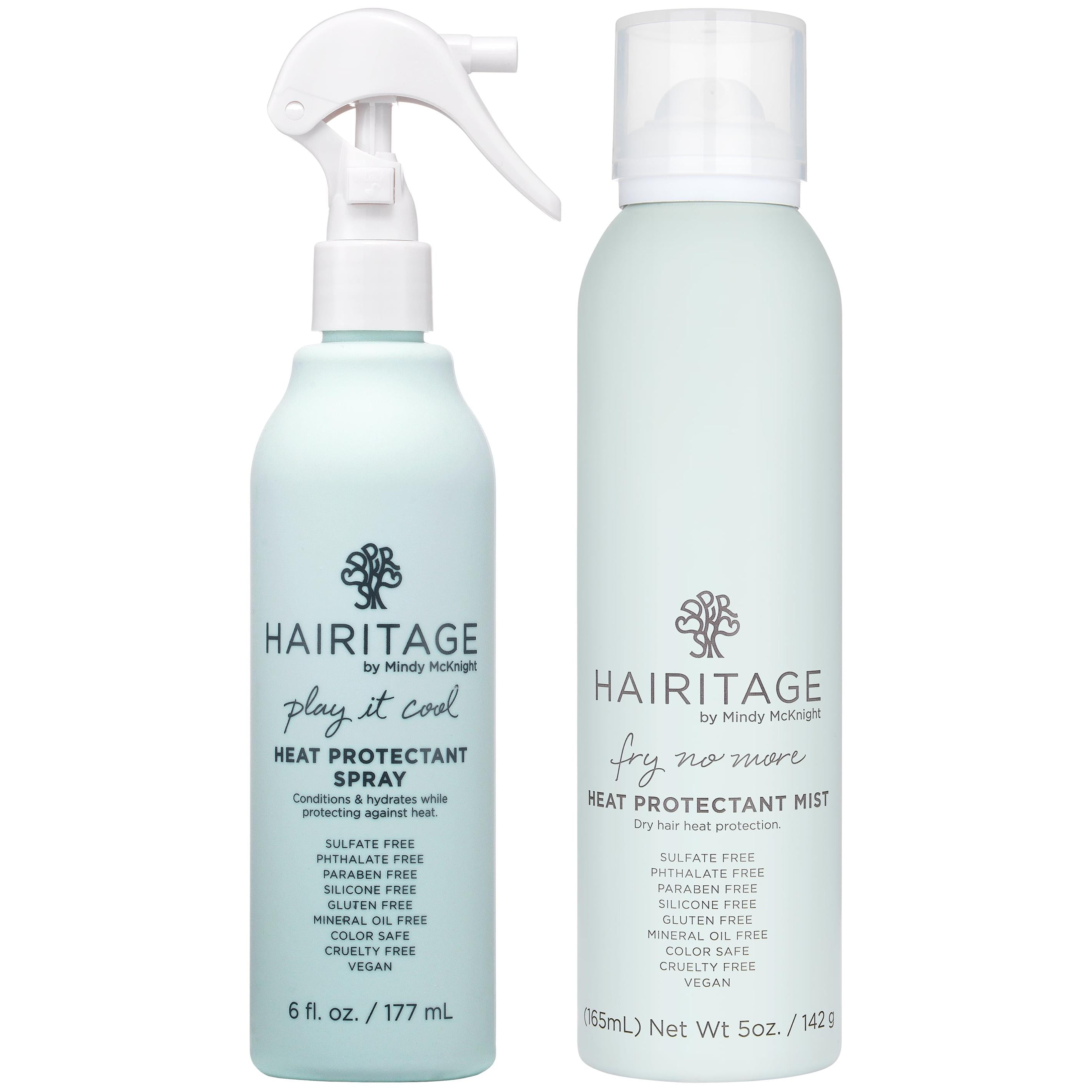
Understanding Dry Heat Protectant for Hair: Formulations and Application
A dry heat protectant for hair is a specialized styling product designed to shield hair cuticles from the high temperatures of thermal tools, such as flat irons and curling wands, when applied to dry strands. These formulas prioritize...
A dry heat protectant for hair is a specialized styling product designed to shield hair cuticles from the high temperatures of thermal tools, such as flat irons and curling wands, when applied to dry strands. These formulas prioritize quick evaporation and non-sticky finishes, providing a thermal barrier that prevents moisture loss, structural protein damage, and surface scorching during styling sessions.
Contents
The Science of Thermal Protection
Thermal damage to hair is essentially a denaturation of the proteins that give hair its strength and elasticity. When hair is exposed to temperatures exceeding 300°F (149°C), the water molecules trapped within the cortex can expand rapidly, leading to "bubble hair" or cuticle fracturing.
Dry heat protectants function differently than wet-application formulas, which are typically designed for use on damp hair before blow-drying. Dry formulas often utilize specific silicone polymers—such as dimethicone or cyclopentasiloxane—that possess high heat tolerance and low volatility. These polymers coat the hair shaft, creating a physical barrier that slows heat conduction, ensuring the internal structure of the hair heats up gradually rather than instantly.
Key Ingredients to Identify
When evaluating a dry heat protectant, the ingredient list is the most reliable indicator of performance. Effective products typically contain a combination of the following:
- Silicones: These are the workhorses of heat protection. They provide "slip" to reduce friction during the use of a flat iron, which prevents mechanical breakage, while simultaneously smoothing the cuticle.
- Hydrolyzed Proteins: Ingredients like wheat or silk protein may be included to temporarily reinforce the hair's surface, filling in gaps in the cuticle.
- Humectants and Conditioning Agents: Lightweight oils, such as argan or jojoba, are often included in small amounts to maintain the hair's flexibility after the heat has been applied.
- Propellants (in sprays): If the product is an aerosol, propellants like hydrofluorocarbon 152A are used to ensure an even, fine mist that dries on contact, avoiding the dampness that would cause "steam-fry" damage.
Proper Application Protocols
Applying a heat protectant to dry hair requires a different technique than wet application. The goal is to distribute the product evenly without creating patches of moisture that could react negatively to the heat of the iron.
- Sectioning: Divide your hair into manageable sections. This ensures you do not miss spots or oversaturate any single area.
- Distance: Hold the spray bottle at least 8 to 10 inches away from the head. This distance allows the product to mist lightly over the surface of the hair rather than soaking it.
- Light Misting: A "less is more" approach is vital. The hair should feel dry to the touch within seconds of application. If the hair feels damp, the product has been applied too heavily.
- Combing: Use a wide-tooth comb to distribute the product through the mid-lengths and ends, where damage is most common and the hair is typically oldest and most porous.
- Wait Time: Always wait approximately 30 to 60 seconds after application before touching the section with a high-heat tool. This allows any residual solvents to evaporate completely.
Comparison of Heat Protection Modalities
| Feature | Dry Heat Protectant | Wet/Leave-in Protectant |
|---|---|---|
| Application Timing | Immediately before ironing | Before blow-drying |
| Primary Texture | Mist, aerosol, or dry oil | Cream, lotion, or spray |
| Target Function | Thermal barrier for styling | Moisture retention & detangling |
| Residue | Minimal to none | Can feel heavier/tacky |
| Tool Suitability | Flat irons and curling wands | Blow dryers and diffusers |
Common Mistakes and Troubleshooting
The most frequent error users commit is applying a liquid-based protectant intended for damp hair onto dry hair. If you hear a "hissing" sound or see steam rising from your hair when using an iron, you have likely used a water-based product that is not formulated for dry-heat usage. This steam creates extreme heat spikes that can literally boil the moisture inside the hair shaft, causing internal cavitation.
If you find that your hair feels brittle despite using a protectant, consider the following:
- Tool Calibration: Many consumer-grade hot tools do not have accurate thermostats. Even if the device is set to 350°F, it may be spiking significantly higher. Using a tool with a digital, calibrated display is advised.
- Pass Count: Excessive passes over the same section of hair will negate the benefits of any protectant. Aim for one slow, fluid pass rather than multiple quick taps.
- Product Buildup: Over-accumulation of silicone can make hair appear dull and stiff. Incorporate a clarifying shampoo into your routine once every two weeks to remove residual polymers that are no longer protecting the hair.
Frequently Asked Questions
Can I use a heat protectant designed for blow-drying on dry hair? Generally, no. Water-based formulas meant for blow-drying contain high levels of water or alcohol, which can cause steam damage when hit with a flat iron. Only use products explicitly labeled for "dry styling" or "dry heat protection."
Does a heat protectant make my hair completely immune to damage? No. Heat protectants mitigate the risk and severity of thermal damage, but they cannot make hair invincible. High-heat styling always carries some degree of risk; the product acts as an insurance policy, not a shield of total immunity.
How often should I use a dry heat protectant? You should apply a light mist every single time you use a hot tool. There is no cumulative "bank" of protection; the product must be present on the hair shaft during each thermal exposure event.
Can I apply hair oil after using a dry heat protectant? Yes, but do so after styling. Applying heavy oils before ironing can sometimes lead to localized overheating. It is safer to style with your dry heat protectant and finish with a small amount of oil to tame flyaways.
Is it necessary to use a heat protectant if my iron has ceramic plates? Yes. While ceramic plates distribute heat more evenly than metal plates, they still reach temperatures high enough to cause protein degradation. Ceramic technology improves the quality of the heat but does not replace the need for a protective barrier.
Recommendation for Best Results
To ensure the health of your hair in 2026, invest in a dedicated dry-styling mist that utilizes high-quality, lightweight silicone polymers. Always prioritize tools with adjustable temperature settings and avoid exceeding 365°F (185°C) for most hair types. Before beginning your styling routine, perform a "patch test" on a small, inconspicuous section of hair at the nape of your neck to ensure the product does not leave an undesirable texture or cast.
Image Gallery