Understanding the Operational, Safety, and Traffic Impacts of a Tractor Trailer Crash on I-75 in Miami-Dade County
A tractor trailer crash on Interstate 75 in Miami-Dade County routinely triggers severe multi-lane closures, extensive delays, and complex multi-agency emergency responses. These major commercial vehicle incidents require specialized h...
A tractor trailer crash on Interstate 75 in Miami-Dade County routinely triggers severe multi-lane closures, extensive delays, and complex multi-agency emergency responses. These major commercial vehicle incidents require specialized heavy-duty recovery operations, hazardous material assessments, and rigorous traffic management protocols to restore safe passage along this vital South Florida transportation artery.
Contents
Overview of Interstate 75 Through Miami-Dade County
Interstate 75 serves as a critical national and regional freight corridor, connecting the industrial hubs of the Midwest and the Southeastern United States directly to South Florida. Within Miami-Dade County, the southernmost section of I-75 terminates at the Palmetto Expressway (State Road 826) and I-75’s connection with the Homestead Extension of Florida's Turnpike (HEFT) and Gratigny Parkway. This convergence handles massive volumes of daily commuter traffic mixed with heavy commercial semi-trucks, logistics carriers, and international freight moving to and from local distribution centers and port facilities.
Because this stretch combines high-speed commuter flows with heavy commercial payload carriage, any disruption—particularly a tractor trailer crash—creates immediate systemic bottlenecks. The physical configuration of the highway, characterized by elevated ramps, complex interchanges, and concrete barrier-lined express lanes, complicates both the initial collision dynamics and the subsequent emergency response. Understanding the geometry of this corridor helps explain why commercial vehicle accidents here cause disproportionate congestion compared to standard passenger vehicle fender-benders.
Anatomy of a Commercial Vehicle Incident on Major Corridors
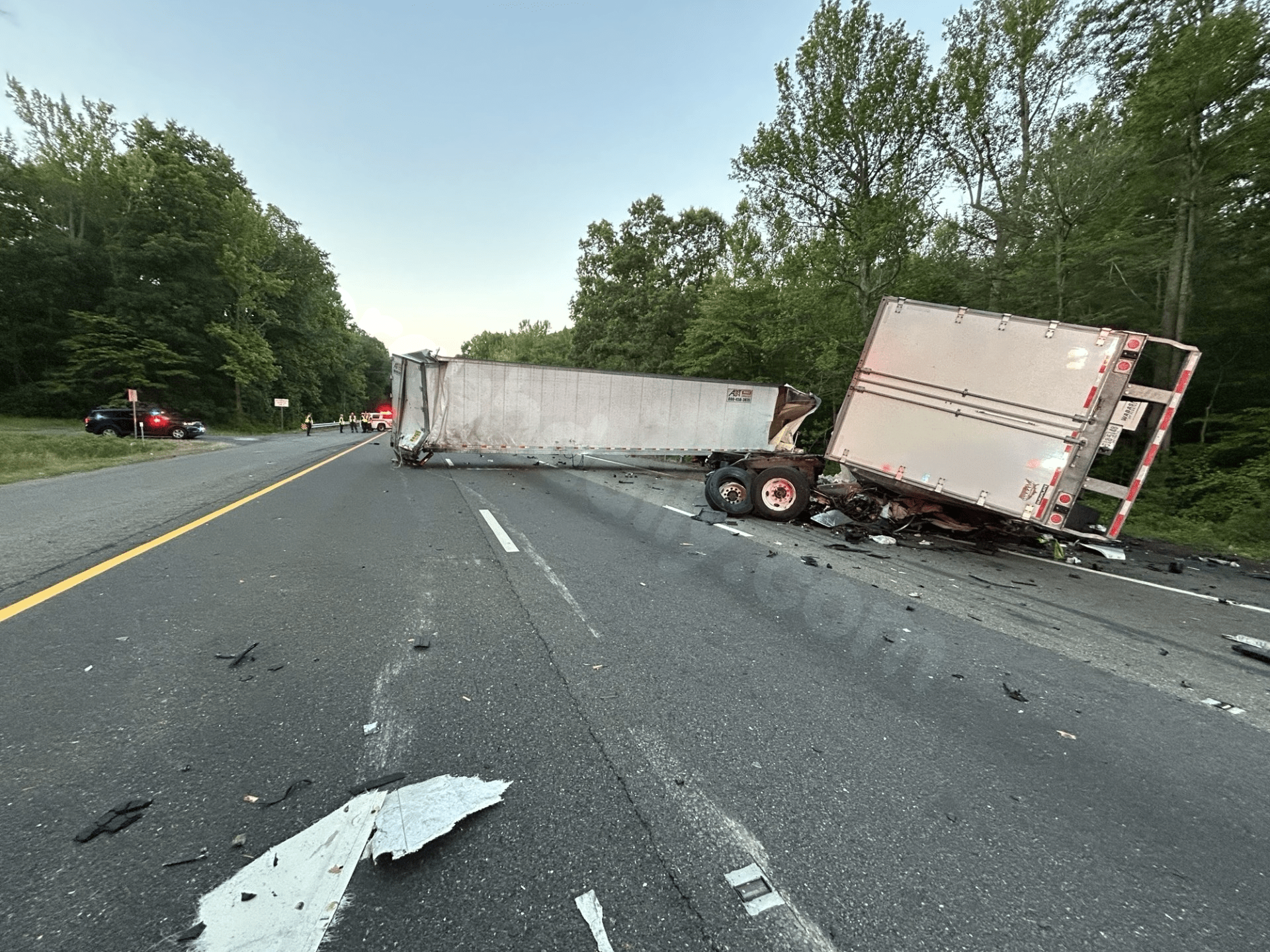
When a semi-truck or tractor-trailer is involved in a collision on I-75, the physical forces and operational challenges multiply exponentially due to the sheer size and weight of the vehicles. Fully loaded commercial trucks can weigh up to 80,000 pounds or more, depending on federal and state permit limits. Consequently, crashes often involve jackknifing, rollovers, cargo spills, or multi-vehicle pileups that span multiple travel lanes.
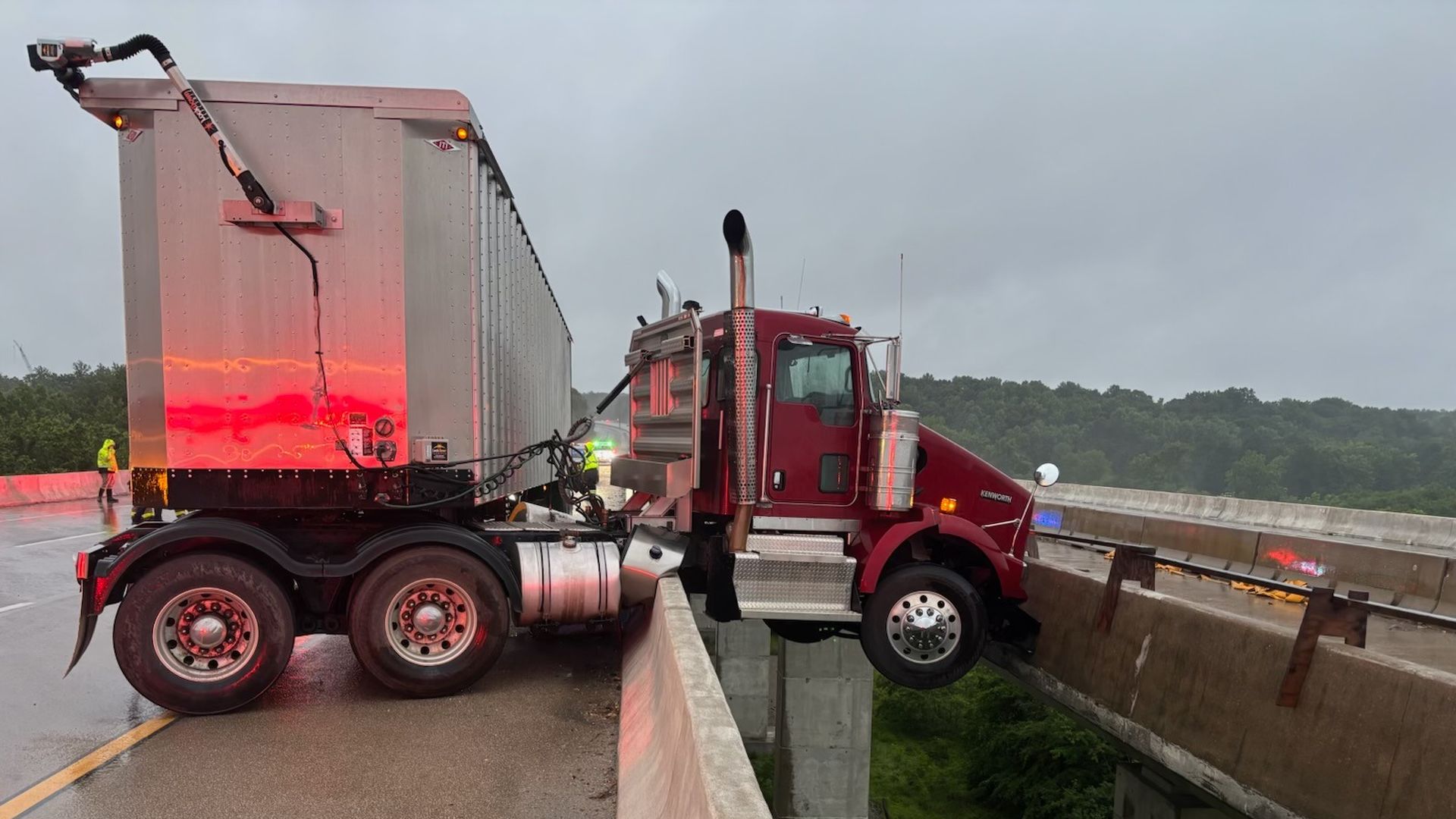
The primary factors contributing to commercial vehicle crashes on urban interstate segments typically include driver fatigue, congested traffic flow fluctuations, sudden speed drops, distracted driving, and adverse weather conditions such as sudden tropical downpours common in South Florida. When a tractor-trailer loses control, it frequently impacts concrete traffic barriers, damages overhead signage, or ruptures fuel and hydraulic fluid lines, transforming a simple collision into an environmental and structural hazard.
Emergency Response and Multi-Agency Coordination
Managing a severe tractor-trailer crash on I-75 requires a coordinated, multi-agency response model involving several key entities:
- Florida Highway Patrol (FHP): Serves as the lead law enforcement agency responsible for securing the scene, managing traffic diversion, conducting the primary crash investigation, and overseeing the reopening of lanes.
- Local Fire Rescue and Emergency Medical Services (EMS): Provides rapid extrication, triage, and transport for injured motorists, utilizing specialized heavy rescue units equipped for commercial vehicle metal cutting and structural stabilization.
- Florida Department of Transportation (FDOT): Deploys Road Ranger service patrols, manages electronic message boards to warn approaching motorists, and coordinates structural engineers if bridges or barriers are impacted.
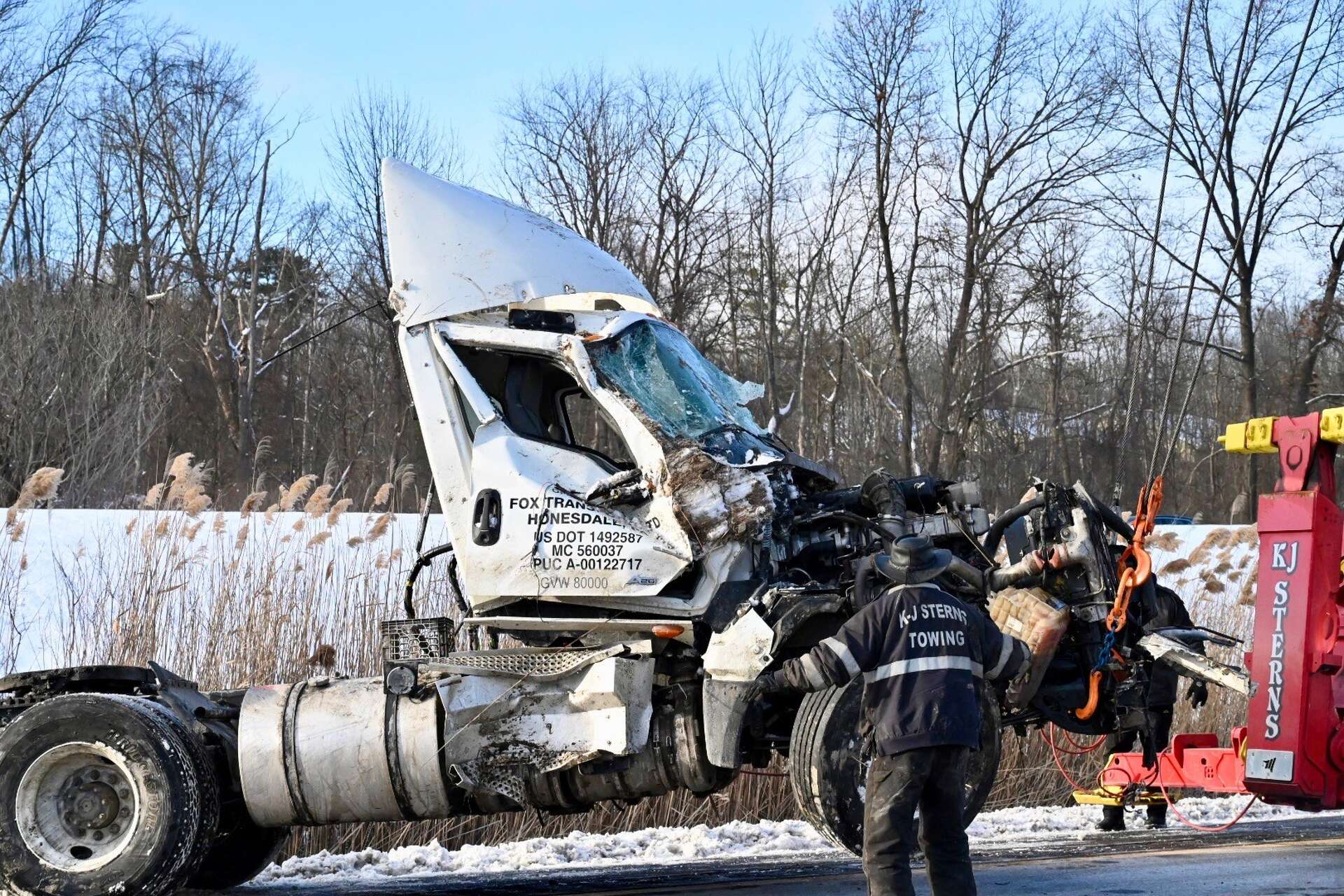
- Specialized Towing and Recovery Operators: Heavy-duty towing companies utilize rotators and specialized rigging to upright overturned semi-trucks and clear disabled rigs without causing secondary damage to the roadway surface.
Traffic Management and Commuter Impact Mitigation
The closure of I-75 lanes due to a commercial truck accident instantly impacts regional mobility across Miami-Dade and neighboring Broward County. Because many freight carriers and commuters rely on this route for north-south travel, traffic quickly backs up past the Broward-Miami-Dade county line.
Transportation authorities rely on Intelligent Transportation Systems (ITS), including closed-circuit traffic cameras and dynamic message signs, to divert drivers onto alternative routes such as U.S. 27 (Krome Avenue), Florida's Turnpike, or Interstate 95 via State Road 826. However, these alternate arteries quickly become oversaturated, leading to gridlock across western Miami-Dade municipalities like Hialeah, Miami Lakes, and Doral.
| Incident Severity | Typical Lane Closures | Estimated Clearance Time | Primary Diversion Routes |
|---|---|---|---|
| Minor Cargo Spill / Disabled Rig | Emergency shoulder and right lane | 1 to 2 hours | Adjacent general-use lanes, local arterials |
| Jackknife / Single-Truck Rollover | Multiple northbound or southbound lanes | 3 to 5 hours | Florida's Turnpike, State Road 826 |
| Major Multi-Vehicle Pileup / Hazmat | Total directional closure | 6+ hours | U.S. 27 (Krome Avenue), Interstate 95 |
Environmental, Hazardous Materials, and Cargo Considerations
A significant dimension of tractor-trailer accidents on I-75 involves the nature of the cargo being transported. Freight carriers moving through South Florida haul everything from consumer goods and perishable food to hazardous materials, industrial chemicals, and commercial fuels.
When a truck overturns or suffers a fuel tank rupture, county and state environmental protection agencies must respond to contain diesel fuel and oil runoff before it contaminates local drainage canals and the fragile Everglades ecosystem bordering western I-75. If hazardous materials are breached, specialized hazardous materials (HazMat) teams must perform rigorous containment, neutralization, and decontamination procedures before heavy wreckers are permitted to move the wreckage. Furthermore, spilled commercial cargo requires manual offloading or secondary cargo-transfer trucks, which significantly extends the duration of full-lane closures.
Legal, Regulatory, and Safety Compliance Framework
Following any major commercial vehicle crash, federal and state regulatory bodies initiate thorough reviews to determine liability and ensure compliance with safety standards. The Federal Motor Carrier Safety Administration (FMCSA) mandates strict regulations regarding driver hours of service, electronic logging devices (ELDs), vehicle maintenance schedules, and weight limits.
Investigators examine truck maintenance records, driver qualification files, and black-box engine control module (ECM) data to ascertain speed, braking applications, and mechanical integrity prior to impact. For motorists and stakeholders impacted by these collisions, navigating the legal and insurance complexities requires understanding commercial liability limits, trucking insurance policies, and state statutes of limitations governing personal injury and property damage claims.
Frequently Asked Questions
What causes most tractor-trailer crashes on I-75 in South Florida?
Most commercial vehicle crashes on this corridor are attributed to heavy traffic congestion, sudden speed differentials between passenger cars and heavy trucks, driver fatigue, and severe weather events such as heavy rain squalls that reduce visibility and traction.
How long does it typically take to clear a semi-truck accident on the interstate?
Clearance times vary widely based on severity. A minor breakdown or single-lane blockage may be cleared in under two hours, whereas a complete rollover involving a fuel spill or spilled cargo frequently requires four to eight hours of specialized heavy recovery work.
Which agencies are responsible for managing I-75 traffic incidents?
The Florida Highway Patrol handles the accident scene investigation and traffic flow, while the Florida Department of Transportation manages highway infrastructure, electronic warning systems, and coordinated detours through its SunGuide transportation management centers.
Are hazardous materials frequently transported along this section of I-75?
Yes, I-75 is a primary freight route carrying diverse commercial goods, including regulated hazardous materials and industrial chemicals, requiring specialized emergency response protocols whenever a commercial truck is compromised.
What should motorists do if they encounter a major truck accident ahead?
Drivers should immediately reduce speed, activate hazard lights to alert trailing traffic, monitor dynamic message signs for detour instructions, and avoid rubbernecking to prevent secondary rear-end collisions.
Next Actions and Safety Recommendations
For motorists regularly commuting along the I-75 corridor through Miami-Dade County, maintaining heightened situational awareness remains the best defense against commercial vehicle incidents. Keep a safe following distance behind large semi-trucks—ensuring you can clearly see the truck's side mirrors—and avoid lingering in blind spots alongside or directly behind heavy trailers. In the event of an active accident scene or major lane closure, follow all instructions issued by FHP troopers and FDOT personnel, utilize verified real-time navigation applications for dynamic rerouting, and prioritize zipper-merge principles when directed to merge into open travel lanes.
Image Gallery