Why Term Coverage Life Insurance Daytown Beats Other Options
Term coverage life insurance in Daytown beats other options by delivering maximum financial protection for a fraction of the cost of permanent policies, aligning strictly with the actual timeline of a family's financial obligations. Wh...
Term coverage life insurance in Daytown beats other options by delivering maximum financial protection for a fraction of the cost of permanent policies, aligning strictly with the actual timeline of a family's financial obligations. When evaluating how to secure dependents against unexpected loss, understanding the structural differences between temporary protection and permanent cash-value products clarifies why localized, term-based strategies consistently outperform alternatives for the vast majority of consumers.
Contents
Understanding Term Life Insurance Fundamentals
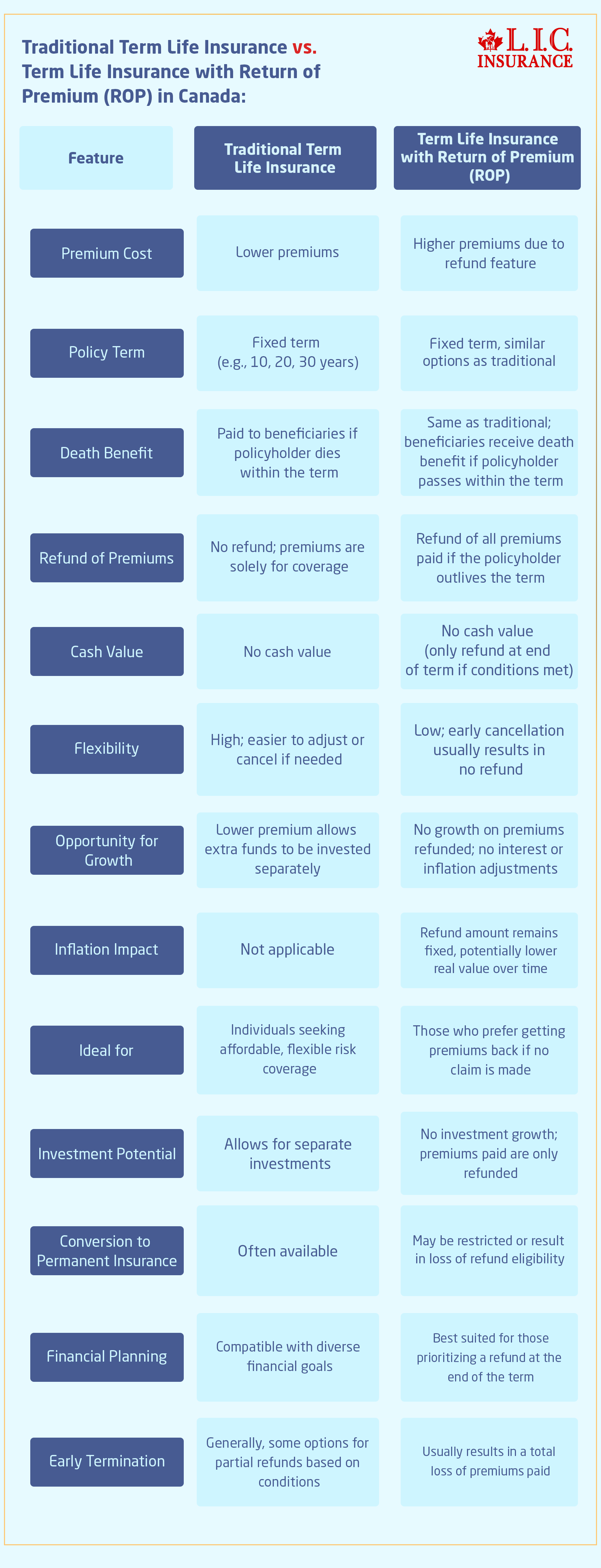
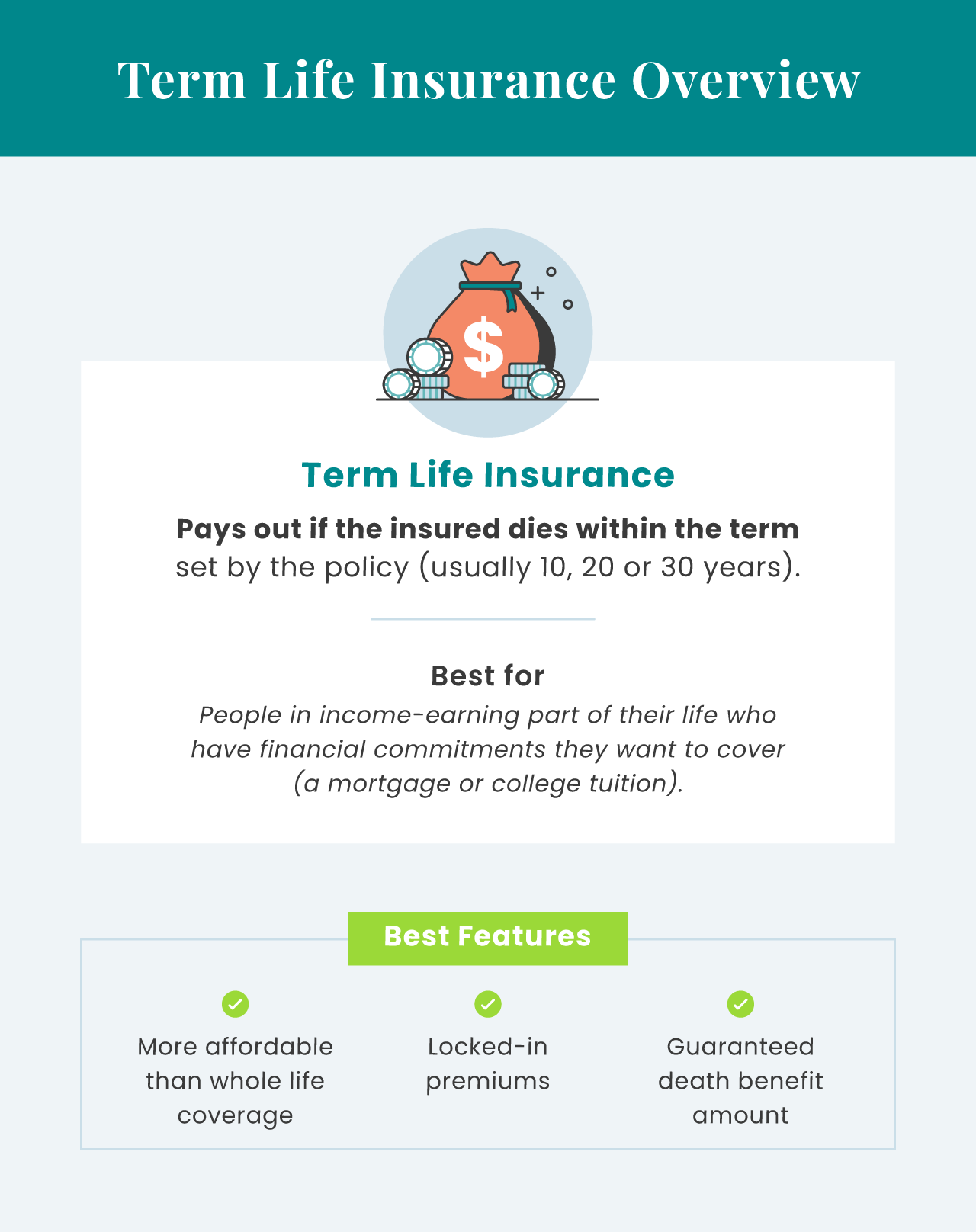
Term life insurance operates on a straightforward principle: it provides pure death benefit protection for a specified duration, or "term," typically ranging from ten to thirty years. If the insured passes away during this active window, the designated beneficiaries receive the tax-free death benefit payout. If the term expires and the policyholder is still alive, the coverage lapses without accumulating any cash value. This simplicity is its primary advantage.
Unlike whole life or universal life policies that bundle insurance with an investment or savings component, term coverage separates insurance from wealth accumulation. By stripping away the complex investment mechanisms, management fees, and internal costs associated with permanent policies, insurers can offer substantially higher death benefit amounts for a much lower monthly or annual premium. For individuals and families in Daytown looking to maximize their safety net during peak earning years—such as when paying a mortgage, funding children’s education, or replacing lost income—term insurance delivers unparalleled efficiency.
Furthermore, modern term life policies frequently feature conversion privileges. This mechanism allows the policyholder to convert their temporary policy into a permanent life insurance plan later in life without undergoing a new medical exam. This flexibility bridges the gap between affordable immediate protection and long-term security, making term coverage a dynamic financial tool rather than a rigid, short-term fix.
Comparing Term Insurance Against Permanent Alternatives
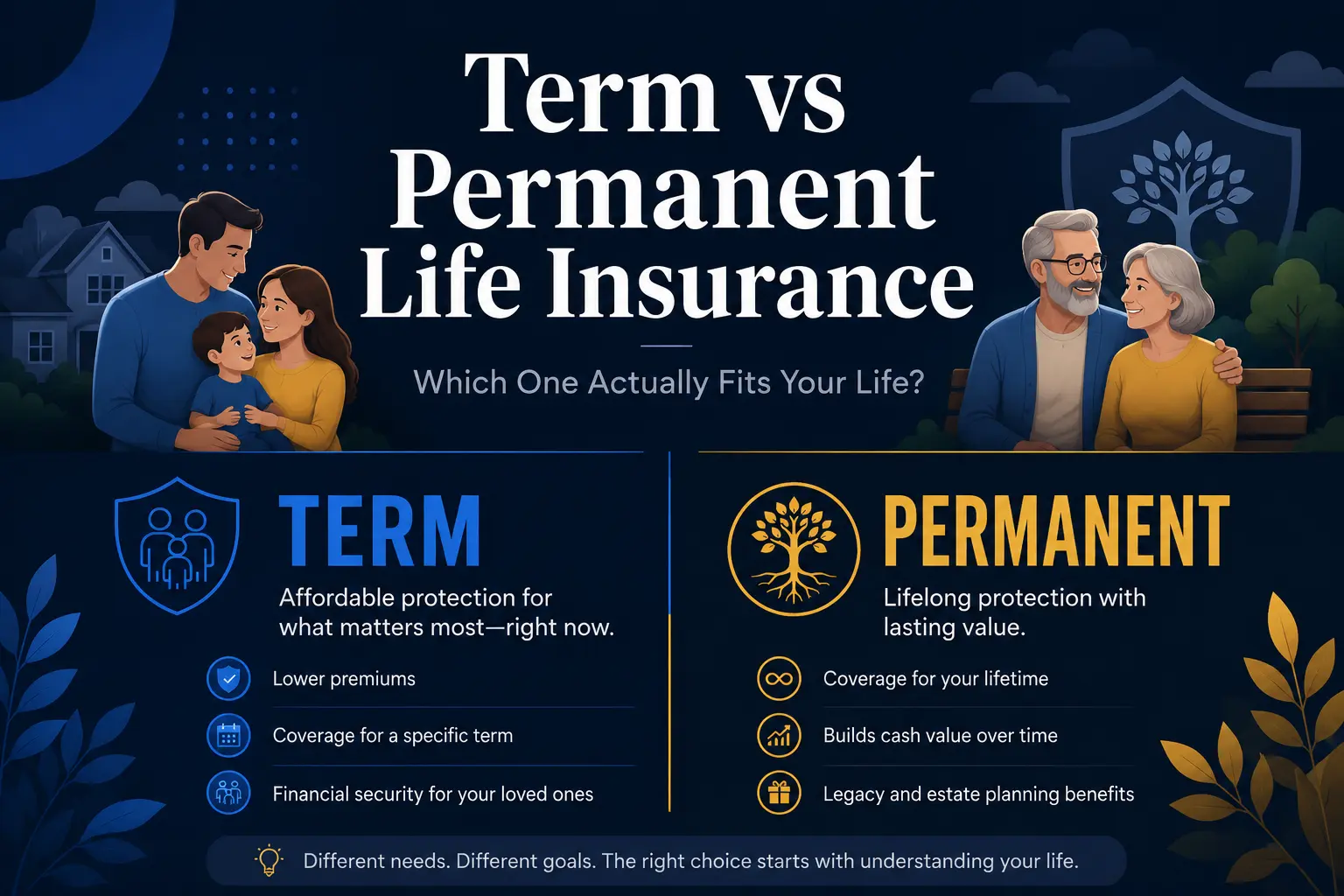
To understand why term coverage outperforms other choices, a direct comparison with permanent insurance products like whole life and universal life is essential. Permanent policies are marketed as lifelong protection bundled with a savings vehicle, but this dual nature comes with significant financial trade-offs.
| Feature / Attribute | Term Life Insurance | Whole Life Insurance | Universal Life Insurance |
|---|---|---|---|
| Duration | Fixed period (10, 20, 30 years) | Lifelong (to age 100 or 121) | Lifelong (flexible premiums) |
| Premium Cost | Low, predictable, and fixed | High (often 5x to 10x term cost) | Moderate to high, adjustable |
| Cash Value | None | Guaranteed growth component | Variable, tied to market indexes |
| Complexity | Simple, pure death benefit | Complex fees, commissions, hurdles | Highly complex, subject to interest rates |
| Primary Utility | Income replacement & debt coverage | Estate planning & final expenses | Flexible lifelong protection |
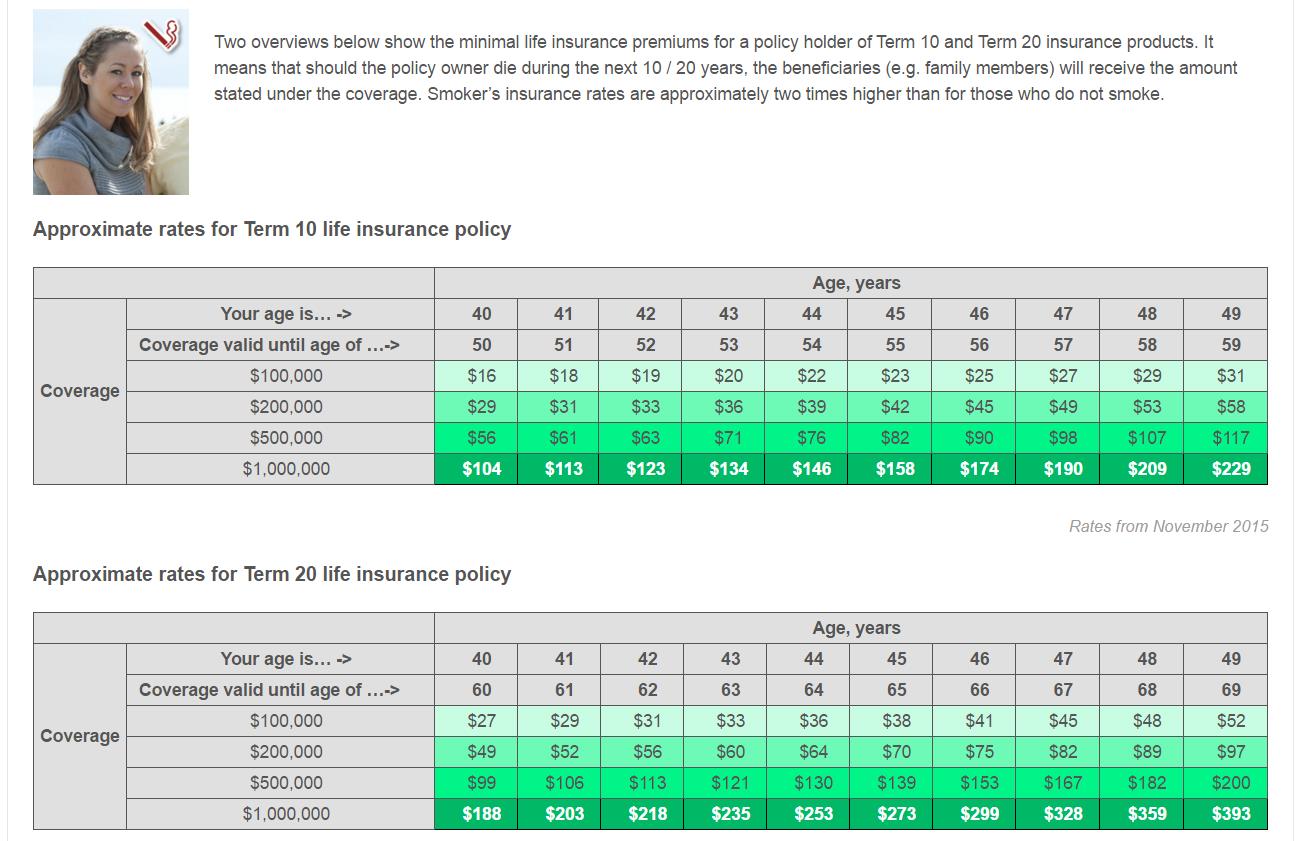
The cost disparity is the most compelling differentiator. A healthy thirty-year-old can often secure a $500,000 term policy for a nominal monthly fee, whereas a whole life policy with the exact same death benefit would demand a prohibitive monthly commitment. Financial advisors frequently advocate the "buy term and invest the difference" strategy. By purchasing affordable term coverage and investing the substantial cost difference in tax-advantaged retirement accounts like a 401(k) or IRA, consumers typically achieve superior long-term wealth growth compared to the meager returns offered by permanent insurance cash-value accounts.
Financial Efficiency and Budget Alignment in Daytown
Household budgets require strategic allocation, and overspending on permanent life insurance can severely constrain a family's day-to-day liquidity and investment potential. Daytown residents navigating local economic conditions benefit from policies that match their actual financial lifecycles rather than paying for lifelong coverage they may not need in their senior years.
Financial liabilities are rarely permanent. A standard mortgage is amortized over fifteen or thirty years. Children eventually graduate, secure employment, and achieve financial independence. Income-earning years peak during mid-life and decline during retirement. Because these major financial liabilities are temporary, insuring them with permanent products is mathematically inefficient. Term coverage allows Daytown policyholders to tailor their policy length directly to their milestone obligations—matching a twenty-year term to a twenty-year mortgage, for example.
Once those obligations disappear and retirement accounts are fully funded, the need for a massive death benefit naturally diminishes. By choosing term coverage, consumers avoid paying inflated premiums during retirement when fixed incomes make high insurance costs burdensome.
Evaluating Underwriting, Medical Exams, and Accessibility
Securing life insurance involves an underwriting process that evaluates age, health history, lifestyle, and occupation. Term policies streamline this evaluation, offering both fully underwritten options and accelerated underwriting paths that utilize database checks rather than invasive medical exams for qualified applicants.
- Fully Underwritten Term Policies: Involve a paramedical exam, blood work, and urine sample collection. These policies generally yield the lowest possible premium rates for healthy individuals because the insurer assumes less risk through verified medical data.
- Accelerated Underwriting: Utilizes prescription history, motor vehicle reports, and medical databases to approve applicants without physical exams, cutting approval times from weeks to mere days.
- No-Exam and Simplified Issue: While accessible, these options often carry higher premiums or lower maximum coverage limits, yet they serve a vital purpose for consumers needing immediate, hassle-free protection.
Daytown applicants benefit from shopping the open market through independent brokers who can shop multiple carriers. Because underwriting guidelines vary significantly from one insurance company to another, an individual classified as standard-risk by one carrier might qualify for preferred rates elsewhere, maximizing the cost-efficiency of a term policy.
Common Pitfalls and How to Avoid Them
Even with the clear advantages of term coverage, consumers frequently make avoidable errors during the selection and application process. Recognizing these pitfalls ensures that the chosen policy performs as intended when beneficiaries need to file a claim.
The most frequent mistake is underestimating the required coverage amount. A common rule of thumb—such as multiplying annual income by ten—often fails to account for inflation, future education costs, or surviving spouse income needs. Calculating a comprehensive human life value or utilizing an accurate needs-analysis worksheet prevents under-insurance.
Another critical error is selecting a term length that is too short. If a thirty-year-old purchases a ten-year term policy to cover young children, the policy will expire when the children are only ten years old, leaving them vulnerable during their teenage and college years. Aligning the term duration with the youngest dependent's age or the longest outstanding debt amortization schedule is vital.
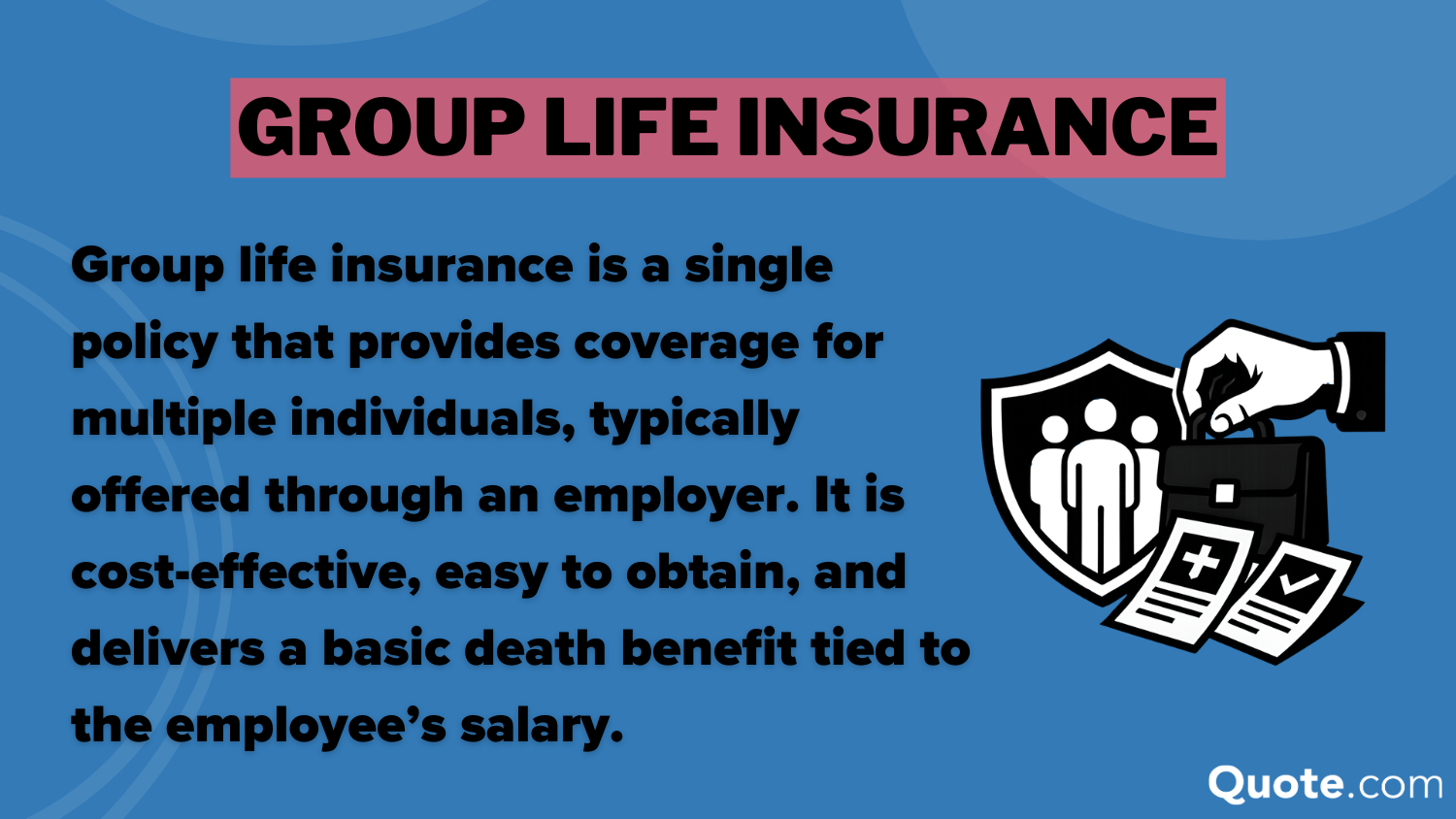
Finally, relying exclusively on employer-provided group term life insurance leaves workers exposed. Group policies are typically limited to one or two times annual salary and, crucially, do not transfer if the employee changes jobs or retires. Securing an individual term policy guarantees rate lock and continuity independent of employment status.
Frequently Asked Questions
How long should my term life insurance policy last?
Your term length should match your longest significant financial obligation. For example, if you just purchased a thirty-year home mortgage and have a newborn child, a thirty-year term policy ensures protection until the mortgage is paid off and the child reaches financial independence.
What happens when my term life insurance policy expires?
When the term expires, coverage ceases unless you renew the policy, convert it to a permanent plan, or let it lapse. Annual renewal is usually available, but premiums increase significantly based on your attained age. Conversion options allow you to switch to permanent coverage without a medical exam, though premium rates will adjust to your current age bracket.
Is a medical exam always required for term coverage?
No, many modern insurers offer accelerated underwriting programs that approve qualified applicants without a physical exam by reviewing electronic health records, prescription databases, and motor vehicle records. However, a traditional medical exam is still required for individuals with complex health histories to secure the lowest possible rates.
Can I have multiple term life insurance policies at the same time?
Yes, consumers frequently use a strategy called "laddering," where they purchase multiple smaller term policies with different expiration dates rather than one large policy. This allows the total coverage amount to decrease over time as debts are paid down, reducing overall premium costs.
What is the difference between level term and decreasing term?
A level term policy maintains a fixed death benefit and a fixed premium throughout the entire duration of the term. A decreasing term policy features a death benefit that drops annually, usually designed to match the declining balance of a mortgage, though level term is generally preferred for its flexibility and value.
Next Steps for Securing Coverage in Daytown
To secure the right term coverage life insurance in Daytown, begin by calculating your total financial obligations, including debt balances, income replacement needs, and future education expenses. Gather quotes from multiple independent carriers to compare pricing structures and underwriting guidelines. Consult with a licensed financial professional or insurance broker to review conversion riders and policy terms, ensuring your chosen safety net provides robust, cost-effective protection tailored to your family's exact timeline.
Image Gallery