The Story Behind Why Maroon 5 Wrote Memories for Their Manager
Maroon 5 wrote the hit song "Memories" as a heartfelt tribute to Jordan Feldstein, the band’s longtime manager and a close personal friend of lead singer Adam Levine. Following Feldstein's unexpected passing in 2017, the song was craft...
Maroon 5 wrote the hit song "Memories" as a heartfelt tribute to Jordan Feldstein, the band’s longtime manager and a close personal friend of lead singer Adam Levine. Following Feldstein's unexpected passing in 2017, the song was crafted as a cathartic expression of grief and a way to celebrate the bond they shared, resonating with millions through its universal themes of loss and remembrance.
Contents
The Significance of the Bond Between Artist and Manager
In the music industry, the relationship between a band and their manager is often described as a marriage. It is a high-stakes professional partnership that necessitates deep personal trust, as the manager is responsible for steering the creative and financial trajectory of the artist’s career. For Maroon 5, Jordan Feldstein was far more than a representative; he was a foundational figure who helped guide the group from their early days as Kara's Flowers to global superstardom.
When an individual who has been integral to the identity and success of a collective passes away, the loss is not merely professional—it is deeply personal. Adam Levine and his bandmates spent years in the trenches with Feldstein, navigating tours, recording sessions, and the volatile nature of the entertainment industry. The creation of "Memories" served as a creative outlet to process a void that the group felt was impossible to fill.
The Genesis of the Song: A Spontaneous Expression of Grief
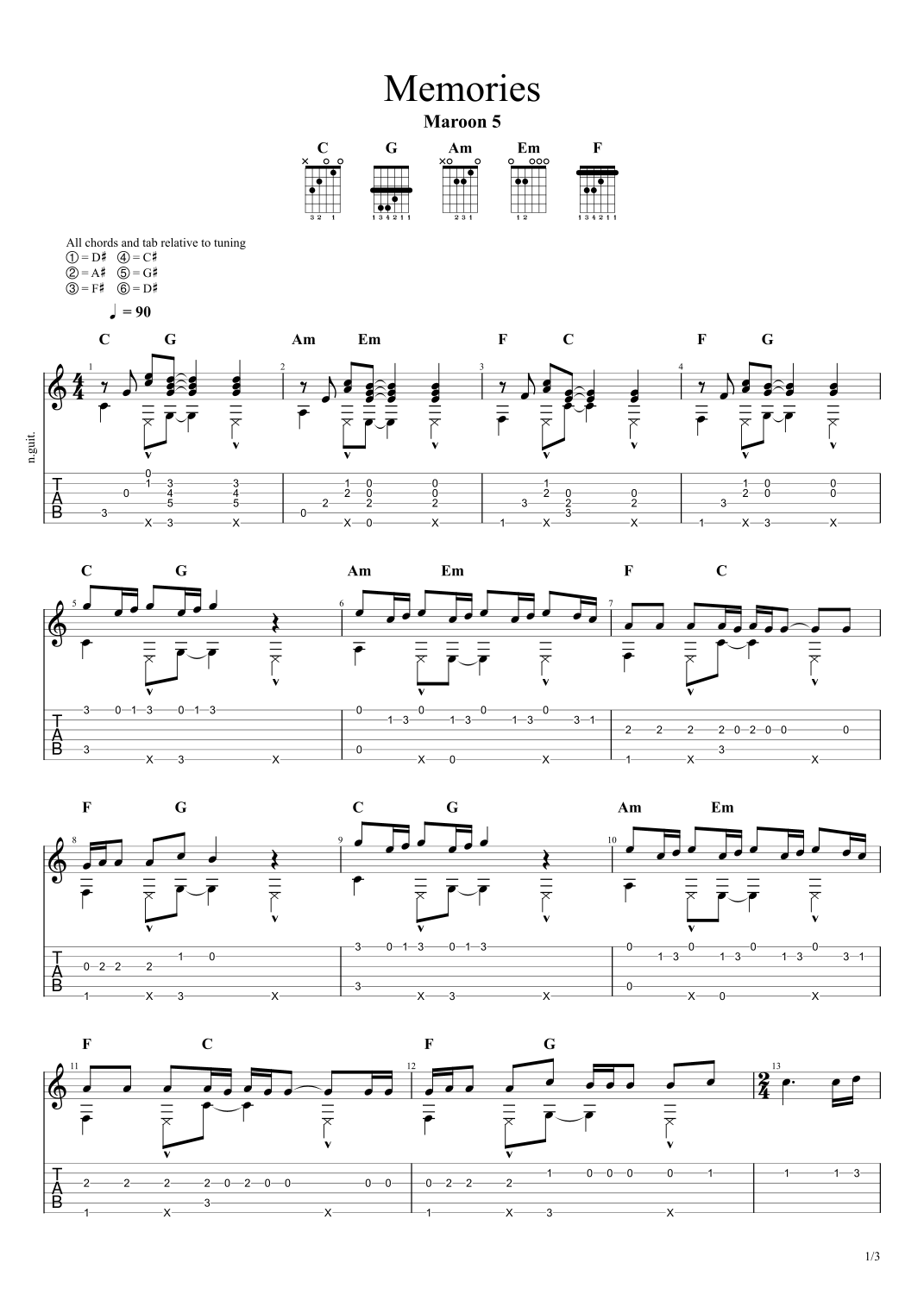
"Memories" stands out in the Maroon 5 discography for its stripped-back production and lyrical vulnerability. Unlike many of the band's high-energy, synth-heavy radio staples, this track relies on a minimalist guitar arrangement that leaves no room for emotional hiding.
The song was born from a period of reflection following Feldstein's death in December 2017. As Levine began writing the lyrics, he was not aiming for a calculated commercial smash; he was attempting to translate his personal experience of loss into something that felt honest. By framing the lyrics around a toast to those we have lost, the band transformed a private moment of mourning into a public-facing anthem. The "toast" imagery—symbolizing a moment where friends gather to share stories of the departed—provided a structure that allowed listeners to project their own experiences of grief onto the song.
Technical Composition and Structural Choices
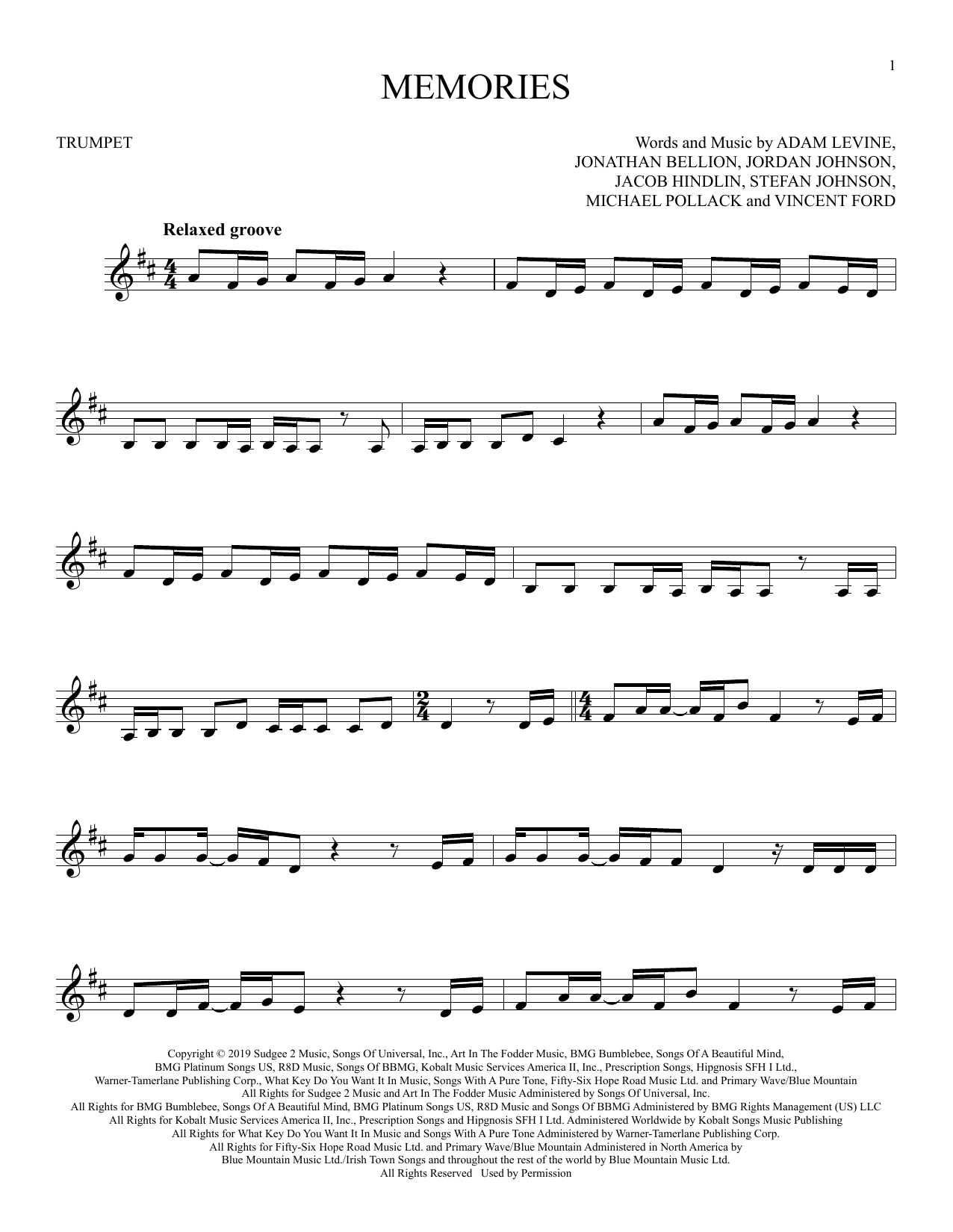
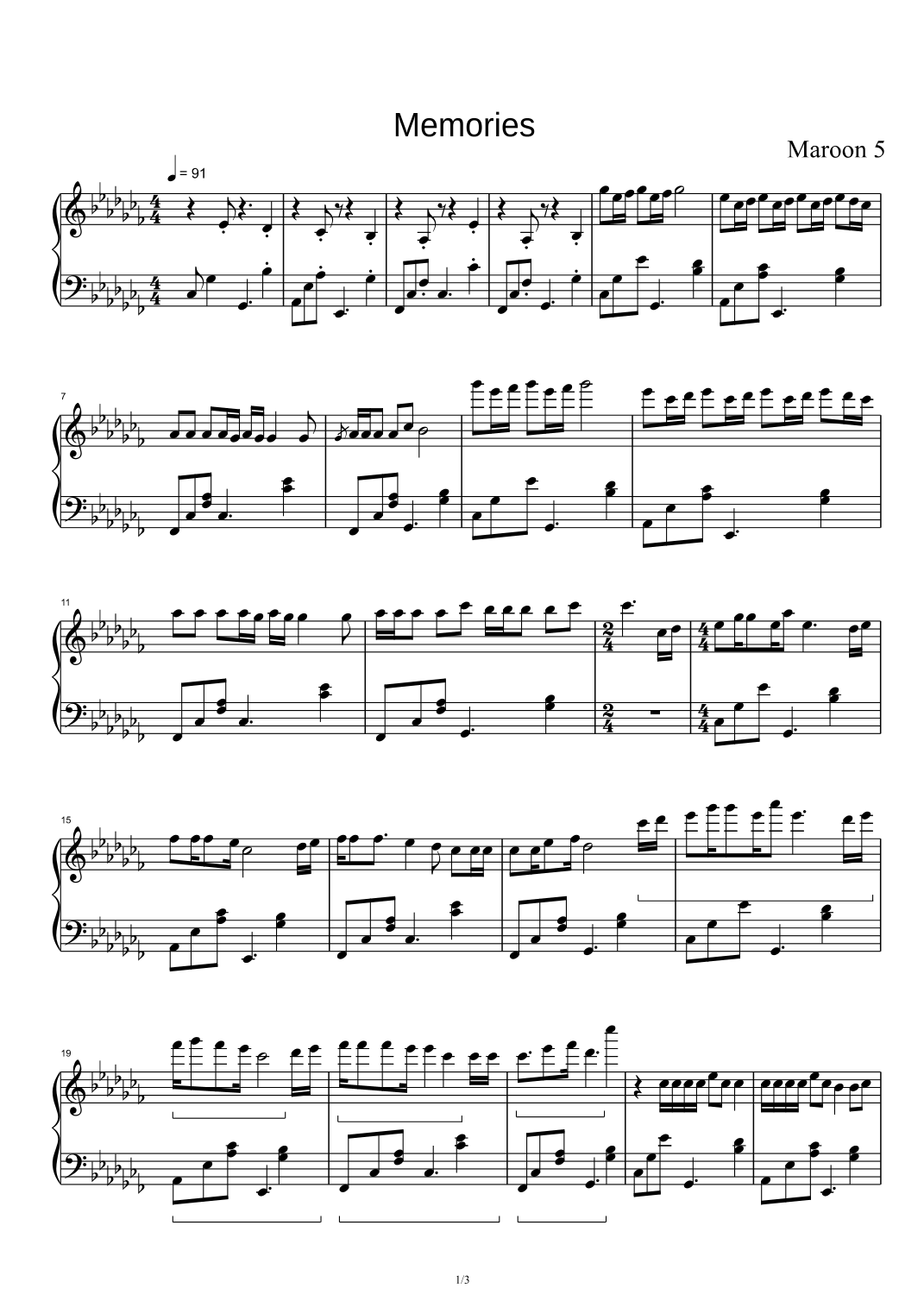
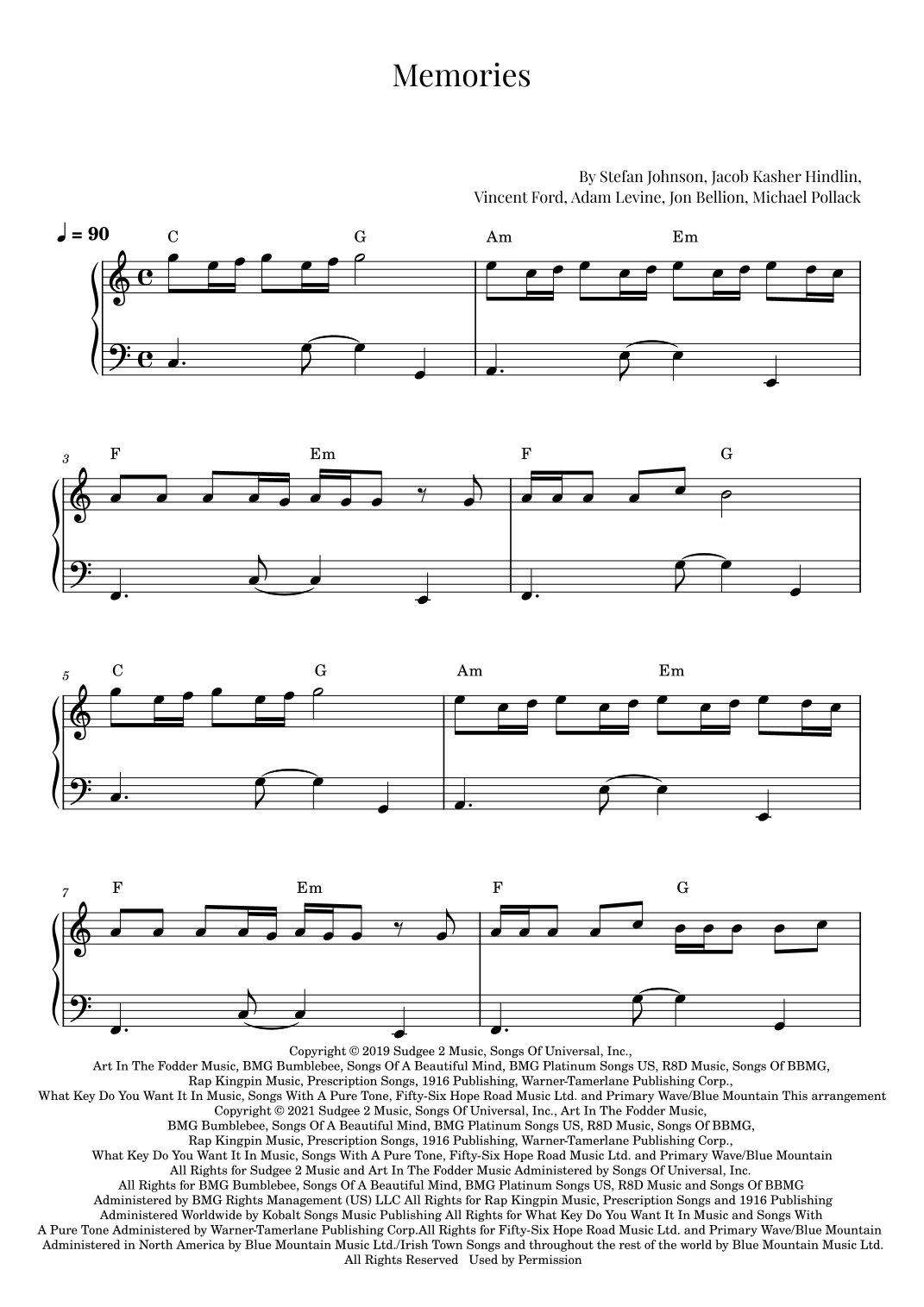
From a technical perspective, the production of "Memories" is a masterclass in emotional restraint. The song samples the melody from Pachelbel’s "Canon in D," a chord progression so familiar and foundational that it triggers a sense of nostalgia in listeners almost immediately. By utilizing this classical framework, the band tapped into a centuries-old musical language of reverence and solemnity.
Key Production Elements
- Minimalism: By keeping the instrumentation sparse, the focus remains entirely on Levine’s vocal delivery. This mirrors the feeling of a quiet, reflective moment of memory.
- Lyrical Accessibility: The lyrics avoid overly specific industry jargon or private references that would exclude the average listener, opting instead for universal emotional touchstones like "everybody hurts sometimes" and "everybody lost someone."
- The Bridge/Chorus Dynamic: The repetitive nature of the chorus acts as a mantra, helping the listener normalize the difficult process of remembering those who are no longer present.
Comparative Analysis of Tribute Songs in Modern Pop
To understand why "Memories" struck such a significant chord with the public, it is helpful to look at how other artists have approached the theme of loss. Many songs in this genre lean into heavy orchestration or high-octane dramatics. Maroon 5 chose a different path, favoring a "pub song" aesthetic—a sing-along style that feels communal rather than lonely.
| Feature | Maroon 5 - "Memories" | Typical Pop Tribute |
|---|---|---|
| Tone | Reflective, communal, warm | Melancholic, dramatic, isolating |
| Tempo | Mid-tempo, acoustic-led | Often slow ballad or power-pop |
| Lyrical Focus | Shared memories and toasts | Personal agony and heartbreak |
| Intended Vibe | Celebration of life | Mourning of the absence |
The Role of the Manager in the Digital Age
The public discourse surrounding "Memories" brought renewed attention to the role of the modern music manager. In 2026, the industry is more decentralized than it was when Maroon 5 first emerged, yet the "architect" figure—the manager who acts as a bridge between the artist’s vision and the global market—remains essential.
Jordan Feldstein’s management style was known for its intensity and hands-on approach. He was instrumental in securing the band’s commercial footing and protecting their creative interests. The public nature of the band's tribute highlighted that behind the "brand" of a globally recognized pop act, there is a human infrastructure. When that infrastructure is fractured by tragedy, the recovery process is visible to the fans, and in this case, it became a seminal moment in the band's career evolution.
Navigating Grief Through Public Art
There is a psychological aspect to why artists choose to write about their managers or mentors. When someone who holds the "map" to your career dies, there is a secondary trauma of uncertainty regarding the future. By composing "Memories," Maroon 5 effectively canonized their past, creating a milestone that allowed them to acknowledge the change in their professional and personal reality.
It is rare for an artist to be so direct about the inspiration behind a track. While many songs are written for partners or family members, dedicating a chart-topping hit to a manager demonstrates the profound impact that professional mentorship can have on an artist’s life. It serves as an acknowledgment that our "work families" are often the people we spend our most formative years with, making their loss feel equal to that of a family member.
Frequently Asked Questions
Did Maroon 5 write other songs about Jordan Feldstein?
While "Memories" is the most prominent and direct tribute, the emotional impact of Feldstein’s passing rippled through the band’s creative process during that period. Many fans interpret subsequent songs as containing echoes of that transition, though "Memories" remains the definitive statement on the subject.
Why did the band choose such a minimalist sound for a tribute?
The band wanted the song to feel intimate and accessible. A complex, layered production would have distracted from the vulnerability of the lyrics. By opting for a simple, guitar-driven melody, the song mimics the feeling of sitting around a table with friends, which matches the song’s central theme of a "toast."
How did the public react to the inspiration behind the song?
The public reaction was overwhelmingly positive. By being transparent about the tragedy that inspired the song, the band allowed fans to connect with the music on a deeper level. It transformed the song from a standard pop track into a cultural touchstone for people navigating their own losses.
What is the primary musical influence of "Memories"?
The song prominently samples Pachelbel's "Canon in D." This classical influence provides a familiar, grounded foundation that evokes feelings of nostalgia and peace, which perfectly complements the lyrical content of the song.
What is the most important takeaway from this tribute?
The song illustrates that even in a high-octane, profit-driven industry, the human bonds formed between managers and artists are genuine. "Memories" serves as a reminder that the people working behind the scenes are often the ones who make the artist's success possible, and their absence is felt just as keenly as anyone else's.
Moving Forward
The release of "Memories" marked a turning point for Maroon 5, proving that their appeal was not limited to dance-floor anthems but could also tap into deep-seated human emotions. For fans and music industry observers alike, the track stands as a testament to the importance of acknowledging those who help build our legacies. Whether in professional or personal spheres, the act of "toasting" to the past is a necessary step in making room for the future.
Image Gallery