Integrative Nutrition Institute Reviews: Curriculum, Value, and Career Outcomes Examined
Evaluating independent feedback about the Institute for Integrative Nutrition (IIN) requires looking past marketing claims to examine core curriculum design, financial costs, credentialing realities, and practical career outcomes for g...
Evaluating independent feedback about the Institute for Integrative Nutrition (IIN) requires looking past marketing claims to examine core curriculum design, financial costs, credentialing realities, and practical career outcomes for graduates entering the wellness industry.
Contents
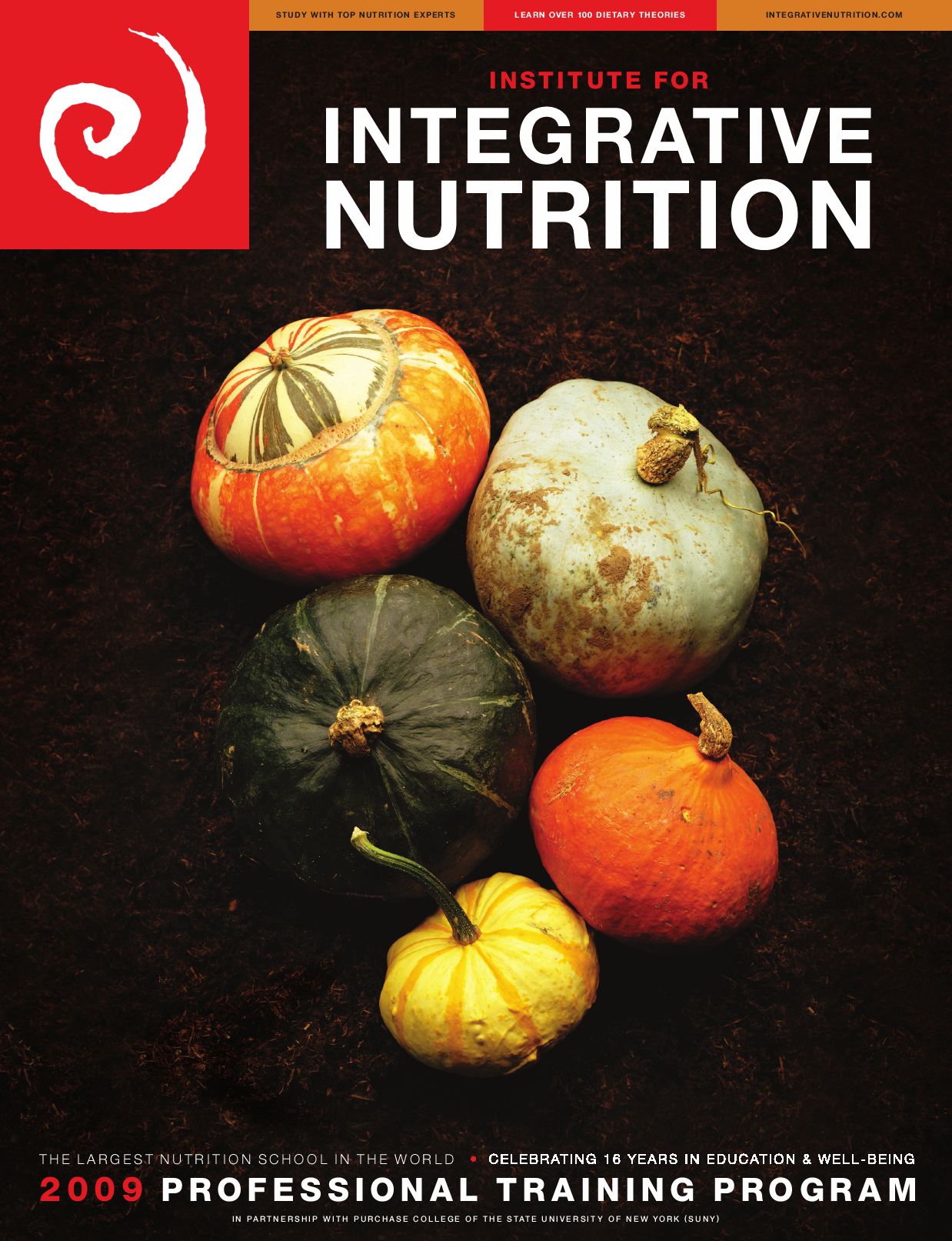
Prospective students evaluating the Institute for Integrative Nutrition (IIN) often encounter a polarized spectrum of opinions, ranging from enthusiastic endorsements by successful health coaches to rigorous academic critiques regarding scientific rigor and licensing. Founded in 1992, IIN has grown into one of the largest nutrition schools globally, certifying tens of thousands of students in holistic health, bio-individuality, and lifestyle coaching.
Analyzing integrative nutrition institute reviews involves breaking down what the program actually teaches, the financial and time commitments required, how the credential functions in the professional marketplace, and the primary advantages and limitations reported by verified alumni.
Core Identity and Program Scope
The flagship program offered by the organization is the Health Coach Training Program (HCTP). Unlike traditional clinical dietetics programs that focus heavily on biochemistry, medical nutrition therapy, and clinical pathology, IIN approaches wellness through a holistic lens.
Bio-Individuality and Dietary Theories
The foundational philosophy of the institute rests on the concept of bio-individuality—the idea that no single diet works for everyone because every human body has unique nutritional, genetic, and lifestyle requirements. Rather than prescribing a one-size-fits-all nutritional pyramid, the curriculum exposes students to more than 100 dietary theories, ranging from macrobiotics and Ayurveda to raw veganism, paleo, and the Mediterranean diet.
Primary Food vs. Secondary Food
A unique pedagogical pillar of the curriculum is the distinction between primary food and secondary food:
- Primary Food: Nourishment derived from elements outside the plate, including fulfilling relationships, a satisfying career, regular physical activity, and a meaningful spiritual practice. The institute posits that individuals cannot achieve optimal health through diet alone if other areas of their lives are neglected.
- Secondary Food: The actual food consumed on the plate. The curriculum emphasizes that whole, unprocessed, nutrient-dense foods serve as the foundation of physical vitality once primary food needs are addressed.
Curriculum Structure and Delivery Format
The HCTP is structured as a flexible, online vocational program typically completed over a period of one year, though an accelerated six-month track is also available.
Learning Modules and Faculty
The digital learning portal is organized into modules featuring video lectures, reading assignments, and interactive exercises. The faculty roster features prominent figures in integrative medicine, wellness, and personal development, including figures like Andrew Weil, Deepak Chopra, Mark Hyman, and Marion Nestle.
Coaching Skills and Business Development
Beyond nutrition theory, the curriculum devotes significant attention to coaching methodology and business establishment. Students learn active listening techniques, motivational interviewing, and behavior-change psychology. The business module covers how to launch a health coaching practice, build a brand, conduct initial consultations, and market services through digital channels.
Financial Investment and Enrollment Costs
Tuition for the Health Coach Training Program varies depending on seasonal promotions, payment plans, and upfront payment discounts.
| Program Option | Standard Tuition Range | Payment Structure | Included Materials |
|---|---|---|---|
| Standard 1-Year Track | $6,000 – $7,500 USD | Monthly installments or payment in full | Digital portal, audio/video lectures, digital textbooks, coaching guides |
| Accelerated 6-Month Track | $6,000 – $7,500 USD | Accelerated monthly installments | Same digital access compressed into a shorter timeframe |
| Advanced / Specialty Courses | $2,000 – $4,000 USD (Each) | Varies by specialty | Focused modules (e.g., gut health, hormone health) |
Prospective enrollees frequently report that while the list price can be substantial, the institute routinely offers scholarships, referral discounts, and early-enrollment incentives that lower the barrier to entry.
Credentialing, Licensing, and Professional Scope
One of the most critical aspects analyzed in integrative nutrition institute reviews is the legal and professional standing of the credential issued upon graduation.
Health Coach Certification vs. Registered Dietitian
An IIN graduate earns the title of Certified Health Coach (CHC) or Integrative Nutrition Health Coach (INHC). It is essential to distinguish this credential from that of a Registered Dietitian (RD) or Registered Dietitian Nutritionist (RDN).
- Registered Dietitians complete a specialized bachelor's or master's degree, a supervised clinical internship, and pass a national board examination. They are legally authorized to provide medical nutrition therapy, diagnose clinical conditions, and work within hospital systems.
- Health Coaches certified by IIN are trained to guide lifestyle modifications, offer general wellness education, and support clients in achieving self-determined health goals. They are generally not licensed to diagnose medical conditions, prescribe specific diets to treat diseases, or replace registered dietitians in clinical healthcare settings.
Regulatory Landscape and Scope of Practice
The legal scope of practice for health coaches varies significantly by jurisdiction. In many regions, health coaching is an unregulated field, meaning practitioners can establish private coaching practices without a state license, provided they do not cross the legal line into practicing medicine or dietetics without a license. Graduates must familiarize themselves with local laws and regulations governing health and wellness consulting.
Advantages Highlighted in Alumni Reviews
Positive reviews from graduates emphasize several distinct benefits of completing the program:
- Personal Transformation: Many students enroll primarily for self-improvement and report profound shifts in their personal relationships with food, stress management, and overall wellness.
- Business Launch Support: The step-by-step guidance on setting up a coaching practice, writing marketing copy, and conducting discovery sessions gives non-business majors a practical roadmap for entrepreneurship.
- Global Community: The extensive alumni network provides ongoing peer support, networking opportunities, and a built-in community across multiple countries.
- Flexibility: The online, self-paced format allows working professionals and parents to complete the coursework around existing schedules.
Limitations and Criticisms Noted by Reviewers
Critical evaluations and lower-rated reviews often highlight specific structural and educational limitations:
- Lack of Scientific Rigor: Critics, particularly from clinical and academic backgrounds, argue that the curriculum occasionally blends evidence-based nutritional science with unverified alternative health concepts or pseudoscience.
- Marketing-Heavy Culture: Some alumni express frustration with the aggressive referral and marketing model, noting that graduates are heavily encouraged to recruit new students into the institute.
- Business Reality Check: While the program teaches basic business principles, building a sustainable, full-time coaching practice requires substantial self-directed marketing and sales effort that the curriculum alone cannot guarantee.
- Absence of Clinical Training: Because the program does not include supervised clinical hours or hands-on medical training, graduates may feel unprepared to handle complex client health histories without additional certifications.
Frequently Asked Questions
Can I practice as a clinical nutritionist with an IIN certification?
No. An IIN certification qualifies you as a Health Coach, not a clinical nutritionist or Registered Dietitian. You cannot legally provide medical nutrition therapy, diagnose illnesses, or treat specific clinical pathologies unless you hold an independent medical or dietetic license.
How much time does the coursework require each week?
Students typically dedicate between five to ten hours per week to complete the video modules, reading assignments, and coaching circles. The flexible nature of the online portal allows learners to accelerate or slow down their pace within established program parameters.
Are there prerequisites required to enroll in the program?
There are no formal academic prerequisites, such as prior college degrees or science coursework, required to enroll. The program is designed to be accessible to career-switchers, wellness enthusiasts, and individuals with no formal background in health sciences.
What kind of jobs do graduates secure after completion?
Graduates pursue diverse career paths, including launching private health coaching practices, writing wellness content, partnering with chiropractors or functional medicine doctors, working in corporate wellness programs, or integrating coaching into existing careers like nursing or personal training.
Is the certificate recognized globally?
The certification is recognized internationally within the holistic wellness industry, and the institute boasts students and alumni in over 100 countries. However, local regulatory compliance depends entirely on the laws of the specific country or state where the graduate chooses to practice.
Final Recommendation
For individuals seeking a foundational introduction to holistic wellness, personal health transformation, and the basic principles of building a wellness coaching business, the Institute for Integrative Nutrition provides a comprehensive and accessible entry point. However, prospective students must approach enrollment with clear expectations: the credential is designed for lifestyle coaching, not clinical practice. Anyone intending to pursue medical nutrition therapy or clinical healthcare careers should pursue accredited university degrees in dietetics and nutrition instead.
Image Gallery