Understanding Joe’s Life Insurance Policy Face Amount: A Practical Guide
The face amount of a life insurance policy, such as the one held by Joe, represents the death benefit—the specific sum of money the insurer is contractually obligated to pay to the designated beneficiaries upon the insured’s death, pro...
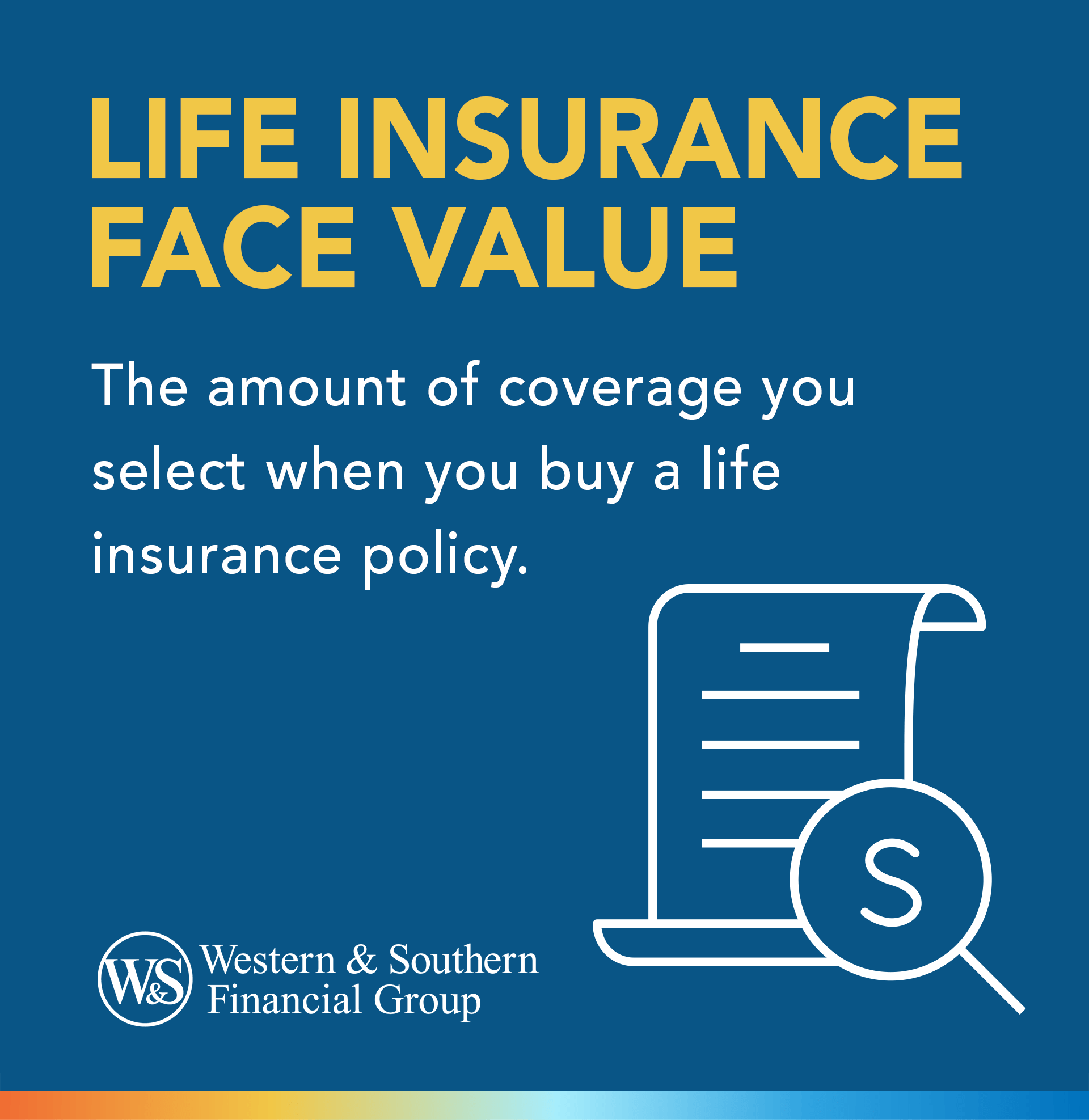
The face amount of a life insurance policy, such as the one held by Joe, represents the death benefit—the specific sum of money the insurer is contractually obligated to pay to the designated beneficiaries upon the insured’s death, provided the policy remains in force. This value serves as the foundational pillar of financial protection within the contract and is established at the time of issuance or through subsequent adjustments.
Contents
Defining the Face Amount in Life Insurance
In the context of any life insurance policy, including one identified as "Joe’s," the face amount is the primary benefit figure stated on the declarations page of the insurance contract. It is the amount that dictates the scale of protection intended to replace income, cover debts, or fund estate obligations.
It is important to distinguish the face amount from the cash value or the total death benefit in specific scenarios. While the face amount is usually the death benefit, some permanent life insurance policies include features—such as paid-up additions or terminal illness riders—that could cause the actual payout to differ from the nominal face amount. For most standard term life policies, however, the face amount is synonymous with the death benefit payout.
Factors That Influence the Face Amount
When Joe initially applied for his life insurance policy, several variables determined the selected face amount. Understanding these factors is essential for evaluating whether the current coverage remains sufficient for 2026.
- Income Replacement: Insurance agents typically suggest a face amount equal to 10 to 15 times the policyholder's annual income to ensure that beneficiaries can maintain their standard of living.
- Debt Obligations: Outstanding mortgage balances, personal loans, and credit card debts are often calculated into the face amount to prevent those liabilities from burdening survivors.
- Future Education Costs: If Joe’s policy is designed to cover future college tuition for children, the face amount would have been inflated to account for estimated educational expenses adjusted for inflation.
- Funeral and Final Expenses: The cost of end-of-life arrangements often forms the baseline of a policy’s face amount, though it rarely constitutes the majority of a substantial policy.
Verifying the Current Face Amount
To confirm the exact face amount of a policy in 2026, the policyholder or authorized representative must consult the official documentation provided by the insurance carrier. This is not a value that can be estimated through public records or general financial trends.
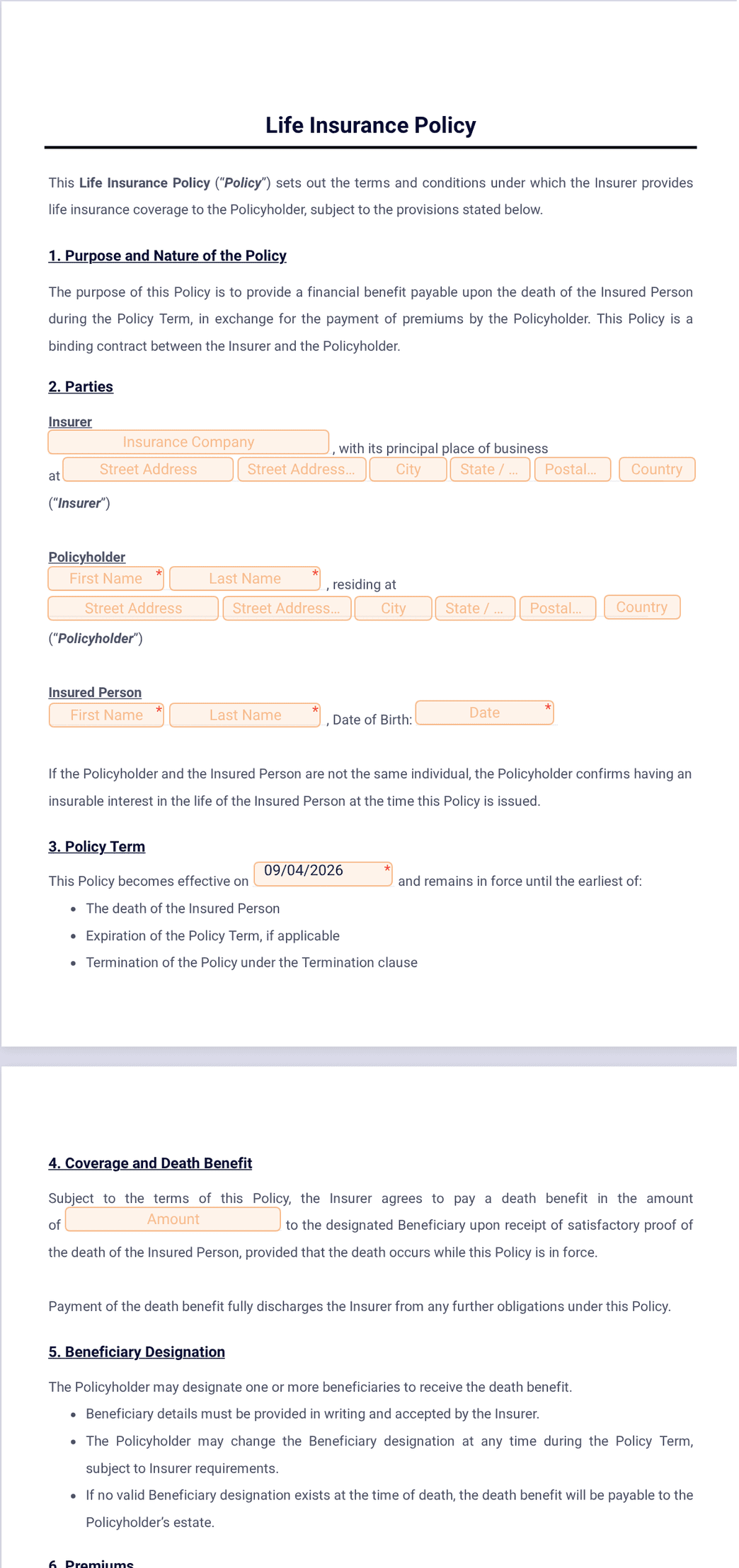
- The Declarations Page: This is the first page of the policy contract. It provides a summary of the policy owner, the insured, the beneficiaries, the effective date, and the stated face amount.
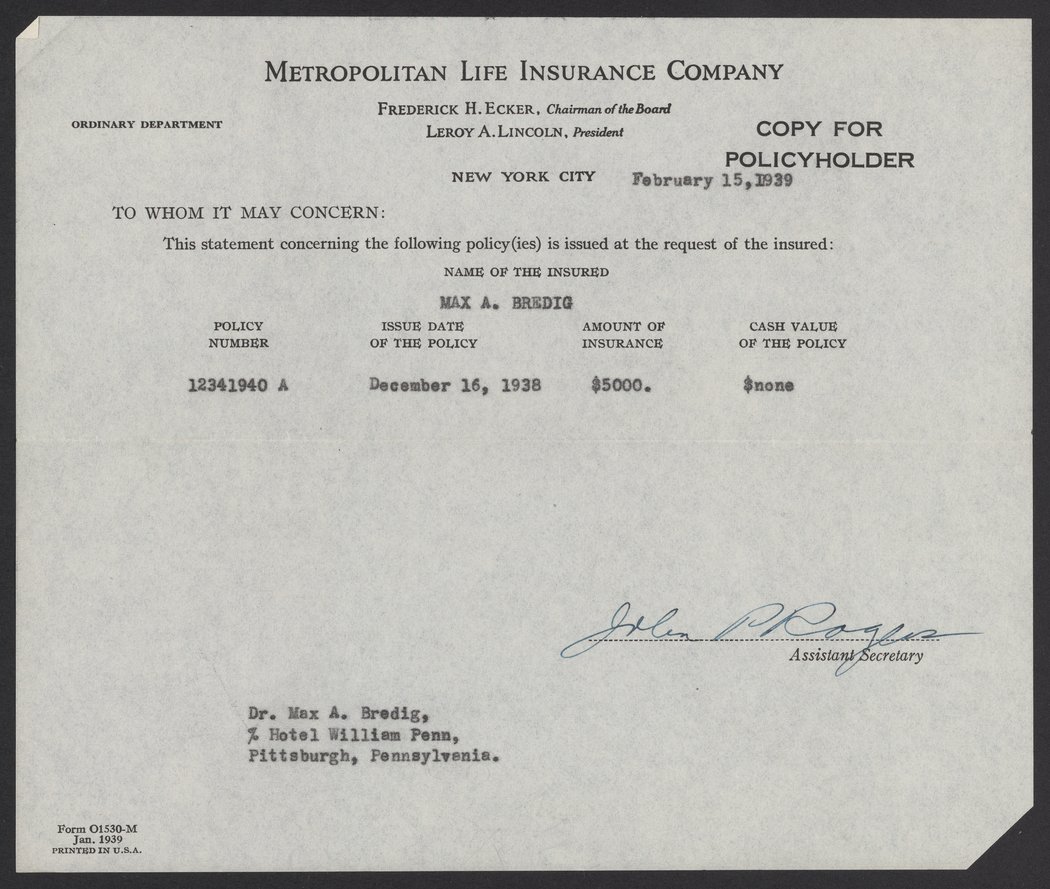
- Annual Statement: Insurance companies typically mail or provide digital access to an annual policy statement. This document reflects the current status of the policy, including any changes made to the face amount, such as reductions requested by the owner or increases triggered by inflation riders.
- Online Policy Portal: Most major insurers in 2026 maintain secure online portals where policyholders can view their coverage details in real-time. If "Joe" has an online account, logging in is the most efficient way to verify the current coverage.
- Direct Communication: If documentation is missing, the owner of the policy can contact the insurance company’s customer service department. They will require identity verification before disclosing the face amount.
Can the Face Amount Be Changed?
The ability to adjust the face amount depends entirely on the type of policy Joe holds. Policy changes are subject to the contract’s specific provisions and the underwriting rules of the insurance company.
- Term Life Insurance: These policies are generally static. If Joe has a term policy, the face amount usually remains fixed for the duration of the term (e.g., 10, 20, or 30 years). Increasing the face amount usually requires applying for a new policy, which entails new medical underwriting.
- Whole or Universal Life Insurance: These permanent policies offer more flexibility. Depending on the contract terms, a policyholder may be able to decrease the face amount to lower premiums or increase the face amount, though an increase typically requires proof of insurability (a medical exam or health questionnaire).
Comparison of Coverage Types
The following table outlines how the face amount interacts with various policy structures.
| Policy Type | Face Amount Flexibility | Impact of Change |
|---|---|---|
| Term Life | Typically Fixed | Requires new application/underwriting |
| Whole Life | Adjustable (subject to terms) | May affect cash value growth |
| Universal Life | Highly Adjustable | Subject to premium changes and underwriting |
| Decreasing Term | Automatically Declines | Designed to match loan amortization |
Critical Considerations for 2026
In the current economic landscape of 2026, it is prudent to review whether the existing face amount still meets the intended financial objectives. Inflation and changes in family size or debt levels can render a previously adequate face amount insufficient.
For instance, if Joe’s policy was issued ten years ago, the purchasing power of that face amount may have significantly diminished. Reviewing the policy is not merely an administrative task; it is an act of financial maintenance. If the face amount is found to be insufficient, options include purchasing a supplemental "laddered" policy or inquiring if the current carrier allows for a "guaranteed insurability" option to increase coverage without a full medical review.
FAQ: Common Questions Regarding Face Amounts
1. Is the face amount the same as the death benefit? In most cases, yes. However, if the policy has borrowed funds against it (in the case of permanent insurance), the net death benefit paid to beneficiaries may be the face amount minus the outstanding loan balance and unpaid interest.
2. Does the face amount affect my premium payments? Yes. A higher face amount indicates a higher level of risk for the insurer, which typically translates into higher annual or monthly premiums.
3. What happens if I want to lower the face amount? Lowering the face amount (if permitted by the policy) can reduce the premium burden. This is often done when children are grown or mortgages are paid off, and the need for high-level coverage has diminished.
4. Can I split the face amount between beneficiaries? Yes. The face amount is typically distributed as a percentage to beneficiaries. For example, if the face amount is $500,000, it can be split 50/50 between two beneficiaries, resulting in $250,000 for each.
5. How does inflation impact the face amount? Unless the policy includes an inflation-adjustment rider, the face amount remains fixed. Over time, inflation reduces the actual value of that payout, meaning it may cover fewer expenses in 2026 than it would have at the time of purchase.
Next Steps for Policy Management
If you are managing the policy on Joe's behalf, your immediate priority should be the retrieval of the most recent annual policy statement. This document will serve as the definitive record of the face amount and current status. If you are the beneficiary, contact the insurer’s policyholder services department to ensure the current contact information and beneficiary designations are up to date. Should the policyholder wish to make changes, consult with a licensed insurance advisor or the carrier directly to understand the specific underwriting requirements of the policy’s original contract.
Disclaimer: This information is for educational purposes and does not constitute financial, legal, or tax advice. Insurance contracts vary by company and jurisdiction; always refer to the specific policy documents or consult a licensed insurance professional for advice tailored to your personal financial situation.
Image Gallery