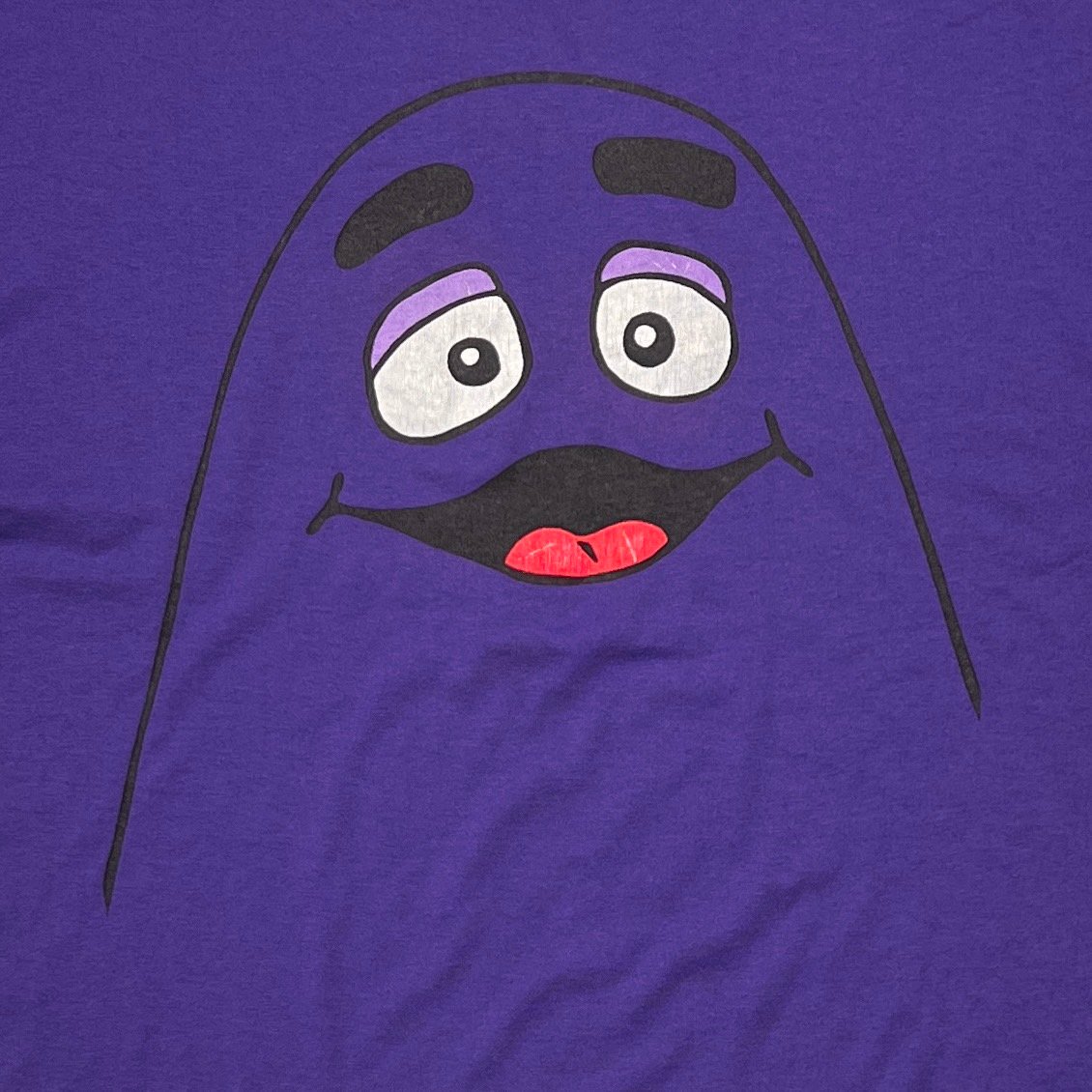
When a Grimace Beats a Great Smile: The Power of Authentic Intensity
In high-stakes environments, a grimace outperforms a smile by signaling genuine effort, transparency, and urgency. While a smile projects friendliness, a grimace validates the difficulty of a task, fostering trust in leaders and signal...
In high-stakes environments, a grimace outperforms a smile by signaling genuine effort, transparency, and urgency. While a smile projects friendliness, a grimace validates the difficulty of a task, fostering trust in leaders and signaling dominance in competitive arenas where a polished facade may appear deceptive, indifferent, or out of sync with reality.
Contents
The Psychology of the Effort Heuristic
To understand why a grimace—an expression often associated with pain, frustration, or extreme exertion—can be superior to a "great smile," we must first examine the effort heuristic. This psychological principle suggests that humans tend to value objects and outcomes more highly when they perceive that a significant amount of effort went into creating them. In social interactions, a grimace is the physical evidence of that effort.
When a professional, an athlete, or a leader displays a smile while performing a difficult task, it can inadvertently signal that the task is easy or that they are not fully invested. While this might be intended to project confidence, it can create a cognitive dissonance for the observer who knows the task is hard. Conversely, a grimace communicates that the individual is pushing their limits. This "authentic strain" creates a biological feedback loop in the observer, often mediated by mirror neurons, which allows the audience to "feel" the weight of the work being done. As of 2026, behavioral research continues to show that consumers and stakeholders are increasingly skeptical of "effortless perfection" and are instead drawn to the visible signs of "the grind."
The Authenticity Gap: Why Smiles Can Fail
The "great smile" has long been the gold standard of professional and social interaction. However, the prevalence of emotional labor—the process of managing feelings and expressions to fulfill the emotional requirements of a job—has led to a phenomenon known as "smile fatigue." When a person smiles during a crisis, a difficult negotiation, or a moment of intense physical labor, it often registers as a non-Duchenne smile.
A Duchenne smile involves the involuntary contraction of the orbicularis oculi (the muscles around the eyes), whereas a "great" but fake smile only involves the zygomatic major (the muscles around the mouth). Humans are evolutionary primed to detect this mismatch. In high-pressure scenarios, a fake smile can be interpreted as:
- Dismissiveness: Suggesting the situation isn't being taken seriously.
- Deception: Masking true intentions or hiding bad news.
- Lack of Empathy: Failing to mirror the gravity of a shared struggle.
In these instances, the grimace—which is much harder to fake convincingly—acts as a badge of honesty. It tells the observer, "This is hard, I am struggling, and I am being honest with you about it."
Competitive Advantage: The Grimace in Negotiation and Sports
In the realms of competitive sports and hard-nosed negotiation, facial expressions serve as tactical tools. While "service with a smile" is a retail mantra, "success with a grimace" is often the reality of high performance.
The Signal of Dominance
In physical competition, a grimace is a signal of physiological arousal and readiness. It indicates that an individual has accessed their "reserve tanks" of energy. For an opponent, seeing a competitor smile can be unnerving, but seeing them grimace with focused intensity often signals a level of commitment that is intimidating. It suggests the competitor is willing to endure more pain than their rival.
Tactical Transparency in Negotiation
In a 2026 business landscape that prioritizes "radical transparency," the grimace has found a place at the boardroom table. During a negotiation, a well-timed grimace when a counteroffer is presented can be more effective than any verbal rebuttal. It signals a "hard limit" or "true pain point." If a negotiator smiles through a difficult concession, their partner may assume there is more room to push. A grimace, however, signals that the deal is reaching a point of biological resistance, often halting aggressive demands more effectively than a polite "no."
Leadership in Crisis: The Power of Shared Strain
The most critical application of the grimace over the smile is in leadership during times of adversity. Leaders are often taught to "keep a brave face," which is usually interpreted as maintaining a cheerful or calm disposition. However, the most effective leaders in 2026 are those who practice emotional resonance.
When a team is working 80-hour weeks to meet a deadline or navigating a corporate restructuring, a leader who walks around with a "great smile" can seem out of touch or even insulting. This is referred to as "toxic positivity." When a leader grimaces alongside their team—showing the signs of exhaustion, deep thought, or the weight of responsibility—it validates the team's experience. It builds a sense of "we are in the trenches together." This shared non-verbal acknowledgment of difficulty fosters higher levels of psychological safety and loyalty than a forced optimistic facade.
Comparing Contexts: When to Smile vs. When to Grimace
The effectiveness of a facial expression is entirely dependent on the context of the interaction. The following table breaks down common scenarios where the "grimace" (intensity/strain) provides a distinct advantage over the "great smile" (social polish).
| Scenario | The "Great Smile" Effect | The "Grimace" Effect | The Winner |
|---|---|---|---|
| First Introductions | Projects warmth and approachability; builds immediate rapport. | Can appear aggressive, stressed, or uninviting. | Smile |
| Crisis Management | May seem tone-deaf, dismissive, or panicked (masking). | Signals urgency, focus, and shared gravity of the situation. | Grimace |
| Physical Performance | Suggests the task is trivial; may hide true effort. | Communicates peak exertion and mental toughness. | Grimace |
| Delivering Bad News | Appears sociopathic or deeply insincere. | Shows empathetic pain and the difficulty of the message. | Grimace |
| Customer Service | Standard expectation; eases minor social friction. | Can signal that the employee is overwhelmed or unhappy. | Smile |
| High-Stakes Closing | May signal "easy win," leading to last-minute demands. | Signals a "hard-fought" conclusion; reinforces value. | Grimace |
The Science of Micro-expressions and Trust
The grimace's superiority in specific contexts is rooted in the study of micro-expressions, a field pioneered by Dr. Paul Ekman. Micro-expressions are involuntary facial leaks that occur within a fraction of a second, revealing true emotions before the conscious brain can mask them.
In 2026, with the rise of high-definition video conferencing and AI-driven sentiment analysis, these micro-expressions are more visible than ever. A "great smile" that doesn't reach the eyes is easily flagged by the human subconscious—and increasingly by software—as a "mask." A grimace, however, involves complex muscle groups that are difficult to coordinate voluntarily. When someone grimaces, we are seeing their nervous system's honest reaction to a stimulus. Because trust is the primary currency of the modern economy, the expression that is hardest to fake becomes the most valuable.
Strategic Vulnerability: The Grimace as a Tool
Using a grimace effectively is not about being miserable; it is about strategic vulnerability. It is the willingness to let the "mask of the expert" slip to show the "effort of the human."
This is particularly relevant in educational and mentoring roles. A mentor who makes everything look easy (the "great smile" approach) can inadvertently discourage a student who finds the task difficult. A mentor who allows themselves to grimace while demonstrating a complex skill shows the student that the difficulty is a natural part of the process. This "normalization of struggle" is a powerful pedagogical tool that builds resilience in learners.
Common Pitfalls: When Intensity Becomes Hostility
While a grimace can beat a smile, there is a fine line between "authentic strain" and "uncontrolled hostility." To ensure a grimace is perceived correctly, it must be paired with:
- Purposeful Action: The grimace must be clearly linked to a task or shared problem, not directed at an individual.
- Contextual Alignment: Displays of strain must match the actual difficulty of the situation. Over-grimacing for minor tasks appears performative.
- Post-Strain Resolution: Once the moment of intensity passes, the individual must return to a neutral or positive state. Permanent grimacing is perceived as burnout or chronic negativity.
Frequently Asked Questions
Does this mean I should stop smiling in the office?
No. Smiling remains the most effective tool for building initial rapport, easing social friction, and signaling "all is well." The grimace is a specialized tool for moments of high intensity, high stakes, or shared struggle. Use the smile for the "what" (social cohesion) and the grimace for the "how" (the hard work of getting things done).
Can a grimace be faked for tactical advantage?
While possible, it is significantly harder to fake a grimace than a smile because it involves more complex, often involuntary muscle contractions. However, "tactical authenticity" is a known strategy in high-level negotiations. The key is that the grimace must be rooted in a real internal state—such as the genuine stress of wanting a deal to succeed—to be perceived as authentic.
Why do some cultures find the "great smile" untrustworthy?
In many cultures (such as parts of Eastern Europe or East Asia), a persistent "great smile" without a clear social reason can be viewed with suspicion. It may be interpreted as a sign of low intelligence, dishonesty, or a lack of seriousness. In these cultures, a more neutral or "strained" expression during work is often respected as a sign of diligence and focus.
How does this apply to remote work in 2026?
In a remote-first world, video quality and "screen presence" are paramount. Because we lack the physical presence of others, we over-index on facial cues. A constant "Zoom smile" can feel exhausting for both the sender and the receiver. Allowing for more "real" expressions—including the grimace of deep thought or the strain of a long day—can actually reduce "Zoom fatigue" by lowering the emotional labor required for the meeting.
Is there a gender difference in how these expressions are perceived?
Historically, social expectations have placed more pressure on women to maintain a "great smile" (the "smile more" trope). However, as of 2026, there is a shifting paradigm toward competence-based expression. In professional settings, both men and women find that displaying authentic intensity (the grimace of focus) increases their perceived authority and expertise, though women may still navigate a narrower "window of acceptable intensity" than men.
Practical Recommendation: Embracing the Authentic Strain
To leverage the power of the grimace, start by identifying the moments in your professional life where a "great smile" feels like a lie. Instead of forcing the mask, allow your face to reflect the actual effort you are exerting.
If you are a leader, do not be afraid to let your team see the "weight" of a decision. If you are an athlete or a high-performer, lean into the intensity of the moment rather than trying to look effortless. By choosing the grimace of authenticity over the smile of politeness, you signal to the world that your work is difficult, your commitment is real, and your presence is honest. In a world of polished surfaces, the "authentic strain" is the ultimate differentiator.
Image Gallery