Navigating Veteran Loan Benefits for Borrowers: A Comprehensive Guide
Veteran loan benefits primarily refer to the Department of Veterans Affairs (VA) home loan program, which empowers eligible service members, veterans, and surviving spouses to purchase, build, or renovate primary residences with favora...
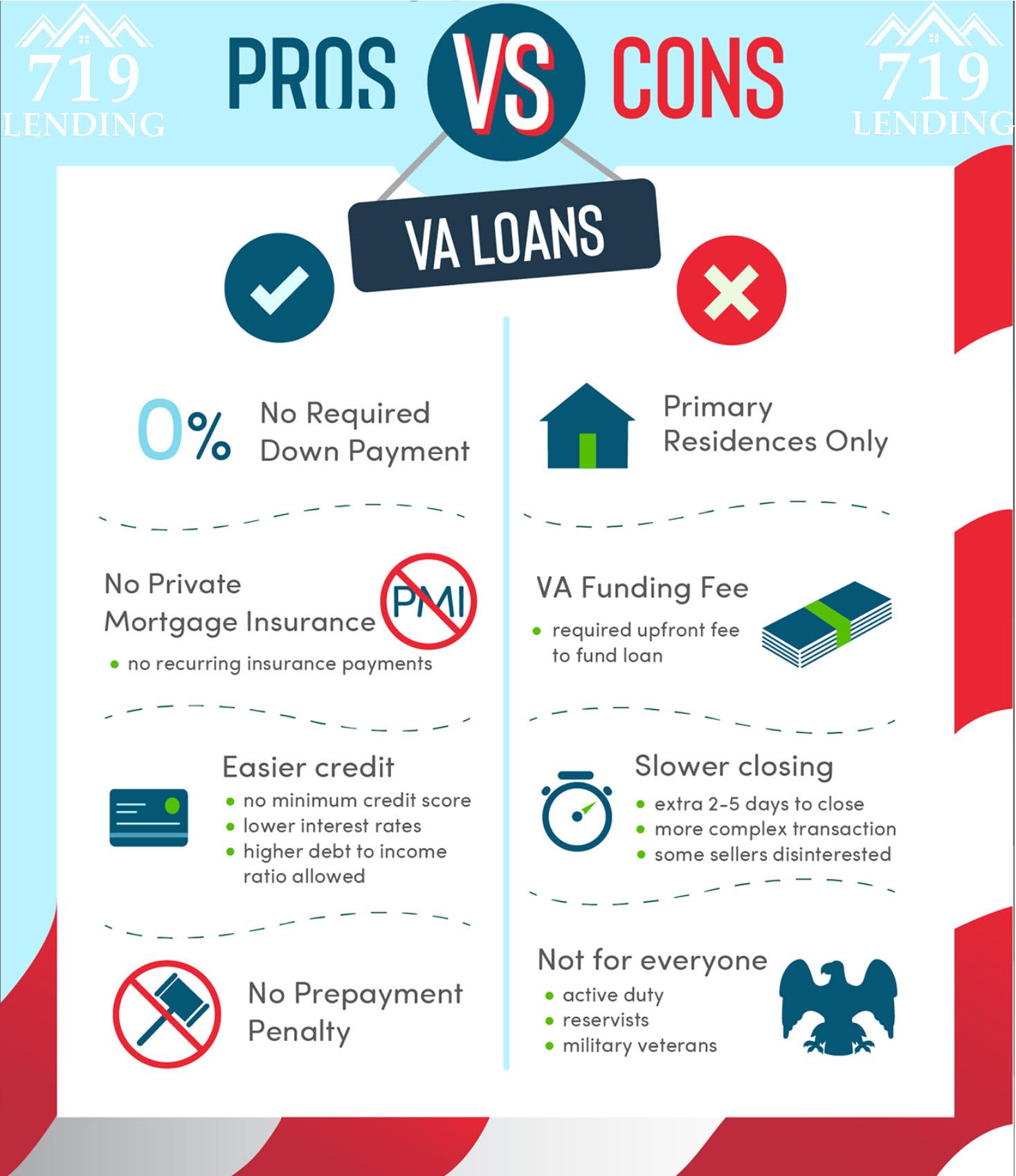
Veteran loan benefits primarily refer to the Department of Veterans Affairs (VA) home loan program, which empowers eligible service members, veterans, and surviving spouses to purchase, build, or renovate primary residences with favorable financial terms. These benefits reduce the barriers to homeownership by eliminating the need for private mortgage insurance and capping closing costs, providing a pathway to stable housing through government-backed loan guarantees.
Contents
Understanding the VA Home Loan Guarantee
The VA home loan program is not a direct loan provided by the federal government; instead, it is a guarantee program. The Department of Veterans Affairs guarantees a portion of the loan provided by private lenders such as banks, credit unions, or mortgage companies. This guarantee encourages lenders to offer more competitive terms, specifically lower interest rates and the absence of a down payment requirement for many borrowers.
Because the VA covers a significant portion of the potential loss to the lender in the event of a default, lenders view these loans as lower-risk investments. For the borrower, this translates into reduced borrowing costs and greater accessibility. It is important to distinguish this from other government programs, such as FHA or USDA loans, which have different eligibility criteria and mortgage insurance structures.
Eligibility Requirements and Certificate of Eligibility (COE)
Before beginning the house-hunting process, borrowers must verify their eligibility. The primary document required is the Certificate of Eligibility (COE), which confirms to the lender that the applicant meets the length-of-service or service-connected disability requirements established by the Department of Veterans Affairs.
Service Requirements
Eligibility is generally based on the duration of active duty service, service in the Selected Reserve, or status as a surviving spouse.
- Active Duty: Typically requires 90 continuous days of service.
- Wartime: Varies based on the specific conflict period and length of service.
- Peacetime: Generally requires 181 days of continuous service.
- Selected Reserve or National Guard: Requires at least 6 years of service.
Borrowers can obtain their COE through the VA’s online portal (eBenefits) or have their mortgage lender pull it electronically if the necessary service records are digitized. If a borrower has a service-connected disability, they may be exempt from the VA funding fee, making the process significantly more affordable.
The VA Funding Fee Explained
Unlike many conventional loans, VA loans require a "funding fee." This is a one-time payment made by the veteran, service member, or survivor to the VA. The purpose of this fee is to offset the cost of the loan program to taxpayers, as the program is designed to be self-sustaining.
The fee amount is calculated as a percentage of the total loan amount and varies based on several factors:
- Whether it is a first-time or subsequent use of the benefit.
- The amount of the down payment (if any).
- The type of service (e.g., National Guard/Reserve vs. Regular Military).
Exemption Criteria
Borrowers are exempt from paying the funding fee if they meet any of the following conditions:
- They receive VA compensation for a service-connected disability.
- They are entitled to receive compensation for a service-connected disability but receive retirement or active duty pay instead.
- They are the surviving spouse of a veteran who died in service or from a service-connected disability.
Comparing Financial Advantages
The following table outlines the key differences between VA loans and conventional conforming loans to help borrowers evaluate their financial position.
| Feature | VA Loan | Conventional Loan |
|---|---|---|
| Down Payment | Typically 0% | Usually 3% to 20% |
| Mortgage Insurance | None | Required if down payment < 20% |
| Interest Rates | Competitive / Low | Market-dependent |
| Funding/Origination Fee | VA Funding Fee (variable) | Origination fees apply |
| Credit Score | Flexible | Generally strict requirements |
Practical Steps to Securing a Loan
Securing a VA loan requires careful coordination between the borrower, a VA-approved lender, and a real estate agent familiar with VA guidelines.
1. Financial Pre-approval
Start by gathering financial documentation, including W-2s, pay stubs, and bank statements. While the VA does not set a minimum credit score, individual lenders often have "overlay" requirements. Shop around to compare the interest rates and the "discount points" offered by different lenders.
2. Property Selection and Appraisal
Once pre-approved, you may begin house hunting. However, keep in mind that the home must meet Minimum Property Requirements (MPRs). The VA requires that the property be safe, sound, and sanitary. A VA-certified appraiser will perform an appraisal not only to determine the fair market value but also to ensure the property meets these standards. If the appraisal identifies issues (e.g., a non-functioning HVAC system or roof damage), the seller must usually fix them before the loan can close.
3. Closing the Loan
At closing, you will finalize the documents. While the VA limits the types of closing costs a veteran can pay, you should still be prepared for costs like appraisal fees, title insurance, and recording fees.
Common Pitfalls and Troubleshooting
Borrowers often encounter delays due to incomplete documentation. Ensure your DD214 (Certificate of Release or Discharge from Active Duty) is readily available, as this is the foundational document for proving eligibility.
Another common mistake is assuming that "0% down" means there are no upfront costs. You will still need to manage the funding fee (if applicable) and standard closing costs. Furthermore, if you are looking at condominiums, ensure the project is on the VA’s approved list; otherwise, the loan process may be significantly delayed or denied.
Frequently Asked Questions
Is there a maximum limit on a VA loan?
As of 2026, for veterans with full entitlement, there are no statutory loan limits. You can borrow as much as a lender is willing to provide based on your creditworthiness and income. However, for those with partial entitlement (perhaps due to an existing VA loan), there are limits based on regional conforming loan caps.
Can I use my VA benefit more than once?
Yes. Your entitlement is not a one-time benefit. If you pay off a previous VA loan, or if you sell your home and the loan is satisfied, you can have your entitlement restored to purchase a new primary residence.
Can I use a VA loan for an investment property?
No. The VA home loan program is strictly for primary residences. You must intend to occupy the home as your main residence within a reasonable amount of time (usually 60 days) after closing.
Do I need perfect credit for a VA loan?
No. The VA does not set a minimum credit score, but lenders do. While VA loans are more forgiving than conventional loans, you should strive to maintain a healthy credit history to secure the most favorable interest rates.
What happens if I move out of my house?
The VA expects the home to be your primary residence. If you are transferred for work or have a life change that requires you to move, you may be able to refinance the property into a conventional loan or request a release of liability if you sell the home to another veteran who assumes your loan.
Recommendation for Next Actions
If you are a prospective borrower, your first step should be to log into your account on the VA’s official website to verify your status and download your Certificate of Eligibility. Once you have the COE, reach out to multiple lenders—specifically those with experience in VA underwriting—to request a "Loan Estimate." Comparing these estimates will provide a clear picture of your total monthly payment and upfront costs, ensuring you leverage your benefits effectively in the 2026 real estate market.
Image Gallery